Physical Address
304 North Cardinal St.
Dorchester Center, MA 02124
Physical Address
304 North Cardinal St.
Dorchester Center, MA 02124

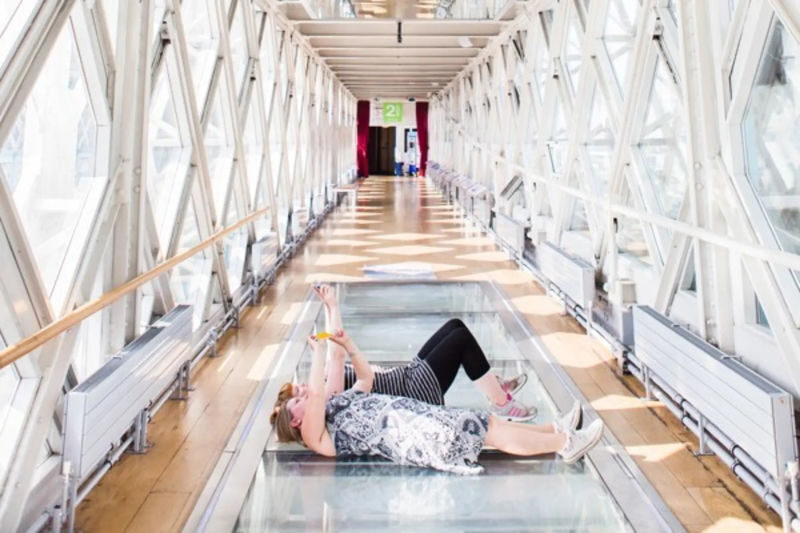
Walk Tower Bridge’s glass-floored high-level walkways, see its Victorian engines and take in London views with this exhibition ticket.
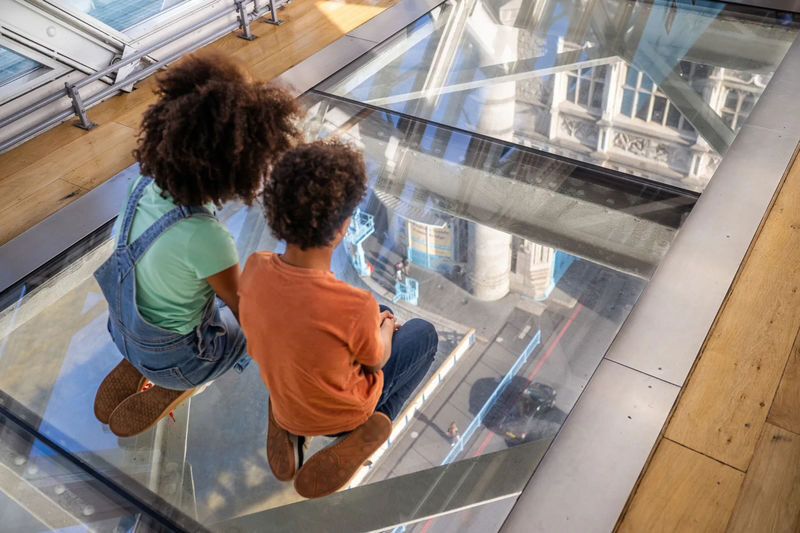
Tower Bridge is more than a photogenic crossing: the ticket takes you 43 meters above the Thames, onto a glass floor where the buses, boats and people below become part of the view. The high-level walkways give you a fresh angle on London, while the engine rooms show how the bridge’s lifting mechanism worked.
I like two things in particular: the chance to stand above the river on the glass floor, and the way the visit connects the bridge’s striking design to its working machinery. The exhibition is short enough to fit between nearby sights, yet it gives you more than a quick photo stop.
One consideration: the ticket does not include fast-track entry, and the glass walkway is not everyone’s idea of fun. Allow time for booking checks and security, and remember that the ticket is for the exhibition, not simply for walking across the bridge.
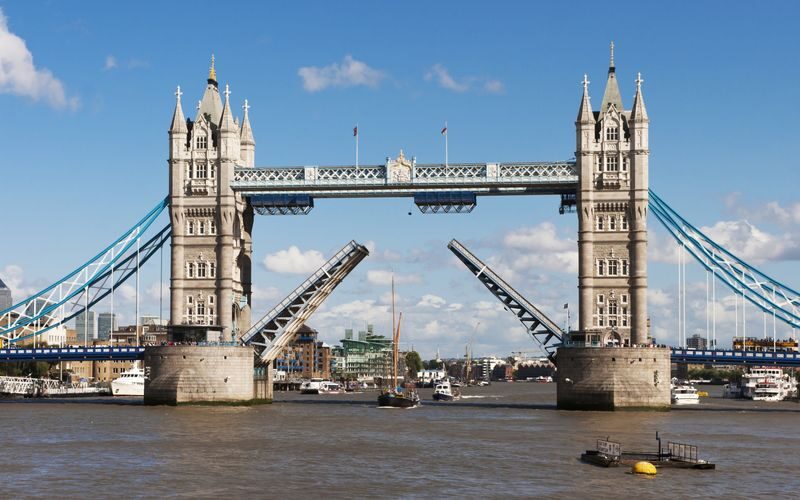
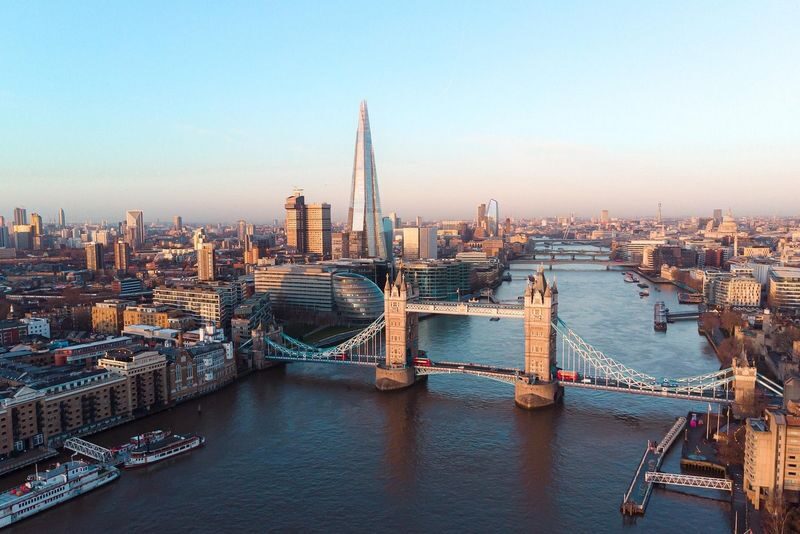
Tower Bridge is one of London’s most recognizable landmarks, but its exhibition lets you look beyond the familiar exterior. The visit takes you into the bridge’s towers, up to the high-level walkways and down to the engine rooms. You can explore the displays at your own pace rather than following a named guide or a fixed group itinerary.
The walkways are the main event for many people. At 43 meters above the Thames, they offer broad views across the river and the city, with the bridge itself framing the scene. On a clear day, you can use the elevated view to get your bearings; even in less-than-perfect weather, the river traffic and the bridge’s structure make the perspective worthwhile.
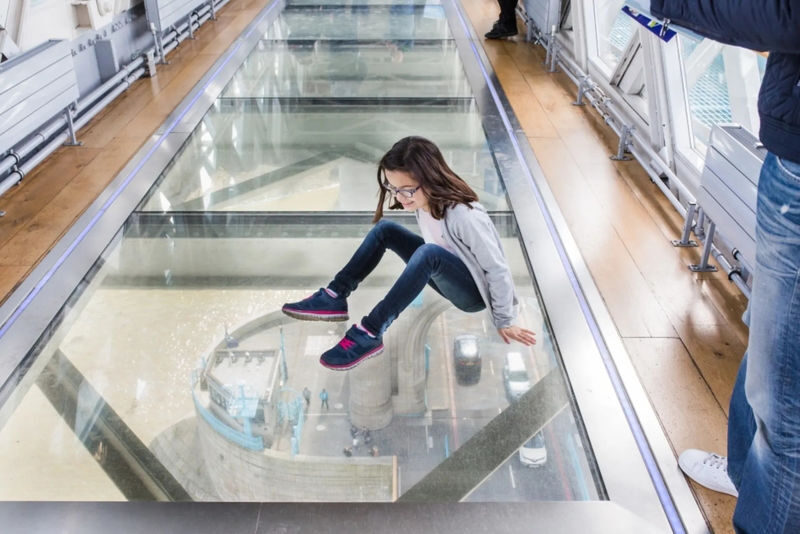
Then comes the glass floor. Looking straight down can be a thrill, a mild test of nerve, or something you decide to admire from the solid floor beside it. There is no need to force the moment. You can still enjoy the view from the walkway without stepping onto the transparent panels.
The glass section is also a useful reminder that this is a working crossing, not just a grand architectural backdrop. From above, you can look down at the roadway and river activity. If a boat is due to pass and the bridge opens during your visit, you may get an especially memorable view, but a lift is not guaranteed on any particular date.
You might also be interested in these London experiences
The exhibition puts the bridge’s appearance into context, covering its history, origins and construction. That matters because Tower Bridge can be easy to mistake for a purely decorative landmark. Its towers and high-level walkways were designed as part of a functioning bridge, and the displays help explain how the structure served London.
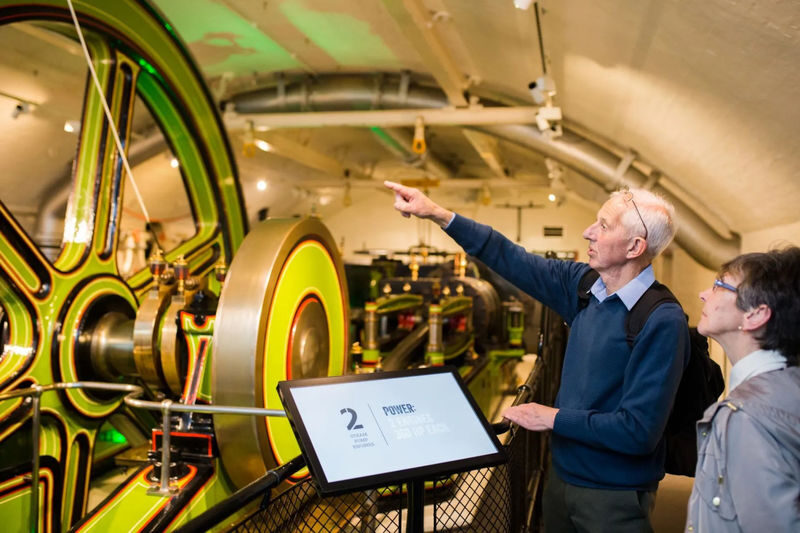
The original Victorian steam engines are the visit’s most tangible link to that working past. Seeing the machinery in the engine rooms gives the bridge’s lifting function a physical scale that a view from the pavement cannot. The engine rooms sit below the bridge area, so expect a change of level as you move through the exhibition.
Interactive exhibits offer another way to understand how the bridge works. They can help younger visitors connect the technical details to the dramatic sight of a bridge lifting for a ship. The exhibition is not a full-day museum, but it gives you enough background to make the structure feel more than familiar scenery.
Start at the main entrance to the Tower Bridge Exhibition in the North West Tower. From there, the route takes you through the bridge’s exhibition spaces and up to the walkways, then down toward the engine rooms. The exact pace is yours, and you can spend longer on the views or move more quickly through the displays.
The walkways are the natural pause point. Give yourself time to look in both directions along the Thames, take photos and try the glass floor if you like. If you are visiting with children, this is often the part they remember most, though some may prefer to keep their feet on the solid walkway.
After the high-level views, the engine rooms bring the experience back to earth, quite literally. The engines help explain the engineering behind the bridge and offer a different kind of interest from the panorama above. If you are short on time, resist the urge to treat the exhibition as only a glass-floor photo stop; the machinery is a key part of what the admission buys.
Plan on one to two hours for the full visit. Some people move through the towers and engine rooms quickly, while others linger over the views, displays and photos. It is a manageable activity to slot into a day of sightseeing, but allow extra time for entry checks and security.
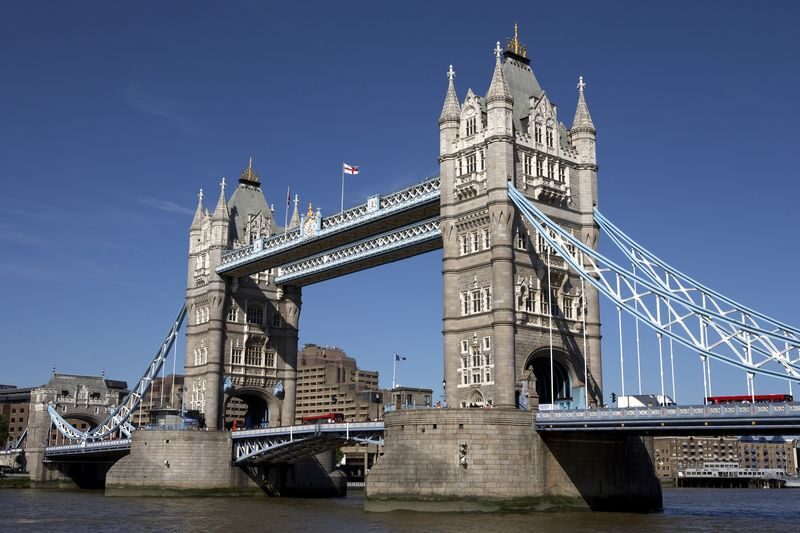
At a starting price of $26.55, this is not simply a fee to cross a bridge. You can cross Tower Bridge itself without buying an exhibition ticket; admission pays for access to the towers, high-level walkways, glass floor, displays and historic engine rooms. If you only want a classic exterior photo, a riverside walk may be enough.
The ticket offers better value if you are curious about how the bridge works, want a high view over the Thames or are travelling with someone excited by the glass floor. It also suits first-time visitors who want a landmark experience that combines views with a focused dose of history. The visit is short enough to add to a busy itinerary without claiming half a day.
The listed price is a starting point, not a promise that every ticket or date costs the same. One practical advantage of booking ahead is securing a date and time, especially when demand is high. Do not assume an online voucher means you will bypass all queues: the voucher does not provide fast-track entry, and you may need time for validation and security.
Tower Bridge is open Monday through Sunday from 09:30 to 18:00, with last admission one hour before closing. It closes from 24 to 26 December and opens at 10:00 on 1 January. On the second Saturday of each month, opening is delayed until 11:50 to allow for a relaxed session from 09:30 to 11:30 for people who prefer a calmer visit, including autistic and other neurodivergent visitors and their families and carers.
The main entrance is at the North West Tower, Tower Bridge Road, London SE1 2UP. The nearest Underground station listed is London Bridge, served by the Jubilee and Northern lines. Check your route and allow time to reach the entrance, particularly if you have a timed booking.
Children aged 0 to 15 must be accompanied by a paying adult, and children aged 0 to 4 can enter free. If you buy a student ticket, bring valid student identification. The supplied ticket information says to present a printed voucher, so check the redemption instructions attached to your booking before setting out.
The voucher is valid only on the selected date and, if specified, time. Cancellation is free with at least 48 hours’ notice, based on local time. For accessibility, the bridge has lift access for visitors who cannot manage the stairs; if this is important for your party, confirm current arrangements with the venue before your visit.
One important packing point: do not arrive with luggage you expect to take inside. Entry has been refused to someone carrying luggage, even after paying for a ticket. Travel light and keep your booking details handy.
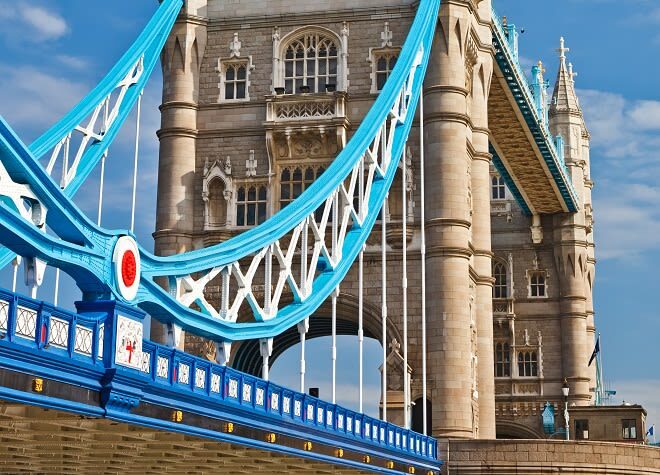
This is a strong choice if you like seeing how famous structures work, not just photographing them from outside. The combination of city views, glass floor and machinery gives different ages and interests something to focus on. Children who enjoy heights or interactive displays may especially like it, while the engine rooms give history-minded adults a reason to linger.
It is also well suited to a first visit to London. Tower Bridge is instantly recognizable, and the exhibition helps turn that postcard image into a place with a purpose and a story. The experience is compact enough to pair with other nearby sightseeing, though it is worth giving the walkway and engine rooms more than a rushed glance.
It may be less compelling if you are uninterested in the glass floor, engineering or paying for an indoor exhibition. The views are the draw, but the ticket does not guarantee a bridge opening, and you can see the bridge’s exterior for free from the surrounding area. Decide whether you want the inside perspective before you book.
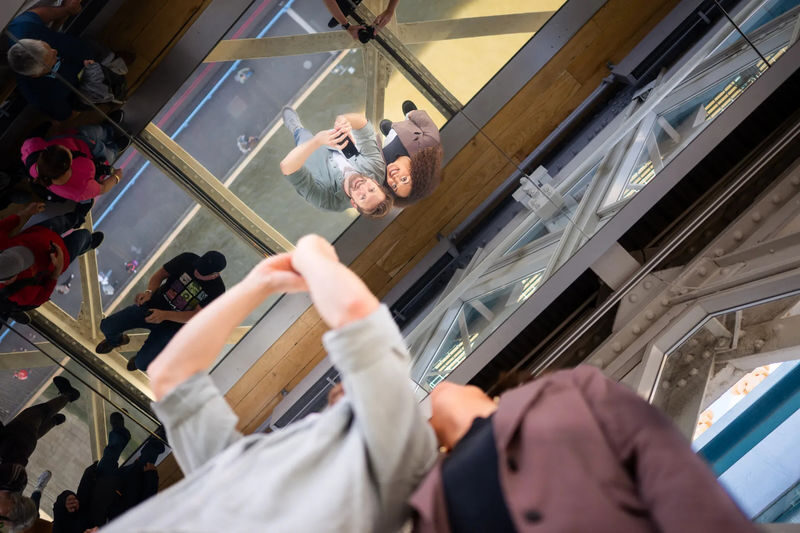
Book if you want to walk the high-level glass floor, see London from above the Thames and understand the bridge’s Victorian lifting machinery. At one to two hours, it is a practical landmark visit with more substance than a quick photo stop. Reserve in advance if you have a particular date in mind, and allow time for entry checks.
Skip the paid exhibition if your plan is simply to admire the bridge from the riverside or cross it on foot. The outside view is free, and the ticket’s value lies in the towers, walkways, displays and engine rooms. For a first-time London visit, I would make room for the exhibition if those details appeal to you.
“It was a new experience.”
Plan for one to two hours. Your time will depend on how long you spend at the glass floor, views, exhibits and engine rooms.
It includes one Tower Bridge ticket, with access to the exhibition areas, high-level walkways, glass floors and historic engine rooms.
The walkways are 43 meters above the river.
Tower Bridge is open daily from 09:30 to 18:00. Last admission is one hour before closing.
It is closed from 24 to 26 December and opens at 10:00 on 1 January.
The main entrance is in the North West Tower of the bridge, at Tower Bridge Road, London SE1 2UP.
London Bridge station, served by the Jubilee and Northern lines, is listed as the nearest Underground station.
No. Children aged 0 to 15 must be accompanied by a paying adult. Children aged 0 to 4 can enter free.
No. The voucher does not provide fast-track entry. Allow extra time for booking validation, security checks and access to the walkways.
You can receive a full refund if you cancel at least 48 hours before the activity date, using destination local time.