Physical Address
304 North Cardinal St.
Dorchester Center, MA 02124
Physical Address
304 North Cardinal St.
Dorchester Center, MA 02124

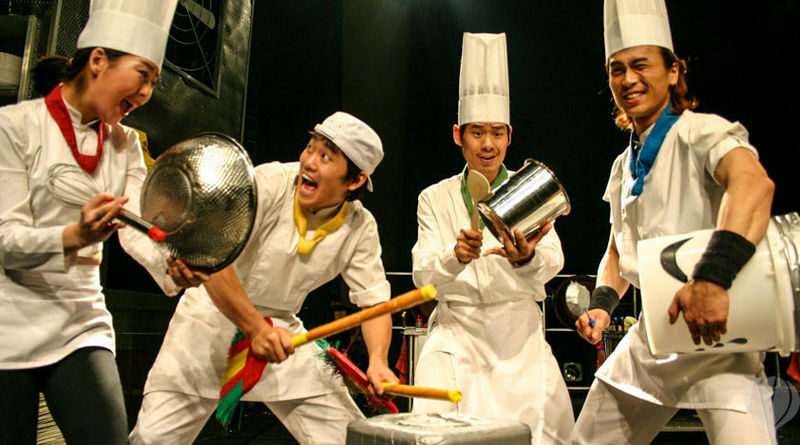
Jeju Nanta serves up 90 minutes of kitchen percussion, physical comedy and audience participation, with practical advice on seats and the remote theater.
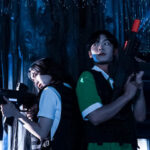
Nanta turns a kitchen into a percussion stage: four cooks rush through comic cooking mishaps while chopping, drumming and moving in tight, athletic rhythms. I like that the show needs little spoken language, and that audience participation can make the performance feel personal. One drawback is the theater’s location outside central Jeju, where arranging a ride home deserves attention.
The strongest reasons to go are the live rhythm made with kitchen tools and the easy-to-follow physical humor, which works for mixed-language groups. Just know that the 90-minute format leans on slapstick and repeated comic beats, so the style may feel long if that humor is not your thing.
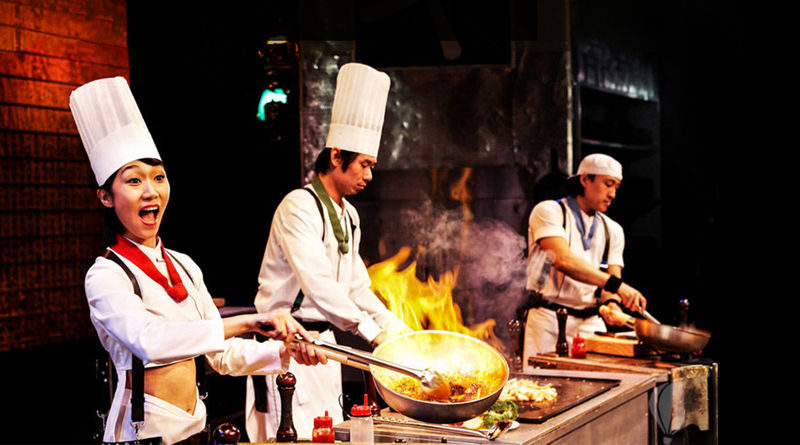
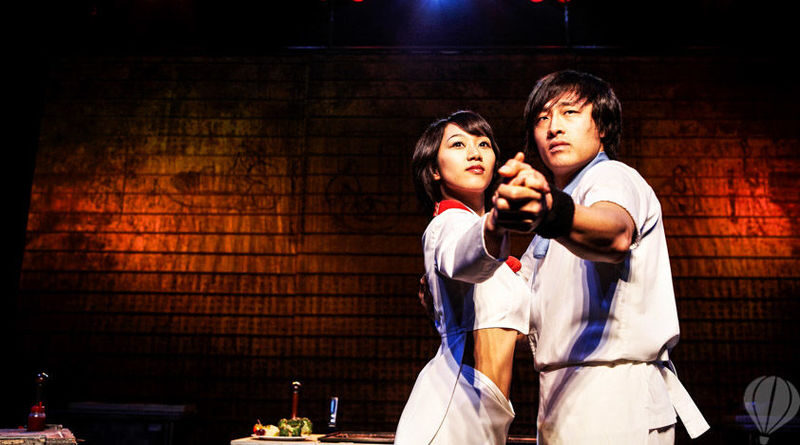
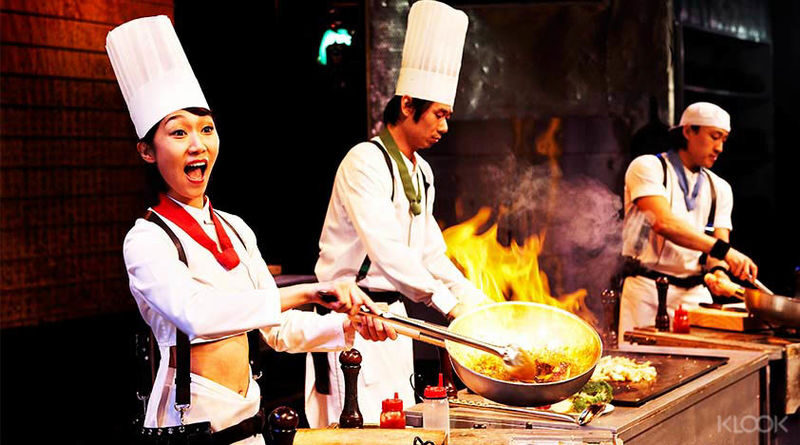
Nanta’s basic idea is easy to grasp: four cooks have to prepare food under pressure, and their kitchen quickly becomes a stage for noisy mishaps, physical comedy and astonishingly coordinated movement. Knives, chopping boards and other utensils provide much of the percussion. The result is less a cooking demonstration than a comic rhythm show with a kitchen as its set.
The performers mix acrobatics, martial arts, dance and mime with Korean folk rhythms and modern music. That blend gives the show its own pulse, but it does not require you to know Korean music or customs to follow what is happening. A gesture, an exaggerated expression or a perfectly timed clatter usually tells you what you need to know.
The plot is deliberately simple. Four cooks try to get through a demanding kitchen routine, and the pressure opens the door to escalating comic trouble. That structure is useful if you are watching with family or friends who speak different languages: the action is visual, and the jokes rarely depend on a long explanation.
Nanta is promoted as Korea’s longest-running show. Its longevity makes sense as a touring-style crowd-pleaser: the premise is quick to understand, the physical work is front and center, and the performers can build a room’s energy with sound and movement rather than dialogue.
You might also be interested in these Jeju experiences
The show’s most memorable element is the way ordinary kitchen gear becomes a percussion section. Chopping and banging are not background noise. They are part of the score, with the performers moving in rhythm and turning the kitchen routine into a kind of choreographed drumming.
The physical demands are real. Acrobatics and martial-arts-style moves add bursts of action between comic scenes, while the performers keep the kitchen business moving at speed. Good timing matters as much as athleticism: a pause, a glance or a carefully placed sound can be the joke.
That high-energy style is a strong fit if you want a lively evening after a day of sightseeing. You can settle in and enjoy the spectacle without keeping up with subtitles or a detailed story. It is also a practical choice for a group with different levels of Korean, since most of the communication comes through mime and body language.
There is a trade-off. Nanta’s central joke is a kitchen under pressure, so the show returns to familiar slapstick and percussion routines. Some people find the opening stretch more engaging than the later sections, when the comic pattern becomes clear. If you prefer a plot with layers or subtle humor, this may feel repetitive over 90 minutes. If you enjoy broad physical comedy, the repetition can instead feel like a familiar rhythm the performers keep building.
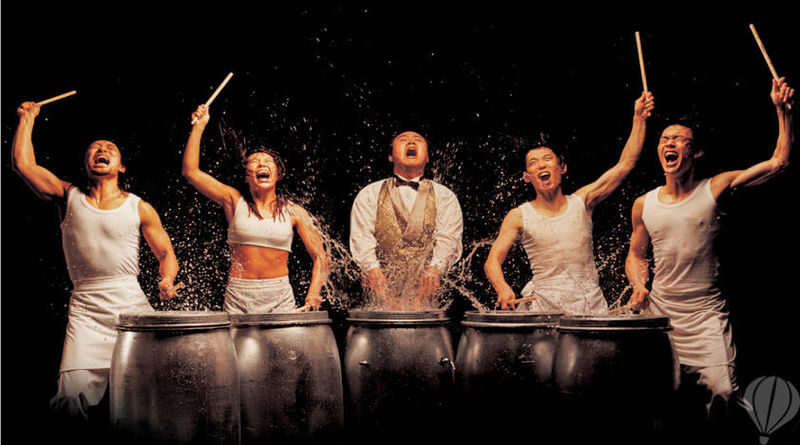
The cast sometimes brings people from the audience into the performance. Possible bits include acting as a bride or groom in a traditional wedding scene, or taking part in a dumpling-stacking contest. It gives the show a live, unplanned edge, and can turn a standard night out into a story you tell later.
Participation is a possibility, not a promise. Do not book on the assumption you will be chosen, and be ready for the chance that you might be. If you would rather watch without being called onstage, remember that audience interaction is part of the show’s appeal.
The participation also helps explain why families often find Nanta easy to share. Children do not need to understand Korean to follow the performers’ expressions and gestures, while adults can appreciate the timing and skill behind the comic scenes. The show is open to children aged one and up, though the broad, active comedy is likely to matter more than the minimum entry age when deciding if it suits your family.
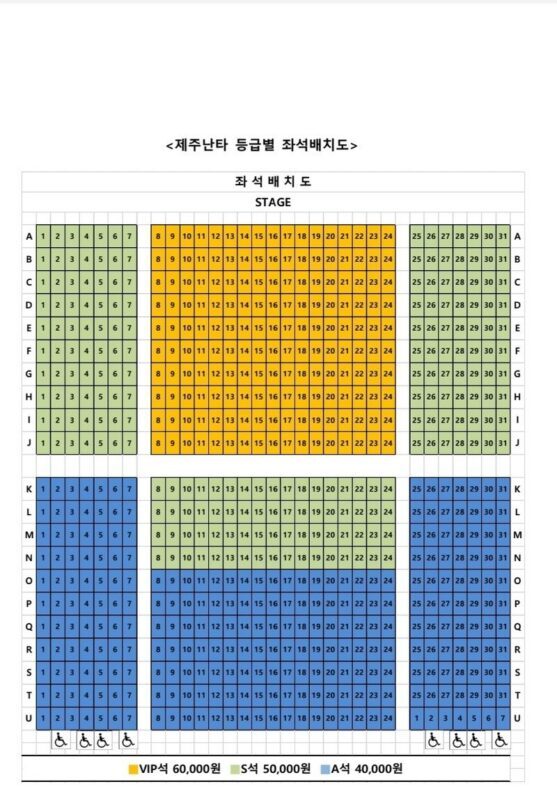
The three listed ticket types are A Seat, from US$27.75; Normal S Seat, from US$35.95; and Normal VIP Seat, from US$44.95. The ticket includes one seat for the Nanta show. Transport and personal expenses are not included.
You cannot select a specific seat when booking, and your voucher will show your seating arrangement. That matters most if you have a strong preference about distance from the stage. A few people have particularly enjoyed the closer views, but very front-row seats can feel too near to take in the whole stage at once. In other words, VIP does not automatically mean the ideal row for every viewer.
The theater is described as larger than the Seoul venue, and the Jeju stage gives the performance room for its physical action. At the same time, one visitor felt the hall was compact enough that a non-VIP seat still worked well. If the difference in price matters to you, the A Seat is the lowest-cost way to see the same show; consider paying more if a closer view is important, while keeping in mind that you cannot choose the exact spot.
The lower price is most persuasive if you want an entertaining evening that does not depend on language or a complicated itinerary. At US$27.75, an A Seat costs less than the S and VIP options, and the 90-minute performance gives you a distinct indoor activity to pair with Jeju’s outdoor sightseeing. The higher ticket tiers may be worthwhile for people who value proximity, but there is no guarantee of a particular row or audience interaction.
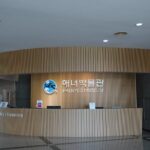
The theater is at 56-26 Seondolmokdong-gil, Ara-dong, Jeju, Jeju-do, near Hotel Nanta. Buses 441-1 and 441-2 serve the area; get off at Jeju Starlight World Park (제주별빛누리공원). Check your route and return plan before setting out, since the location is away from central Jeju.
Transport is not included in the ticket. That may sound obvious, but it is the practical detail most likely to shape your evening. Taxi availability after the show can be limited, and waiting for a car or trying to hail one on the spot may be stressful. If you plan to take a taxi, arrange the return in advance rather than assuming you can find one outside.
A bus is another option, but the available information gives the route to the theater, not a return timetable. Check current service times for your date and do not rely on a bus home without confirming that it runs after the performance. One visitor reported using a paid shuttle back toward Jeju City, but that does not establish a regular service or schedule, so verify it directly before counting on it.
If you are driving, allow time to park. Parking space has been described as limited, so arriving early is sensible. The show is tied to a particular date and time, and late arrival can add stress to an outing that should be easygoing.
You might also be interested in these Jeju experiences
Your voucher is a mobile voucher, but you need to exchange it for a physical ticket at the box office. Seating is assigned, and you cannot choose a specific seat yourself; check the voucher for the arrangement. Confirmation should arrive within 24 hours of booking. If it does not, contact customer support.
Once inside, expect a stage kitchen, a group of cooks and a performance built around music, movement and comic mishaps. The story follows the team through their pressured cooking routine, with the sound of utensils keeping time. The show runs about 90 minutes, so set aside more than just the performance time for getting to the theater, collecting your ticket and arranging your trip back.
The language barrier is small, but the comedy is broad rather than quiet or subtle. Korean folk-song rhythms are mixed with modern music, and performers use mime to make the action clear. That makes Nanta a useful pick when you want something distinctly theatrical without having to follow spoken dialogue.
Nanta suits families, mixed-language groups and anyone looking for an energetic break from sightseeing. The humor is visual, the rhythm is easy to feel, and the audience interaction gives the performance a live quality. Children and adults can follow the same basic action, even if they notice different details.
It is also a good choice when your day has been full of driving or outdoor stops and you want an evening activity that asks little of you. You can sit back and follow the physical comedy rather than study a program or keep track of complex plot turns.
It is less ideal if you dislike slapstick, want an intricate story, or have already seen the show and are hoping for a radically different version. The core kitchen premise and comic routines are consistent, and the 90-minute length gives those bits time to repeat. The theatrical skills can still impress, but the format is not built around surprise at every turn.
Book Nanta if you want a lively, language-friendly show with athletic performers, kitchen percussion and the chance of a playful audience moment. It is a particularly sensible choice for families and groups who want a shared activity without needing to understand Korean.
Choose the A Seat if you want the lowest ticket price and are comfortable with an assigned seat. Consider S or VIP if sitting closer matters to you, but remember that you cannot request a particular row. Most important, sort out your transport before you go. The show is easy to enjoy; getting back from the theater is the part that benefits most from a little planning.
“It felt like watching a somewhat dated comedy sketch. The performers' skills are wonderful. The venue is up in the mountains and far from town, so …”
The performance lasts about 90 minutes.
No. It is a non-verbal performance that uses mime, expressions and physical comedy, so you can follow the action without understanding Korean.
The listed ticket includes one A Seat, S Seat or VIP Seat Nanta Show ticket, depending on the package you choose. Transport and personal expenses are not included.
Prices start at US$27.75 for an A Seat, US$35.95 for a Normal S Seat and US$44.95 for a Normal VIP Seat.
No. You cannot select a specific seat when booking. Check your voucher for your seating arrangement.
The theater is at 56-26 Seondolmokdong-gil, Ara-dong, Jeju, Jeju-do, near Hotel Nanta.
Take bus 441-1 or 441-2 and get off at Jeju Starlight World Park (제주별빛누리공원).
Children aged one and up can enter. The non-verbal comedy makes the action understandable without Korean.
Present your mobile voucher at the theater and exchange it for a physical ticket.
A full refund is available if you cancel at least 24 hours before the activity date, using destination local time.