Physical Address
304 North Cardinal St.
Dorchester Center, MA 02124
Physical Address
304 North Cardinal St.
Dorchester Center, MA 02124

Explore Gyokusendo Cave, Ryukyu crafts and Okinawan culture at Okinawa World in Nanjo, with optional workshops and a Habu Museum Park ticket.
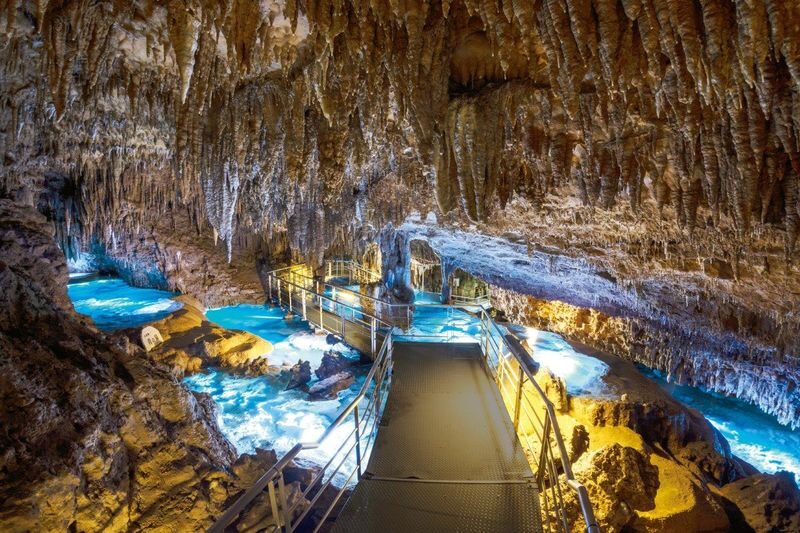
Gyokusendo Cave is the main event: a long limestone cavern lined with stalactites and lit to bring out their shapes. Above ground, Okinawa World brings together Ryukyu history, traditional crafts, performances and a tropical fruit garden, making this more than a cave visit.
I like two things here. The cave gives you a striking natural spectacle, while the village lets you get hands-on with Okinawan craft traditions, from weaving to painting a small lion statue. I also like that you can choose a ticket with a workshop or one that adds the Habu Museum Park.
One thing to plan for: the cave route is damp, and parts of the floor can be slippery. It can also be awkward with a stroller, and the bus ride from Naha takes a bit of planning.
Okinawa World, also known as Gyokusendo Kingdom Village, sits in Nanjo in southern Okinawa. Its best-known feature is Gyokusendo Cave, a natural monument and one of Japan’s largest limestone caves. Formed over 300,000 years, it rewards a slow walk: take time to look up at the stalactites and notice how the lighting shapes the underground formations.
The cave route is a highlight for many people, and it’s easy to see why. You get to observe the formations at close range rather than from a distant viewing platform. The scale and detail are the point, so this is a better fit if you enjoy natural sights and don’t mind walking through a dim, enclosed space.
The conditions matter. The cave is humid, water may drip from overhead, and the floor can be slippery. Wear shoes with a secure grip, and take your time, especially if you’re walking with children or older family members. One visitor found the cave dark, damp and eerie rather than beautiful, so don’t expect a bright, dry stroll.
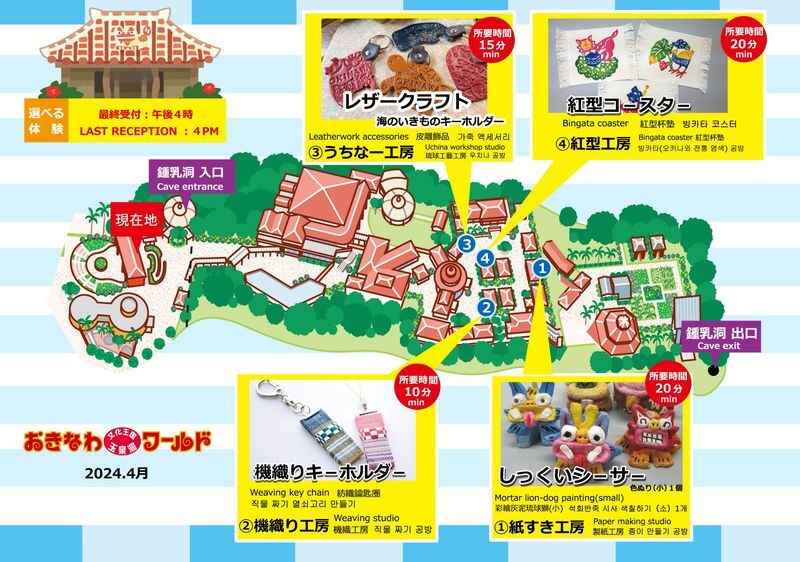
Okinawa World’s cave route leads into the wider park. That makes the cave a natural starting point: once you emerge, you can continue through the village and other areas before reaching the park exit. Give yourself enough time for the places you want to see afterward, rather than treating the cave as the entire visit.
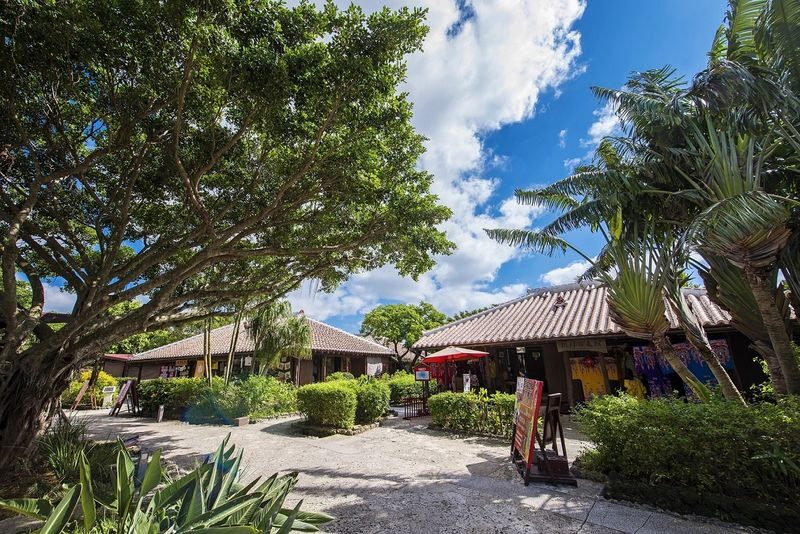
Above ground, the Kingdom Village shifts the focus from geology to Okinawa’s Ryukyu heritage. You can see traditional crafts and displays, and the Kingdom History Museum adds context about the region’s past. The village is laid out as part of a larger attraction, so you can move from the cave into cultural exhibits without needing to travel elsewhere.
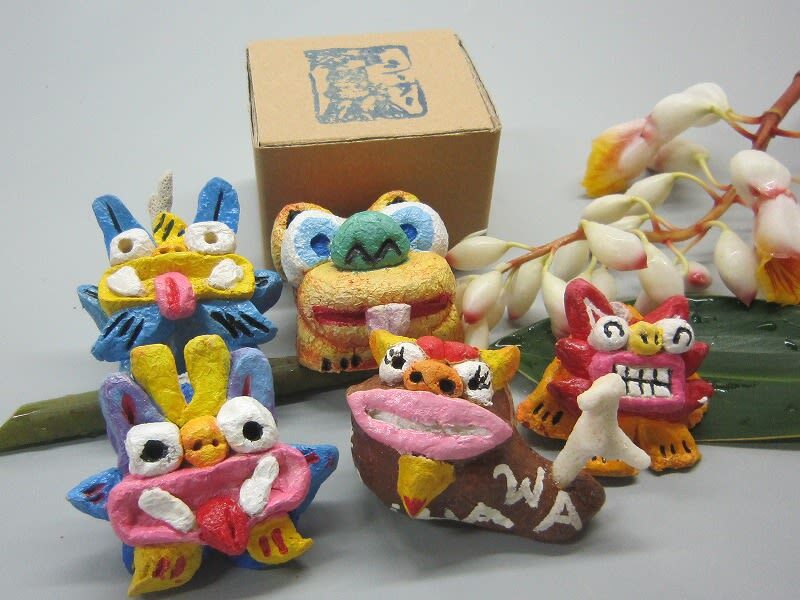
The craft options are a useful reason to choose the ticket that includes one handicraft experience. Activities described include making Buku-buku tea, painting a lion statue, leatherwork and weaving a coaster. The exact choice and availability may vary, so check the activity details when booking and confirm your selection on arrival.
The value of a workshop is not just the finished item. It gives you a small, active way to connect with local craft traditions, and you can take your creation home. If you’re mainly interested in looking around, the standard combo ticket may be enough. If you’d enjoy making something, compare the handicraft package carefully, because workshop activities are not included in the combo ticket with Habu Museum Park.
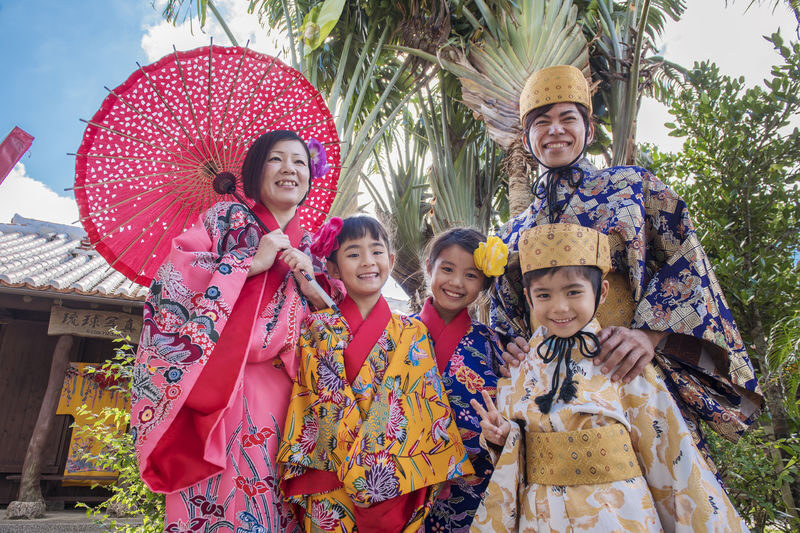
You can also dress in traditional Ryukyu clothing. Professional photography and printed photos cost extra, so account for that if you want a keepsake portrait. If you would rather keep the visit simple, you can enjoy the village without adding the costume photo service.
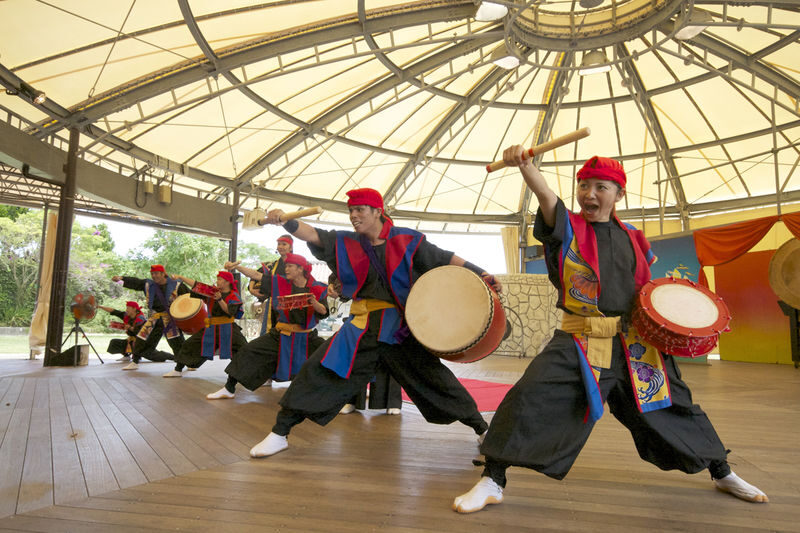
Okinawa World has performances that bring music and movement into the visit. Taiko drumming is a particular draw, and visitors describe catching a show after coming out of the cave. Performances can attract a crowd, so you may need to stand, and your view could be limited if you arrive late.
I’d treat a show as a welcome pause rather than build the whole visit around a specific performance time unless you have checked the current schedule. There are several areas to explore, and a little flexibility helps if you find a craft activity or exhibit worth lingering over. The music and dance offer a taste of performance traditions that can make the cultural side of the park feel more immediate.
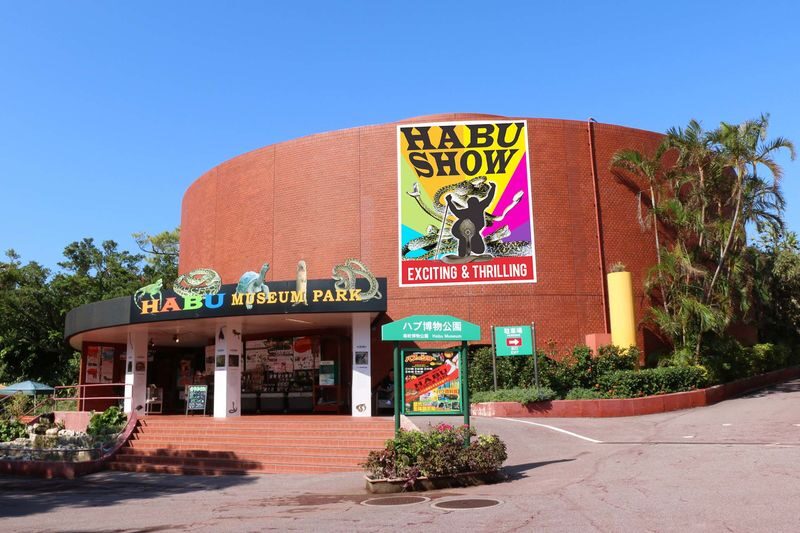
The combo ticket includes Habu Museum Park, whose exhibits focus on snakes and reptiles. The park presents venomous snakes, live snakes and other reptile displays, and may feature a snake and mongoose show. For anyone curious about Okinawa’s wildlife, this is a very different stop from the cave and village.
This section will not suit everyone. If you’re uneasy around snakes, you can skip it and focus on the cave and cultural areas instead. One visitor chose not to enter because of a fear of snakes; another was unsure about animal conditions. If animal welfare is a deciding factor for you, consider that concern before buying the combo ticket, and check current information directly with the attraction.
The museum is a distinct part of the experience, not a small add-on to the cave. Choose the combo if the exhibits interest you or if you want to see the full range of the park. If you mainly want the cave and a hands-on cultural activity, the workshop package may make more sense.
A reasonable plan is about two to three hours, with extra time if you want to join a workshop, watch a performance, browse the gardens or stop for food. Some people move through the park quickly, while others find enough to fill a longer visit. The difference often comes down to whether you take part in activities rather than simply walking through the main sights.
The cave comes first on the route, and its exit leads into other parts of the park. Keep that layout in mind when deciding when to arrive. Okinawa World is open daily from 9:00 a.m. to 5:30 p.m., with last admission at 4:00 p.m. Arriving late may leave too little time for the village or a workshop after the cave.
There are food options and souvenirs in the park, as well as a tropical fruit garden and Nanto Brewery. Treat shopping as optional rather than assuming park prices will match those outside. If you plan to buy fruit or packaged sweets, compare prices and check what you’re getting; some products may be priced higher than similar items elsewhere.
Okinawa World is at Maekawa-1336 Tamagusuku, Nanjo, Okinawa 901-0616. From Naha Bus Terminal, next to Asahibashi Station on the Yui Rail, take bus 54 on the Maekawa Line or bus 83 on the Gyokusendo Line. Get off at Gyokusendo-mae.
The bus is a practical option if you’re not driving, but check departure times and plan your return before setting out. The attraction is outside central Naha, and the bus schedule can shape how long you have at the park. If you’re travelling with children or want to stay for a performance, leave enough flexibility for the trip back.
Admission does not include transportation or personal expenses. The advertised starting price is from $12, but the total depends on the ticket option and current pricing. Compare the two packages rather than choosing by headline price alone: one adds a handicraft activity, while the other includes Habu Museum Park.
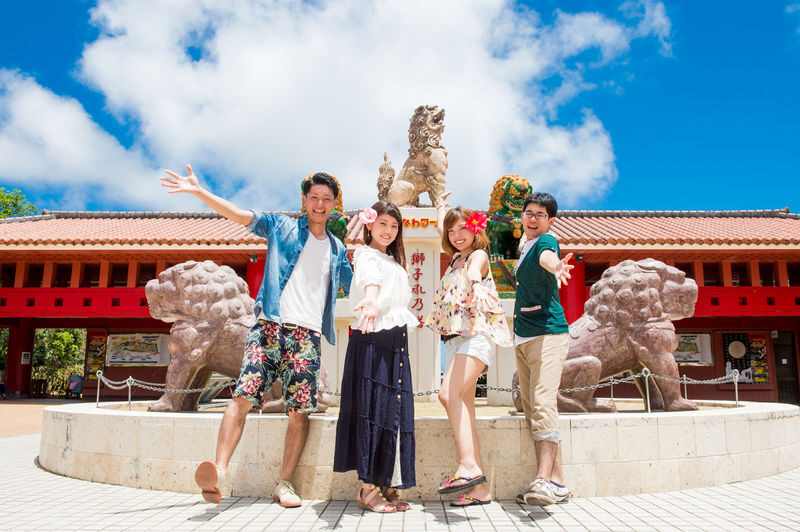
The value depends on what you want from the day. If you’re keen to see Gyokusendo Cave and try a craft activity, the cave-and-village ticket with one handicraft experience bundles two different kinds of visit. If snakes and reptiles interest you, the combo adds Habu Museum Park. Workshops are separate from that combo, so don’t assume you’ll get both the animal exhibits and a craft session in one ticket.
Booking ahead can save you time at the entrance and may cost less than buying at the counter. Have your mobile voucher ready, and follow its instructions: some ticket arrangements require you to exchange the voucher at a counter before entering. Children aged 0 to 3 can join free of charge.
The full value comes from giving yourself time to enjoy more than the cave. If you enter late, skip the village and miss a performance or workshop, you may find the park less engaging. If you like natural sights and want a window into Ryukyu culture, the combination is more compelling.
I’d put Okinawa World on the list for a first Okinawa visit if you want one stop that combines a major natural attraction with local history and craft experiences. Families can find plenty to look at, though small children may need close supervision in the cave, and the route can be hard to manage with a stroller. A child carrier may be more practical, but consider your own needs and the cave conditions.
It also suits anyone who enjoys caves, hands-on activities or traditional performances. You can make the day your own: focus on the underground formations, spend time in the village, or add the Habu exhibits if you’re comfortable around snakes. The weaker fit is someone expecting a tightly guided tour or a quiet, compact museum visit. This is a sizable park with several different attractions, and how much you enjoy it depends on which parts interest you.
Book it if you want to pair Gyokusendo Cave with Okinawan cultural exhibits, and you’ll make time for at least one activity beyond the cave. Pick the workshop ticket for a hands-on visit, or the combo if Habu Museum Park is a priority. If you’re short on time, uneasy in caves or not interested in the other attractions, keep your plans simpler.
“The exchange is very convenient, no need to queue up to buy tickets. In addition to Yuquan Cave, I just caught up with the Taiko performance when I…”
The experience is advertised from $12. The price depends on the ticket option and may change, so check the selected package before booking.
The combo ticket includes admission to Gyokusendo Cave, Okinawa World and Habu Museum Park. It does not include workshop activities.
One ticket option includes a handicraft experience alongside admission to Gyokusendo Cave and Kingdom Village. Workshop activities are not included in the Habu Museum Park combo ticket.
About two to three hours is a useful guide. Allow more time if you want to join a workshop, watch a performance or visit additional areas.
Okinawa World is open every day from 9:00 a.m. to 5:30 p.m. Last admission is at 4:00 p.m.
From Naha Bus Terminal, near Asahibashi Station on the Yui Rail, take bus 54 on the Maekawa Line or bus 83 on the Gyokusendo Line. Get off at Gyokusendo-mae.
Yes. Children aged 0 to 3 can join free of charge.
The cave can be damp, and water may drip from above. The floor can be slippery, and the route may be awkward with a stroller, so take care and plan accordingly.