Physical Address
304 North Cardinal St.
Dorchester Center, MA 02124
Physical Address
304 North Cardinal St.
Dorchester Center, MA 02124

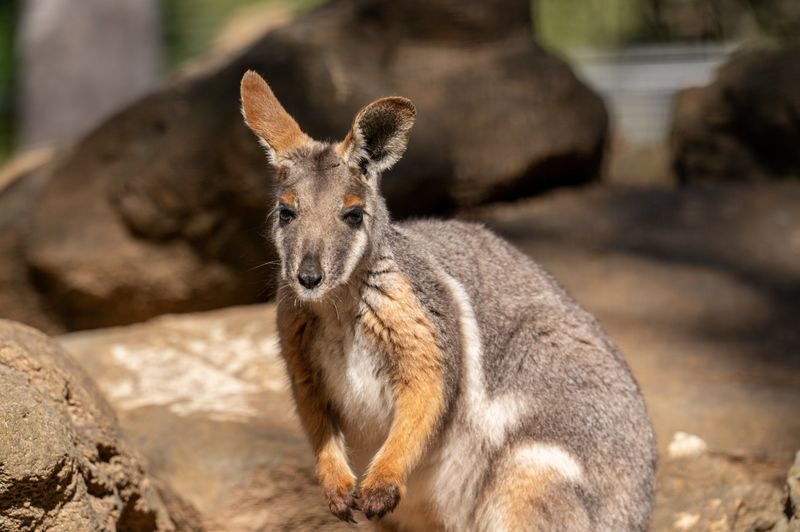
Meet koalas, kangaroos, quokkas and more at Featherdale, a hands-on wildlife park near Sydney with keeper talks and easy bus access.
Featherdale is a good place to meet Australian animals at close range, without having to cover the huge grounds of a major city zoo. You can feed kangaroos and wallabies, see koalas and quokkas, and catch keeper talks in a compact park near Blacktown.
I like the hands-on encounters, especially the chance to feed wallabies and kangaroos, and the mix of familiar icons with less common animals such as echidnas and tree kangaroos. The park’s manageable size also makes it practical for families and anyone fitting a wildlife visit into a busy Sydney itinerary.
The main trade-off is the location: Featherdale is in Doonside, not central Sydney, so you’ll need to allow time for the train and bus or drive. It’s also smaller than Taronga Zoo, and some encounters, including koala photos, may cost extra.
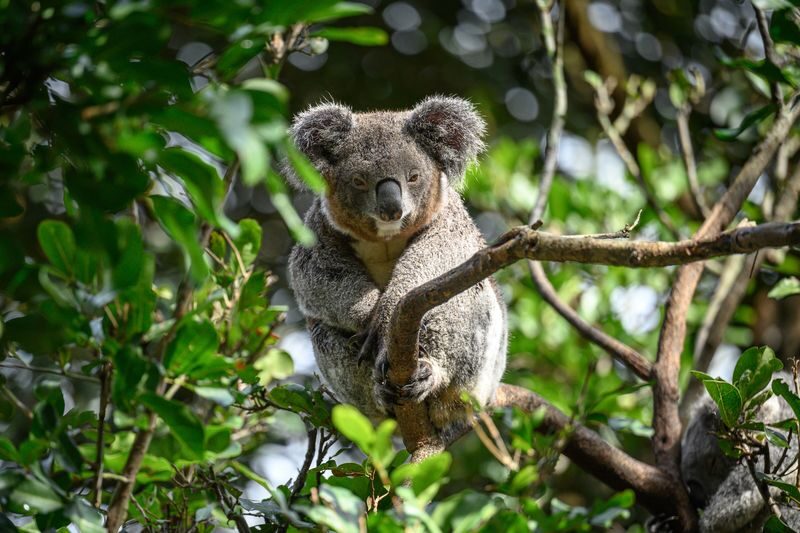
Featherdale’s biggest strength is its concentration of native wildlife. More than 2,000 animals across 260 species make this a focused introduction to Australian fauna, rather than a general zoo with a few local animals added in. If your Sydney trip is your first visit to Australia, the collection gives you a chance to see many of the country’s best-known species in one place.
The park also houses more than 50 endangered or critically endangered species. That adds a conservation dimension to the visit, though the most immediate appeal is seeing the animals at close range. You can take your time with the enclosures, watch for movement, and use the talks to learn more about some of the animals and their care.
Featherdale is relatively compact. That works well if you have children, limited time, or don’t fancy spending the day walking long distances. It does mean the park feels smaller than Taronga Zoo, so don’t plan on a full-day outing based on the grounds alone. The average stay is around two hours, but you can linger until closing if the animal schedule, café stop and your own pace call for it.
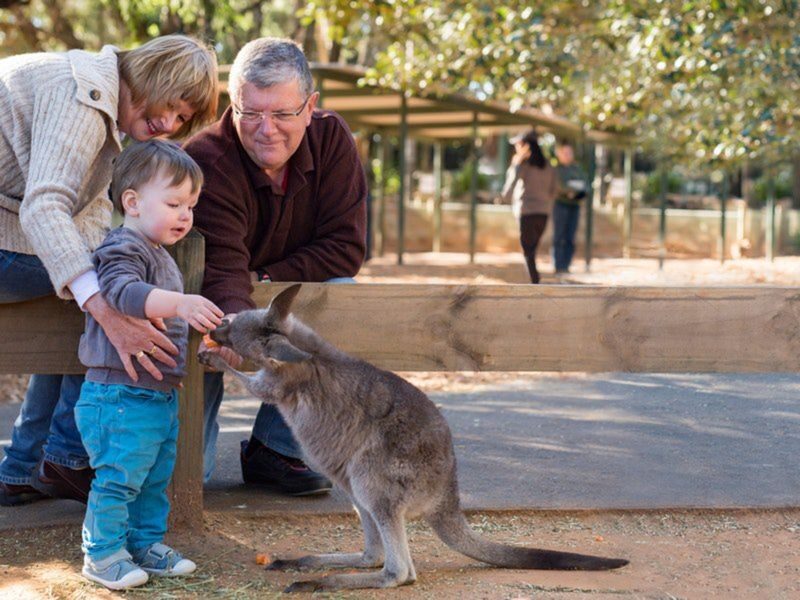
For many people, the most memorable part of Featherdale is getting close to kangaroos and wallabies. You can hand-feed them, turning a visit from a walk past enclosures into a more direct encounter. Food is not included with admission, so bring a little extra money if feeding is part of your plan.
Don’t spend all your feed at the first animals you meet. Kangaroos and wallabies farther along may be keen for a snack, and it’s worth saving some for them. Keep an eye on your food, too: birds such as ibis may try to help themselves. Use both hands on the cup if you’re holding one.
The animals are a big draw for children, but the close encounters aren’t just for little ones. You can also enjoy them at a relaxed pace, watching how the animals move and interact rather than rushing from one enclosure to the next. Follow staff instructions and give the animals room.
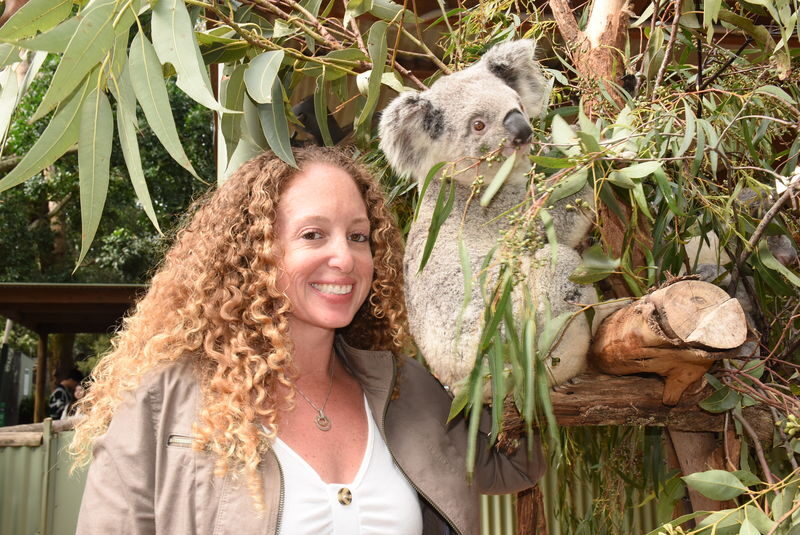
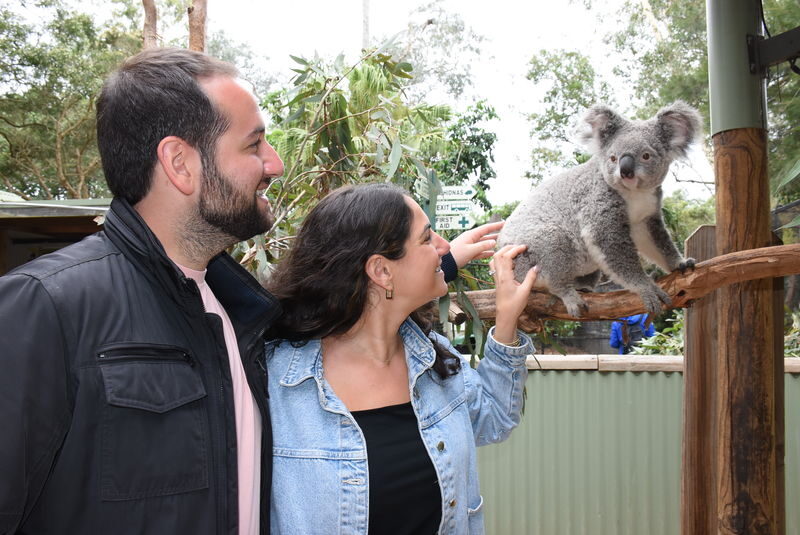
Koalas are another major reason to visit. Featherdale has a koala sanctuary area and photo spot, and paid koala photo experiences are available. The close-up opportunity is a notable extra, but it isn’t part of the basic admission ticket, so check the current cost and arrangements before you go if a photo matters to you.
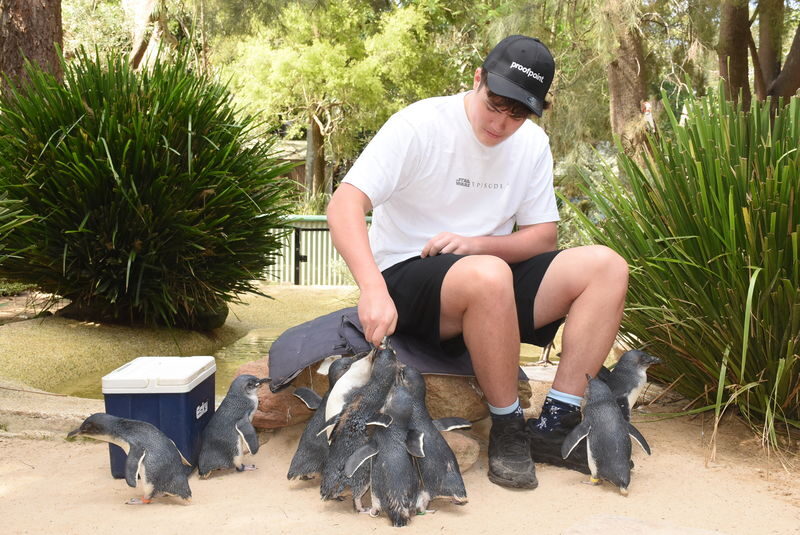
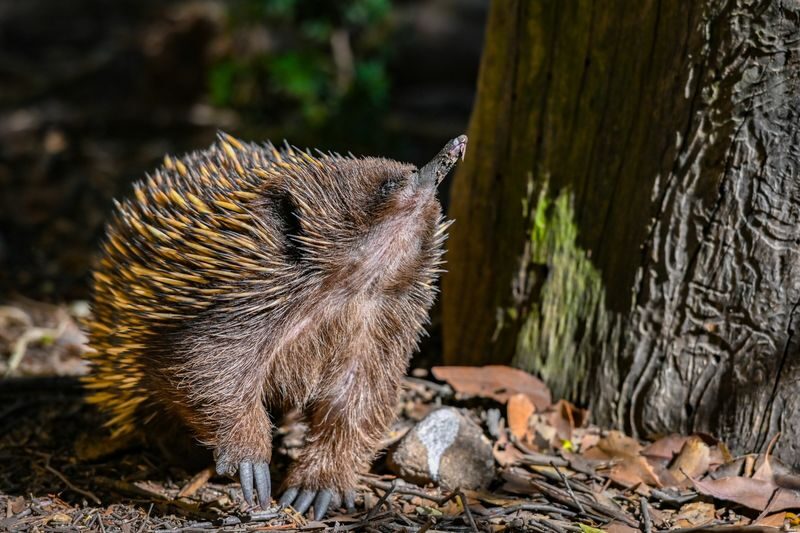
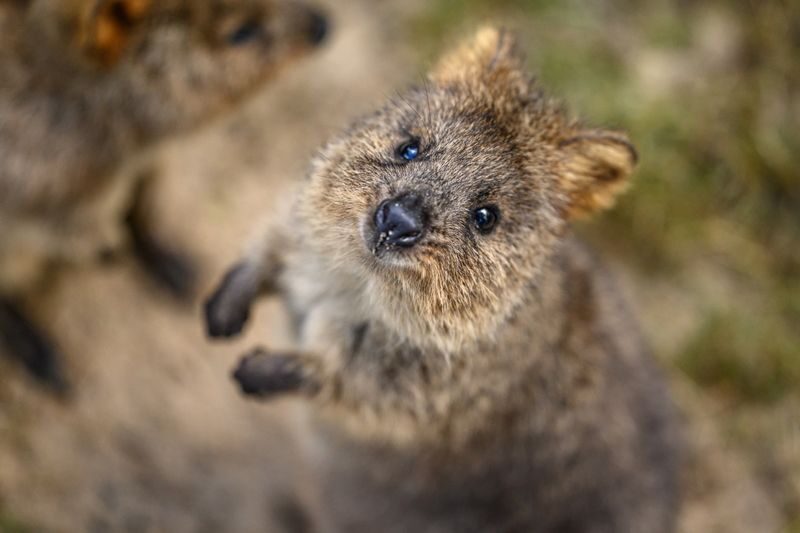
The park also has quokkas, wombats and penguins, along with a wide range of birds from Australia and elsewhere. That variety helps keep the visit interesting after you’ve seen the headline animals. Look out for the less familiar residents, too. The schedule includes an echidna keeper talk and a tree kangaroo talk, which can add context to animals you may not know much about.
Featherdale’s layout keeps many animals within a relatively short walk, though it can feel a little confusing to find your way around at first. Pick up a map or check the park’s signs and program as you enter. With a few talks and encounters at set times, having a rough plan helps you avoid doubling back.
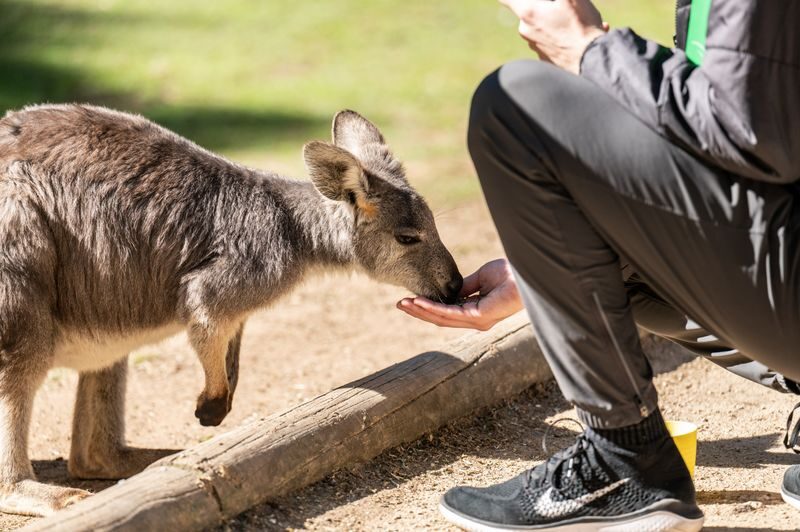
Free animal presentations are included in admission. The listed program features hand-feeding wallabies and kangaroos at 8:00 am, a koala sanctuary and photo spot at 8:30 am, and a penguin encounter at 10:00 am and 3:30 pm. Other listed activities include a quokka selfie encounter at 11:30 am, an echidna keeper talk at 10:30 am and 3:00 pm, and a pelican keeper talk at 11:00 am.
A lorikeet walk-in and koala kindy encounter are also listed for 10:30 am. The tree kangaroo keeper talk is scheduled for 1:00 pm, while the young crocodile activity is listed on Saturdays and Sundays at 12:30 pm. Times and activities can change, so check the latest park program rather than treating these as guaranteed showtimes.
If you want to see as much as possible, a morning visit is a sensible choice. Animals tend to be more active in the early hours, and an early start gives you more room to work around the presentations. If you arrive after lunch, aim to get there by 3:30 pm, as the later part of the day leaves less time to see the animals and catch the remaining activities.
Featherdale is at 217 Kildare Road in Doonside, near Blacktown. By public transport, take a train to Blacktown Station, then go to bus stand E and board route 729. The bus ride to the park takes about ten minutes and drops you near the entrance. From central Sydney, the train journey adds time, so allow for the full trip rather than counting only the short bus leg.
Driving is another option. The route provided is to take the Reservoir Road exit and head northwest towards Blacktown for about three kilometres, then turn onto Bungaribee Road, Lancaster Street and Kildare Road. There are two car parks, the main lot and an overflow lot across the street, and both are free.
You can also take a rideshare to the park or back to the station. However you travel, check your route before setting out. The location is easy enough to reach, but it isn’t a quick walk from a central Sydney hotel.
General admission includes one Featherdale ticket and free animal presentations. The ticket does not cover meals, drinks, koala photos, animal food, parking or other personal expenses. Add-ons can make a family visit cost more than the entry price suggests, so decide in advance which encounters matter most.
The ticket price starts at $18.95, but rates and discounts may change. Buying ahead can be good value if the price is lower than the current gate rate, and mobile vouchers are accepted. Have your voucher ready at the entrance; the redemption process may involve scanning it or exchanging it for a physical ticket.
One important booking detail: the ticket is non-refundable, and cancellations aren’t allowed. If your plans are uncertain, check the terms and visit details before paying. The voucher is stated to be valid until December 31, 2030, but that doesn’t replace checking the park’s current opening hours or closure information.

Featherdale’s café gives you a place to stop for a meal, snack or drink among the gum trees. Food and beverages aren’t included in the ticket, so budget separately. A break is useful if you’re visiting with children, or if you plan to stay longer than the typical two hours.
The park is open every day except Christmas Day. The supplied hours differ: one section lists 8:00 am to 5:00 pm, while another gives 8:00 am to 7:00 pm. Hours can change, so confirm the current closing time before you travel and plan your arrival accordingly.
Children aged 0 to 2 enter free, while child tickets cover ages 3 to 15. Anyone aged 0 to 15 must be accompanied by a paying adult. Smoking and drinking are not allowed in the park.
Featherdale is a strong choice if your priority is Australian wildlife and close encounters, especially feeding kangaroos and wallabies or seeing koalas up close. It also suits families who want a manageable outing rather than a full day at a sprawling zoo. The mix of animals and keeper talks gives you plenty to do in a visit of around two hours.
It may be less appealing if you have very little time in Sydney, want a large zoo with broad grounds, or prefer not to travel out to Doonside. Taronga Zoo and other Sydney animal attractions are alternatives, but Featherdale’s focus on native species and hands-on opportunities are its particular strengths.
I’d book it if you want an easy, focused introduction to Australian animals and can spare the travel time. Go early, check the day’s program, save some feed for the wallabies farther along, and treat koala photos as an optional extra rather than part of the ticket.
“Take the T1 train line from North Sydney Station for about an hour to Blacktown, then transfer to bus route 729. It drops you off right outside the…”
The average visit is around two hours. You can stay in the park until it closes.
It is at 217 Kildare Road, Doonside, NSW 2767, near Blacktown.
Take a train to Blacktown Station, then board bus route 729 from stand E. The bus takes about ten minutes and stops near the park entrance.
Yes. There are two free parking areas, a main lot and an overflow lot across the street.
The park has more than 2,000 animals across 260 species. These include kangaroos, wallabies, koalas, quokkas, wombats, penguins and many birds.
Yes. Hand-feeding is available, but animal food is not included in the admission ticket.
No. Koala photo experiences are an extra, not part of general admission.
Yes. Free animal presentations are included. Check the current program for times and activities.
The park is open every day except Christmas Day. Opening hours may change, so check the latest information before visiting.
No. Cancellations and refunds are not allowed.