Physical Address
304 North Cardinal St.
Dorchester Center, MA 02124
Physical Address
304 North Cardinal St.
Dorchester Center, MA 02124

Visit Nara’s deer, Todaiji, Uji’s matcha quarter and Fushimi Inari in one day, with round-trip transport and an English or Chinese guide.
Nara’s free-roaming deer, the towering Great Buddha at Todaiji, Uji’s matcha shops and Fushimi Inari’s red torii gates make for a full day of classic Kansai sights. This tour links them by road, so you can cover a lot without piecing together train connections between each stop.
I like the contrast between the stops: a lively, up-close encounter with deer in Nara, then a quieter riverside pause in Uji. I also like that guides such as Sarah, Charles and Tina have been praised for clear explanations, practical help and friendly care, which can make a packed day easier to follow.
The trade-off is pace. You get just 45 minutes at Nara Park and 30 minutes at Todaiji, and temple admission is extra. If you want to linger, shop at length or walk far up the Fushimi Inari trail, this itinerary may feel rushed.
This is a day for seeing a lot, not for lingering. The tour runs about nine hours, with departure options listed at 8:00 and 9:00. Stops are self-guided, while an English- or Chinese-speaking guide manages the day and provides context and instructions. You travel by vehicle between Nara, Uji and Fushimi Inari, with a return to Kyoto Station around 17:00 to 18:00 or Osaka Kintetsu Nippombashi Station around 18:00 to 19:00.
The route brings together places with very different moods: deer-filled parkland, a major Buddhist temple, a historic tea town and a mountain shrine known for its red gates. That variety is the appeal. You can get a first impression of several destinations in one day, then decide which one deserves a longer visit next time.
The cost starts at $46.65. For that price, the main value is transport and the convenience of a coordinated route, rather than included access to every sight. You still need to pay for admission at Todaiji and Byodo-in, as well as your food and drinks. Check the current price and departure details when booking, since the starting price may vary.
For more Nara culinary adventures, you might enjoy these food and drink experiences
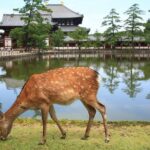
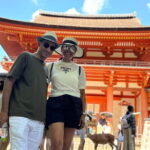
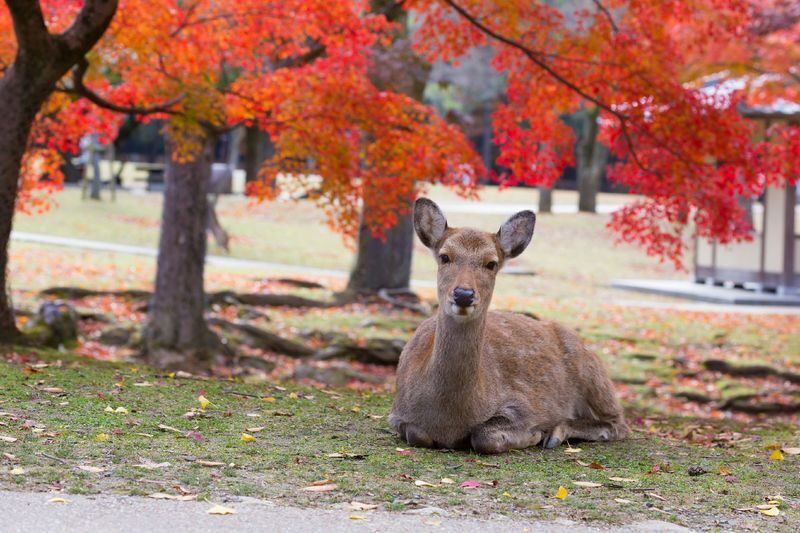
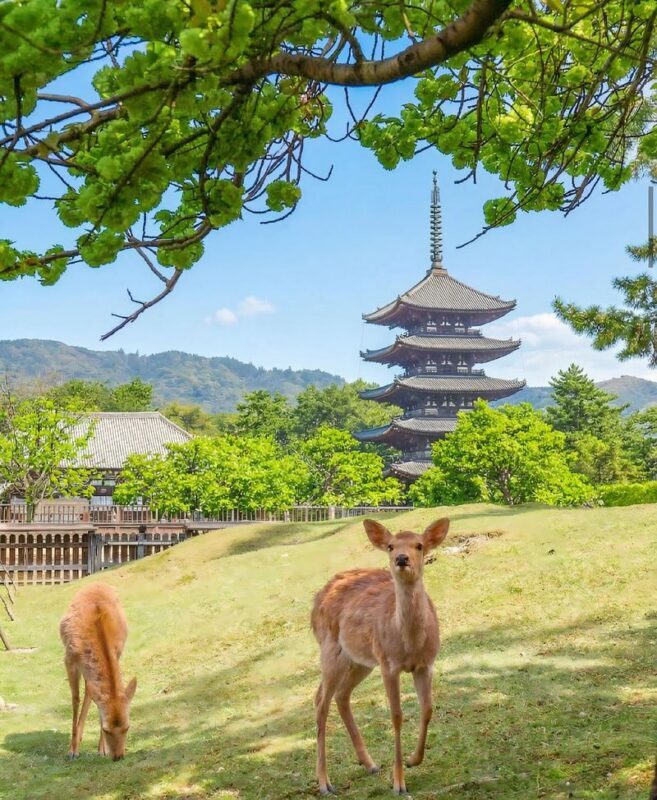
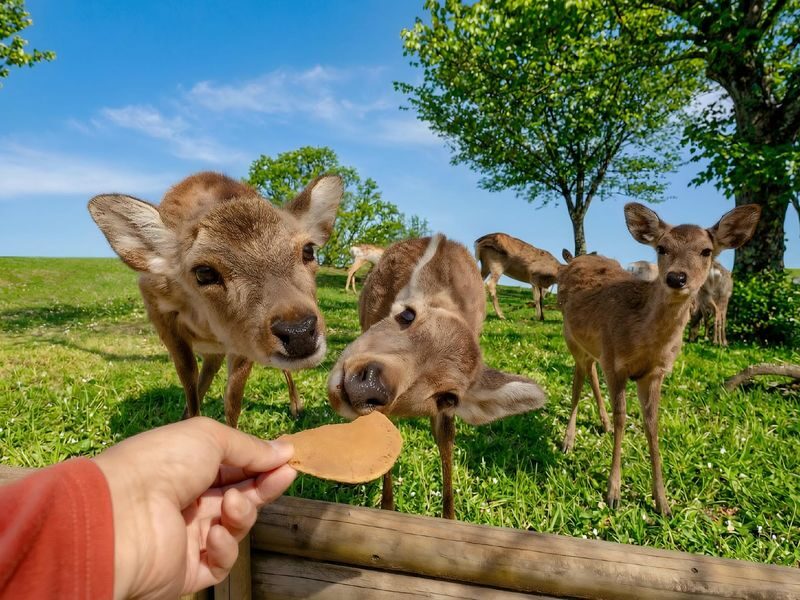
Nara Park is a memorable place to start. Deer wander through the park and around its historic sites, and you’ll have time to watch them, take photos and feed them. Their familiarity with people makes close encounters easy, but remember they are wild animals. Keep your belongings secure and follow the guide’s instructions.
The scheduled 45 minutes is enough for a quick visit and a few photos, but not a slow circuit of the park. If meeting the deer is a priority, keep your first moments focused. It’s easy to lose track of time as you stop for pictures or move through the crowds.
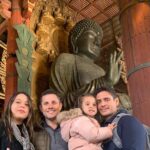
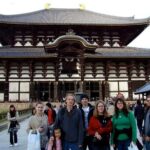
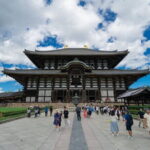
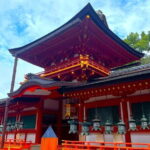
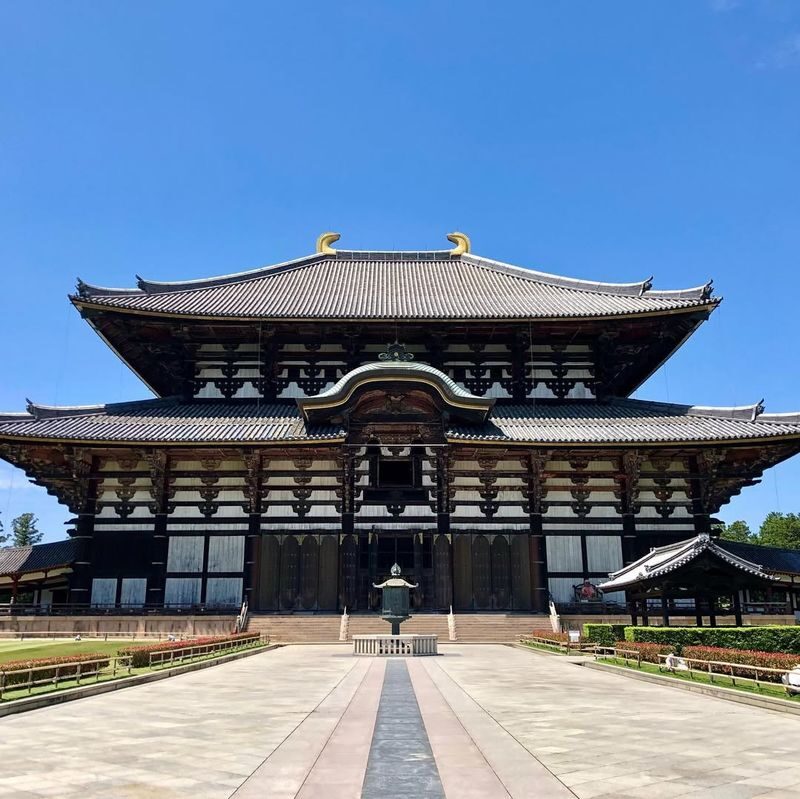
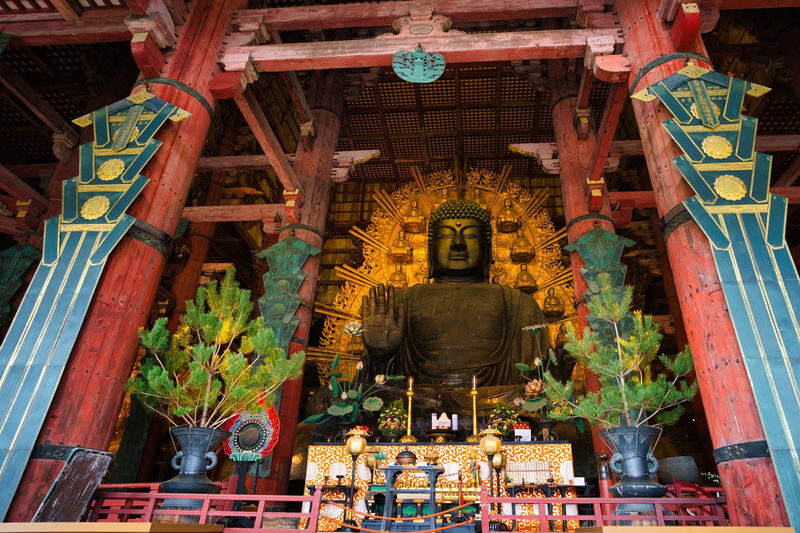
Nearby Todaiji is one of Nara’s essential sights, but the temple visit is even shorter: 30 minutes. The Great Buddha Hall houses the large bronze Vairocana Buddha, while the temple complex gives a sense of the scale and craft behind this major Buddhist site. The Great Buddha Hall is described as Japan’s largest surviving wooden building.
Your admission is not included, so factor that into your budget and your time. Nara Park itself is a broad area, and the walk between the deer, temple and meeting point can eat into a short stop. If you’re traveling with children or anyone who walks slowly, stay aware of the departure time rather than trying to see every corner.
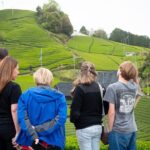
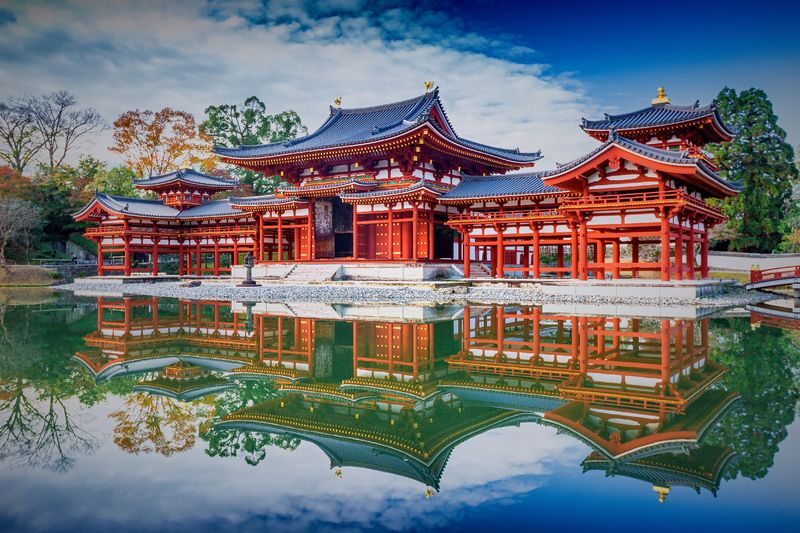
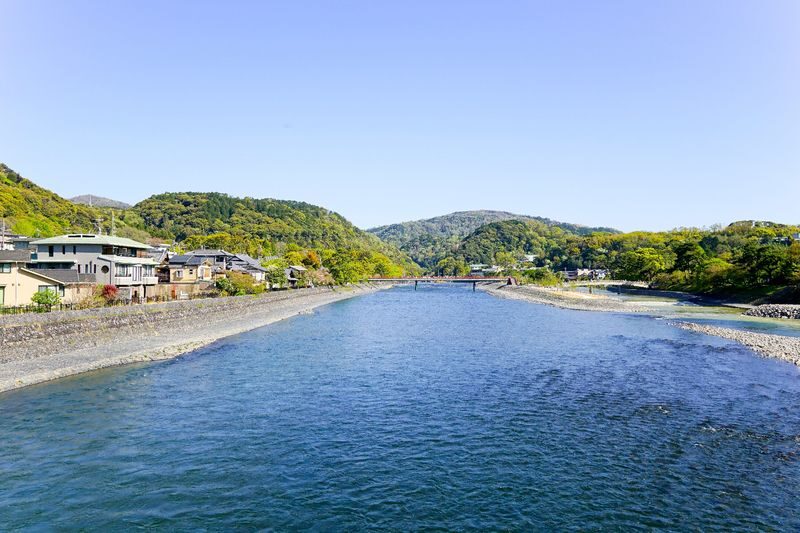
Uji is the day’s chance to slow down a little. The two-hour stop includes Byodo-in, the Uji River, Uji Park and the matcha food street. You can stroll along the river, take in the setting and browse for matcha desserts or drinks. The town’s tea identity gives this stop a clear focus, unlike a generic shopping break.
Byodo-in is a UNESCO World Heritage site, and admission is extra. The temple is a worthwhile counterpoint to the grand scale of Todaiji: here, the appeal is the historic setting and the quieter pace. Two hours must cover the temple, riverfront and food street, though, so choose your priorities. If you want to go inside Byodo-in and stop for a treat, you may not have time for extensive shopping as well.
Lunch and refreshments are at your own expense. Uji’s matcha shops are a natural place to try a local specialty, but don’t assume a tasting or tea ceremony is part of the tour. The activity includes time to explore the area and sample its food, not a specified tea-making session.
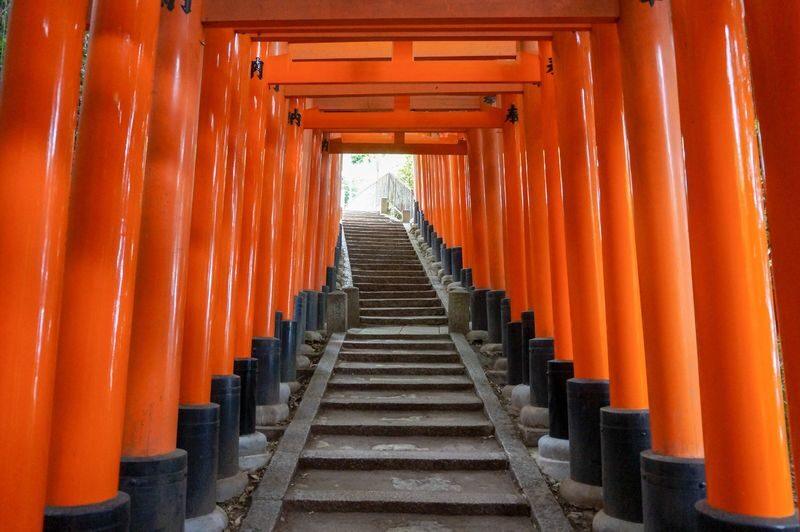
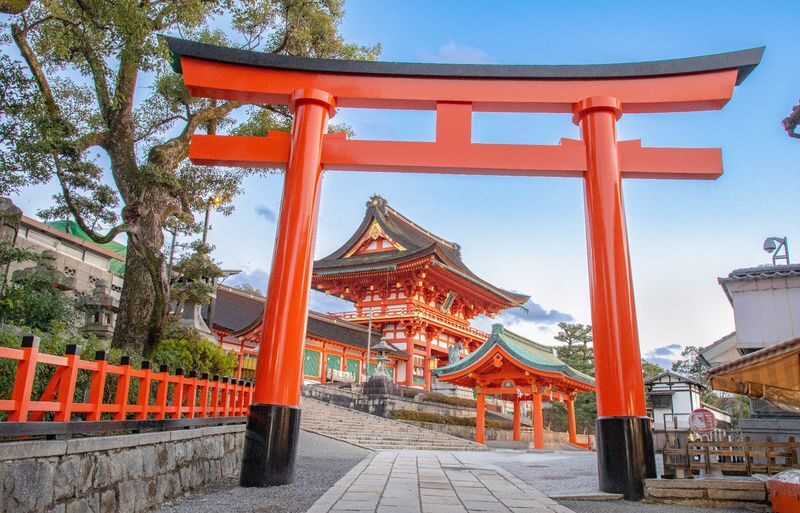
Fushimi Inari Taisha is the day’s final major stop, with about 1 hour 20 minutes to see the shrine and its closely spaced vermilion torii gates. The gates create a striking corridor, and the path is one of Kyoto’s most recognizable sights. You can take photos, walk through part of the route and pause at the shrine.
The gates are often called Senbon Torii, or a thousand torii, though the full network numbers far more than a thousand. The route extends up the mountain, so this stop is best treated as a taste rather than a complete hike. If you hope to walk a long way, move steadily and keep the meeting time in view.
This is a popular shrine, and the path can be busy. A guide can make the visit simpler by setting clear meeting instructions and giving context before you head off. Some guides, including Sarah and Charles, have been singled out for helpful explanations and practical suggestions; the guide on your specific date may be different.
The strongest practical reason to book is that the stops are spread across different areas. Round-trip transfers, tolls, parking and fuel are included, so you avoid working out a series of train and bus connections while keeping to a tight schedule. The guide also handles the key instructions and can explain the history and cultural context along the way.
The guides named by participants include Sarah, Charles, Tina, Amanda, Lee and others. Their reported strengths include clear explanations, humor, helpful food recommendations and thoughtful support when someone is tired or uncomfortable. That matters on a long day: good communication helps you understand where to go, how much time remains and what is worth prioritizing.
Departure logistics deserve attention. You meet at a designated point, with options in Osaka or Kyoto, and should arrive 15 minutes early. The guide’s details are sent by email around 18:00 the day before, so check your spam folder too. If the tour uses a LINE group, you need to join through the emailed link rather than waiting for the guide to add you.
If you start in Osaka, the route may include a Kyoto pickup before continuing to Nara. That can add travel time and make the order feel less direct. The schedule can also shift with traffic or weather, and the return window is 17:00 to 18:00 for Kyoto Station or 18:00 to 19:00 for Osaka Kintetsu Nippombashi Station. Avoid planning a tight connection or fixed evening booking.
The itinerary’s strength is also its weakness. Four major stops in one day means little room to wander beyond the main sights. Nara’s combined park and temple time is especially short, while Uji’s two hours must cover both a temple visit and a food street. Fushimi Inari’s allotted time is enough for a section of the gates, not an extended mountain walk.
Admission costs also change the final price. Todai-ji and Byodo-in are excluded, as are meals, drinks and personal expenses. If you want to enter both temples and enjoy a proper meal, budget above the starting fare.
The activity is not wheelchair- or stroller-accessible, and child seats are not available. It is not recommended for people with epilepsy, heart disease, asthma or other serious medical conditions, pregnant people, or people with disabilities. Infants and children must be included in the passenger count.
Book it if you’re based in Osaka or Kyoto, have one day to spare and want a guided introduction to Nara, Uji and Fushimi Inari without arranging the transport yourself. It is especially useful for first-time visitors who value clear meeting instructions and a guide’s commentary as much as time at the sights.
Choose a slower, independent visit if Todaiji, Byodo-in or the full Fushimi Inari trail is a personal priority. You’ll have more control over your pace, but you’ll need to arrange the connections yourself. For a broad sampler at a low starting price, this tour is a practical deal, as long as you accept the brisk schedule and set aside money for admissions and food.
“Scarlett was friendly and very comedic!! perfect time and beautiful sites.”
The tour lasts about nine hours. Departure options are listed at 8:00 and 9:00, with return times varying by destination and traffic.
You can choose a meet-up departure from Osaka or Kyoto. Arrive at the designated meeting point 15 minutes before departure.
No. Admission to Todaiji and Byodo-in is not included. Meals, drinks and personal expenses are also extra.
You can book an English-speaking guide or a Chinese-speaking guide.
The tour allows 45 minutes at Nara Park, 30 minutes at Todaiji, two hours in Uji and 1 hour 20 minutes at Fushimi Inari.
No. The activity is not stroller- or wheelchair-accessible, and child seats are not available.