Physical Address
304 North Cardinal St.
Dorchester Center, MA 02124
Physical Address
304 North Cardinal St.
Dorchester Center, MA 02124

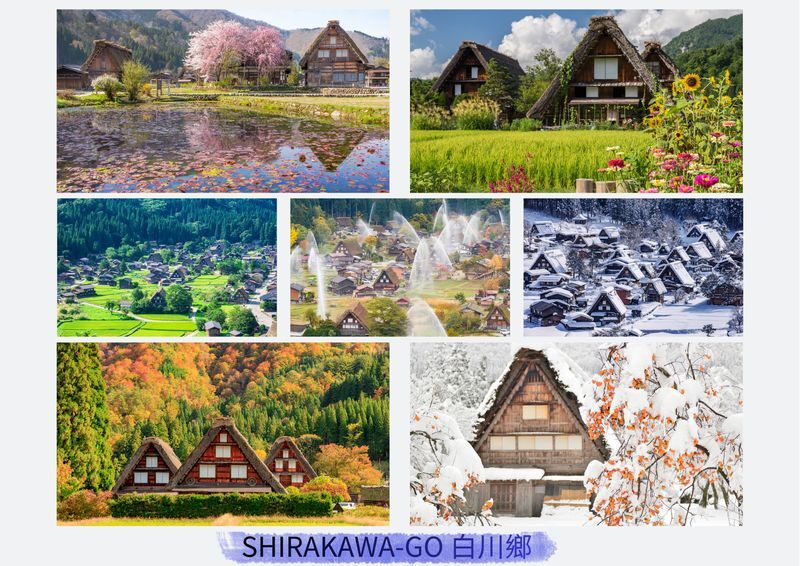
Visit Gujo Hachiman, Hida Takayama, and Shirakawa-go from Nagoya on an 11-hour bus trip, with multilingual guidance and free time at each stop.
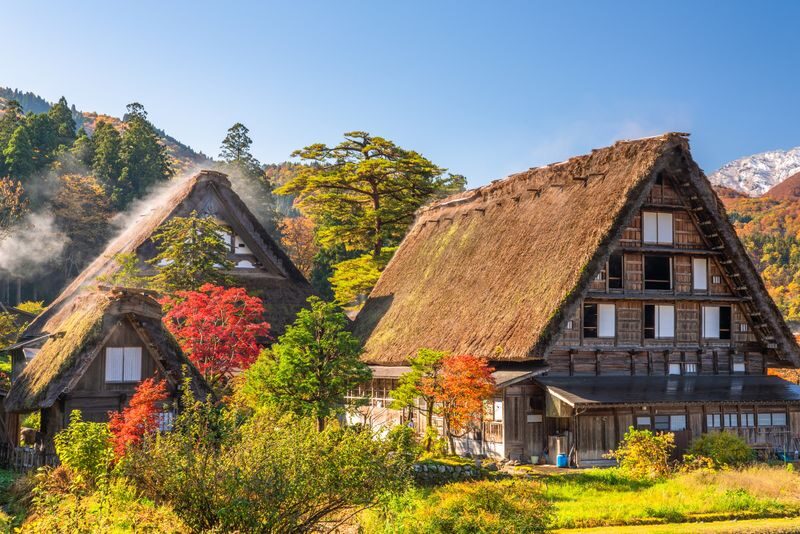
Shirakawa-go’s steep thatched roofs, built to handle heavy winter snow, are the star of this long day from Nagoya. I like that the trip also includes Gujo Hachiman’s waterways and Takayama’s preserved old streets, so you get three distinct towns rather than one scenic stop. The trade-off is a quick pace: you have around an hour in Gujo Hachiman, two hours in Takayama, and 1 hour 35 minutes in Shirakawa-go.
I also like that the bus takes the strain out of arranging transport between these out-of-the-way places, while Chinese- and English-speaking staff offer guidance along the route. Guides have included Wang Jie, Lily, John, and Sirius, though you won’t know who is assigned to your departure until closer to the day. Keep your expectations practical: this is a taste of three places, not a slow visit to any one of them.
This tour makes a useful introduction to central Japan beyond Nagoya’s city streets. The stops have different characters: Gujo Hachiman is known for water and its summer dance, Takayama for its old town and food, and Shirakawa-go for its distinctive rural architecture.
That variety is the trip’s main appeal. You can see how a compact region holds several different kinds of Japanese town life, without having to work out separate bus or train connections. The cost of that convenience is time. You’ll be following a fixed schedule, and each stop is a short visit rather than a chance to settle in.
The trip runs from about 8:20 am to 7:30 pm, though the actual return time depends on the day’s road conditions. It is best suited to you if you want a broad overview, are comfortable with a brisk pace, and would rather pay for organized transport than plan the route yourself.
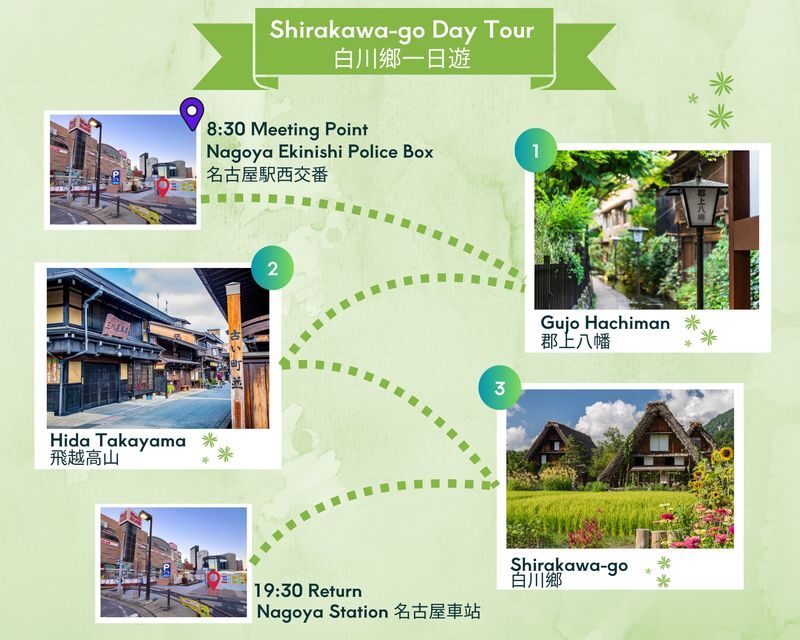
The meeting point is in front of the silver monument, described as a clock tower, opposite the Nagoya Station Tourist Information Center at the Taiko-dori Exit. Look for the blue Wonder Tour flag. Arrive at least 10 minutes before the 8:20 am departure, and check your email the previous evening for the staff contact details, meeting map, and day-of notes.
Nagoya Station’s underground passages can make map directions confusing, so give yourself extra time to reach the west-side station square. The departure rule is strict: the bus does not wait for late arrivals, and a missed departure is not refundable.
A Chinese- and English-speaking staff member provides guidance during the trip. Some named guides, including Wang Jie, Lily, John, and Sirius, have been praised for clear explanations, helpful food suggestions, and keeping groups organized. The person assigned to your date may differ, and the amount of commentary can vary. Think of the guide as a source of context and practical pointers, while the time at each town is mostly yours to use independently.
The vehicle may be a bus or a smaller bus, depending on how many people are booked. Round-trip transfers and operator-provided insurance are included. You may store one suitcase in the luggage compartment, subject to the stated size and weight limits, but don’t put valuables there.
You might also be interested in these Ono District experiences
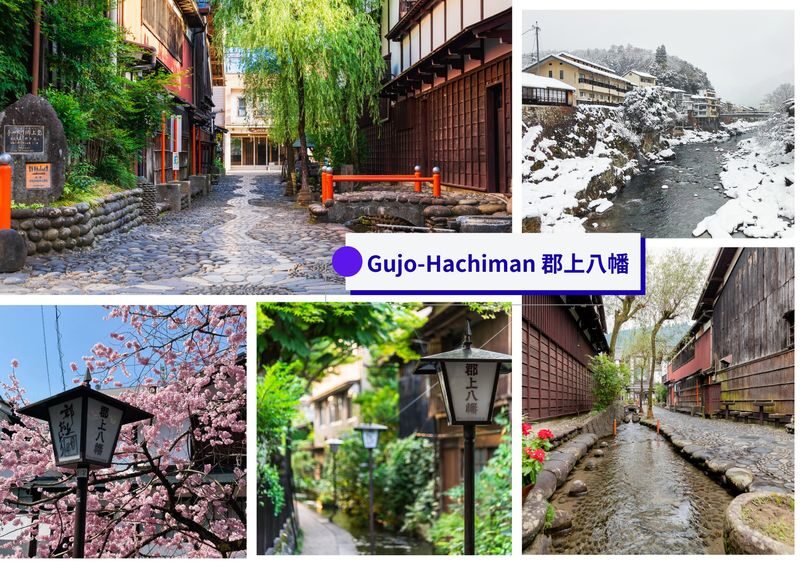
The first stop is Gujo Hachiman, scheduled for about 9:50 am. You get roughly one hour to explore the old town independently. Its canals and waterways run past traditional buildings and stone bridges, giving the town a calm, water-shaped character. It is also associated with Gujo Odori, a summer dance that brings a different energy to its streets.
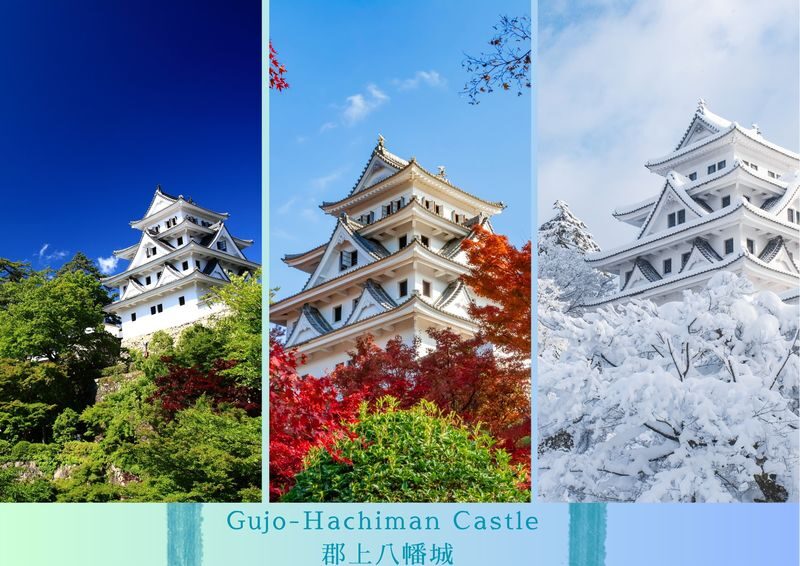
This is the shortest stop, so choose your priorities before you step off the bus. A relaxed walk along the waterways may be a better fit than trying to cover the town and climb to Gujo Hachiman Castle. The castle is an optional paid attraction, and the route includes long stairs and uphill sections. With only an hour, a climb can leave little time to enjoy the rest of the town.
Some visitors wish they had another 15 minutes here, especially when rain makes strolling slower. If you have limited mobility or rely on a walking stick, note that the operator does not recommend the tour for elderly participants who need walking sticks. Even without a castle visit, the water and old streets make this a worthwhile change of pace before Takayama.
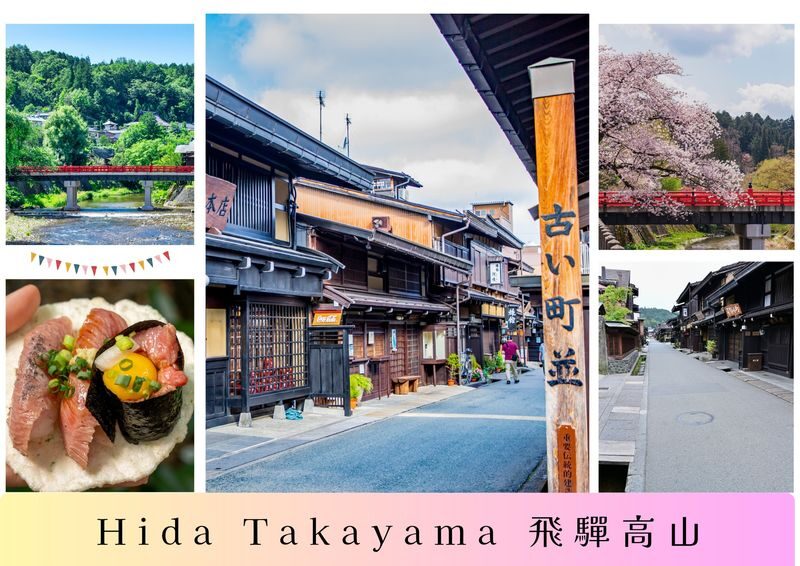
Around noon, the bus reaches Takayama for a two-hour stop. The old town’s Sanmachi Suji streets are lined with traditional wooden machiya houses, sake breweries, and small shops. This is the place to slow your feet a little, look at the architecture, and decide how you want to spend lunch.
Food is not included, and you’ll need to arrange your own meal. Takayama is known for Hida beef, including grilled skewers and beef sushi, as well as miso skewers and local sake. With two hours, you can usually combine a meal with a walk, but a long restaurant wait or a visit to an additional attraction will eat into that time.
Takayama Jinya is nearby as a separate paid attraction, but admission is not included. Don’t assume you’ll have time to see it alongside lunch and a thorough wander through the old town. A sensible plan is to choose one main priority, then use any spare minutes for browsing.
The stop is longer than Gujo Hachiman’s, but still a sampler. If you’re drawn to food and historic streets, you may find this the most comfortable place to explore on your own. If your main reason for visiting is Takayama’s festival culture, bear in mind that the spring and autumn Takayama Festival dates are not guaranteed to match your tour day.
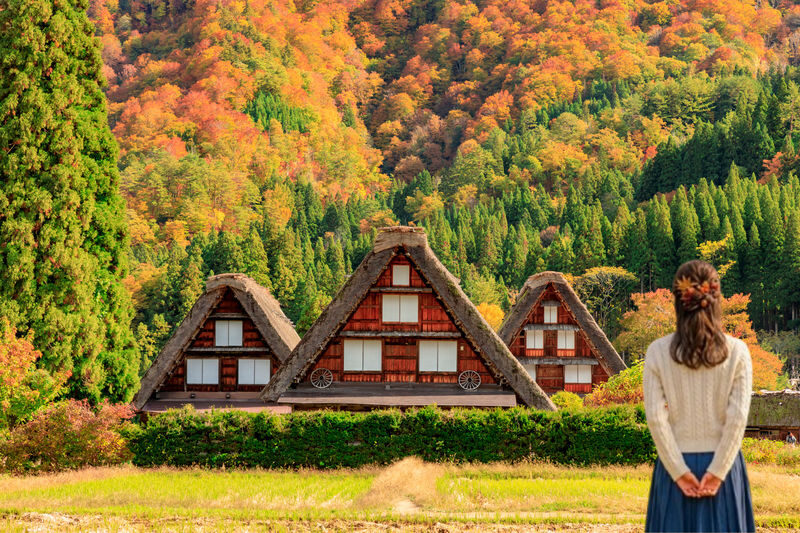
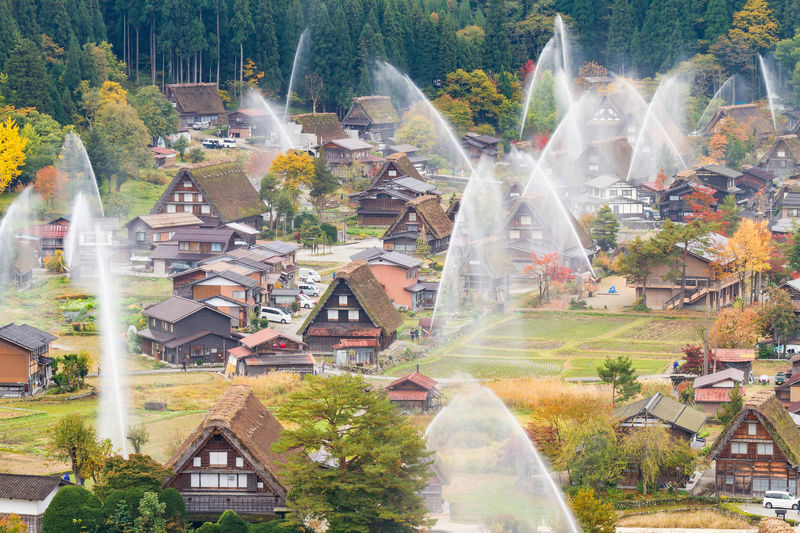
At about 3:00 pm, you reach Shirakawa-go for around 1 hour 35 minutes. The village is known for its gassho-zukuri houses, with steep thatched roofs shaped to shed heavy snowfall. More than a hundred historic houses give the area its distinctive appearance and help explain why it is recognized as a World Heritage site.
Give yourself time to look both closely and from a little distance. The roofs and building details are the main attraction, but so is the contrast between the village and its mountain setting. The walk can include slopes and stairs, so wear shoes you can comfortably use on uneven or uphill routes. The stop is self-guided, and you’ll need to keep an eye on the meeting time rather than following a set group walk.
The changing seasons are part of Shirakawa-go’s appeal. Cherry blossoms typically flower from mid-April to early May, while autumn color is usually best from mid-October to early November. Those are general windows, not promises: weather shifts the timing from year to year. Winter snow can make the roofs especially striking, but conditions and road travel can also be more challenging.
Rain need not ruin the visit. The village’s muted tones and mist can make a memorable scene, though an umbrella and waterproof shoes will help. With less than two hours, focus on the village itself rather than trying to fit in every possible walk or stop.
At a starting price of $49.29, the strongest value is convenience. You get transport from Nagoya to three places that would take more effort to connect on your own, plus a staff member who can explain local features and help with basic orientation. You are paying for a long, organized day and a broad view of Gifu, not for admission tickets, meals, or a private guide.
The stops are free time rather than fully guided walking tours. That gives you room to choose a meal, browse a shop, or follow your own route, but you’ll get more from the day if you arrive with a rough plan. Bring cash for meals and personal purchases, and consider a snack for the bus. Takayama is your scheduled lunch stop.
Three stops in one day means that small delays matter. Weekend and holiday traffic is common, and the operator may shorten time at attractions to keep the schedule moving. Bad weather or other road conditions can also delay arrival, alter the time at each stop, or lead to a change in the itinerary. Avoid booking a tight onward connection from Nagoya; the return time is an estimate, not a guarantee.
This is not the best format if you want a long meal, a slow village walk, or time to visit several paid attractions. The comments from past trips reflect that split: some people feel the pace is enough to see all three places, while others would prefer to give Takayama or Gujo Hachiman more time. Both reactions make sense. The tour’s value is its range, not depth.
I’d consider this trip if you have one free day in Nagoya and want to see more of Gifu without organizing the connections yourself. It suits first-time visitors who value a clear plan, want a quick look at three contrasting towns, and are happy to walk at a steady pace. It may also suit you if the journey itself is easier to manage with a bus and multilingual support.
Choose a different plan if you prefer unhurried visits, need substantial time for accessible routes, or want to spend most of the day in one place. The itinerary involves uphill sections and long stairs in some areas, so it is worth considering your walking comfort before booking. A self-planned visit or a tour focused on fewer stops may better match those needs.
Book this for breadth: waterways, an old-town lunch break, and one of Japan’s best-known thatched-roof villages in a single day. If you go, arrive early, keep your lunch plan simple, and treat the schedule as a guide rather than a promise. That is the right way to enjoy what this tour does well.
“the itinerary is fun packed and so worth the price”
It departs from the west-side station square at Nagoya Station’s Taiko-dori Exit. Meet in front of the silver monument opposite the Nagoya Station Tourist Information Center and look for the blue Wonder Tour flag.
Arrive at least 10 minutes before the 8:20 am departure. Late arrivals and no-shows are not eligible for a refund.
The scheduled day runs from 8:20 am to about 7:30 pm. Actual return time can change with traffic and road conditions.
The tour allows about one hour in Gujo Hachiman, two hours in Takayama, and 1 hour 35 minutes in Shirakawa-go. The schedule may change because of traffic, weather, or other conditions.
No. Lunch and beverages are not included. You’ll need to arrange your own meal during the Takayama stop.
Admission to Takayama Jinya and Gujo Hachiman Castle is not included. Other personal expenses are also excluded.
Chinese- and English-speaking staff are included. Some guides have also spoken Japanese, but Japanese-language service is not specified as guaranteed.
Each passenger may bring one suitcase for the bus luggage compartment, up to 30 kg and within the stated maximum dimensions of 155 cm in depth, height, or width. Do not store valuables there.
A full refund is available if you cancel at least 24 hours before the activity date, using the destination’s local time. Late arrivals and no-shows are not refundable.