Physical Address
304 North Cardinal St.
Dorchester Center, MA 02124
Physical Address
304 North Cardinal St.
Dorchester Center, MA 02124

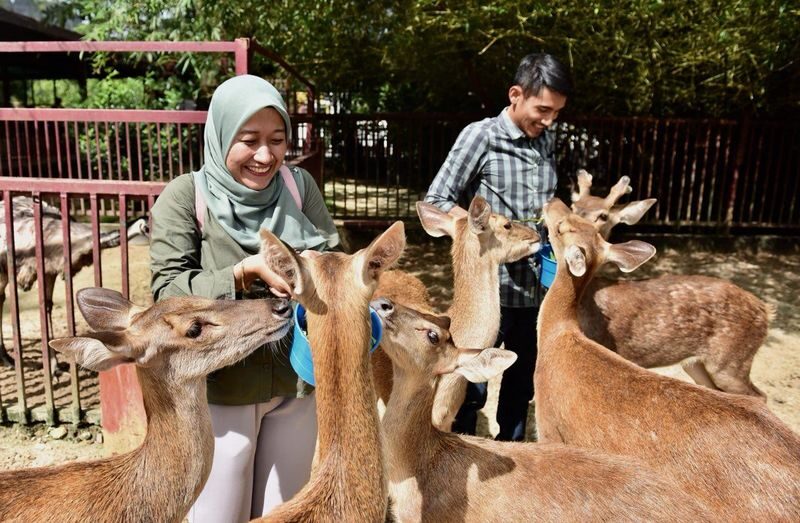
Plan a Langkawi Wildlife Park visit for close-up animal feeding, a covered aviary, scheduled talks, and practical tips on heat, transport, and extra costs.
Langkawi Wildlife Park is built around an appealing idea: you do not just look at animals from a distance. In the walk-in aviary, colorful birds move around you, and feeding sessions bring you closer to macaws, pelicans, otters, and other residents. The park is mostly covered, which makes it a practical choice in Langkawi’s heat and rain.
I like two things in particular: the close-up feeding opportunities, which give children a reason to slow down and pay attention, and the sheltered paths, which make a two- to three-hour visit easier in wet or hot weather. The park also has a 15-metre artificial waterfall in its aviary and scheduled animal sessions through the day.
One thing to weigh up: food for the animals costs extra, and those small purchases can add up if your family wants to feed several species. The park is also about 35 to 40 minutes by car from Cenang Beach, so you will need to plan the ride as well as the visit.
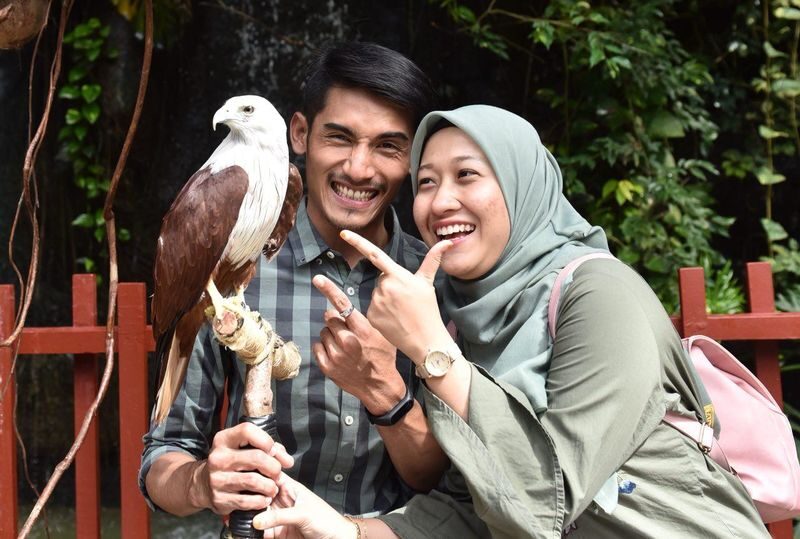
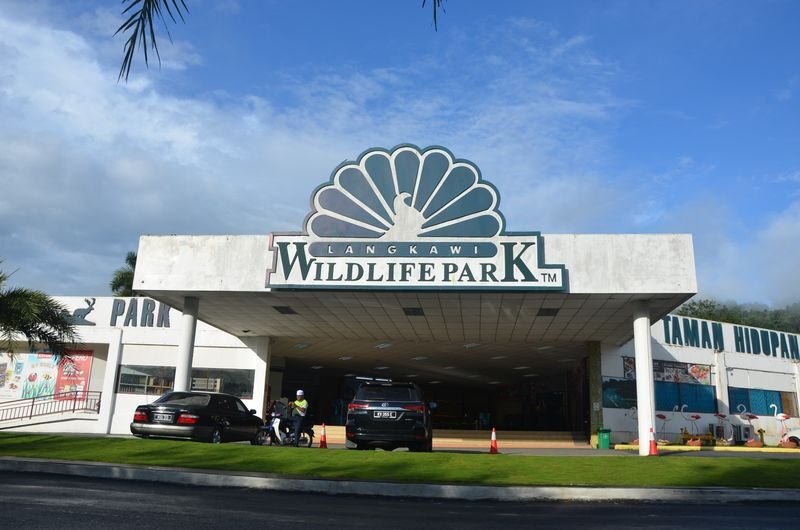
The park is on Jalan Ayer Hangat in northern Langkawi, at 2, Jalan Ayer Hangat, Kampung Belanga Pechah. Its identity is still strongly bird-focused. The walk-in aviary is the natural place to begin: rather than viewing every bird from behind a barrier, you move through an enclosure with birds around you and a 15-metre man-made waterfall as a backdrop.
Macaws are one of the highlights. Their striking colors make them easy to spot, and they are known for responding to visitors during feeding. Sunflower seeds and peanuts are listed as favorites, but follow the park’s feeding instructions and offer only the food sold for the animals. Flamingos add another photo opportunity, while smaller birds give the aviary a lively, close-range feel.
The setting is shaded, but do not assume that covered means cool. Fans line many of the paths, and the roof helps block direct sun and rain, yet warm air can collect inside on a hot day. A small portable fan may come in handy if you are sensitive to heat, especially when the weather is still and humid.
The park is described as having more than 2,500 exotic birds and around 150 animal species. Those figures cover the full collection, not just the aviary, so expect a varied but compact attraction rather than a sprawling zoo. If you are mainly interested in birds, the aviary is likely to be your favorite section.
You might also be interested in these Langkawi experiences
Feeding is the park’s strongest reason to book rather than simply admire the animals from a distance. You can buy feed and take part in designated interactions, with staff on hand at many stations. The ticket includes access to feeding and photo sessions, but not the food itself. The stated price is RM9 per pack, so set aside extra money if feeding is a central part of your plan.
The macaw feeding is especially good for photos. The birds’ bright feathers and distinctive calls make for a memorable encounter, though a close photo is never guaranteed. Give them time to approach, follow staff instructions, and avoid crowding the feeding point.
Some animals are easier to feed than others. Goats can be pushy, which may surprise young children, while visitors have also enjoyed feeding rabbits, guinea pigs, and mouse deer. Keep a close hand on children’s feed and follow the posted guidance at each enclosure. The park’s staff help make the encounters feel organized, but an animal’s appetite and mood are not on a timetable.
Buy feed with some restraint. It is tempting to get a bag at every station, but feeding several species can cost more than admission. The park sells feed at the entrance and at various points inside. If you want to spread it among many animals, ask staff where to buy the best-value option before purchasing. Arriving earlier may also help: animals can be less interested in food after a busy feeding period.
Not every advertised image should set your expectations. There are animal encounters, but you should not assume every species will be available for a close-up session. One visitor’s disappointment about not getting close to eagles and deer is a useful reminder to check the day’s actual activities rather than treating every promotional photo as a promise.
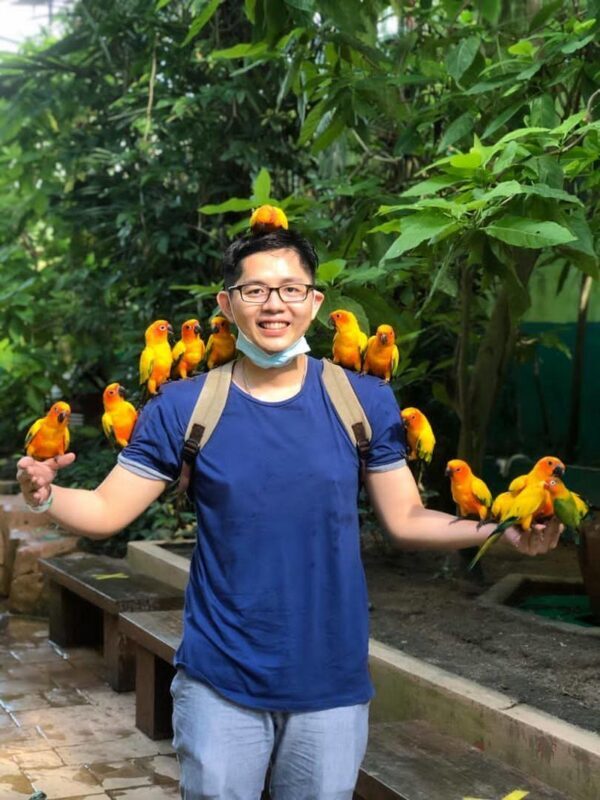
The listed interactive sessions include pelican feeding at 10:00 and 16:00, a Snake Fear Factor session at 11:00 and 16:40, and otter feeding at 11:40 and 16:40. The park also runs an animal talk show twice daily, though no times are provided here. Check the schedule when you arrive and choose the sessions that matter most to you.
A morning visit gives you the chance to catch the earlier pelican, snake, and otter sessions without rushing. If you arrive later, the afternoon sessions offer another set of opportunities. The park itself takes roughly two to three hours, but your pace will depend on how long you spend at feeding stations and whether you stop for the talks.
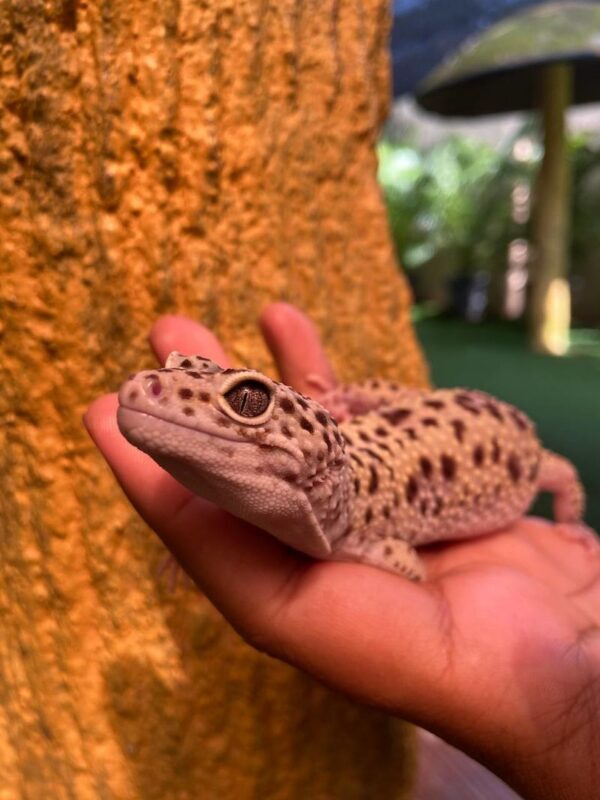
There are more animals beyond birds, including mammals such as rabbits, guinea pigs, white raccoons, and bearcats, as well as reptiles. The mix gives children plenty to look for, though the collection is not aimed at people hoping for lions, tigers, or other large cats. Go for close encounters and variety, not for a traditional big-zoo checklist.
The animal talk show is a useful pause in the visit. It offers a change of pace from walking and feeding, and can help younger children stay engaged. Since the show runs twice daily but exact times are not listed, ask for the current schedule on arrival rather than building your whole route around an assumed start time.
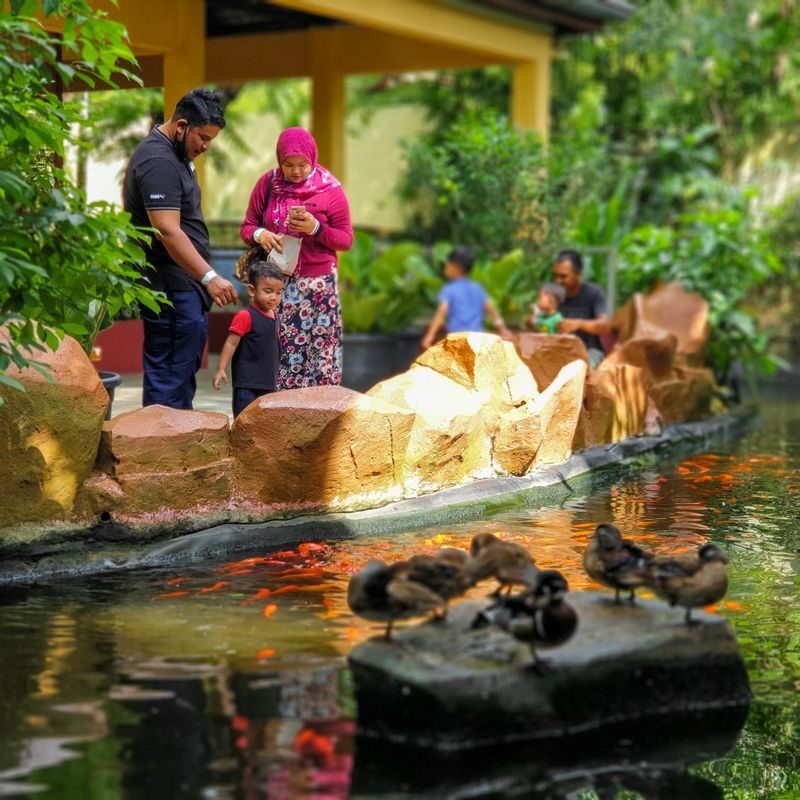
Langkawi’s heat and frequent rain can turn an outdoor attraction into hard work. Here, most visitor paths are sheltered, and fans, hand-washing points, and clean facilities have been noted as useful features. Umbrellas are also available in several areas for exposed sections. These practical touches matter: they let you keep moving when the weather changes instead of retreating to the entrance.
The shelter has limits. Some feeding areas are outside, and the indoor air can still feel warm, especially on a humid day. A cloudy afternoon may feel comfortable, but the roof alone does not make the whole park air-conditioned. Bring water, wear light clothing, and consider visiting earlier if you want to avoid the hottest part of the day.
The paths are described as stroller-friendly and wheelchair-friendly, which makes the park more manageable for families with small children and visitors who need smoother access. Conditions can still vary around individual animal areas, so check the park map before setting out. The map is also helpful for finding scheduled activities and planning a route without doubling back.
Cleanliness and upkeep are part of the experience here. Clean toilets, hand-washing sinks, and staff presence at animal stations help make the visit easier, especially with children. The café provides a place to pause, but food choices are limited, so do not count on it as a full meal stop. A snack or a meal elsewhere may be the better plan if you need more than a quick break.
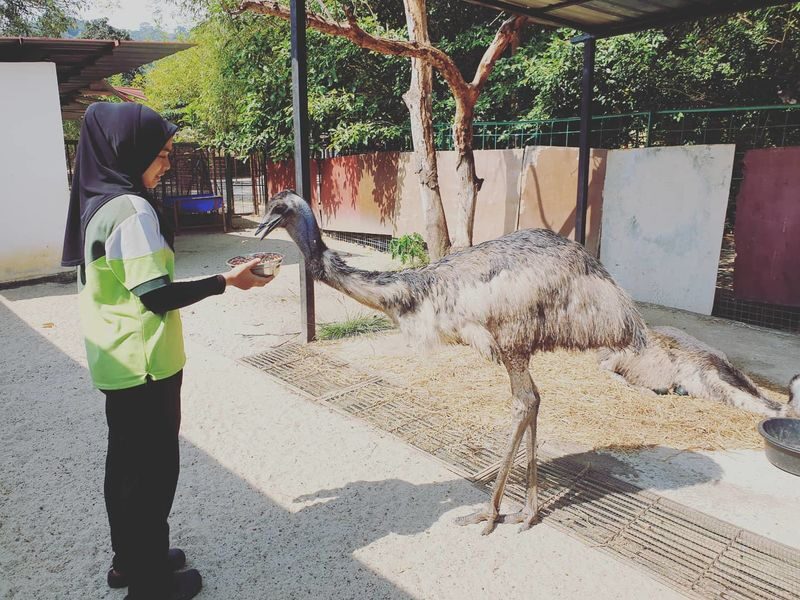
Admission starts at $8.59 and includes one entry ticket, plus access to animal talks, feeding sessions, and photo sessions. At that price, the ticket can be good value if you make use of the interactions and spend a couple of hours exploring. It is less compelling if you only want a quick look around and do not plan to attend a session or buy feed.
The extra cost to keep in mind is animal food, listed at RM9 per pack. Photography add-ons and frames may also cost extra, and some are considered pricey. You can still take your own photos, of course, but do not feel obliged to buy a printed picture to make the visit worthwhile.
There is a café and a shopping area with souvenirs, a kiosk, a crystal gallery, and a duty-free zone. Treat these as optional stops, not essential parts of the animal experience. With children, it is sensible to agree in advance on a souvenir budget, since the feed, snacks, and shop can all compete for attention after a low-cost admission ticket.
The ticket voucher is valid for 30 days from booking confirmation and expires at 23:59 on the last day. It is an open-date voucher, so you may visit on a date before the selected date shown on the voucher. Children aged zero to one enter free; all participants above age two need a ticket, and children 12 and under must be accompanied by an adult with a valid ticket.
You might also be interested in these Langkawi experiences
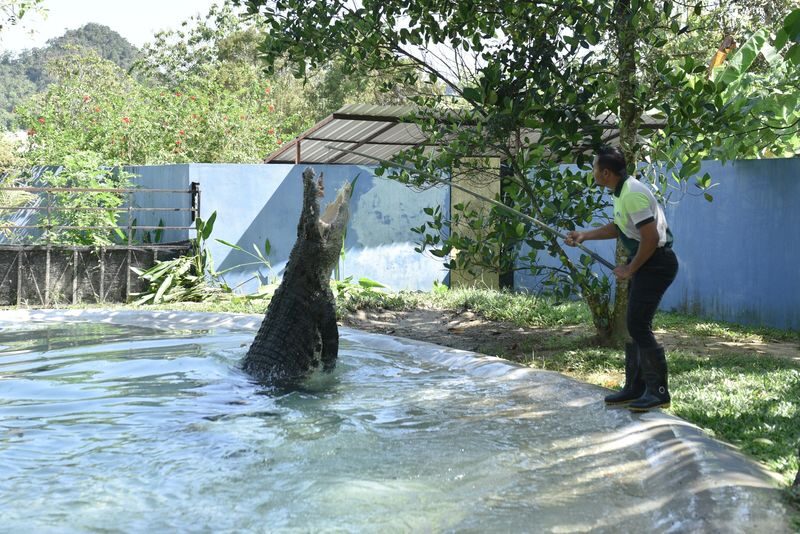
The park is about 15 minutes by car or taxi from Kuah town, around 35 minutes from Cenang Beach, and about 16 minutes by car from Kuah Jetty. From the airport, a one-way private transfer is an option. A taxi or rental car is the easiest way to reach the park; account for the drive when choosing a visit time, particularly if you are staying in Cenang.
At entry, present your mobile voucher and exchange it for a physical ticket. Malaysian passport holders should bring a MyKad, while visitors with other passports should bring proof of identity. The park’s address is listed as Lot 1485, Kampung Belanga Pecah, Jalan Ayer Hangat, 07000 Langkawi, Kedah, Malaysia.
Check the park map before you go, then confirm show times at the entrance. Bring what you need before entering, as re-entry may not be allowed. The activity information also lists health measures such as temperature screening, hand sanitizer, masks, and one-metre spacing. Since operating instructions can change, check the latest directions before your visit.
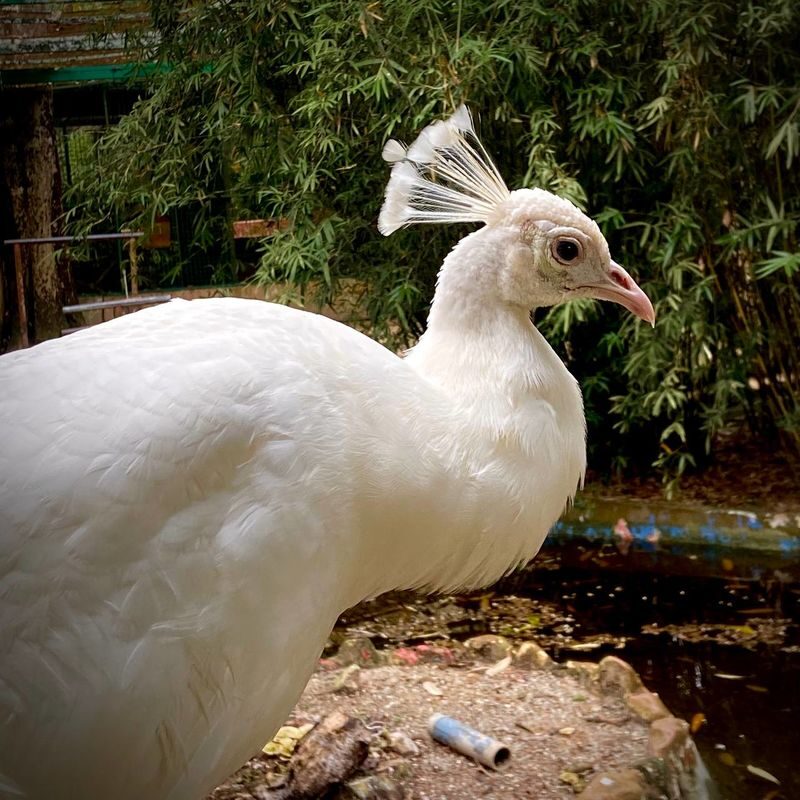
This is an easy choice for families with children who enjoy feeding animals and getting close to them. The sheltered paths, stroller-friendly layout, staff at many stations, and short visit length all work in its favor. It can also suit bird lovers who want time in an aviary, especially if macaws and flamingos are high on their list.
You may enjoy it less if you expect a large zoo, a long list of rare animals, or guaranteed close contact with every species. It is a relatively compact park, and the most memorable moments tend to come from the feeding and scheduled sessions. If you are visiting as an adult without children, go because you like animals and interactive encounters, not because you expect a full-day attraction.
For the best balance, arrive with enough time to catch at least one feeding session, buy a pack of feed, and explore at an unhurried pace. Two to three hours is a sensible allowance. If rain is in the forecast, the covered walkways are a plus, though exposed feeding areas may still be affected.
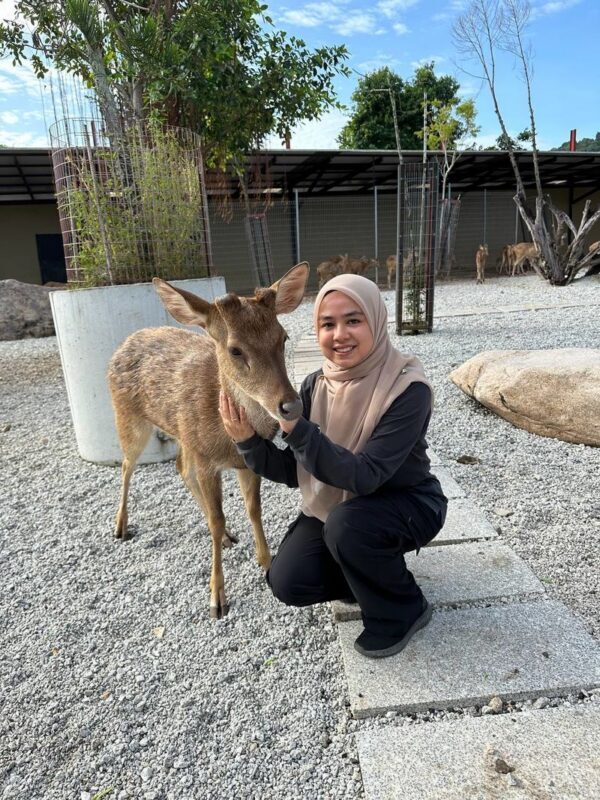
Book it if you want a family-friendly, mostly sheltered stop where feeding and close animal encounters matter more than a vast collection. The starting ticket price is modest, but include feed and snacks in your budget, and plan for the drive from Cenang. For animal-loving children, the hands-on sessions can make this one of Langkawi’s more engaging short outings. If you want big cats, expansive habitats, or a full day of exhibits, choose another attraction.
“excellent, friendly staff and the feeding times and information were excellent.”
Plan for about two to three hours. Allow more time if you want to attend talks and feeding sessions or stop at the café and shops.
The ticket includes one admission and access to animal talk shows, feeding sessions, and photo sessions. Animal feed is not included.
Animal feed is listed at RM9 per pack. You can buy it separately at the park.
The listed sessions are pelican feeding at 10:00 and 16:00, Snake Fear Factor at 11:00 and 16:40, and otter feeding at 11:40 and 16:40. The animal talk show runs twice daily, but its times are not specified.
No. It is mostly covered, with sheltered walkways, but some feeding areas are outdoors.
From Kuah town, it is about 15 minutes by car or taxi. It is about 35 minutes from Cenang Beach and about 16 minutes from Kuah Jetty.
Children aged zero to one enter free. Participants above age two need a valid ticket. Children 12 and under must be accompanied by an adult with a valid ticket.
Present your mobile voucher and exchange it for a physical ticket. Malaysian passport holders should show their MyKad; visitors with other passports should show proof of identity.