Physical Address
304 North Cardinal St.
Dorchester Center, MA 02124
Physical Address
304 North Cardinal St.
Dorchester Center, MA 02124

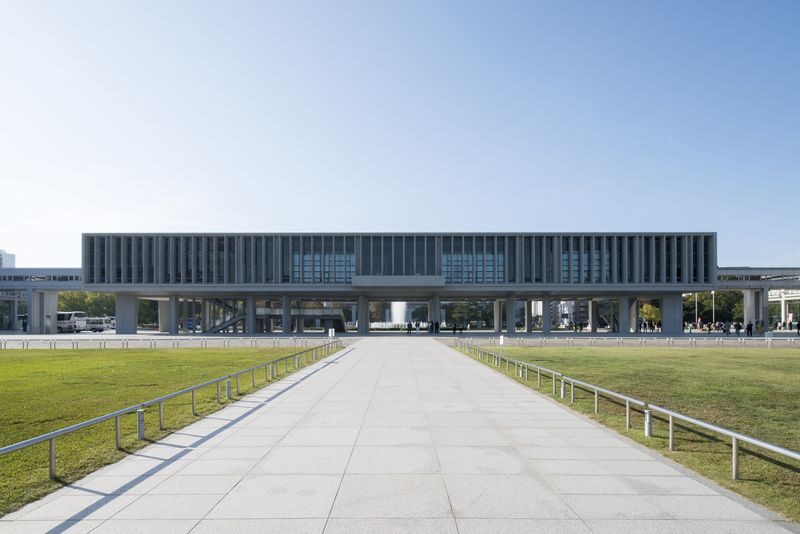
Plan a thoughtful visit to Hiroshima Peace Memorial Museum, with ticket advice, seasonal hours, transport tips, and a clear-eyed look at crowd levels.
Hiroshima Peace Memorial Museum puts personal stories at the center of its account of the 1945 atomic bombing. The exhibits connect the lead-up to war and Hiroshima’s wartime role with the bombing’s immediate destruction and lasting effects, making this an important stop for understanding the city beyond its memorials.
I like two things in particular: the museum gives historical context as well as individual accounts, and the admission price is very low for a visit with this much weight. The main consideration is crowding. An advance ticket can save time at the entrance during eligible hours, but it cannot guarantee a quiet or spacious visit inside.
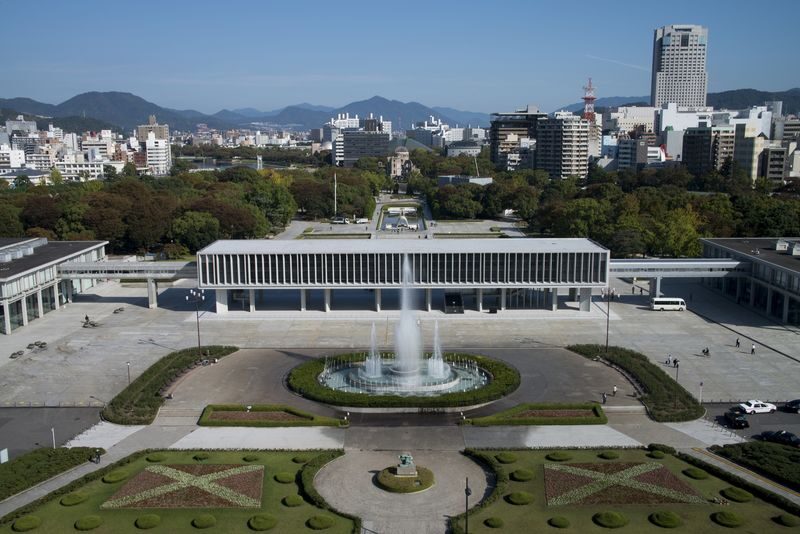
The Hiroshima Peace Memorial Museum is not a light stop between lunch and a shopping street. Its purpose is to commemorate those killed by the atomic bombing and to communicate a message of peace and unity. You should expect a serious, emotionally demanding visit, with exhibits that make the consequences of nuclear weapons difficult to reduce to abstract numbers.
The permanent exhibition sets the bombing in a wider historical frame. It covers the factors that led to war and Hiroshima’s role during the conflict before turning to the personal details and effects of the attack. That sequence matters: it gives you context, then brings the event down to the scale of individual lives.
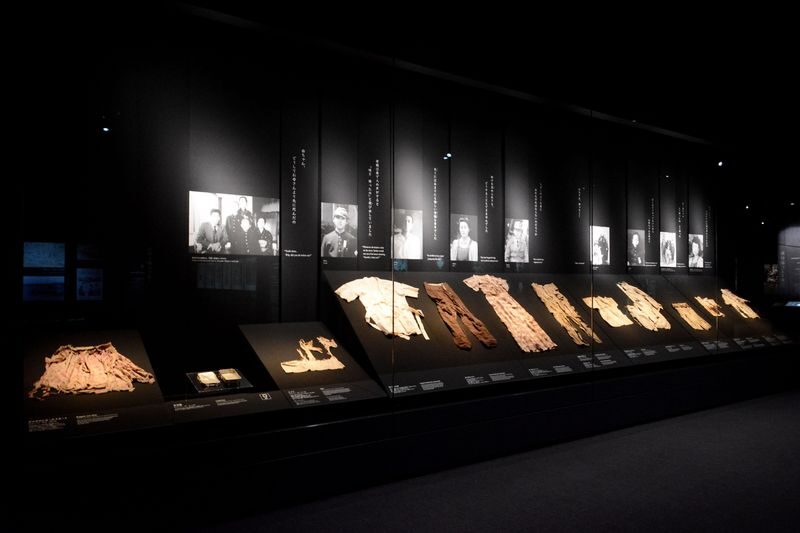
The human stories are the part most likely to stay with you. The museum presents personal accounts and images, and the material can be heartbreaking. If you know the broad outline already, the details of what people endured and the continuing effects may still change how you understand the event.
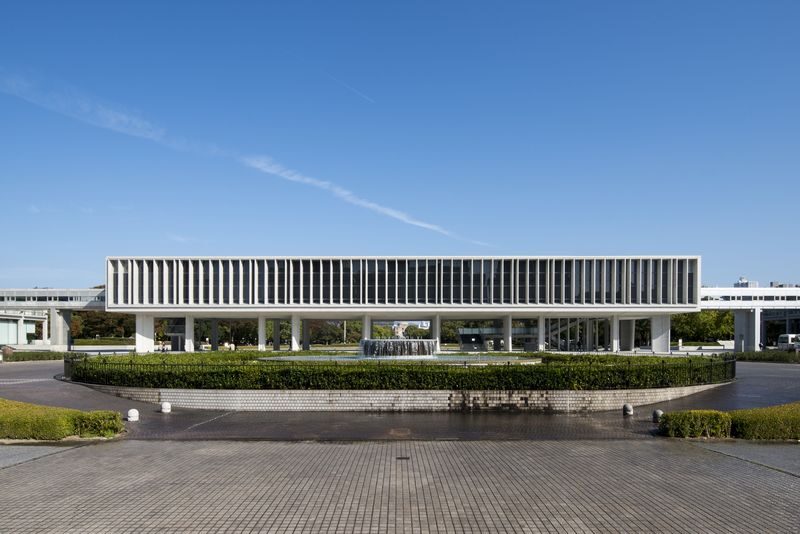
Your visit begins with historical background: the path toward war and Hiroshima’s place in it. This section gives the later displays a frame, rather than presenting the bombing as an isolated moment without causes or setting. Take time here if you want a fuller account, rather than rushing toward the most intense exhibits.
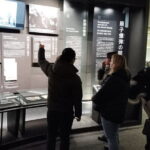
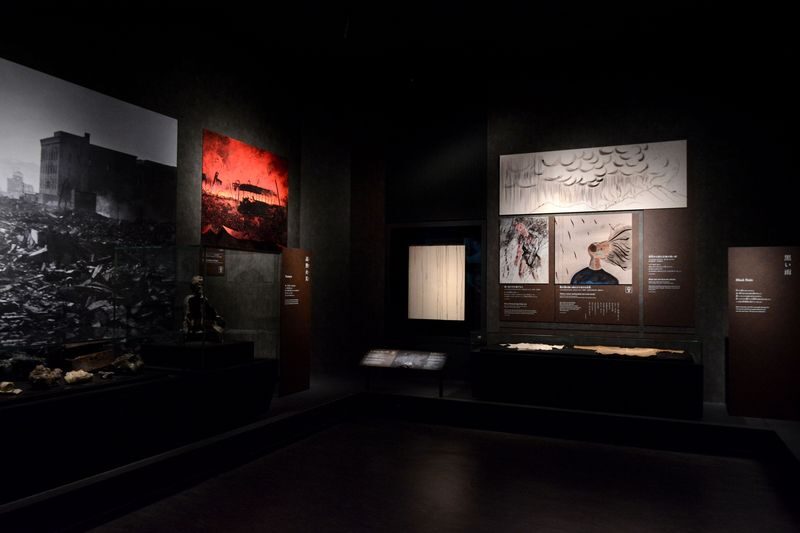
The exhibition then turns to the bombing and its consequences. Personal stories and photographs put human faces to the destruction. This is the heart of the museum for many people, but it is also where crowds can make a visit harder: when people gather around displays, you may have to wait to read the text or view an exhibit.
The museum’s approach is affecting, but it is not a substitute for every historical perspective or source. Some visitors may want additional material on the broader wartime context alongside the museum’s focus on the suffering of Hiroshima’s people. I would treat the museum as an essential part of understanding the city, then use other historical sources if you want to explore the wider conflict in greater depth.
Give yourself permission to slow down, step away from a display, or leave a section for later. The material can be intense, and there is no prize for seeing every panel in one continuous push. If the rooms are packed, waiting for a gap or choosing a quieter moment may help you engage more thoughtfully.
Culture seekers can explore more Hiroshima museums and galleries
A museum about an atomic bombing can easily become a story of statistics, strategy, and dates. Here, the personal accounts and images help show what those large terms meant for people in Hiroshima. That shift from a weapon’s scale to individual consequences is what gives the visit its force.
The exhibition also asks you to think beyond the moment of the blast. The stated focus includes the devastating effects of the bombing, and the material gives you reason to consider the aftermath as part of the history, not a short epilogue. Allow time for that message to settle before moving on to another activity.
This is not a cheerful attraction, and it should not be treated as a quick photo stop. The museum’s value lies partly in asking you to pay attention, even when what you see is difficult. You can make the most of the visit by reading at your own pace and resisting the urge to follow the crowd from room to room.
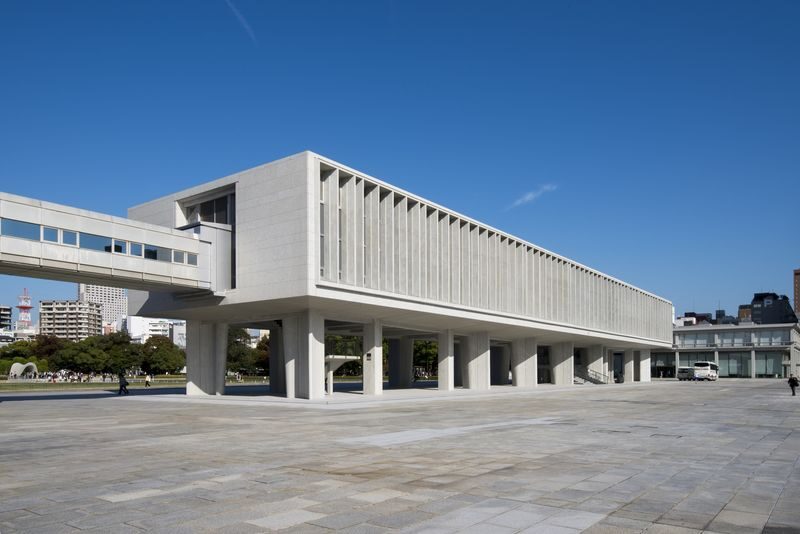
The ticket costs from $1.29, so admission is an unusually affordable part of a Hiroshima itinerary. Its practical value is less about getting a bargain and more about entering with a confirmed voucher rather than buying at the door. The voucher can be used to enter directly, and online booking may help you avoid the ticket-office queue.
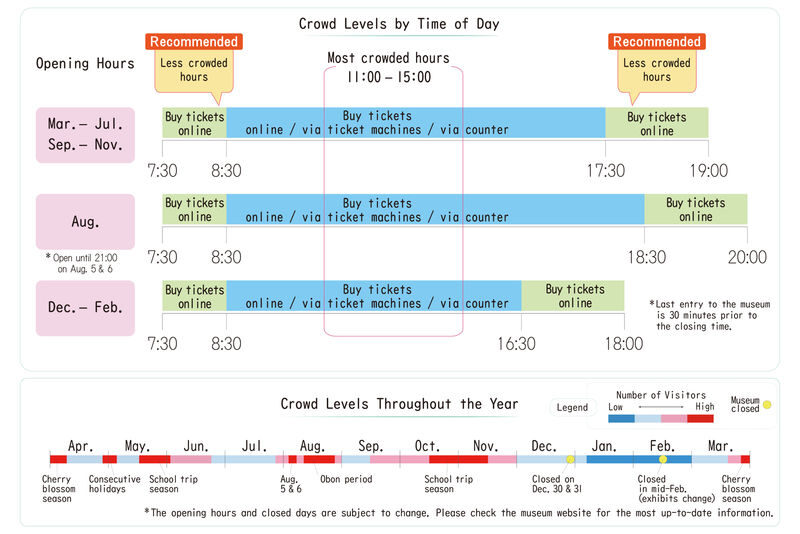
There is an important catch: skip-the-line entry is limited to certain early and late periods, and the museum can still be crowded inside. During the regular daytime admission window, you may be asked to wait in line. Even with an advance ticket, a queue outside or a slow-moving crowd in the galleries can affect your visit.
The permitted extended slots change by season. From March through July and September through November, the listed early slot is 7:30 to 8:30, and the late slot is 17:30 to 18:30. In August, the late slot is 18:30 to 19:30; from December through February, it is 16:30 to 17:30. If you choose one of these extended-hours slots, arrive for the time you booked.
For regular hours, you can enter during the listed daytime window regardless of the timeslot booked. Those windows are 8:30 to 17:30 from March through July and September through November, 8:30 to 18:30 in August, and 8:30 to 16:30 from December through February. The last admission is 30 minutes before closing.
The museum is open daily, with seasonal closing times: 19:00 from March through July and September through November, 20:00 in August, and 18:00 from December through February. It stays open until 20:00 on August 5 and 6. Hours can change, so check the museum’s official site before setting your schedule.
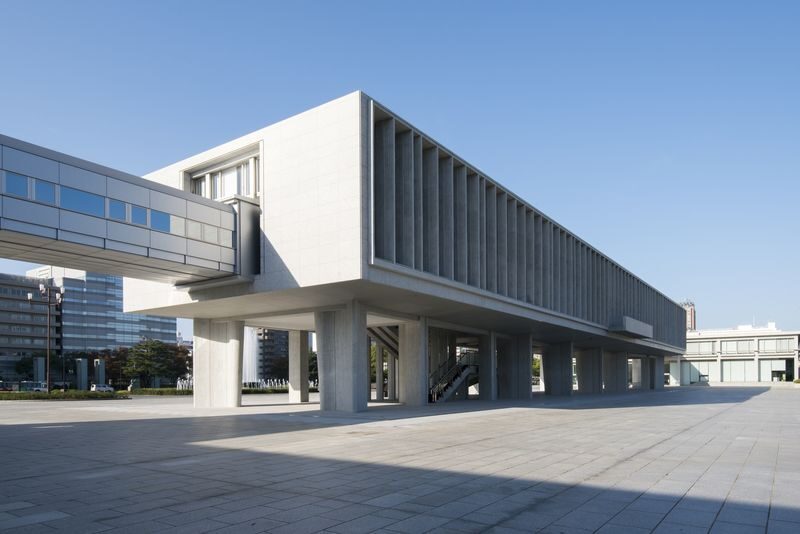
If you want the best chance of a calmer experience, aim for an eligible early slot and arrive with time to spare. One visitor reported getting in line at 7:20 for the 7:30 opening, when the line was still small. That is a useful example, not a guarantee: dates, tour groups, and general demand can change the picture.
Late admission may fit a day spent exploring Hiroshima, but remember that the final entry is 30 minutes before closing and you will have less time to read the exhibits. August hours are longer, yet the museum can still be busy. A late slot helps only if you are comfortable moving at the pace the remaining time allows.
If you have flexibility, avoid planning the museum as a fixed, short stop in the middle of a packed day. Some visitors spend several hours, while others may want less time because of the subject matter or crowd conditions. Set aside enough room to pause, and do not assume that a timed ticket controls how many people are inside at once.
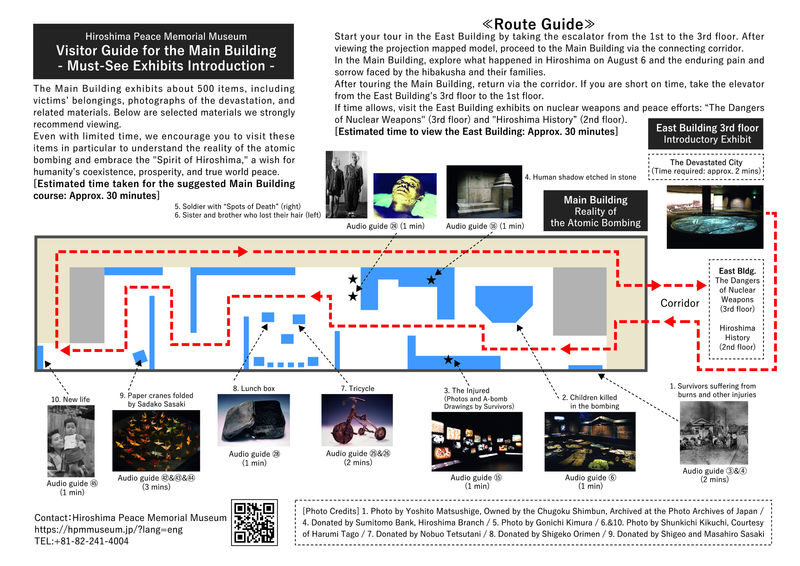
The museum is at 1-2 Nakajimacho, Naka Ward, Hiroshima, within Peace Memorial Park. From JR Hiroshima Station, take Hiroshima Bus No. 24 for Yoshijima and get off at Heiwa kinen koen. The Hiroshima meipuru~pu sightseeing bus also stops there, on both its orange and green lines, leaving from the Shinkansen-guchi exit.
From Hiroshima Airport, take the limousine bus to Hiroshima Bus Center. From Hiroshima Port, Hiroshima Bus No. 21 runs toward Hiroshima Station, Mukainada-ohara, or Yokodai-danchi; get off at Chuden-Mae and walk about 10 minutes.
Driving is possible, but the Peace Memorial Park, museum, and Hiroshima National Peace Memorial Hall for the Atomic Bomb Victims do not have public parking, except for visitors with disabilities. If you arrive by car, use a nearby paid parking lot. For most visitors, public transport is the simpler choice.
The main package is admission to the permanent exhibition. The rental audio guide is a separate option, and buying it does not include admission. Audio guide availability is limited to specific periods: 7:30 to 8:30 and 17:30 to closing from March through July and September through November; 7:30 to 8:30 and 18:30 to closing in August; and 7:30 to 8:30 and 16:30 to closing from December through February.
If you hold a Hiroshima Omotenashi Pass or Visit Hiroshima Tourist Pass, look for the holder ticket option when booking to access the stated discount. Senior ticket holders should bring valid proof of age 65 or older. Free admission applies to high school students on specified days, including some Saturdays and dates around Children’s Day and August 6 to 9, but the conditions exclude certain holidays and school breaks.
The museum is wheelchair- and stroller-accessible. Coin lockers are on the first floor of the East Building and require a 100-yen coin, which is returned after use. Large bags are not allowed inside, so pack lightly and use a locker if needed. Re-entry is not allowed once you leave.
Photography and video without flash are permitted for personal use, but tripods and selfie sticks are not. Flash photography or photography intended for publication requires advance application. Keep camera and phone sounds low, do not take calls in exhibition rooms, and follow staff instructions. Food and drink are limited to designated areas, including the Visitor’s Lounge on the first floor of the East Building. Smoking is prohibited in the park and museum; the designated smoking area is south of the East Building, across Heiwa Odori Boulevard.
If you want to understand why Hiroshima is remembered around the world, this museum belongs on your itinerary. Its modest admission price makes it easy to include, and the personal focus gives the history a human scale. The experience is moving and, at times, distressing, so it suits visitors willing to spend time with difficult material.
Book ahead if you value having a voucher ready and want to avoid the ticket counter, especially during an eligible early or late slot. Do not book on the assumption that you will skip every queue or have room to yourself. If quiet reflection is your priority, build in flexibility and be prepared to adjust your pace if the galleries are crowded.
“Booked through Klook: worked as it should”
Admission starts at $1.29. The rental audio guide is a separate option and does not include an admission ticket.
No. Skip-the-line eligibility applies only to specified early and late slots. During regular daytime hours, you may be asked to wait, and an advance ticket does not guarantee a quiet or uncrowded visit.
The museum is open daily from 7:30. It closes at 19:00 from March through July and September through November, at 20:00 in August, and at 18:00 from December through February. Last admission is 30 minutes before closing. It stays open until 20:00 on August 5 and 6.
Hiroshima Peace Memorial Museum is at 1-2 Nakajimacho, Naka Ward, Hiroshima, 730-0811, Japan.
Take Hiroshima Bus No. 24 for Yoshijima from the south exit and get off at Heiwa kinen koen. You can also take the Hiroshima meipuru~pu bus from the Shinkansen-guchi exit; both the orange and green lines stop at Heiwa kinen koen.
No. The rental audio guide is a separate package option, and admission is not included with that option. It is available only during specified seasonal time periods.
Large bags are not allowed in the museum. Coin lockers are available on the first floor of the East Building and require a refundable 100-yen coin. Re-entry is not allowed after you leave the venue.