Physical Address
304 North Cardinal St.
Dorchester Center, MA 02124
Physical Address
304 North Cardinal St.
Dorchester Center, MA 02124

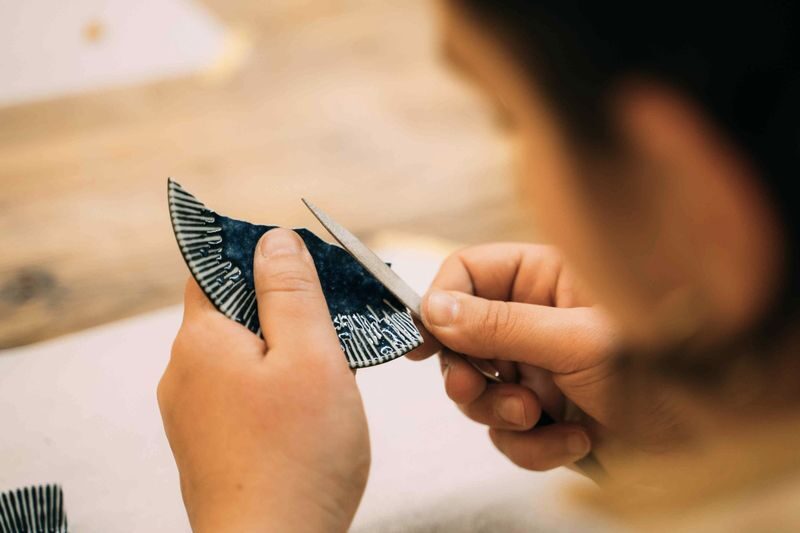
Repair pottery with lacquer and gold powder in a hands-on Kyoto Kintsugi class, with English-speaking instructors and a keepsake to take home.
Kintsugi turns a break into part of a pot’s story. At this Kyoto workshop, you work with lacquer and gold powder to mend a plate or bowl, guided through each step by an English-speaking instructor. You leave with a piece you made yourself, not just another souvenir picked up in a shop.
I like two things about the format: the hands-on work gives you a quiet break from Kyoto’s busy sightseeing, and the idea behind Kintsugi invites you to see a repaired crack as a feature rather than a flaw. Staff members including Luna, Yuri, Ethan, and Jennifer have helped participants through the details, so you can expect support even if you have never done a craft activity.
One consideration: the advertised session is an hour, but you should allow up to 1.5 to 2 hours if you want a relaxed visit. Some pottery choices are included in the starting price, while larger or special pieces can add roughly ¥2,000 to ¥10,000.
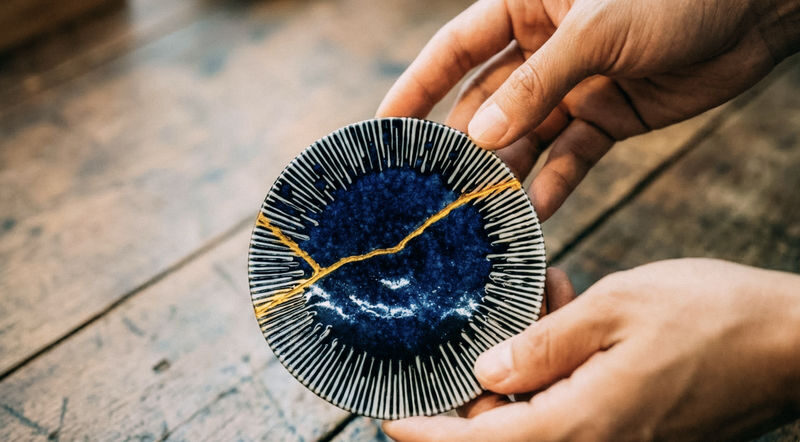
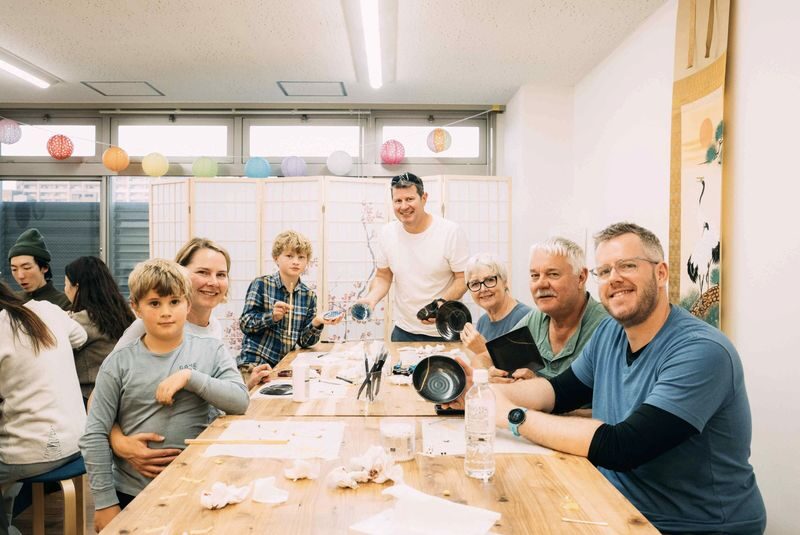
Kyoto is full of fine objects, from ceramics to lacquerware, but this workshop gives you a chance to work with your hands rather than only look. Kintsugi is the Japanese practice of repairing broken pottery and highlighting the joins with gold. The result does not disguise the damage. It makes the repair part of the object’s character.
That idea gives the class more substance than a simple craft session. You are not only following a set of steps; you are also getting a small introduction to a Japanese aesthetic that finds beauty in wear, repair, and change. The concept is easy to grasp, but it can stay with you long after the class, especially when you see the finished lines on your own piece.
The workshop is a short, practical cultural activity, not a long lecture or a formal museum visit. You should expect time to hear about the idea behind Kintsugi, choose a piece, and work through the repair with an instructor nearby. The result is personal and useful as a keepsake, even if you are not someone who usually signs up for art classes.
You might also be interested in these Kyoto experiences
The choice of pottery affects both the look of your finished piece and the final price. Some plates are included in the base cost, while larger or more special options are available for an additional charge. Extra pieces mentioned at the workshop have ranged from about ¥2,000 to ¥10,000, depending on the item and its size.
I would decide your spending limit before you arrive, then look at the included choices first. If a larger plate catches your eye, you can weigh the upgrade against the kind of souvenir you want to bring home. Several people have preferred the bigger designs, but the base options are a reasonable way to keep costs down.
You may be able to choose an item with more than one break or join to repair. One participant suggested that two breaks can make an attractive finished design, but the exact pieces available may vary. Ask the instructor what will work best for the pottery you select, rather than choosing solely by size or pattern.
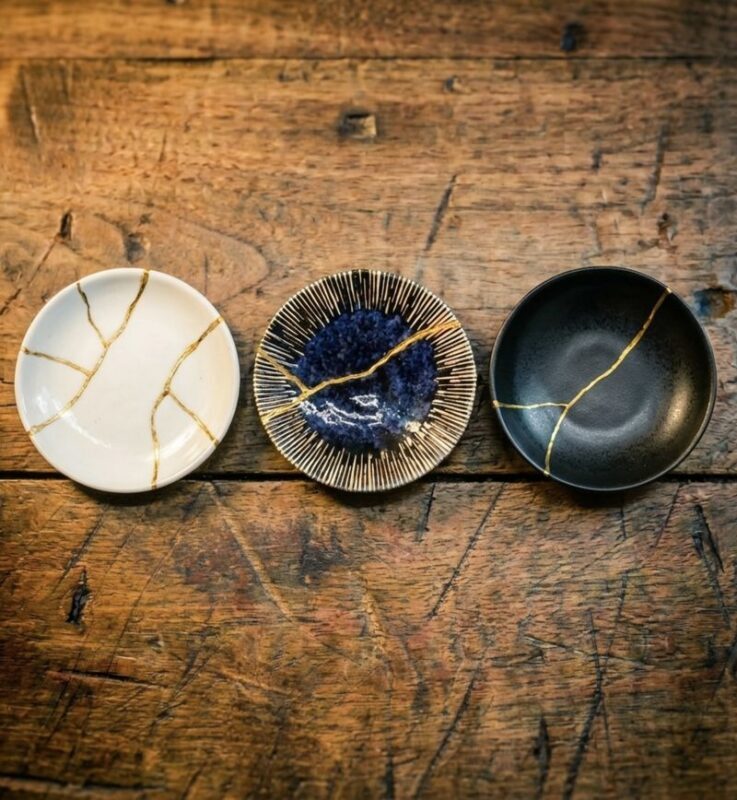
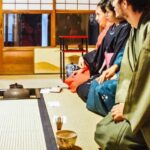
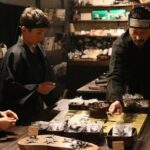
The activity begins at the workshop meeting point, where staff welcome you and guide you into the session. You will work on a tea bowl or plate, learn the basic idea of Kintsugi, and use lacquer and gold powder to bring the broken parts together. Skilled instructors stay close to help with the process and details.
The class is designed for beginners. You do not need prior craft experience, and the instructors can explain the steps in English. Names mentioned by people who have taken the class include Luna, Yuri, Ethan, Jennifer, Ricardo, Noa, and Tomah. The team may vary by session, so you should not expect a particular person, but you can expect English-speaking staff as part of the activity.
This is careful handwork, not a race to finish first. Some people find the process calmer and more absorbing than they expected; others find it trickier than it looks. Either way, you can ask for help as you work. The instructors’ patient, hands-on guidance is one of the strongest reasons this activity suits first-timers and families.
The advertised duration is one hour, but I would avoid booking a tight lunch reservation or another timed activity immediately after. Participants have found that the experience can run closer to 1.5 or 2 hours. If your schedule is packed, choose a later activity with plenty of room between it and the workshop.
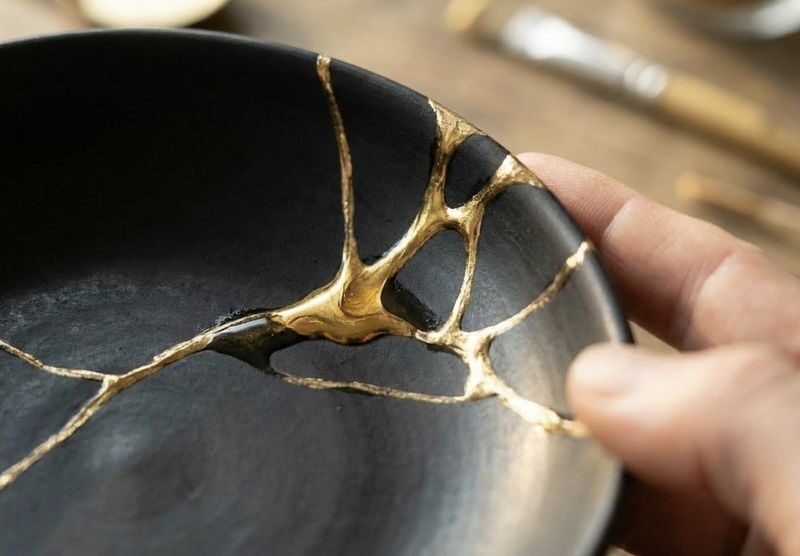
The meeting point is Room 302 on the third floor of Nippo Kyoto No. 2 Building, at Senshojicho, Shimogyo Ward, Kyoto. Look for the sign for En Chopsticks & Craft Workshop. The activity is described as near Gion and Kawaramachi, making it easy to pair with sightseeing in central Kyoto, but check your route to the building before setting off.
You can choose from departure times between 10:00 a.m. and 6:00 p.m., subject to availability. Arrive five minutes before your selected time. Late arrivals and no-shows are not refundable, so do not cut it close, especially if you are finding the building for the first time.
The return time depends on the departure time and session length. Since the workshop may take longer than the stated hour, keep your plans flexible. It is a particularly useful indoor option for a rainy day, or a welcome pause when you have already spent much of the day on your feet.
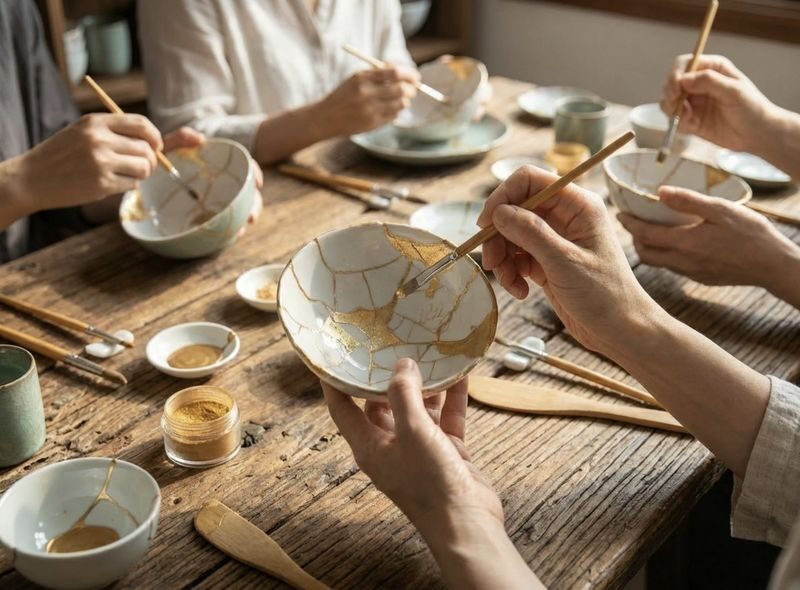
The starting price is listed from $19.75, which is a modest outlay for an instructor-led activity and a handmade keepsake. The main thing to watch is the cost of your pottery selection. Some options are included, but special and larger pieces can add a meaningful amount, so the advertised starting price may not be the price you pay if you upgrade.
For value, compare the total cost with what matters most to you. If you want an hour of guided craft time and a personal souvenir, the included pottery may be enough. If you have your heart set on a larger or distinctive plate, decide whether that extra cost is worth it before you choose. Admission, an English-speaking staff member, and a professional guide are included; tips and personal expenses are not.
The value is also in the pace and setting. This is a compact activity that can fit into a day around Gion and Kawaramachi, and it offers something different from temples, shops, and walking tours. You are paying for instruction and the chance to make something yourself, not a long tour or a large collection of included extras.
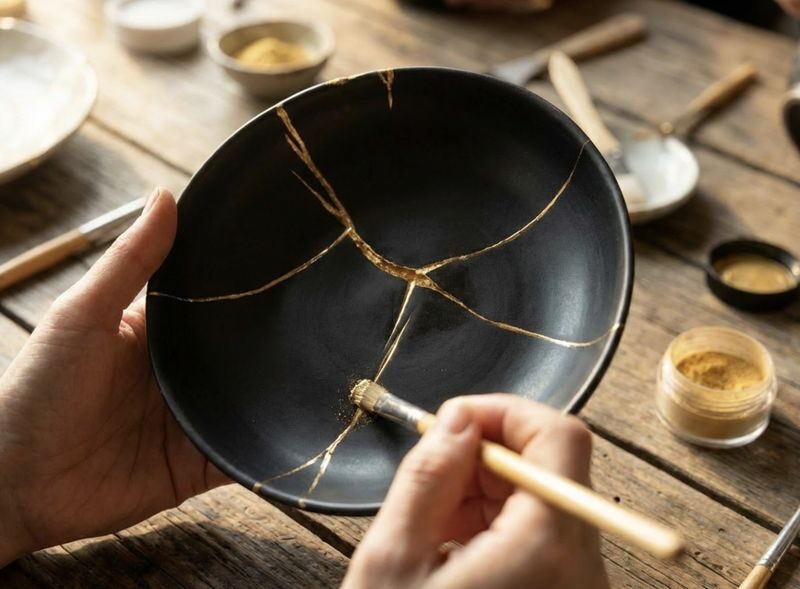
This is a good fit if you like hands-on activities, want to learn about Japanese aesthetics through making, or need an indoor plan. You can come alone, as a couple, with friends, or as a family. Children are allowed, and children aged 13 and older are charged the adult rate. Families with younger children have also taken part, though each child’s patience and comfort with careful handwork will vary.
You do not need to be artistic. The class is structured so that an instructor can help you at each step, and the aim is to make a finished object that feels like yours. If you enjoy precision and small details, you may find the careful work especially satisfying. If you would rather spend the hour moving around or seeing a series of landmarks, this quiet workshop may feel slow.
It is also a thoughtful choice if you want a souvenir with a story. A repaired plate can remind you of the time you spent making it, as well as the idea of finding beauty in a visible repair. Just remember that the workshop is best approached as a creative experience, not a promise that every piece will look exactly like a shop-bought object.
Book a time that suits your day and bring your mobile voucher. The voucher is valid only on the date and time selected. Booking confirmation is usually immediate, and the activity can be booked for the following day when availability allows.
You can change a booking up to 24 hours before the activity starts, subject to the stated exclusions. To receive a full refund, cancel at least 24 hours before the activity date in local time. If severe weather or another unforeseen event causes the operator to cancel, you can reschedule or request a full refund.
Book it if you want a short, personal activity that combines a simple introduction to Japanese culture with time to make something by hand. The patient English-speaking instruction, choice of pottery, and chance to take home your work make it a strong alternative to another hour of sightseeing on foot.
Skip it if your schedule cannot absorb a session that may last closer to two hours, or if extra pottery costs would spoil the experience for you. For the best visit, arrive early, ask about the included pottery before choosing, and leave enough time afterward. If that sounds like a good fit, this is a worthwhile way to make a Kyoto keepsake with your own hands.
“had a great time at the workshop. Ricardo was a great teacher!”
The listed duration is one hour. Allow 1.5 to 2 hours if you want extra time, as the session may take longer than the stated duration.
Meet at Room 302 on the third floor of Nippo Kyoto No. 2 Building, Senshojicho, Shimogyo Ward, Kyoto. Look for the En Chopsticks & Craft Workshop sign.
Departure times are offered from 10:00 a.m. through 6:00 p.m. Available return times depend on your chosen departure time and the session duration.
Yes. English-speaking staff and a professional guide are included.
Some plate options are included, while special or larger pieces may cost extra. Additional pottery options have been reported at about ¥2,000 to ¥10,000, depending on size and type.
There is no age limit. Children aged 13 and older are charged the same rate as adults.
Yes. Completed works can be taken home as souvenirs.
A full refund is available if you cancel at least 24 hours before the activity date, using destination local time. If the operator cancels because of extreme weather or another unforeseen event, you can reschedule or request a full refund.