Physical Address
304 North Cardinal St.
Dorchester Center, MA 02124
Physical Address
304 North Cardinal St.
Dorchester Center, MA 02124

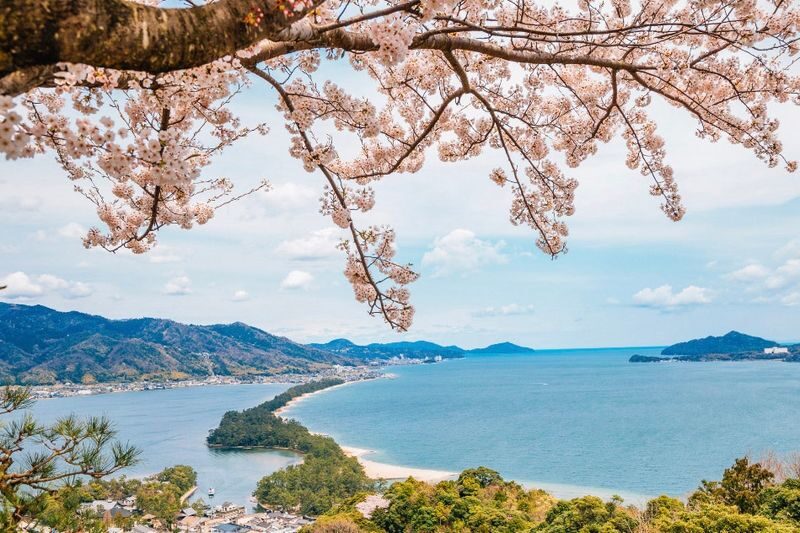
Visit Ine’s boat houses, Amanohashidate and Miyama’s thatched village in one day from Kyoto, with a multilingual guide and round-trip bus transport.
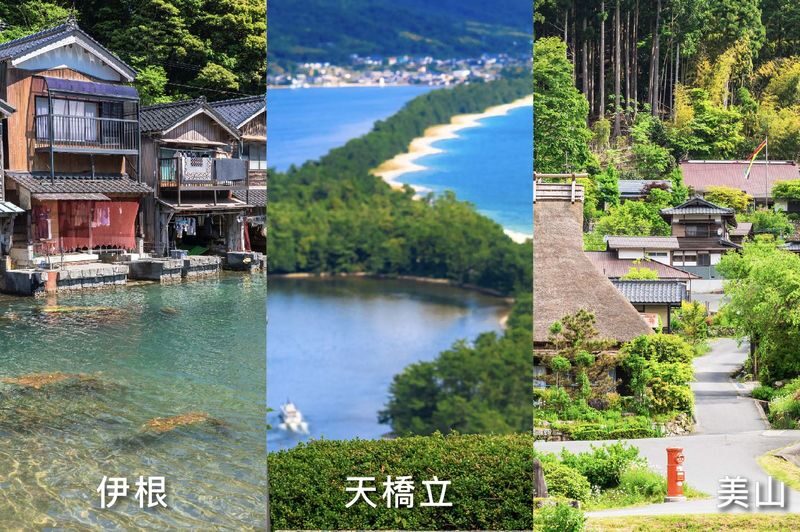
Northern Kyoto puts three very different scenes within reach in a single day: a fishing village built along the water, a famous pine-covered sandbar and a hamlet of steep thatched roofs. This tour makes the long distances between them manageable by bus, with free time to explore on your own at each stop.
I like that Ine and Miyama show a quieter, rural side of the prefecture, while Amanohashidate brings the big-name view. I also like the practical help of a multilingual leader. Guides such as Maggie and Mika have been praised for clear explanations, local food tips and help taking family photos.
The trade-off is a full day with limited time at each place. You get a strong sampler, not a slow visit, and boat or cable-car tickets, meals and drinks cost extra.
This is a roughly 10-hour outing from Kyoto, departing at 8:00 am after a 7:45 am meeting near Kyoto Station’s Hachijo Exit. The route covers Ine Funaya, Amanohashidate and Miyama’s thatched village, with a return to Kyoto around 5:30 pm. The order may change with traffic or weather.
The three stops are far enough apart that arranging them independently in one day can mean a lot of planning and time spent changing transport. Here, you settle into a dedicated bus and let the tour leader manage the schedule. That convenience is the tour’s main value: the fare starts at $51.19, while independent transport to all three places could take more effort and might require splitting the trip over two days.
The style is mostly self-guided rather than a continuous escorted walk. Your leader can explain the places and give practical guidance, but you should expect to spend much of each stop choosing your own route, taking photos and finding food or activities.
Key points to know
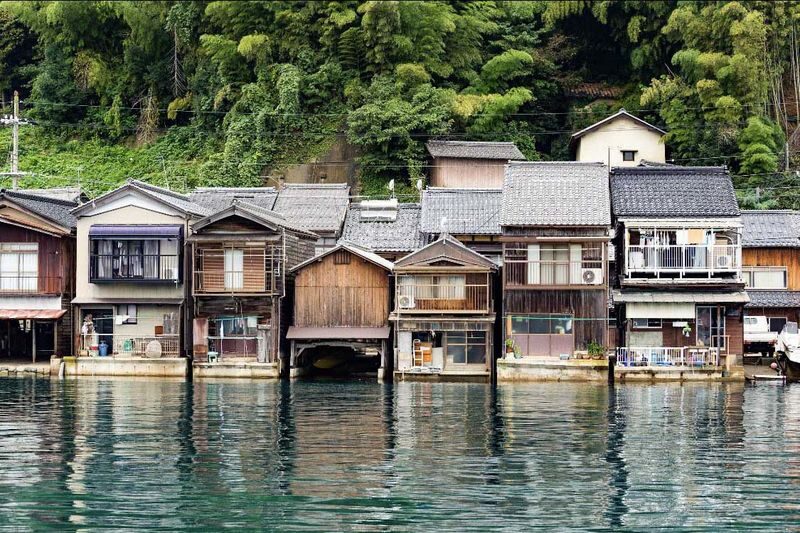
The first stop is Ine Funaya, a small fishing town wrapped around Ine Bay. The village extends along the water for nearly five kilometres, with mountains behind it and the bay in front. Its defining feature is the Funaya, distinctive boat houses that give the waterfront its unusual, close-to-the-sea character.
You have about an hour here for a self-guided visit. That is enough for a walk through part of town, time to study the buildings and a stop at Ineura Park for a closer look at the architecture. It is not enough to wander every lane at leisure, so focus on the waterfront and keep an eye on the time.
A sightseeing boat is an optional extra, not part of the included transport. It can give you a different view of the bay and its buildings, but decide early if you want to take it, since the stop is short. One practical warning: birds may follow boats, and kites or gulls can snatch food. Keep snacks put away if you would rather take photos than defend your lunch.
Ine is the tour’s most distinctive stop for anyone drawn to everyday coastal life and unusual architecture. It is also the place where the one-hour limit may feel most noticeable. If you want a long boat ride, a leisurely meal and time to explore the whole village, a separate visit would suit you better.
Looking for more options in Miyazu? Here are some other experiences worth considering.
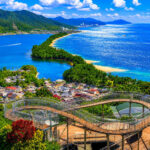
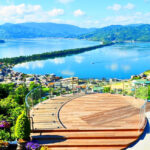
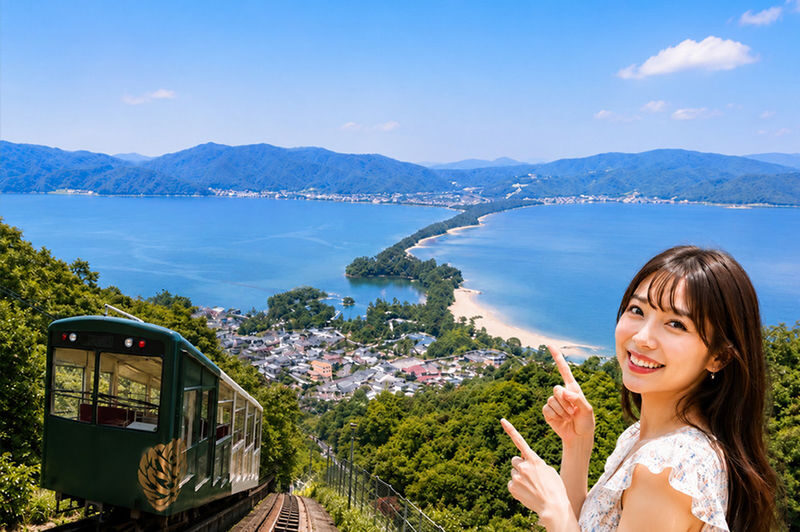
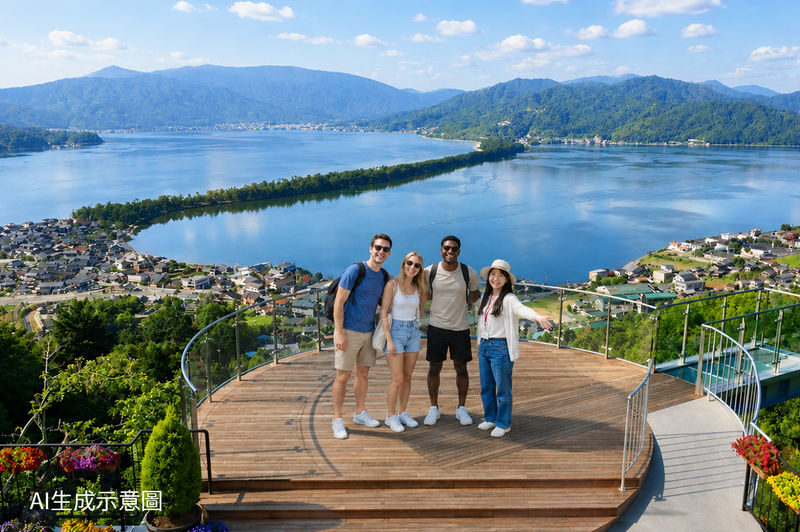
Next comes Amanohashidate, one of Japan’s Three Views, along with Matsushima and Miyajima. The long sandbar separates Miyazu Bay from Aso Sea. It is about 3.6 kilometres long, varies from roughly 20 to 170 metres wide, and carries a line of around 8,000 pine trees.
The tour allows about two hours at Amanohashidate, including time around Kasamatsu Park. That gives you a chance to enjoy the view and choose an optional ride on the cable car or chairlift. Tickets are not included, so budget for them separately if you want to go up. The precise experience depends on the day’s conditions and on how you use your free time.
This is the stop most likely to satisfy anyone hoping for a classic, wide-open scenic view. It also has the most obvious choice to make: stay at ground level and explore at your own pace, or pay extra to reach the park viewpoint. If riding up is a priority, leave enough time for the ticket purchase and return journey rather than treating it as an afterthought.
Two hours is a useful window, but it is not a full day at the site. You will need to choose between activities rather than assume you can do everything at a relaxed pace. The tour leader may help with ticket arrangements, but the tickets themselves remain your expense.
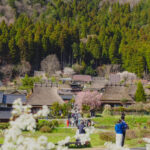
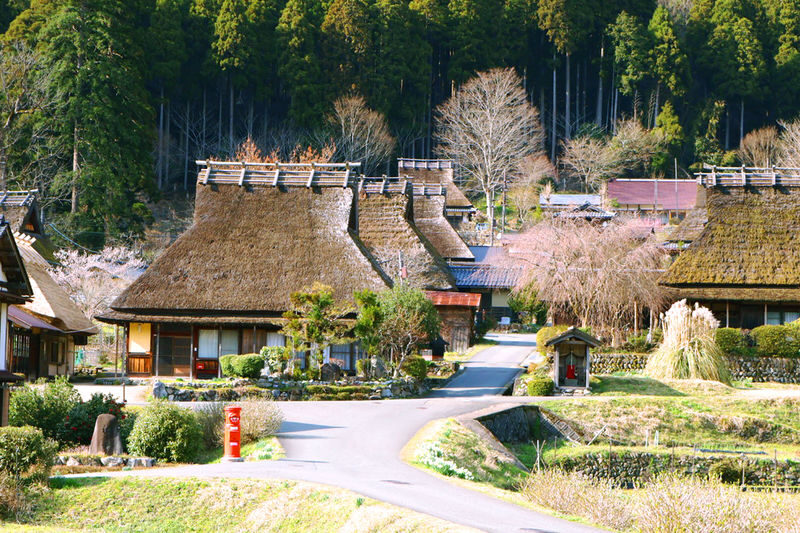
The final stop is Kayabuki no Sato in Miyama, a rural settlement in Nantan City known for its traditional thatched farmhouses. It is one of Japan’s notable thatched-roof village groups, alongside Shirakawa-go and Ouchijuku, and is designated an Important Preservation District for Groups of Traditional Buildings.
You get about 50 minutes here. That is enough for a short walk, a closer look at the houses and some photos, but not an extended visit. The appeal is the contrast with the other stops: after Ine’s close-packed waterfront and Amanohashidate’s long sandbar, Miyama gives you a compact glimpse of countryside architecture and village life.
Treat this as a brief visit, not a deep exploration. If the traditional buildings are your main reason for booking, you may wish you had more time. But as the closing stop on a day that also reaches the coast, it gives the route a satisfying change of pace.
The included round-trip bus transfers are what make this itinerary workable in one day. You avoid coordinating multiple connections across northern Kyoto Prefecture, and the ride gives you time to rest between stops. The vehicle can carry up to 47 passengers, though group sizes and bus types may vary. Some people have found the seats comfortable; others have found a bus cramped, particularly if they are tall or broad-built.
Expect a tour leader who can communicate in Chinese, English and Japanese. Maggie and Mika are names associated with particularly attentive service, but there is no guarantee of a specific guide on your date. Helpful leaders have explained what to look for, answered questions, suggested local food and offered to take group photos. Those small acts matter on a day with three separate stops and little spare time.
The bus is not a private vehicle. Odd-numbered groups may be seated with other people, and the listed luggage allowance is one standard-sized piece per passenger. If you are travelling as a family, remember that child seats are not available. Anyone using a wheelchair or other mobility equipment must be accompanied, and the operator advises checking accessibility details with the attraction itself.
At a starting price of $51.19, the tour is appealing if your priority is reaching three remote places without hiring a car or piecing together transport. The price includes the return bus transfers and multilingual tour leader, but not meals, drinks, personal purchases or optional admission. In particular, set aside extra money for the Ine Bay sightseeing boat and the Kasamatsu Park cable car if you plan to use them.
The value depends on what you want from the day. If you are happy to walk, look around and take photos, the base fare may cover the essentials. If you want a boat ride, a cable-car trip and a sit-down meal, your total spend will be higher. There is no included lunch, so use free time to find something to eat or bring a snack. Keep birds in mind around Ine if you carry food.
This is a good-value transport solution, not an all-inclusive sightseeing package. The distinction is useful: you pay a modest base fare for a long route and a guide, then choose which extras matter to you.
Meet at 7:45 am opposite Kyoto Station’s Hachijo Exit, about a two-minute walk away. The bus leaves at 8:00 am, and the meeting point can be confusing if you are unfamiliar with the station. Go early and confirm the exact location the day before. The tour does not refund late arrivals or no-shows.
The scheduled return is around 5:30 pm at Kyoto AVANTI, in front of Don Quijote, at 31 Higashikujo Nishisannocho. Traffic and weather can change the plan, so avoid booking a tight connection or important appointment for the same evening.
Dress for the day’s forecast, and bring motion-sickness medication if you are prone to feeling unwell on buses. In case of extreme weather or other unforeseen events, the operator may cancel and offer a reschedule or full refund. For ordinary cancellation, a full refund is available if you cancel at least 24 hours before the activity date. If you receive a serious local safety alert, use the official contact or platform support promptly rather than relying on a last-minute response.
I would choose this tour if I had one day to see the northern countryside and coast but did not want to drive or plan a string of transport connections. It suits first-time visitors, families who want a guided day out, and anyone who likes scenic stops with time to walk independently. The multilingual support can also make the day easier if you do not speak Japanese.
It is less suitable if you prefer to linger, want a guided tour at every site, or hope to spend several hours on a boat or at the viewpoint. The schedule is efficient, but three places in one day means making choices. One participant who joined after a busy sightseeing day found the following morning tiring, which is a sensible warning: keep the previous evening light if you want to enjoy the ride and the walks.
The tour also works as a Kyoto-to-Osaka transition on some package options, with boarding in Kyoto and disembarking in Osaka. That can save a separate transfer when changing cities, but confirm that you are selecting the right version before booking.
Book this if you want a practical, scenic introduction to Ine, Amanohashidate and Miyama in one day. The bus, multilingual leader and carefully linked route do the hard work, while the three stops offer a strong variety of coastal, natural and rural scenery.
Skip it if you want a slow visit or need more time at any one site. The best way to enjoy this day is to pick your priorities in advance: a boat at Ine, a ride up at Amanohashidate, or a calm walk through Miyama. With realistic expectations and a little extra budget for optional activities, it is an efficient way to see a part of Kyoto Prefecture that is difficult to cover on your own.
“It was a good day tour guided by the knowledgable guide, Maggie. She speaks fluent Chinese and English. She volunteered to take family photos which…”
Meet opposite Kyoto Station’s Hachijo Exit, about a two-minute walk away. The meeting time is 7:45 am, with departure at 8:00 am.
The scheduled return is around 5:30 pm at Kyoto AVANTI, in front of Don Quijote. Traffic and weather may affect the schedule.
The stops are Ine Funaya, Amanohashidate including Kasamatsu Park, and Kayabuki no Sato in Miyama.
The planned free time is about one hour in Ine, two hours at Amanohashidate and 50 minutes in Miyama.
No. The Ine Bay sightseeing boat and the Kasamatsu Park cable car are not included in the fare.
No. Meals and beverages are not included, so plan to buy food or bring a snack.
Tour leaders are available in Chinese, English and Japanese. The assigned leader may vary by departure.
There is no age limit. Children aged zero to three travel free, while children aged four and older pay the adult rate. Child seats are not available.
The stated allowance is one piece of standard-sized luggage per passenger.
A full refund is available if you cancel at least 24 hours before the activity date. Late arrivals and no-shows are not refunded.