Physical Address
304 North Cardinal St.
Dorchester Center, MA 02124
Physical Address
304 North Cardinal St.
Dorchester Center, MA 02124

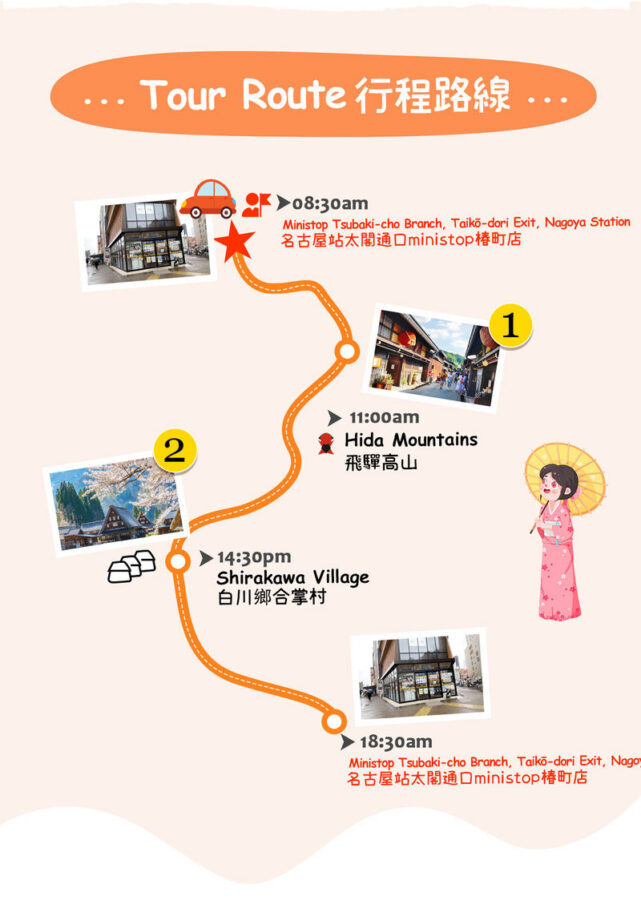
Compare Hida Takayama and Shirakawa-go on a Nagoya day trip, with local food, gassho houses, multilingual guides, and an optional village viewpoint.
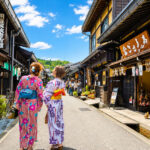
Shirakawa-go’s steep, thatched roofs look especially striking against the mountain setting, but this trip is also a chance to walk Takayama’s preserved old streets and taste Hida beef. The two towns make a satisfying pairing for a full day out of Nagoya.
I like the direct round-trip transport, which saves you the work of linking two destinations by public transit. I also like the local help: guides such as Lin Hu, Im-ho, Sasa, and Jane have shared food tips, route suggestions, and photo spots.
The trade-off is time. Takayama gets about two and a half hours and Shirakawa-go about an hour and a half on the standard schedule, so this is a sampler, not a slow visit. Traffic or weather can shorten those stops.
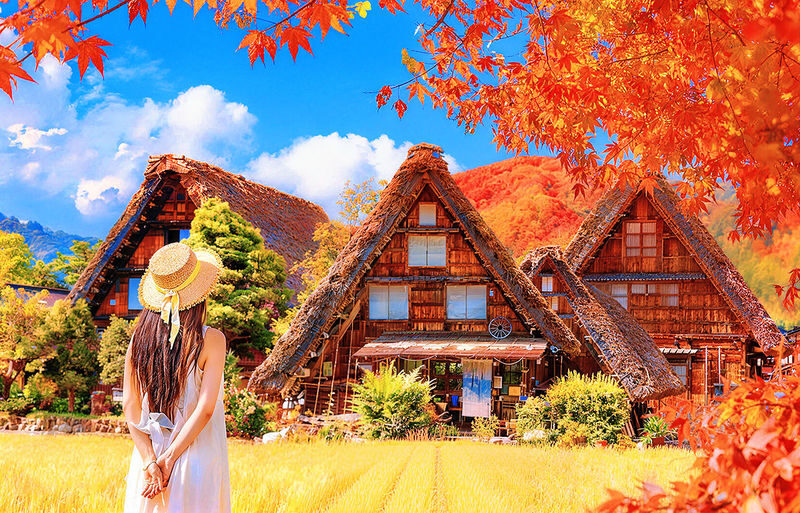
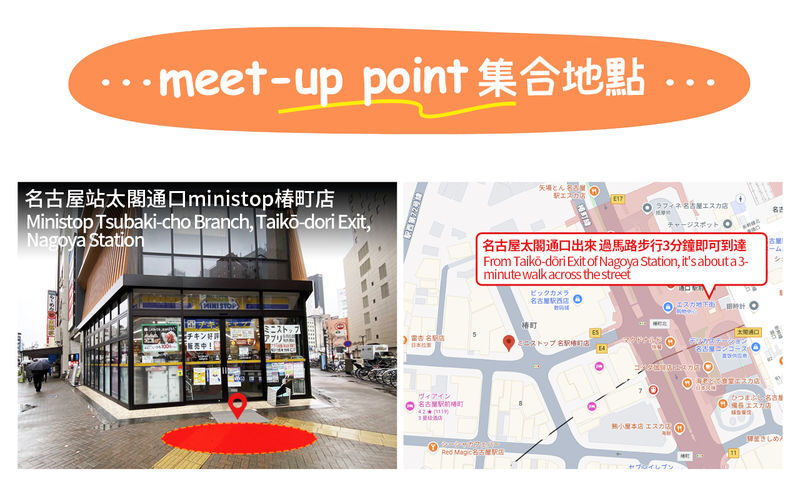
The tour starts at 9:00 near Nagoya Station’s West Exit, by the Mini Stop behind Bic Camera. You meet a group and travel by shared vehicle, with the vehicle type arranged according to the day’s numbers. Group size can range from 4 to 48, so expect a shared-tour feel rather than a private outing.
The route makes sense if you want to see both places without planning the connections yourself. You have round-trip transport and a guide who can explain the day and help you make choices once you arrive. In several languages, guides have also offered practical food recommendations and marked out useful routes. That can matter when your time in each town is limited.
The journey is long, and the exact driving time is not guaranteed. The schedule can change with traffic or weather, and the guide may shorten time at the stops to keep the vehicle within its operating limits. Treat the listed arrival and return times as estimates, not appointments. Don’t plan a dinner reservation, performance, or other fixed activity in Nagoya that evening.
Before the trip, check your email for the guide and vehicle details. The operator sends this information between 20:00 and 21:00 on the night before departure, though it may arrive later in peak periods. Check your spam folder and use the latest message if more than one arrives. Get to the meeting point ten minutes early: late arrivals are not waited for and are not refunded.
Looking for more options in Ono District? Here are some other experiences worth considering.
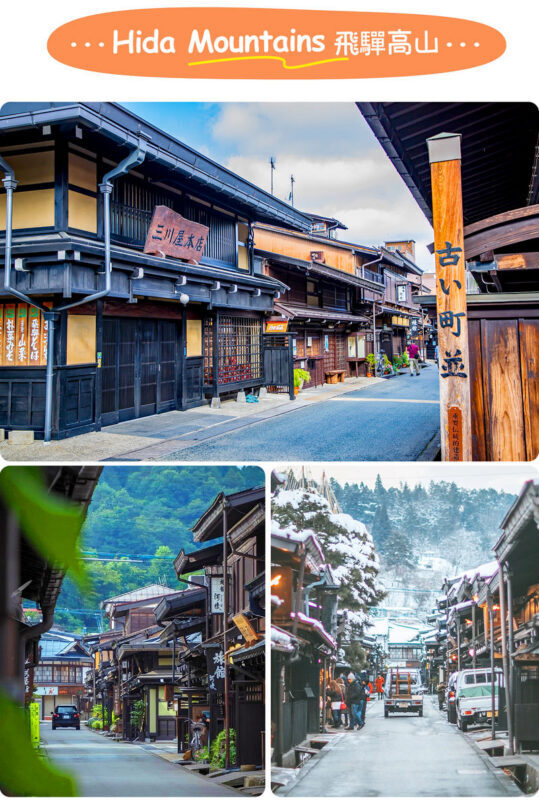
The first stop is Hida Takayama, sometimes called the Little Kyoto of Hida. The appeal is its preserved Edo-period streets, where older buildings give the town a distinct sense of place. You get about two and a half hours on the standard itinerary, enough to stroll, eat, and browse, but not enough to see every corner at leisure.
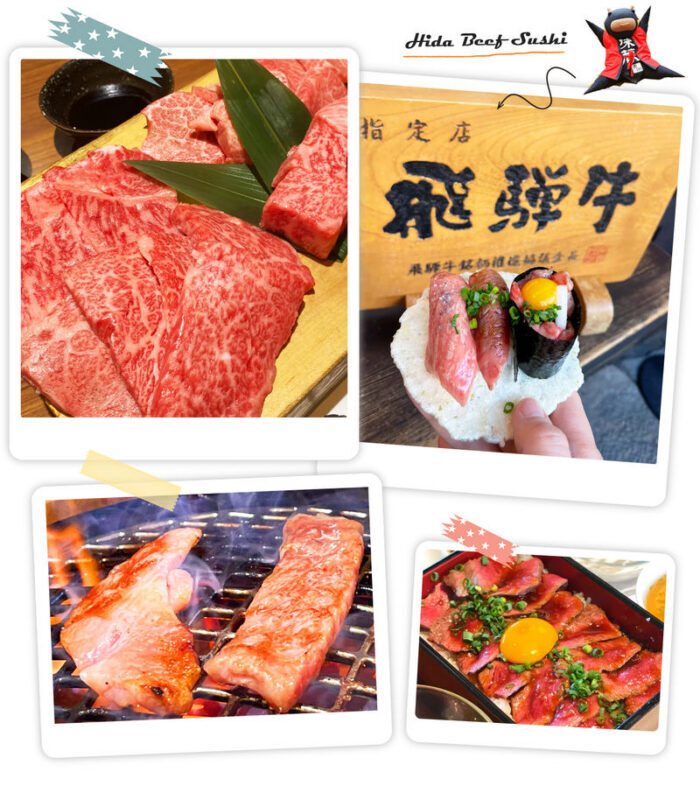
Food is one of the best reasons to use this stop well. Hida beef is the local specialty to look for, and Takayama ramen is another suggested dish. Ajikura Tengoku, Maruaki Hida Takayama, and Hida Kotte Ushi are named options for Hida beef. Meals are not included, so your budget and appetite shape the visit. If you want a proper sit-down meal, keep an eye on the clock; a quick food stop leaves more room for the streets.
Guides may also recommend local shops and snacks. One guide, Lin Hu, has been praised for sharing food suggestions and helping with photos, while Sasa has been noted for explaining the schedule and pointing out popular spots. These details are not guaranteed with every departure, but a guide’s map or route advice can help you make a short visit count.
Takayama is also a place to look for handmade souvenirs, including chopsticks and wood carvings. With limited free time, decide what matters most before you set off: a meal, a careful walk through the old streets, or a little shopping. Trying to do everything can turn a pleasant stop into a race.
There is a timing wrinkle for early risers and market fans. The 9:00 departure has drawn concern that some morning market stalls may be closing by the time you arrive. If the markets are a priority, check the departure options carefully and understand that the posted schedule cannot promise every stall will be open.
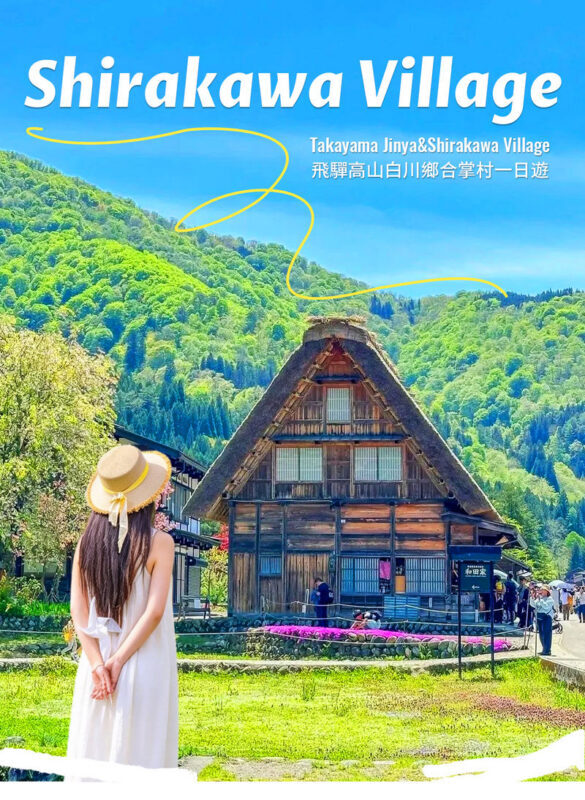
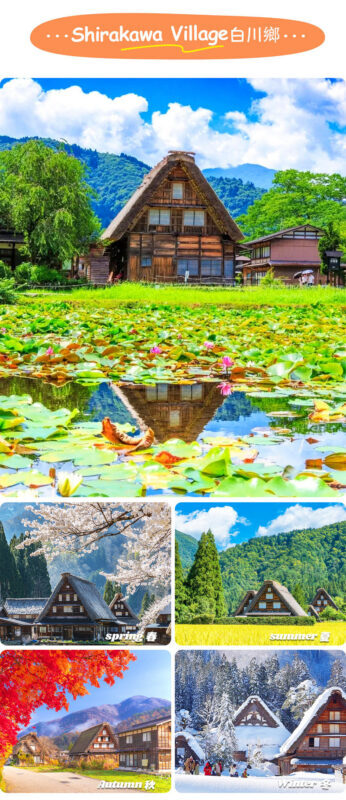
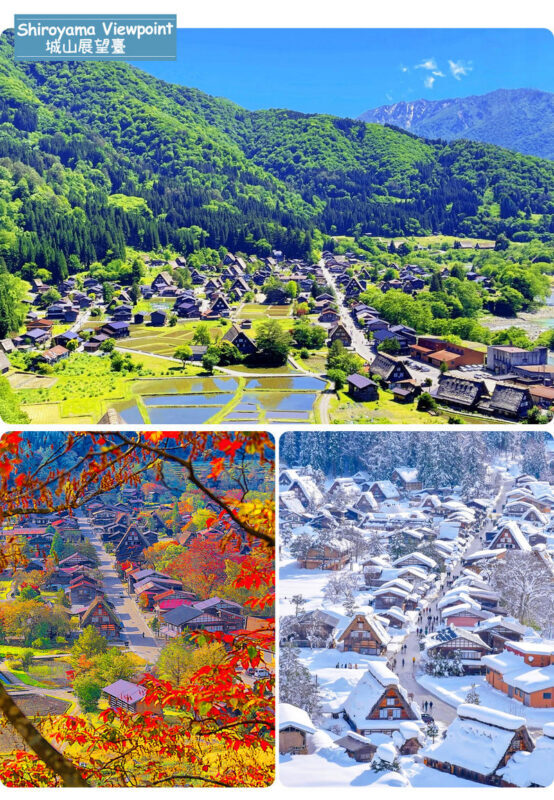
The day continues to Shirakawa-go, a World Heritage village in Gifu Prefecture. Its gassho-zukuri houses have steep thatched roofs, a traditional design associated with the area. The setting among mountains is part of the experience: the houses and surrounding countryside feel closely connected, rather than arranged as a single monument to be viewed from one spot.
The standard 9:00 package allows about an hour and a half for self-guided exploration. That is enough to walk through the village and take in the architecture, but you will need to choose between a broad stroll, visiting an interior, stopping for food, and making time for photos. Some houses can be entered, and guides may identify places worth seeing, but entry costs and access are not specified in the tour price.
The Shirakawa-go observation deck offers an elevated view over the village and its pastoral setting. It is not part of every departure. The package options include observatory departures at 8:00 or 8:30, while the 9:00 Chinese, English, or Korean guide option is explicitly listed as not going to the observatory. Read the exact package name before booking rather than relying on the broad tour title.
For departures that include the viewpoint, the guide may adjust the time at each stop, reducing Takayama time by half an hour and adding half an hour in Shirakawa-go. The number of people at the observatory can vary, and traffic or weather can still change the plan. If the view is a must for you, choose a package that includes it and keep in mind that access is subject to the day’s arrangements.
The season affects the look of the village. Autumn leaves, winter snow, flowers, and special events can be appealing, but weather and natural timing are beyond the operator’s control. The trip runs as scheduled unless an official cancellation notice is issued, and scenery that is less impressive than you hoped is not grounds for a refund.
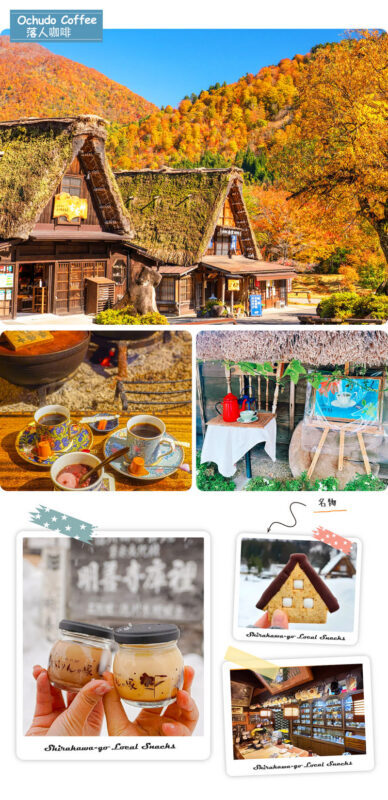
Ochudo Cafe is a distinctive possible stop in Shirakawa-go. It is a gassho-style old farmhouse cafe associated with ONE PIECE, with illustrations and manga scenes by Eiichiro Oda on display. Its menu includes red bean porridge simmered in a traditional irori hearth and Japanese dango.
It is a memorable blend of old-house atmosphere and pop culture, especially if you follow ONE PIECE. But the tour does not promise a cafe visit or include food and drinks, and the village stop is short. Treat Ochudo as a possible choice, not a guaranteed activity. If you want to go, ask your guide how it fits with the meeting time and any other priorities.
The same principle applies to food in Takayama. The local specialties are worth seeking out, but you have to balance eating with walking and shopping. Keep some flexibility in your plan; the guide may suggest a place that suits the day’s timing better than a restaurant you chose in advance.
The itinerary gives Takayama two hours and thirty minutes, then Shirakawa-go one hour and thirty minutes on the standard departure. Those blocks are useful, but a day tour’s free time is not the same as a full afternoon in either town. You are working around a group’s departure time, the road journey, and possible schedule changes.
That makes the tour a good fit if you want a first look at both places and value having transport arranged. It is less suited to anyone hoping to explore Takayama’s streets slowly, spend extended time inside several houses, or linger over a long meal. Some people find two hours at each stop feels rushed, while others find the schedule enough for a satisfying overview. Your pace and priorities make the difference.
At each stop, note the return meeting time and location before wandering off. Guides are reported to give clear instructions, sometimes with map suggestions and photo points, but you are still responsible for coming back on time. The group cannot wait for late arrivals, and leaving the tour partway through means giving up the rest of the itinerary without a refund.
Starting at $49.29, the fare can be good value if the alternative is arranging a long round trip and connections on your own. The cost covers shared round-trip transport and an English, Chinese, or Korean-speaking guide, depending on the package. It does not cover meals, beverages, or personal spending, so include lunch, snacks, and any souvenirs in your budget.
A group can have as many as 48 people. The vehicle is selected according to the number of people booked, and you cannot choose the type. Seating is generally first come, first served, though you can note a special request when booking. The final arrangement is up to the guide, so do not assume that a requested seat is guaranteed.
Guides have been a strong part of the experience for many people. Lin Hu, Im-ho, Sasa, Jane, Tiger, and other named guides have been praised for clear explanations, friendly help, food advice, and care with meeting instructions. Multilingual departures may include people who speak different languages, and explanations can be repeated in more than one language. That is useful if you need a particular language, but it can mean longer stretches of commentary on the bus.
A few practical rules are worth knowing before you book. Each person may bring one piece of luggage free, preferably carry-on size, but you must declare it in the special requirements field a day ahead. Infants under three who do not take a seat still count toward the vehicle’s approved capacity and must be declared. Children aged three and over pay the adult rate; children aged zero to two ride free only if they do not occupy a separate seat. Child seats are not available.
People aged 70 or older and pregnant participants must sign a liability waiver and return it before the trip. Pets are prohibited, and anyone who appears intoxicated may be refused service without a refund. Free cancellation is available with at least 24 hours’ notice, subject to the stated booking conditions.
Book it if you want to see Takayama and Shirakawa-go in one day, prefer transport and basic guidance arranged for you, and are comfortable with a brisk schedule. The food recommendations, old streets, traditional houses, and optional observatory make a varied outing for a first visit.
Consider staying overnight or choosing a more focused trip if you want unhurried time in either place. For this tour, the most important booking decision is the package: confirm your guide language, departure time, and whether the observation deck is included. Then set realistic expectations, arrive early, and leave your Nagoya evening open for the return journey.
“Thank you Gogoday for being so considerate. ❤️”
The scheduled day runs from about 9:00 to 18:30. The return to Nagoya is estimated at 18:30 to 19:30 and can be delayed by traffic or weather.
Meet at Nagoya Station West Exit, by the Mini Stop convenience store behind Bic Camera, at 5-10 Tsubakicho, Nakamura-ku, Nagoya-shi, Aichi-ken 453-0015.
No. The 9:00 Chinese, English, or Korean guide package is listed as not visiting the observatory. Other package options include observatory departures at 8:00 or 8:30.
The fare includes round-trip transport from the meeting point and a guide who speaks the language listed for your selected package. Meals, drinks, and personal expenses are not included.
The standard itinerary gives about two and a half hours in Takayama and one and a half hours in Shirakawa-go. The guide may adjust stop times for traffic, weather, or observatory arrangements.
Each person may bring one piece of luggage free, with carry-on size recommended. You must note it in the special requirements field at least one day before the trip.
Yes. Children aged three and older pay the adult rate. Children aged zero to two may travel free if they do not occupy a separate seat, but they still count toward the vehicle capacity and must be declared.
A full refund is available if you cancel at least 24 hours before the activity date, subject to the booking conditions. Changes are allowed until 24 hours before the activity starts, with some booking types excluded.