Physical Address
304 North Cardinal St.
Dorchester Center, MA 02124
Physical Address
304 North Cardinal St.
Dorchester Center, MA 02124

See Kiyomizu-dera, Fushimi Inari and Nara Park in one day, with bus transfers, guide commentary and free time at each stop.
Kyoto’s shrine lanes, Fushimi Inari’s red torii gates and Nara’s free-roaming deer make a memorable trio, but fitting them into one day means trading depth for range. This bus tour tackles the long distances between the sights for you, with time to explore on foot at each stop.
I like two things in particular: you can see several famous places without working out a chain of train connections, and guides such as Shine and Oh Seok-bong have been praised for sharing useful cultural context and practical tips. Their advice can make free time easier to use, from finding a photo spot to choosing a place for dinner later.
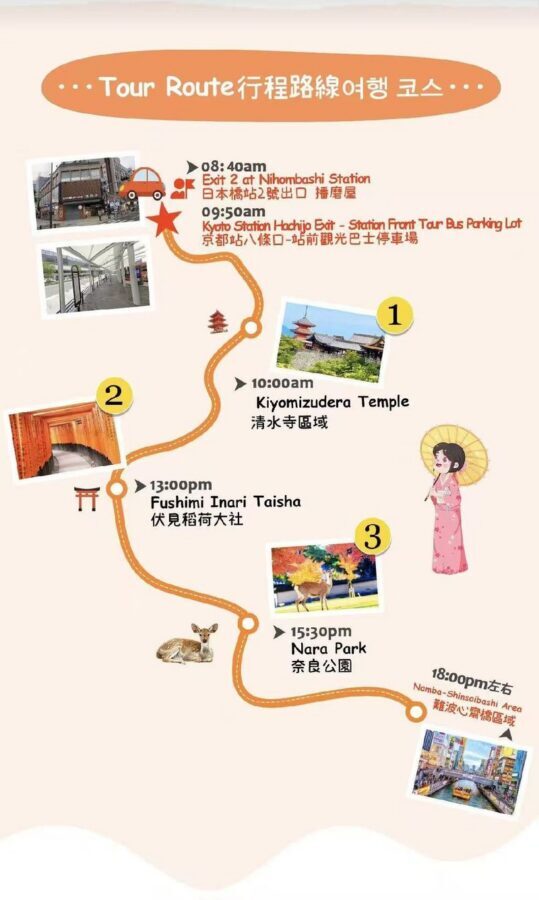
The main compromise is pace. You get roughly two hours in the Kiyomizu-dera area, 70 minutes at Fushimi Inari and 90 minutes around Nara Park and Todai-ji, with traffic able to affect the schedule. And take care when booking: the return is to Osaka, even if you start in Kyoto.
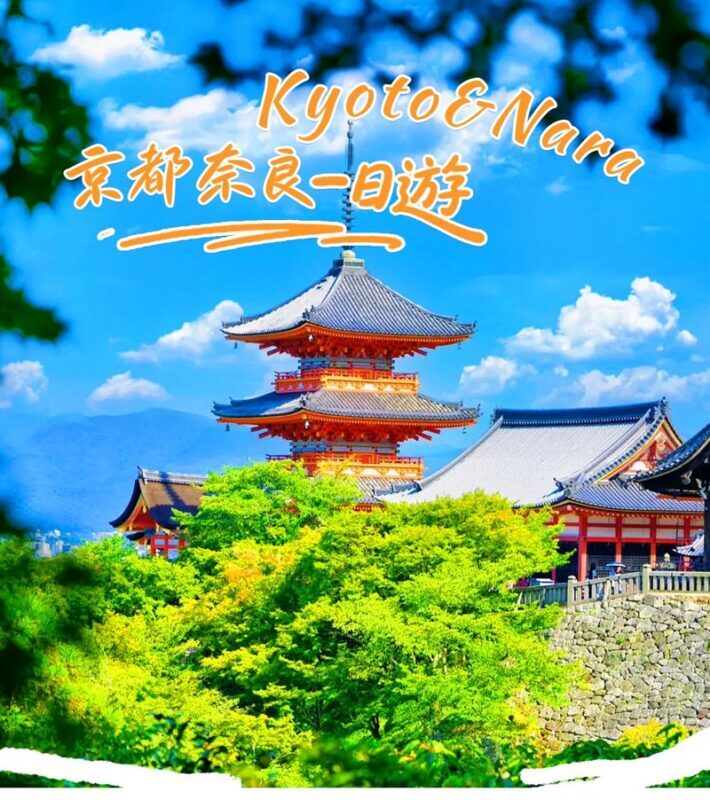
This is a highlights tour for people who want to connect Kyoto and Nara in a single outing. The shared vehicle makes the route more straightforward than arranging several intercity trips on your own, and the guide can fill some of the drive with background on Japanese culture and the places ahead.
That convenience comes with a clear limit: most sightseeing time is self-guided. You are dropped near each area, given a time to return and left to choose what to see. Guides provide commentary and directions, but this is not a private tour with a guide walking beside you through every temple and lane.
The advertised group size ranges from one to 48 people, with vehicle type set according to the day’s bookings. Expect a shared-tour rhythm: the group moves on at a set time, and one person running late can affect everyone else. Bring a watch, listen carefully to the meeting instructions and head back to the bus with time to spare.
You might also be interested in these Kyoto experiences
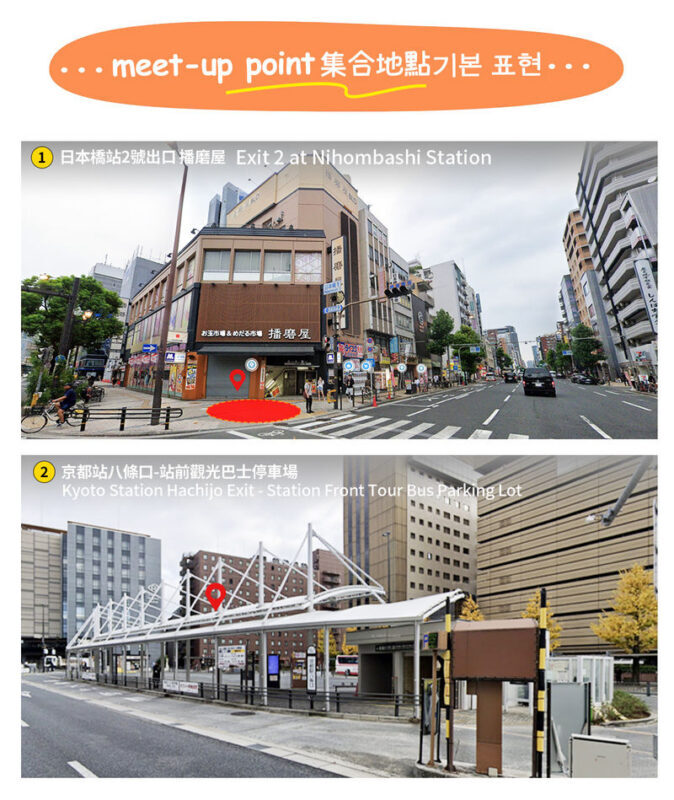
There are two listed meeting points. The Osaka departure is at 08:40 near Nipponbashi Exit 2 in the Namba area. The Kyoto departure is at 09:50 at the Kyoto Station Hachijo Exit sightseeing bus parking area. Arrive at least 10 minutes early, and confirm your exact meeting details before the day.
The operator sends the guide and vehicle information by email between 20:00 and 21:00 the evening before departure. Check your spam folder as well as your inbox, and use the latest message if more than one arrives. The departure time can shift during busy periods or under special conditions, so the email is the one to follow.
Here is the important catch: the return transfer goes to Osaka Kintetsu Nipponbashi and does not pass through Kyoto. If you start in Kyoto, you will need to arrange your own onward travel from Osaka after the tour. The estimated return window is 17:45 to 18:15, but road conditions can push that later. Do not plan a timed evening activity around the estimate.
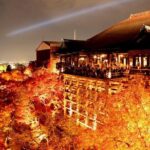
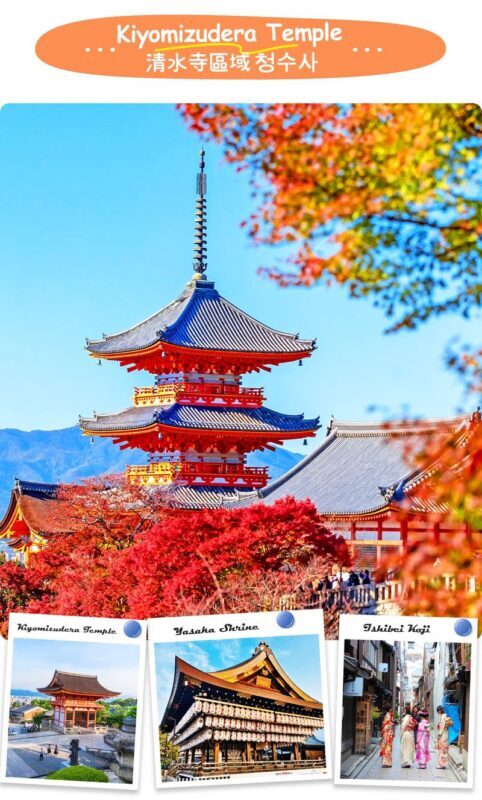
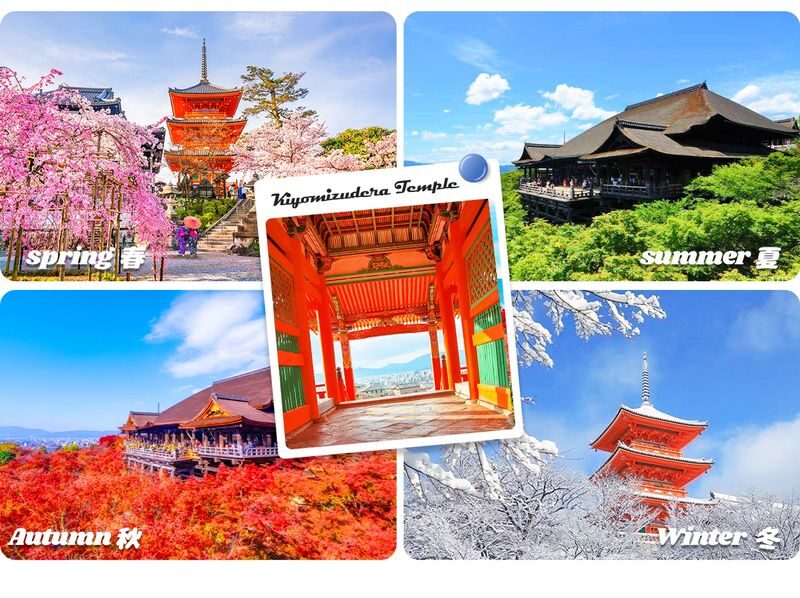
The first main stop is scheduled for around 10:00, with about two hours in the Kiyomizu-dera area. Founded in 778, Kiyomizu-dera is one of Kyoto’s best-known temples and is associated with prayers for love and matchmaking. The temple’s position above the city and its historic setting give this stop a strong sense of place, even on a short visit.
Admission is not included. Adults pay 500 yen, and elementary and junior high school students pay 200 yen. Bring cash for the temple fee, and remember that the entrance cost is separate from the tour price.
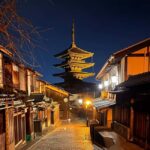
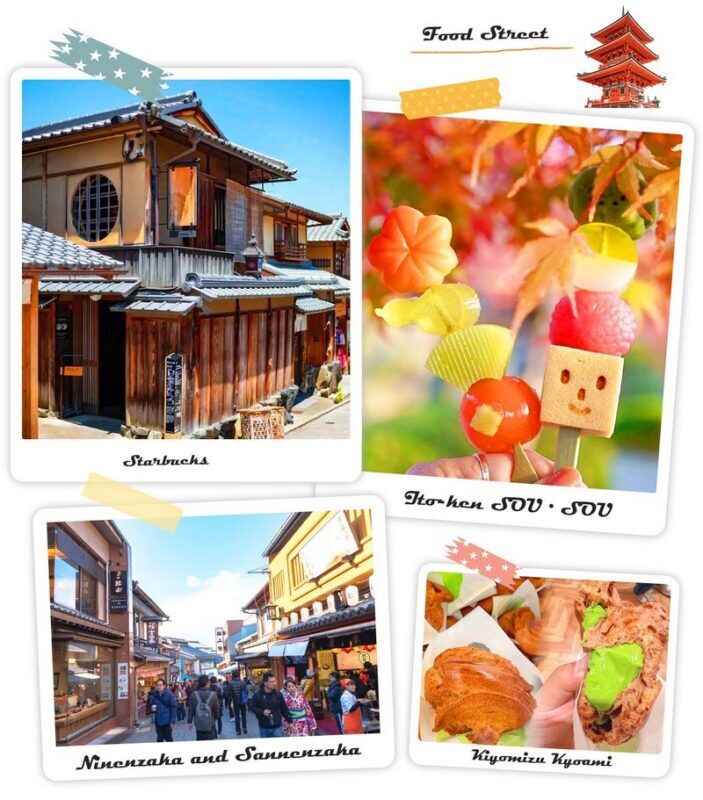
The surrounding streets are part of the draw. Sannenzaka and Ninenzaka are lined with traditional-style buildings and shops, while quiet Ishibei-koji offers a more subdued contrast. Gion Hanamikoji and Yasaka Shrine are also included among the places covered by the activity. However, the listed schedule gives a single two-hour block for the Kiyomizu area, not a separate timed stop for every lane and shrine. Treat these places as possible parts of your Kyoto walking time, not as guaranteed, lengthy visits to each one.
This is where a little advance planning pays off. Decide before you leave the bus whether you want temple time, street wandering, shopping or photos. Trying to do every listed place in detail can turn a pleasant stroll into a race. If a particular temple or side street matters most to you, put it first.
There may be a walk between the bus drop-off and the places you want to see, so wear shoes you can walk in. A kimono can make a lovely photo, but it is less practical if you are hurrying to cover several lanes and meet a group departure. The route may also change, and some attractions can be skipped because of capacity or weather.
Lunch is scheduled for around 12:00 and lasts about 30 minutes, though timing may vary. Food and drinks are not included. The guide may suggest restaurants, and you can choose for yourself; recommendations are optional, not a set group meal.
Half an hour is a short window for finding a table, ordering and eating, especially when many people are looking for lunch at the same time. If you want to use the break efficiently, ask the guide about suggested options before you reach the stop. Some guides have also helped with restaurant reservations or given directions, but those services should not be treated as guaranteed.
Bring a small snack if you know you need more time to eat or prefer not to spend the break deciding where to go. Food cannot be eaten on the vehicle, so plan to finish it during the stop rather than saving it for the ride.
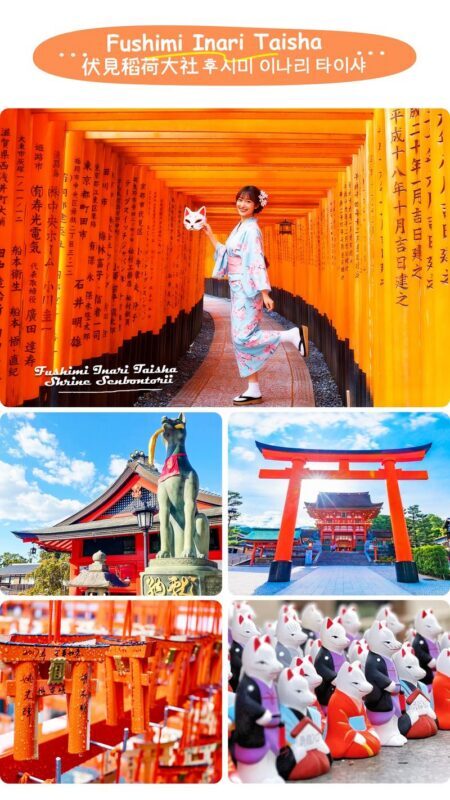
Around 13:00, the group reaches Fushimi Inari-taisha for about 70 minutes. Its famous Senbon Torii, the rows of red-orange gates, create one of Kyoto’s most recognizable walks. The gates lead into wooded hills, with the shrine’s fox imagery and fox-shaped ema adding a distinctive touch.
With just over an hour, you can walk through part of the torii route, pause for photos and visit the shrine area. You are unlikely to have time for an unhurried walk far up the mountain and back. Crowd levels and your walking pace will shape how far you get, so set a realistic turnaround point and keep track of the bus meeting time.
This stop rewards a little restraint. It is tempting to keep following the gates, but the goal is to enjoy the section you can reach and return without a sprint. If the path is busy, give yourself room to walk safely and take photos without blocking others.
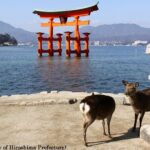
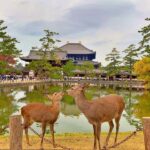
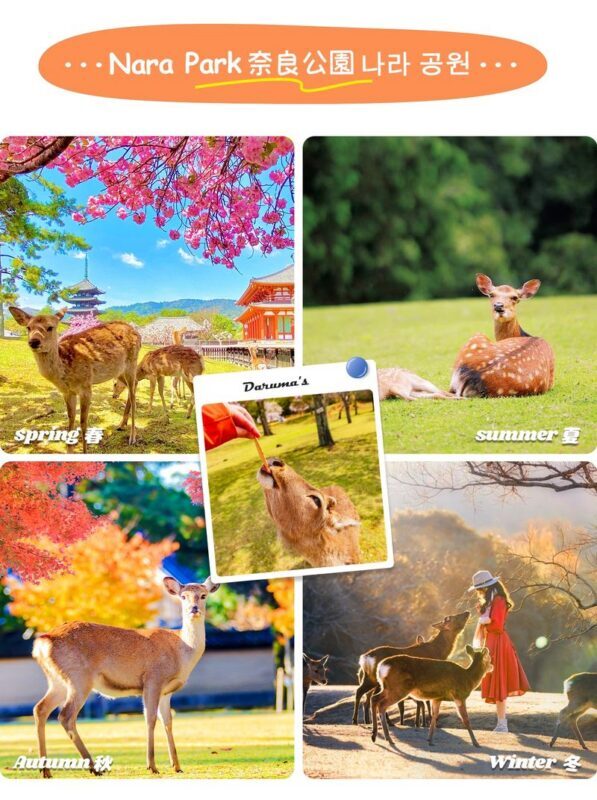
The afternoon brings you to Nara, with a scheduled stop of about 90 minutes from around 15:30. Nara Park is known for its free-roaming deer, and it offers a striking change of pace from Kyoto’s built-up temple districts. The deer are part of the everyday scene here, but they are still animals, not props. Give them space and follow the guide’s instructions.
Todai-ji adds the day’s major historical and religious landmark. Its Great Buddha Hall houses the Great Buddha, and the scale of the building and statue makes this a powerful visit even if you have only limited time. The schedule also lists Todai-ji’s Central Gate, though the 90-minute block covers the wider Nara stop rather than promising a long visit to every part of the temple grounds.
Admission is extra. Adults pay 800 yen for the Great Buddha Hall, or 1,200 yen for the hall and museum. Children pay 400 yen or 600 yen, respectively. If you want to enter, allow for the ticket cost and the time needed to walk between the park and temple. The same 90-minute window must cover both your deer time and temple visit, so you may need to choose what matters most.
For many people, this is the day’s most demanding stop because it combines outdoor walking with a temple visit late in a full schedule. If you are traveling with children or older relatives, agree on a simple plan before getting off the bus. A comfortable pace is better than trying to squeeze in every corner.
The main value is practical: you avoid arranging separate transport between Osaka, Kyoto and Nara, and the vehicle takes you between the major areas. That can save planning time and reduce the strain of multiple transfers, especially if you are traveling with family or have only one day available.
The guide can add more than directions. Guides named Shine and Oh Seok-bong have been praised for clear explanations, cultural background, photo suggestions and restaurant advice. Other named guides include Chu Hong and Seo Geum-bong. The actual guide depends on the date and the language option you book, so do not assume you will have a particular person. The guide may also share timing and meeting instructions in a group chat, depending on the arrangement.
Choose the language package that suits you. The available options include Chinese- and English-speaking guides, and other language packages may be offered. This is a shared tour, and people speaking different languages may ride in the same vehicle. Seat requests are not guaranteed; allocation follows the day’s arrangements, and front-row seating, if purchased, refers to the first three rows but is still handled at the guide’s discretion.
The price starts at $44.89, which can be good value for a full day of transport and several major stops. It is not the complete cost of the day. Add at least 500 yen for Kiyomizu-dera and, if you enter the Great Buddha Hall, another 800 yen. The combined adult admission for those two sites is 1,300 yen, or 1,700 yen if you choose the hall and museum option at Todai-ji. Meals, drinks and personal purchases are extra.
I would choose this tour if I were short on time, staying in Osaka, and wanted a first look at Kyoto and Nara without arranging the transport myself. It is also a sensible option for families or groups who prefer to travel between sights by vehicle rather than manage the connections independently. The guide’s commentary can make the long drives useful, and the free time gives you some choice in how to explore.
I would think twice if you want a slow visit to Kyoto’s backstreets, a long hike at Fushimi Inari or an extended stay with the deer in Nara. The schedule is designed to sample several famous places, not to linger. Independent visitors with plenty of time may prefer to split Kyoto and Nara across separate days.
Pack light, bring comfortable walking shoes and carry cash for admission. Each person may bring one piece of luggage free, but you must note it when booking; bringing it without advance notice can affect whether you are allowed on board. Children aged three and older pay the adult rate, while children aged zero to two can join free if they do not need a separate seat. Pets are not allowed.
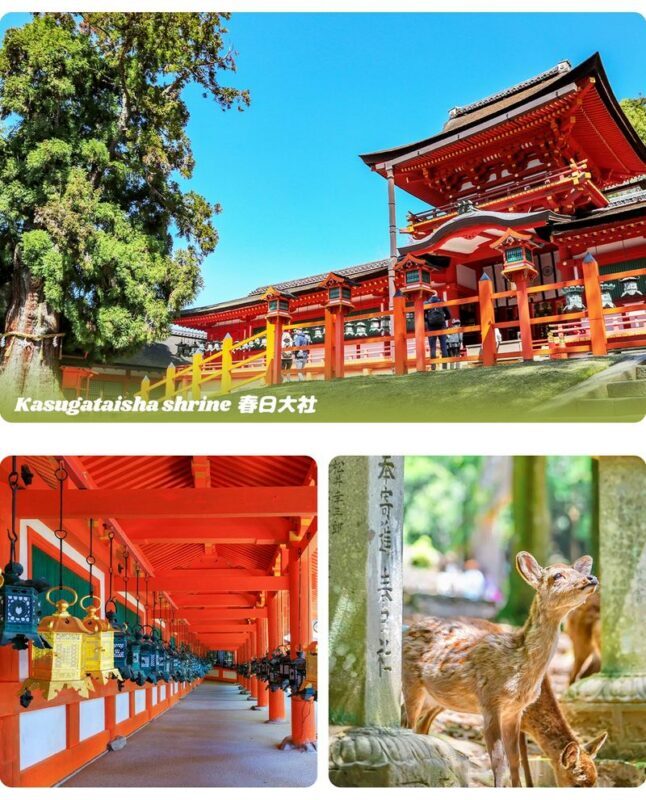
Book this tour if convenience and range matter more to you than a leisurely pace. It is a straightforward way to see Kiyomizu-dera, Fushimi Inari and Nara in one day, with the benefit of transport and guide commentary between stops.
Skip it if you need to return to Kyoto that evening, want to explore each site in depth or dislike fixed group departure times. Before paying, check the meeting point, language package, extra admission costs and, above all, the Osaka return destination. Those details determine whether this is a useful shortcut or a long day that does not fit your plans.
“You explained the descriptions and important notes about the tourist spots in such an easy-to-understand way that we made wonderful memories with t…”
No. The return drop-off is Osaka Kintetsu Nipponbashi. The tour does not pass through Kyoto on the return journey.
The listed meeting points are Nipponbashi Exit 2 in Osaka at 08:40 and Kyoto Station Hachijo Exit sightseeing bus parking area at 09:50. Confirm your exact meeting details in the email sent the evening before.
The day is listed as about nine hours. The expected return to Osaka is between 17:45 and 18:15, but traffic and weather can affect the arrival time.
No. Kiyomizu-dera admission costs 500 yen for adults and 200 yen for elementary and junior high school students. Todai-ji’s Great Buddha Hall costs 800 yen for adults and 400 yen for children; the hall and museum option costs 1,200 yen for adults and 600 yen for children.
No. Meals and drinks are not included. Lunch is scheduled for about 30 minutes, and the guide may recommend restaurants, but you choose and pay for your meal.
The schedule allows about two hours in the Kiyomizu-dera area, 70 minutes at Fushimi Inari and 90 minutes in Nara around Nara Park and Todai-ji. Timing can change with traffic, weather or other conditions.
The package choices include Chinese- and English-speaking guides. Other language options may be available for some departures. The shared vehicle may include people using different language packages.
Yes. Children aged three and older are charged the adult rate. Children aged zero to two can join free if they do not occupy a separate seat.
Each person may bring one piece of luggage free of charge, but you need to note it when booking. The operator says unannounced luggage brought at the last minute may result in refusal to board without a refund.