Physical Address
304 North Cardinal St.
Dorchester Center, MA 02124
Physical Address
304 North Cardinal St.
Dorchester Center, MA 02124

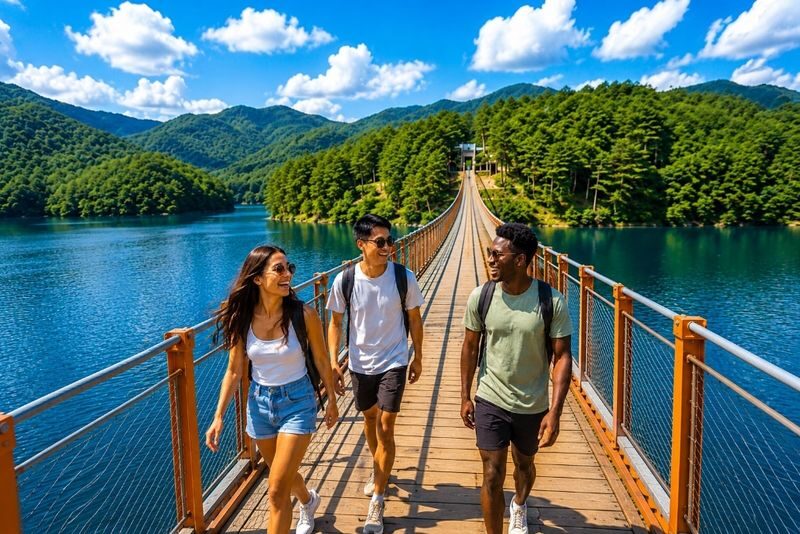
Visit the DMZ, walk the Third Infiltration Tunnel, see North Korea from Dora Observatory, and hear a defector’s firsthand account.
The striking part of this trip is the shift from hearing one person’s account of life in North Korea to looking across the border yourself. At Dora Observatory, North Korea is not an abstract place on a map. It is territory in view, close enough to study through binoculars, yet firmly out of reach.
I like the combination of a defector’s firsthand account and the Third Infiltration Tunnel, which gives the history a human voice and a physical dimension. I also like the Dora Observatory, where a guide can help you understand what you are seeing rather than leaving you with only a distant view.
The trade-off is a tightly timed trip shaped by traffic and military access. You must bring your passport, the tunnel climb is strenuous, and a DMZ closure can mean a substitute tour rather than a refund.
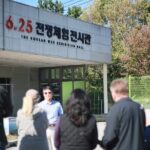
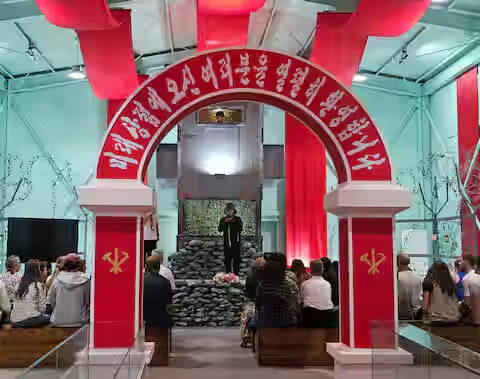
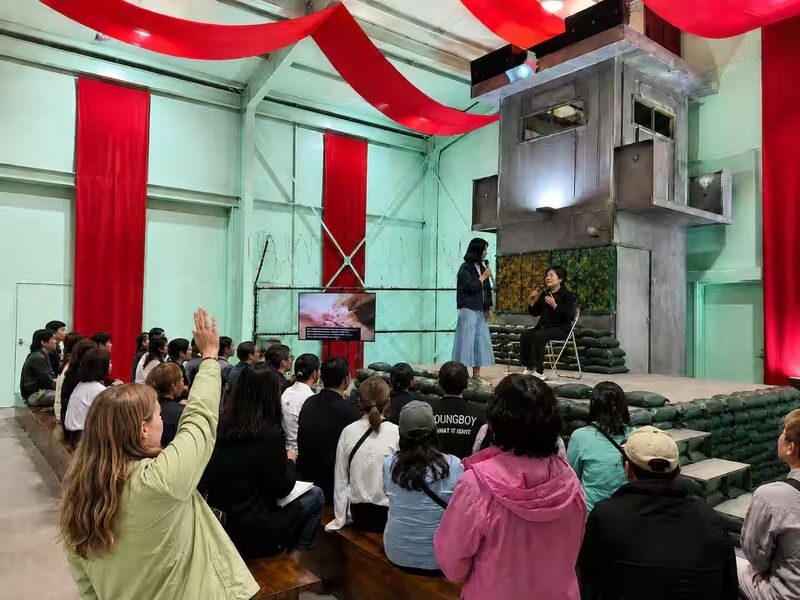
This tour does more than bus you to a famous line on a map. It sets the visit up with a North Korea Experience Center, then takes you to places that connect the peninsula’s division to the ground beneath your feet. That sequence is useful: the personal account comes first, and the border sites give you a physical frame for what you have just heard.
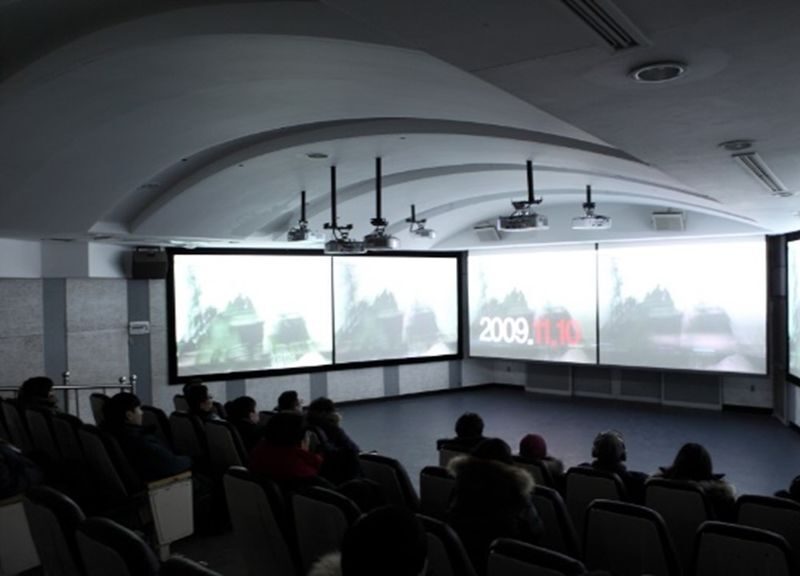
At the center, a North Korean defector shares a firsthand account of daily life, escape, and resettlement, followed by a live Q&A. Displays, videos, and rare North Korean items add context. The discussion can make a complicated subject feel more immediate, though the depth of the conversation will depend on the speaker and the time available.
The trip then continues to the DMZ, including the Third Infiltration Tunnel and Dora Observatory. A guide accompanies you at the key sites and provides historical explanation. Several guides have been praised for bringing the history to life on the bus as well as at each stop. Spring, Julie, Dennis, Simba, Chloe, Cindy, and Happy Sam are among the guides named by people who have taken this tour. Guide assignments vary, so treat those names as examples, not a booking guarantee.
The standard course is a half-day trip from Seoul. The listed price starts at $52.99 for the essential route with the defector meet-up. Adding the Lake Majang or Mt. Gamaksan bridge starts at $66.35, while a private Majang Lake option starts at $467.49. The bridge choices make sense if you want more scenery and time outside the core DMZ stops. The essential option is the better fit if your priority is the border and you have limited time.
Looking for more options in Gangwon? Here are some other experiences worth considering.
The Experience Center is an important counterweight to the military sites. Instead of beginning with maps and dates, you hear from someone who has lived in North Korea and left. The talk covers daily life and escape, with a live Q&A that lets you ask about details that are hard to grasp from a display.
The center also has videos, exhibits, and items from North Korea. These can help explain the everyday realities behind the wider political story. Approach the session with thoughtful questions and an open mind. One account described the defector talk as rushed, so it is wise to see the Q&A as a chance to hear one person’s experience, not a complete portrait of a country.
The tone of the tour can vary with the guide and group. Many guides have been praised for giving clear background, answering questions, and keeping the trip lively. One critical account, however, described too much promotional talk and not enough historical detail. That is a useful reminder: the guide can shape the day, but the core sites and the defector session are the main reasons to book.
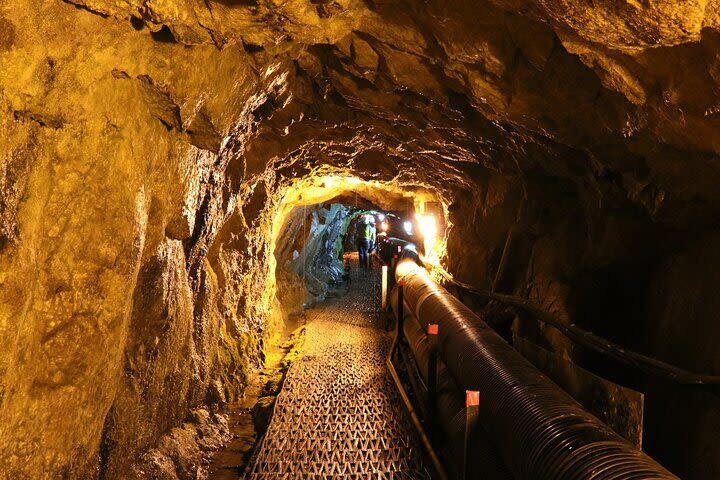
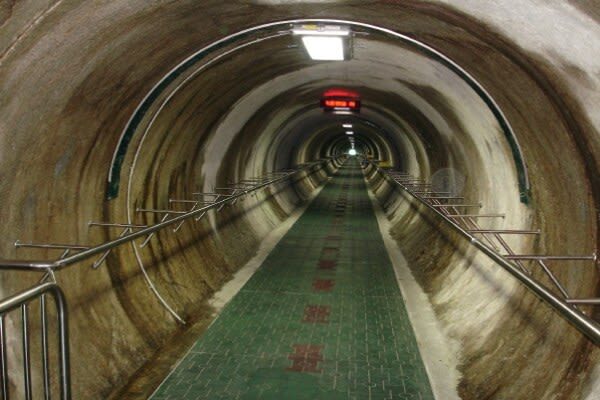
The Third Infiltration Tunnel was discovered in 1978. It was built by North Korea to allow an incursion into the South, and the tour describes it as 1.7 kilometers long and about 73 meters underground. Walking into it makes the division feel less like a line in a textbook and more like a piece of military planning carved through rock.
Expect a physical visit. The route descends and then climbs back out, and the return is a particular effort. The tunnel has a low ceiling, too. One person described repeatedly hitting their helmet, so taller visitors should take that warning seriously and keep their pace measured.
Wear walking shoes and consider your comfort with steep or tiring passages before booking. The tunnel is not a long hike, but it is more demanding than standing at an overlook. If you have concerns about the climb, keep in mind that the tour’s core itinerary includes the tunnel and does not describe an alternate activity for people who skip it.
On Mondays, the tour visits the Second Tunnel instead of the Third. This is a significant detail if you have your heart set on the Third Tunnel. The DMZ is a military area and access can change without notice, so even a planned visit is subject to operational conditions.
Photography rules may limit what you can take home. A participant reported that photos were not allowed in the tunnel and at the observatory viewpoint. Follow your guide’s instructions at each site rather than assuming your phone or camera will be welcome everywhere.
Dora Observatory sits about 1.5 kilometers from the Military Demarcation Line and is described as the northernmost observatory in the DMZ. From here, you look toward North Korean territory. The view may feel less dramatic than the idea of the DMZ suggests, but the significance lies in the real border beyond the viewing area.
A guide’s explanation helps you read the place. The peninsula’s division can seem distant when discussed in Seoul; at the observatory, the geography is right in front of you. One visitor’s favorite stop was this viewpoint, and that makes sense: it gives the day a quiet moment to absorb what the tunnel and defector talk have introduced.
Bring patience for the conditions. Visibility, weather, and access can affect the visit, and the schedule can be adjusted. Do not expect a long, private stretch at the overlook. This is a group tour with several stops, and some people have found the time at individual sites brief, especially in busy periods.
The tour passes through Imjingak Peace Park, where sites include the Mangbaedan Altar and a steam locomotive. These landmarks add another layer to the visit: the DMZ is not only a security zone, but part of a history that has separated families and shaped life on both sides of the border.
The park is a passing stop in the stated itinerary, rather than a long, independent visit. Think of it as a short chance to see memorial sites and connect the border trip with the wider story of Korea’s division. The exact time spent here can depend on the day’s access and schedule.
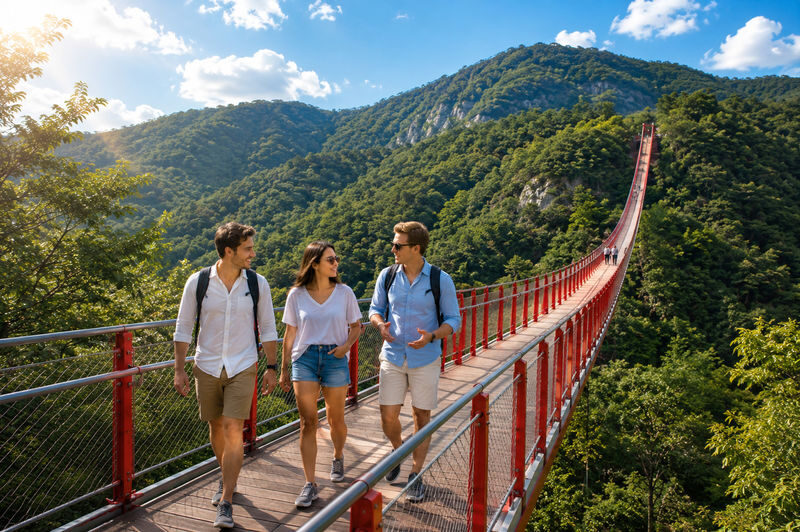
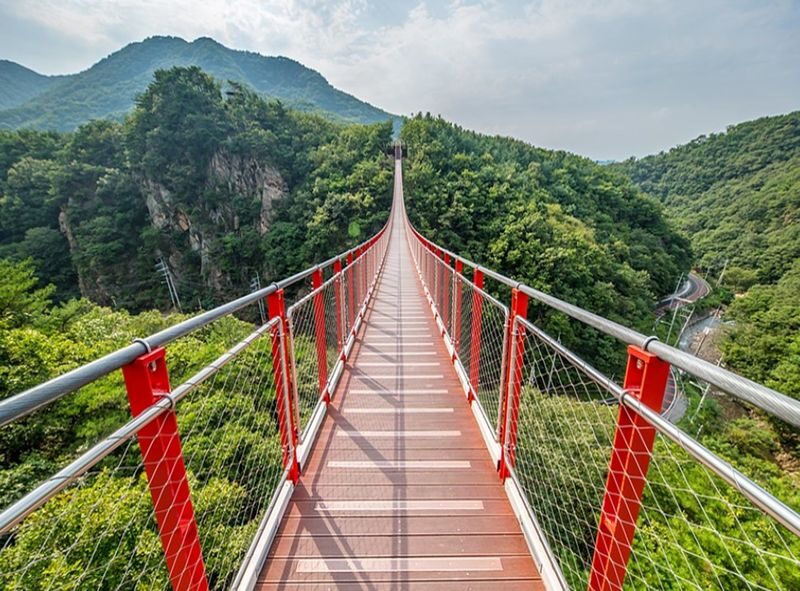
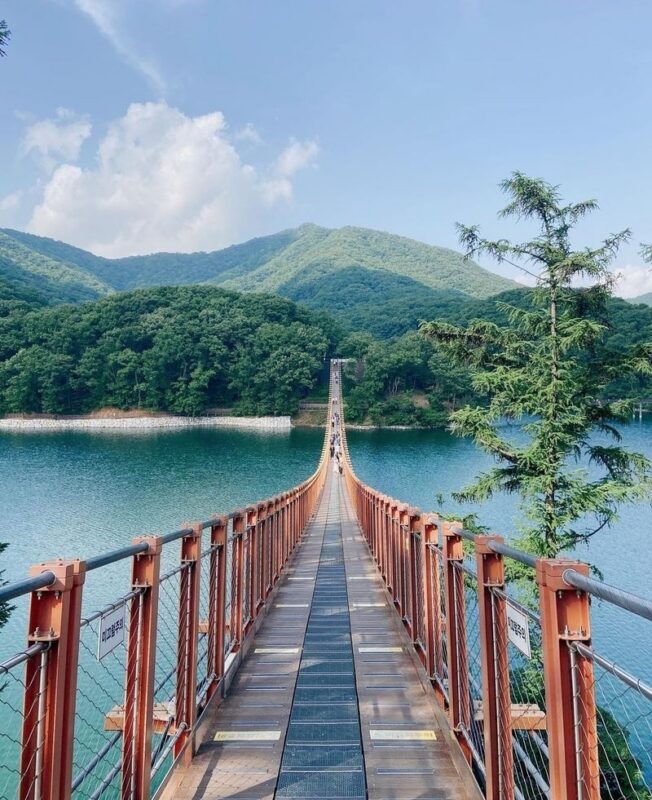
The essential tour focuses on the North Korea Experience Center and the DMZ sites. You can extend the outing by choosing the Red Suspension Bridge at Lake Majang or the bridge at Mt. Gamaksan. Both are connected with Korean War history and offer panoramic views, giving the day a scenic finish beyond the border visit.
The add-ons start at $66.35, compared with $52.99 for the essential route. That difference may be worthwhile if you want to make a fuller day of it and enjoy a view-led stop. If your main interest is the DMZ, the essential course keeps the focus and costs less. A private option with the Majang Lake bridge is also available from $467.49, a much higher price that may suit a group seeking a private outing.
Do not choose an add-on just for a pretty photo stop if mobility is a concern. One person described the climb to a suspension bridge as tough, in addition to the tunnel exit. The route’s physical demands may vary by bridge option, so check the details for your selected package before paying.
The tour departs from Seoul, with departure time confirmed after booking. Listed departure slots include 7:00 or 9:00, and 7:30 or 9:30, depending on the arrangement. Arrive at the assigned meeting point five minutes early. The stated return is around 13:30 at Hongik University Station and 14:00 at Myeongdong Station, but those times are estimates, not promises.
Traffic, weather, and military permission to enter the DMZ can all affect the schedule. One person reported arriving back several hours later than the expected time on a holiday weekend. Keep the afternoon flexible, and avoid making a tight connection or an important reservation based on the advertised return time.
Round-trip transfers from the meeting location are included, along with admission and an English-, Japanese-, or Korean-speaking guide. Free hotel pickup is included for groups of 10 or more. Meals, drinks, insurance, and personal expenses are not included. Lunch is expected around 13:00, so bring money for food and do not assume a meal is part of the price.
Every participant needs a current, valid passport on the day. Children aged 0 to 1 can join free if they do not need a separate seat; children aged 0 to 9 must travel with a paying adult. A mobile voucher is accepted. The DMZ can close suddenly, in which case an alternative tour is provided with no refund under the stated terms. If extreme weather or another unforeseen event leads the operator to cancel, you can reschedule or request a full refund.
For $52.99, the essential course offers strong value if you want a guided introduction to the DMZ without arranging transport and admissions yourself. Its best parts are the contrast between a defector’s account, the physical tunnel visit, and the observatory view. You also get historical context during the bus ride, which can make the travel time feel useful rather than merely long.
Book it if you are curious about Korea’s division, comfortable with a brisk group schedule, and able to manage the tunnel climb. Choose a bridge add-on if you want extra scenery and are happy to spend more time and money. Skip or reconsider it if you need a guaranteed return time, have difficulty with low-ceiling passages or strenuous stairs, or expect an unhurried visit at every stop.
“Well, we never got the DMZ tour we purchased. The tickets for the day were sold out. The guide was concerned from the outset tickets may not be ava…”
Yes. A current, valid passport is required for every participant on the day of the tour.
The standard course visits the Third Infiltration Tunnel. On Mondays, the tour visits the Second Tunnel instead.
No. Meals and beverages are not included. Lunch is expected around 13:00, so plan to pay separately.
The expected return is around 13:30 at Hongik University Station or 14:00 at Myeongdong Station. Traffic, weather, and military access can make it earlier or later.
Yes. You can select an option for the Red Suspension Bridge at Lake Majang or the bridge at Mt. Gamaksan. A private DMZ and Majang Lake bridge option is also offered.
The DMZ may close without notice. If it does, an alternative tour is provided, and no refund is offered for that closure.