Physical Address
304 North Cardinal St.
Dorchester Center, MA 02124
Physical Address
304 North Cardinal St.
Dorchester Center, MA 02124

Review the Seoul Nanta Show: a 90-minute, language-free kitchen comedy with pounding percussion, acrobatics, audience participation, and practical ticket tips.
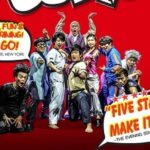
Nanta turns a kitchen into a percussion stage: four cooks race through a cooking mission while chopping, drumming, dancing, and getting into comic trouble. Its wordless physical comedy travels well, and its clattering rhythms draw on Korean Samulnori, giving the show a distinctly local pulse without asking you to follow a translated script.
I like two things about the format: the performers use ordinary kitchen tools to make surprisingly precise music, and the audience sometimes gets pulled into the action, from a dumpling-stacking contest to a mock traditional wedding. One consideration: this is loud, fast, deliberately broad comedy, not a subtle theatrical drama. If you are sensitive to drumming or want a quiet evening, it may not be your show.
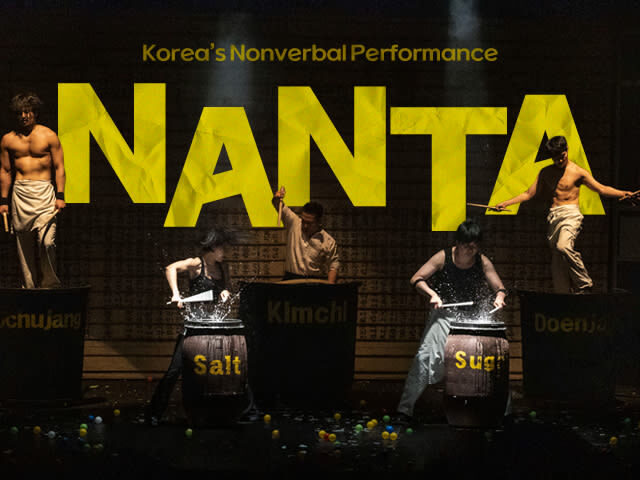
Nanta is built around a simple idea: a group of cooks must prepare food under pressure. That gives the performers a reason to wield kitchen tools, move at speed, and turn work surfaces into drums. The plot is easy to grasp, even if you do not speak Korean, because the action and reactions do most of the explaining.
The show blends comedy with acrobatics, dance, martial arts, and rhythmic percussion. Its musical backbone draws on Samulnori, a traditional Korean percussion style, then gives those rhythms a modern stage treatment. You get a taste of a Korean musical tradition without being asked to sit through a formal concert.
The cooking is part of the spectacle, not a cooking lesson. The focus is on timing, sound, and comic chaos, with knives and kitchen tools used as props and percussion instruments. One performance detail that may surprise you: the food is actually cooked, and the aroma can reach the audience.
You might also be interested in these Seoul experiences
The performance runs for about 90 minutes. It opens with energetic movement and music, then settles into the cooks’ kitchen mission. From there, the show builds through physical jokes, rhythmic routines, and escalating mishaps. The quick pace helps keep the story moving, although the recurring percussion and comedy style may feel repetitive if you prefer a plot with more twists.
The strongest moments tend to come when physical skill and rhythm meet. Plate spinning, in particular, calls for control as well as showmanship. The performers also dance, stage mock fights, and use acrobatic moves to keep the kitchen story from becoming a string of drum solos.
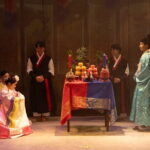
Audience involvement adds a bit of unpredictability. You could be invited to join a dumpling-piling contest or play a part in a traditional wedding scene. This is a fun reason to sit closer if you like the chance of being included, but do not buy a ticket expecting a guaranteed turn onstage. Participation is limited, and the performance works whether you join in or prefer to watch.
The comedy is broad, physical, and easy to read. That makes Nanta a good pick for a mixed-age group or a family with different language skills. It is also a practical choice for a short Seoul evening: one venue, one 90-minute show, and no need to decode a long spoken story.
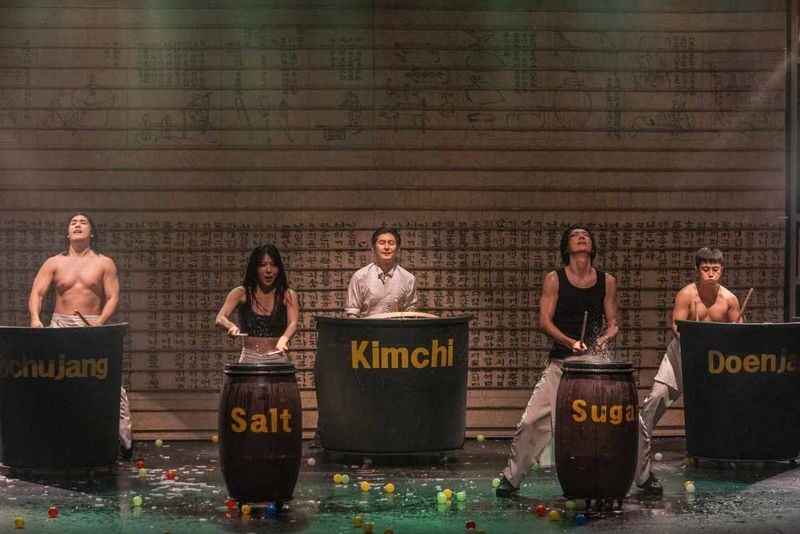
Nanta has two Seoul venues. Myeongdong Theater is on the third floor of UNESCO House, at 26 Myeongdong-gil, Jung District. Its address is sometimes listed with a street number that differs from the Hongdae theater, so check the venue name and address on your booking before navigating.
Hongdae Nanta Theatre is at B2, 29 Yanghwa-ro 16-gil, Mapo-gu. The show itself is the same type of experience at either location, so the sensible choice is usually the theater that fits your plans and is easiest to reach. The ticket information covers both venues, but your ticket is for the selected branch, not a flexible admission to either one.
Finding the Myeongdong entrance can take a moment, as it is not always obvious from the street. The venue is inside the UNESCO Building, and you need to go up to the third floor to exchange your voucher for a physical ticket. Give yourself time to locate it rather than arriving just before showtime.
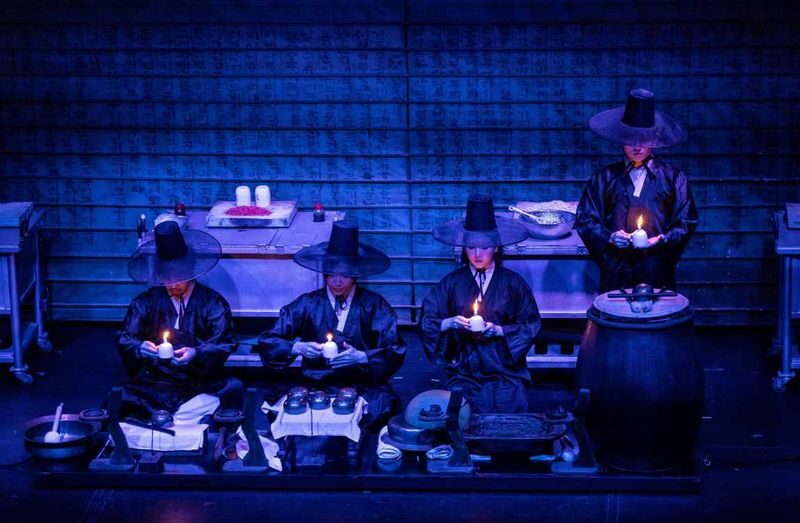
Standard tickets are offered in A, S, and VIP tiers. The listed starting prices vary by location and offer: regular options begin around US$23.25 for A seats, US$29.25 for S, and US$37.45 for VIP. Promotional packages may have different prices, and the displayed price can change, so check the final amount and the exact theater before paying.
The main difference to consider is not just the view. The closest seating may make the performance feel more immediate and can put you nearer the action, including possible audience interaction. But participation is never guaranteed, even with a VIP ticket. At Myeongdong, audience members seated in the balcony may have less interaction than those on the orchestra level.
There is no seat selection at booking or at the theater. Seats are assigned automatically according to the order bookings are placed, not the order people arrive to collect tickets. If you want your party together, make one booking for everyone. Separate bookings cannot reliably be seated together.
Take special care if you are buying more than one ticket category. Do not combine different seat types in a single reservation: for example, an A ticket and an S ticket together may lead to cancellation. Make separate bookings for each seat type instead. The same rule applies if your group wants to mix tiers.
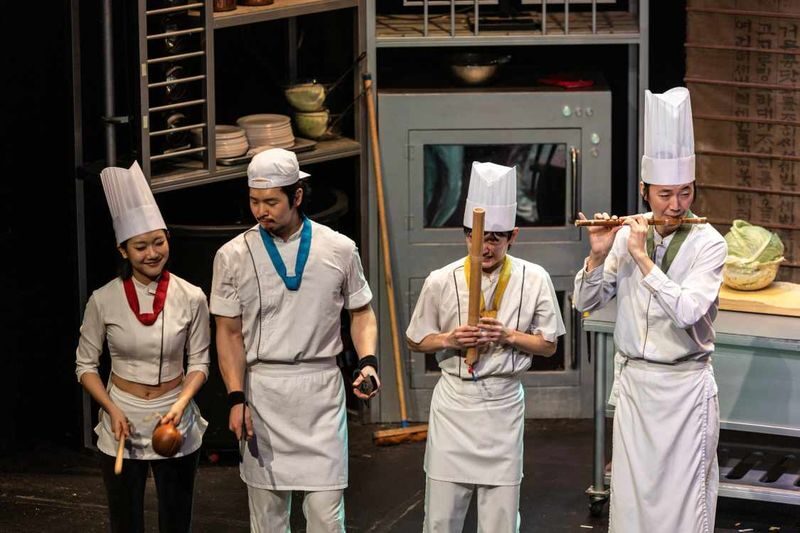
At the lower end of the listed price range, Nanta offers a full 90-minute stage performance with music, comedy, movement, and some audience interaction. That makes it a reasonable evening option if you want a compact show that does not depend on Korean fluency. You are paying for a polished live production, not a long cultural lecture or a hands-on cooking class.
The value depends on what you want from the night. If you enjoy drumming, slapstick, and performers working at speed, you are likely to get plenty from the ticket. If you expect a complex story, quiet musical subtlety, or extensive audience participation, the show may not match your expectations. Its appeal is its energy and easy-to-follow premise, not dramatic depth.
A and S tickets offer the most budget-conscious way to see the production. VIP costs more, and may bring you closer to the stage, but it does not guarantee that you will be chosen for an interactive scene. For most people, the best choice is the seat tier that fits the budget, with the understanding that exact seats are assigned by the theater.
You might also be interested in these Seoul experiences
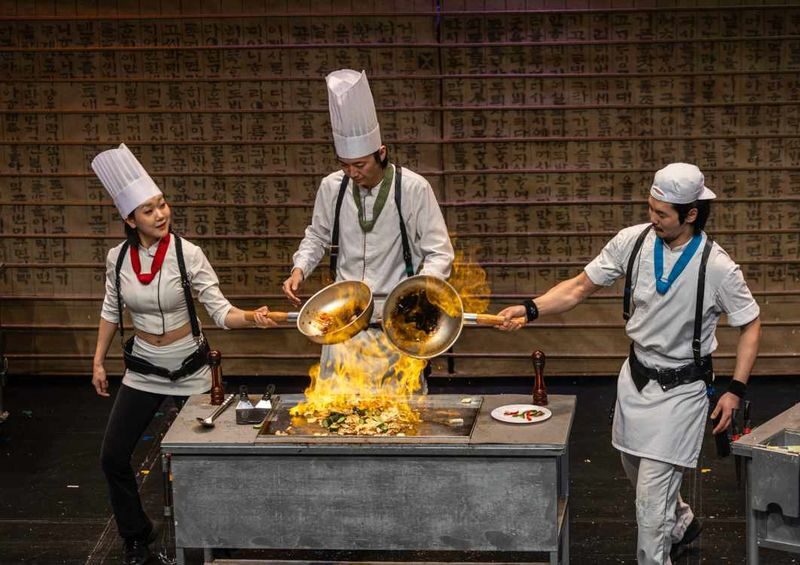
Your voucher is valid only for the date and time shown. Present the mobile voucher and exchange it for a physical ticket. Ticket collection is available from 60 minutes before the show, and arriving early gives you a buffer to find the theater and complete the exchange. For the special Korea in Motion experience packages, arrive at least 10 minutes before the performance to take part in the activity.
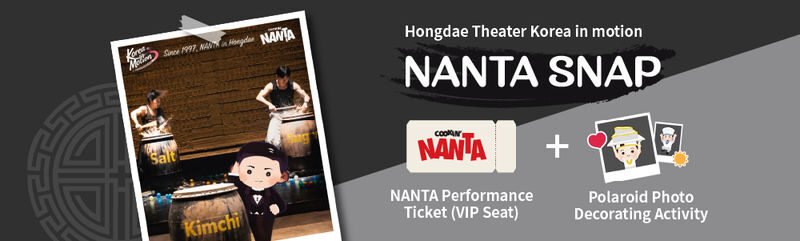
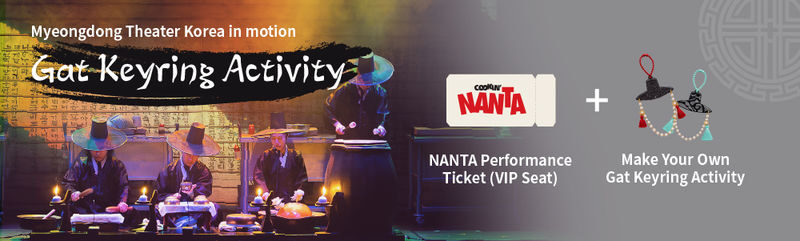
The special promotion is available for performances from October 16 to November 30, 2026, and must be selected as an experience package when booking. At Myeongdong, the activity is making a Gat, a traditional Korean hat, keyring inspired by the show’s opening prologue. At Hongdae, you can take photos at a photo zone and decorate a Polaroid. Places are limited, so the regular show ticket alone does not include these activities.
Children aged one or two may enter free if they do not need their own seat. Children aged three and older pay the adult rate, and the minimum age to enter is one. Outside food and drinks are not allowed. Turn your phone off or set it to silent, and leave the camera put away: recording and photography during the show are prohibited.
Wheelchair seating is available, but access differs by theater. For Myeongdong, request a wheelchair seat in the S category and contact the provider through a one-to-one inquiry. The UNESCO Building’s main entrance can be difficult to use with a wheelchair. On weekdays, the rear entrance is available; it is closed on weekends. There are stairs between the lobby and seating area, which may be difficult for a motorized wheelchair. The venue recommends changing to a regular wheelchair inside and following staff guidance. Accessible restrooms are on the building’s first floor. If access is a concern, Hongdae may be the more practical venue, but confirm arrangements before booking.
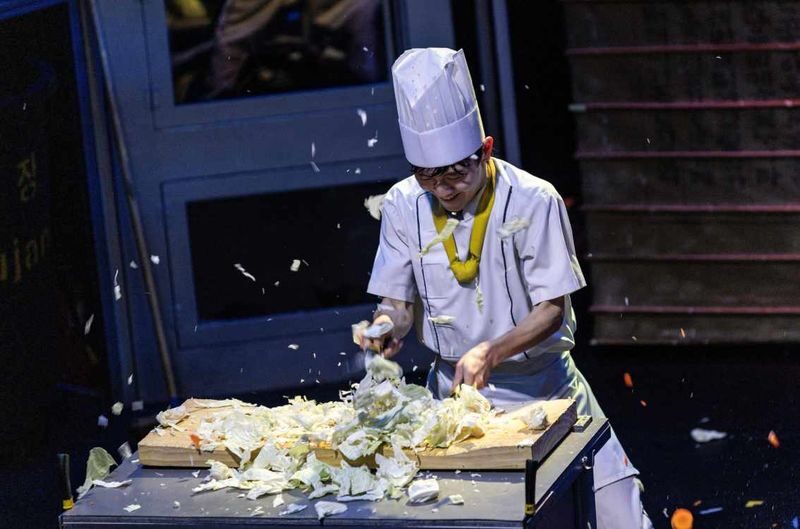
Nanta is a strong choice for families, first-time visitors to Seoul, and anyone who wants an evening show without a language barrier. It also suits solo visitors: the action is easy to follow on your own, and there is no need to arrive with a group to enjoy it. If you like live percussion, physical comedy, and a fast pace, the show has plenty to hold your attention.
It is less suited to people who dislike loud sound, broad comedy, or audience involvement. The drumming can be intense, and some audience members may be invited to take part. You can still decline, but the possibility is part of the show’s character. If you are sensitive to volume, consider this before booking.
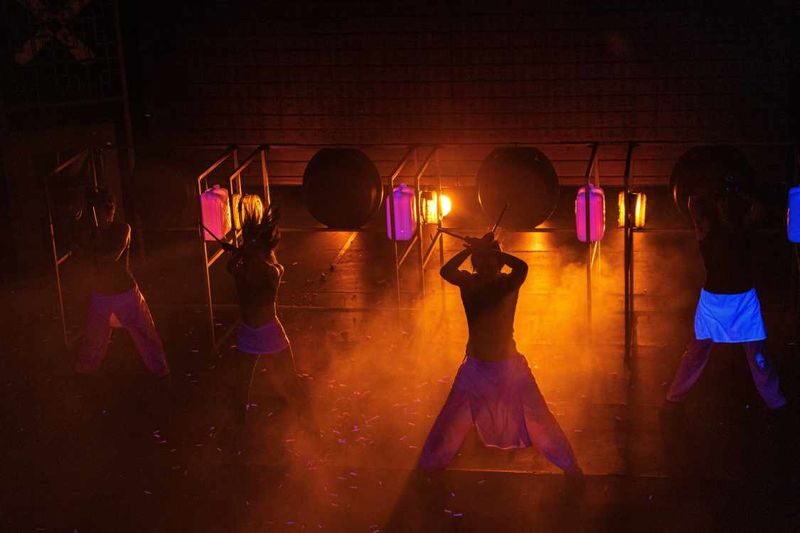
Book Nanta if you want an entertaining, easy-to-follow night out with a Korean rhythmic flavor, lively performers, and the chance of a little audience participation. The 90-minute length and non-verbal format make it a low-fuss choice for a busy Seoul itinerary.
Choose your theater and seat category carefully, especially if your group is splitting ticket types. If you prefer subtle drama or quiet music, spend your evening elsewhere. For most people looking for a playful show that works across ages and languages, Nanta is a practical, good-value pick.
“Great experience, you can buy S or VIP seats.”
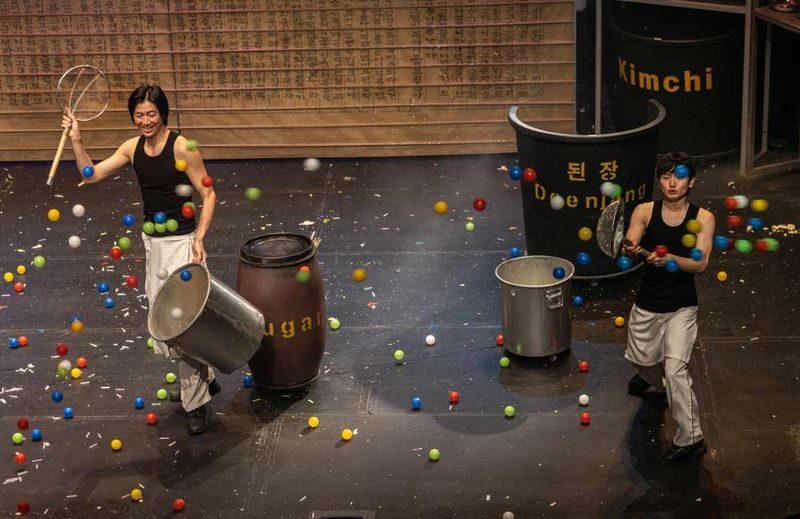
The performance lasts 90 minutes.
Yes. It is a non-verbal performance that uses physical comedy and rhythm, so you do not need to understand Korean to follow the action.
No. Seats are assigned automatically in the order bookings are made.
Your best chance is to book all tickets in one order. Seats are assigned automatically, so separate bookings cannot guarantee seats together.
No. Book only one seat type per reservation. If you want different tiers, make a separate booking for each type.
You can collect your physical ticket from 60 minutes before the show. If you booked the Korea in Motion experience package, arrive at least 10 minutes before showtime to take part.
Children aged one and older may enter. Children aged one or two can enter free if they do not occupy a separate seat; children aged three and older pay the adult rate.