Physical Address
304 North Cardinal St.
Dorchester Center, MA 02124
Physical Address
304 North Cardinal St.
Dorchester Center, MA 02124


Visit the DMZ, Third Infiltration Tunnel and Dora Observatory on a guided trip from Seoul, with optional JSA Museum and North Korean defector talk.
The DMZ is not just a line on a map. It is a military-controlled border zone where the division of Korea becomes visible, and this guided day trip links the Third Infiltration Tunnel and Dora Observatory with the option of a JSA Museum visit.
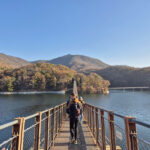
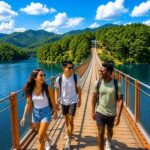
I like two things here: the guides make the history easier to follow, and the optional North Korean defector talk adds a human voice to a subject often reduced to maps and headlines. You can also add a stop at Gamaksan Red Bridge or Majang Lake Bridge, depending on the package you choose.
The trade-off is a full day with fixed timings and a schedule that can change for military or weather reasons. Bring your passport, expect some uphill walking in the tunnel, and don’t assume the museum option means access to the Joint Security Area itself.
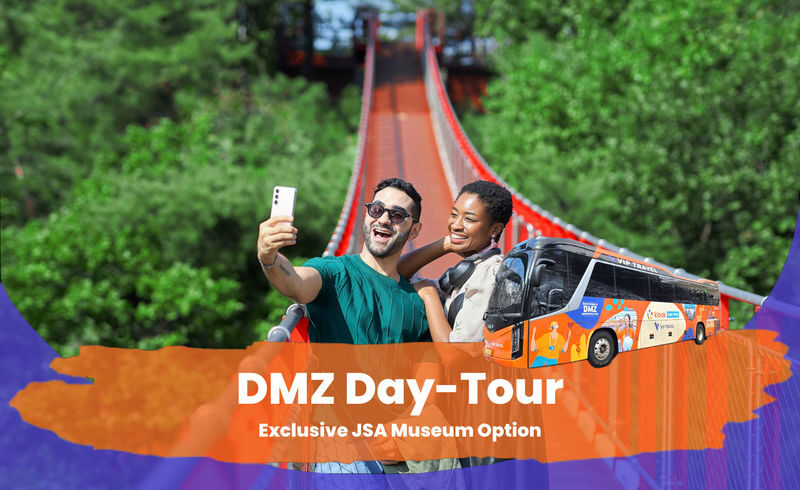
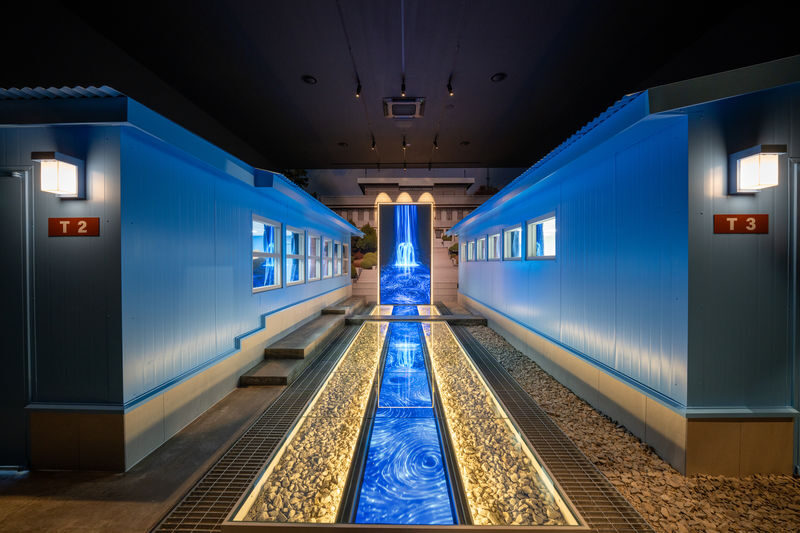
This is a practical way to visit the DMZ from Seoul without sorting out transport and entry arrangements on your own. The tour lasts about seven hours and includes round-trip transfers, attraction admission and a licensed English- or Chinese-speaking guide. The meeting points are in central Seoul, at Myeongdong, City Hall or Hongik University, rather than hotel pickup.
The guide is more than a narrator on the bus. The Korean Peninsula’s division is a complicated story, and visitors arrive with different levels of background knowledge. A good guide can explain what you are seeing, put events in sequence, and answer questions as the day unfolds. Past guides named Crystal, Eva, Alex, Jenny, Hana, Nancy, Nova and Lina have drawn particular praise for clear explanations, warmth and keeping the group on schedule. Your guide is assigned for the date, so those names are examples, not a promise.
Expect the day to be organized around access windows and official rules. This is a working military-controlled area, not a museum district where you can linger as long as you like. The tour operator may adjust the route, timing or stops due to military instructions, traffic or weather. That flexibility is sensible, but it means you should avoid planning a tight appointment immediately after the stated return time.
Looking for more options in Gangwon? Here are some other experiences worth considering.
The Third Infiltration Tunnel is one of the tour’s most memorable stops. It is associated with North Korean efforts to tunnel beneath the border, and its confined setting makes the security history feel more immediate than it does from a bus window. The tour’s guide can supply the context that a short visit on your own might miss.
Be ready to walk. The tunnel route includes steep sections, and visitors describe the climb back up as a workout. Comfortable shoes matter more than dress shoes here. If you have concerns about hills or strenuous walking, consider that before booking, since the tour does not provide a detailed accessibility breakdown.
You will be moving with a group and within a set schedule, so this is not a place for a slow, unhurried exploration. Still, the physical effort is part of what makes the stop stick in your memory. It is one thing to hear that the border is guarded; it is another to walk through a passage built to reach it.
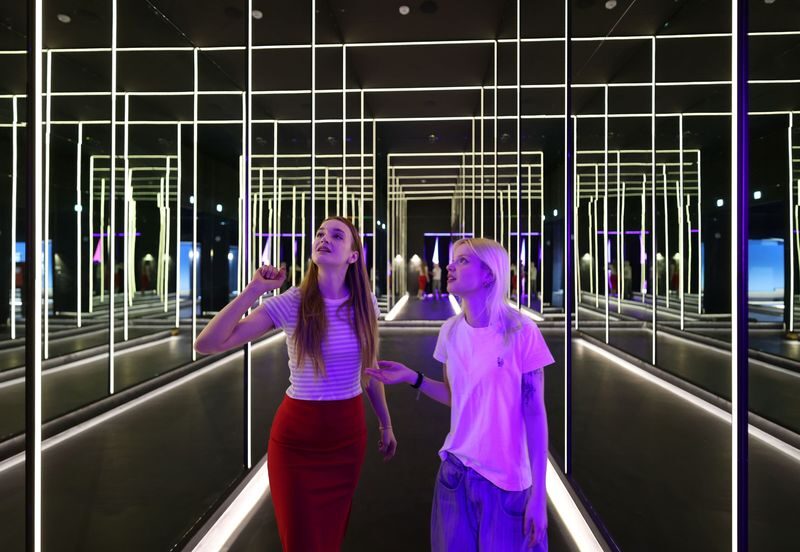
At Dora Observatory, you can look toward the border area and gain a geographical sense of the division. The view is the point, but the context matters just as much. A guide can help you understand what you are looking at and, as one past visitor found useful, help adjust the binoculars.
Weather affects visibility, so don’t treat a clear, detailed view as guaranteed. The observatory is also a place where military rules shape how long you stay and what you can do. If conditions are favorable, the stop can make the peninsula’s division feel unusually concrete. If haze or weather limits the view, the guide’s explanation still gives the stop meaning.
This is a good example of why a guided visit can be worth paying for. The physical sightline may be brief, but the story around it helps you read the view rather than simply point a camera toward the horizon.
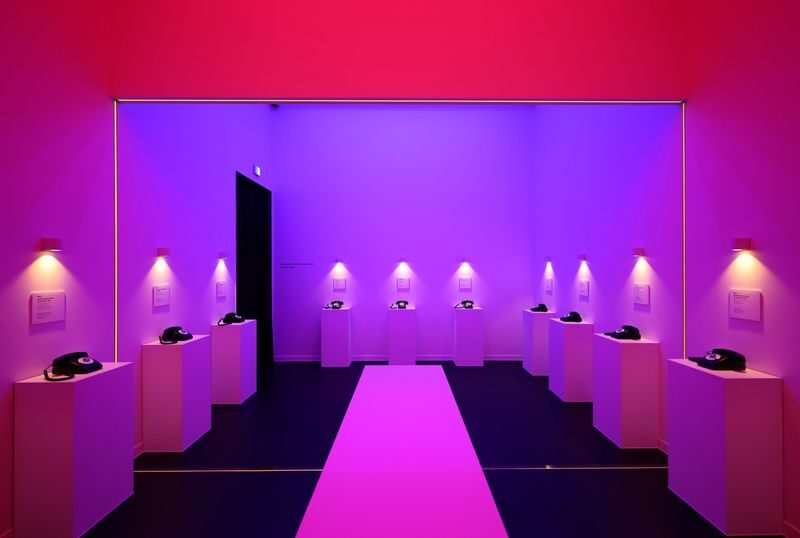
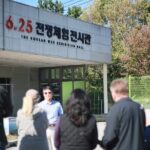
Selected packages include an exclusive JSA Museum visit through VIP Travel. This can add useful historical detail about Korea’s division and the DMZ region, especially if you want more than the headline stops. But be precise about what you are booking: a museum visit is not entry to the Joint Security Area itself. The JSA is not generally open to everyone, and this tour’s museum option should not be confused with a visit to the military site.
The museum’s value may depend on your expectations. It is intended to give added context, but one past visitor found it crowded and more focused on photo opportunities than interpretation. That is a useful caution if you are choosing the package mainly for the museum. I would think of it as an extra stop, not the sole reason to book.
If you are especially interested in the history of the division, the museum may be worthwhile. If your main goal is to see the tunnel and observatory, the standard DMZ route may already give you the core experience.
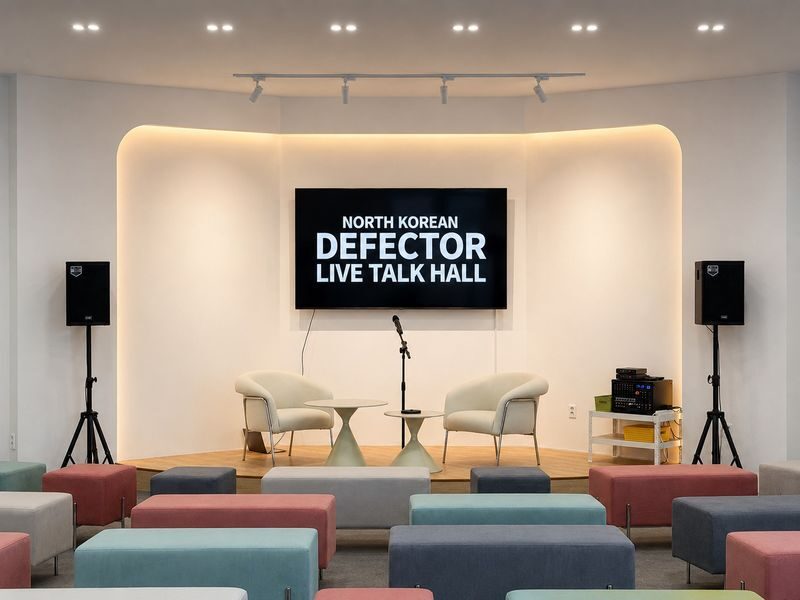
The optional North Korean defector live talk gives the tour a different kind of perspective. Rather than hearing only dates, military events and official explanations, you can listen to a person describe life and departure from North Korea. A question-and-answer session has been part of the experience, and past participants have found it moving and eye-opening.
This is an add-on, not an automatic part of every booking. Check that you have selected it when you reserve if it is important to you. The talk is also best approached with care: it is a personal account, not a complete picture of every North Korean’s experience. Listen, ask respectful questions if invited, and allow space for the subject to be serious.
For many people, this is the part that connects the political story to ordinary human lives. If you want a tour that goes beyond scenic viewpoints and military history, the add-on may be worth the extra cost.
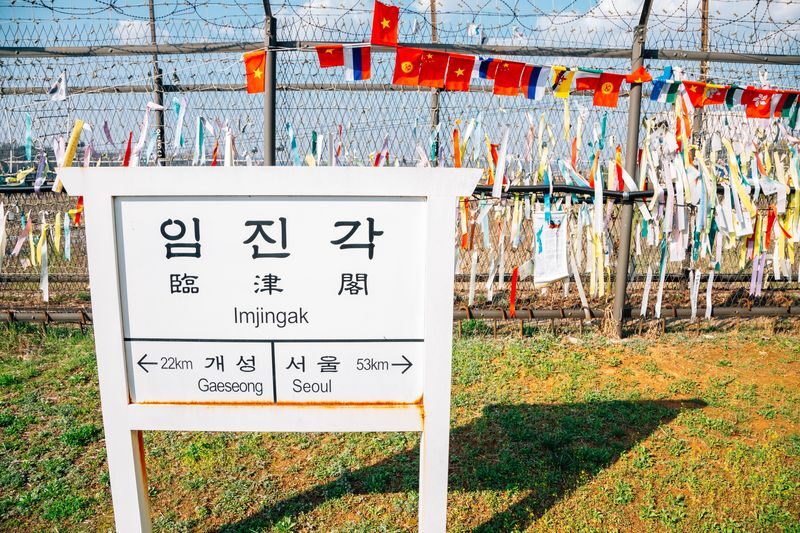
The main package options combine DMZ stops with different extras. Option A includes the DMZ and JSA Museum, with the defector talk available as an add-on, from US$50. Option B adds Gamaksan Red Bridge, and Option C adds Majang Lake Bridge, each from US$65. Those bridges are alternatives, not two stops bundled together.
A separate option, from US$44, visits North Korea View Starbucks and Aegibong Observatory. There is also a Japanese-language DMZ and Red Suspension Bridge package with JSA Museum, from US$65. These options are not interchangeable versions of the same tour, so compare the listed stops and language before booking.
The bridge choices make sense if you want to pair a serious historical visit with an outdoor stop. The standard DMZ and museum option is the cleaner choice if you want to focus on the border story and keep the day simpler. The tour information also notes that some itineraries may include a light outdoor walk at Gamak Mountain, so pack shoes that can handle uneven or sloping paths.
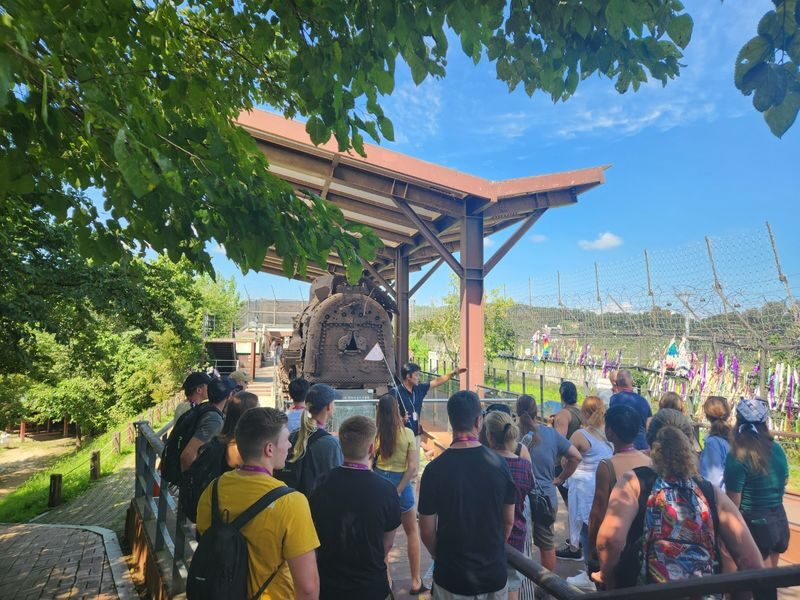
You can select morning departures at 7:00 or 9:30 from Myeongdong Subway Station Exit 9 or City Hall Subway Station Exit 6. From Hongik University Subway Station Exit 3, the listed options are 7:30 or 10:00. Return times are listed as 14:00 or 17:00, depending on the departure and tour duration. Confirm the exact time and location in your booking details, since times can change with military guidance.
Arrive at least five minutes early, and give yourself extra time to find the right group. Several tour groups may gather at the same meeting point, which can make the first few minutes feel hectic. Check your voucher and guide’s instructions rather than choosing a bus by guesswork. Late arrivals and no-shows are not refundable.
There is no hotel pickup at present. You meet the group at one of the listed subway exits and return to the same pickup point. The vehicle may vary with group size. Meals and drinks are not included, though there are places to buy food and use restrooms along the route. Bring water and a snack if you prefer not to rely on a stop.
Most important, bring your passport. Entry to the DMZ is regulated by the authorities, and the tour requires it on the day. Keep it somewhere secure but easy to reach when asked.
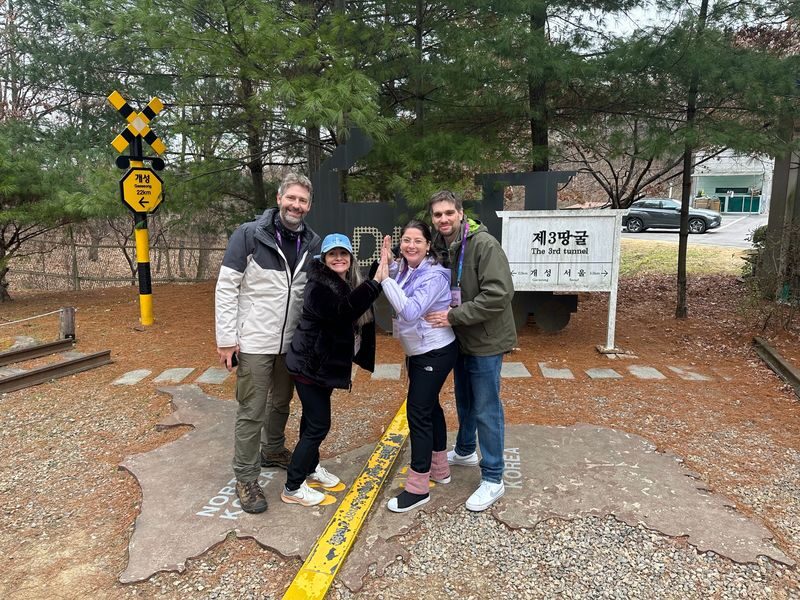
At a starting price of US$50, this tour bundles transport from Seoul, an expert guide and admission to the included attractions. That is useful value if you want to visit several controlled sites in one day without arranging each piece yourself. The guide’s interpretation is a meaningful part of the cost, particularly at the observatory and tunnel, where the setting alone does not explain the history.
Extras change the price. The Gamaksan Red Bridge and Majang Lake Bridge options start at US$65, while the defector talk must be selected as an add-on. Meals, drinks, personal spending and gratuities are not included. Check the final package price and included stops before comparing it with another tour.
You can cancel for a full refund at least 24 hours before the activity date under the stated policy. But if the operator changes the schedule because of military conditions or weather, the tour may not be refundable simply because the route differs from your expectation. In the event of an operator cancellation due to severe weather or another unforeseen event, rescheduling or a refund may be offered, subject to the operator’s approval.
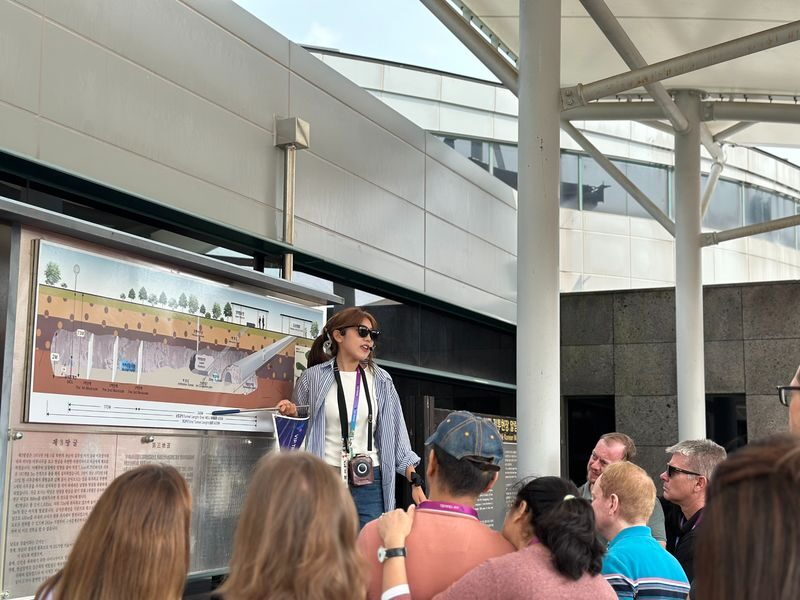
I would choose this tour if you want a guided introduction to the DMZ, value the tunnel and observatory stops, and prefer transport and entry logistics handled for you. The defector talk is a strong reason to consider the add-on if you want a personal perspective alongside the political history. The bridge packages suit you if you want an extra outdoor stop and can spare the time.
It is less suited to anyone who needs a guaranteed schedule, dislikes group travel or finds steep walking difficult. The DMZ is a sensitive, controlled place, and access can change without much notice. Book with a flexible day in mind, bring your passport and choose the package for its actual stops, not the assumption that it includes access to the JSA itself.
“The visit with Crystal was really great and interesting especially with all these details regarding DMZ ! Thanks a lot for this moment”
The tour lasts about seven hours, though traffic, weather and military instructions can affect the schedule.
Yes. The DMZ is a military-controlled area, and your passport is required for entry on the day of the tour.
No. The package includes a JSA Museum visit, not entry to the Joint Security Area itself.
No. The live talk is an optional add-on. Select it when booking if you want to take part.
Meeting points are Myeongdong Subway Station Exit 9, City Hall Subway Station Exit 6, and Hongik University Subway Station Exit 3. Your selected departure time and exact meeting details are confirmed after booking.
No. Meals and beverages are not included in the tour price.