Physical Address
304 North Cardinal St.
Dorchester Center, MA 02124
Physical Address
304 North Cardinal St.
Dorchester Center, MA 02124

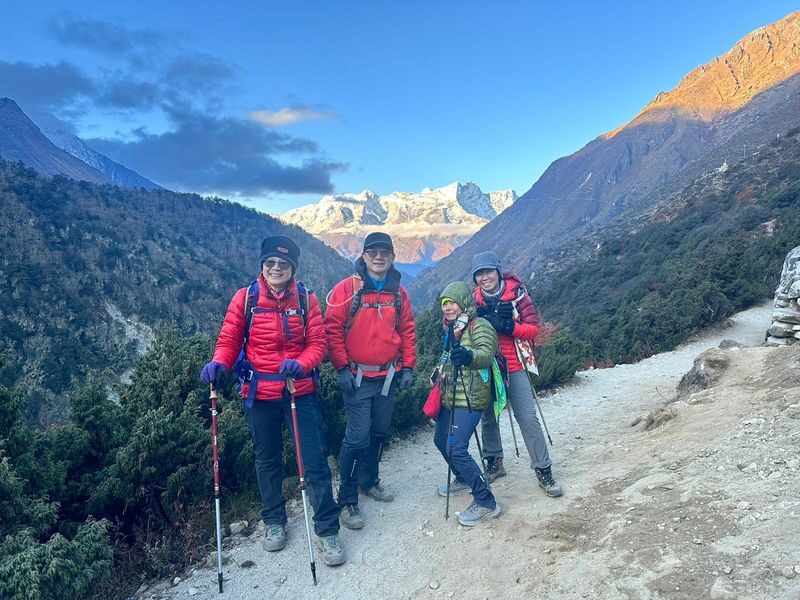
Compare the Everest Base Camp trek and Kathmandu mountain flight, with clear guidance on altitude, Sherpa villages, package choices, timing, and value.
Everest Base Camp is not a quick mountain outing. The trek takes 15 days and climbs through Sherpa villages to 5,364-meter base camp, with a sunrise viewpoint at Kala Patthar even higher at 5,545 meters. The separate one-hour flight is a much shorter way to see the Himalayas from the air.
I like two things about the trekking option: you get time in places such as Namche Bazaar and Tengboche, not just a view from a plane, and teahouses bring you into local family-run lodges along the route. One account names guide Sonam and describes thoughtful help when a trekker felt dizzy, a useful reminder that good support matters at altitude.
The main caution is that the options and prices are easy to confuse. The page gives a starting price of $390.15, while its 14-night trek is listed from $1,200 and the one-hour flight from $295. Confirm the exact package before booking. The trek is also a serious physical challenge, not simply a scenic walk.
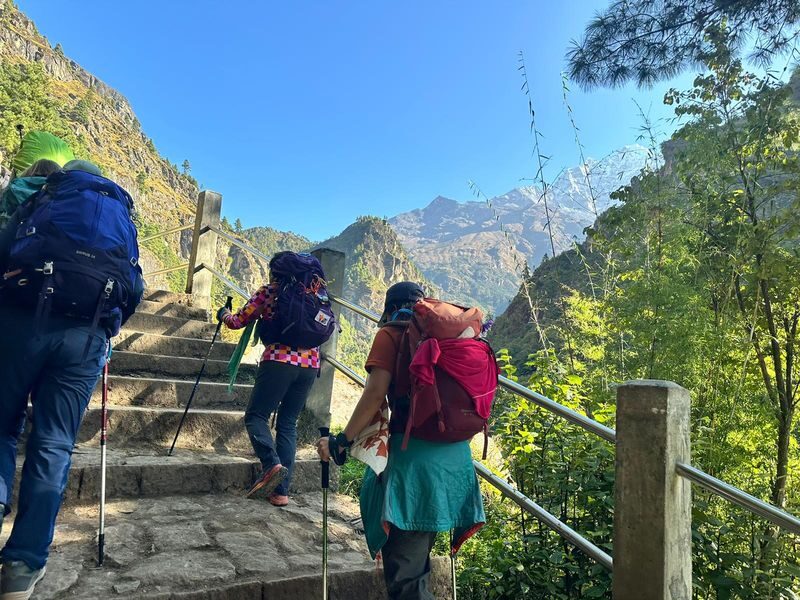
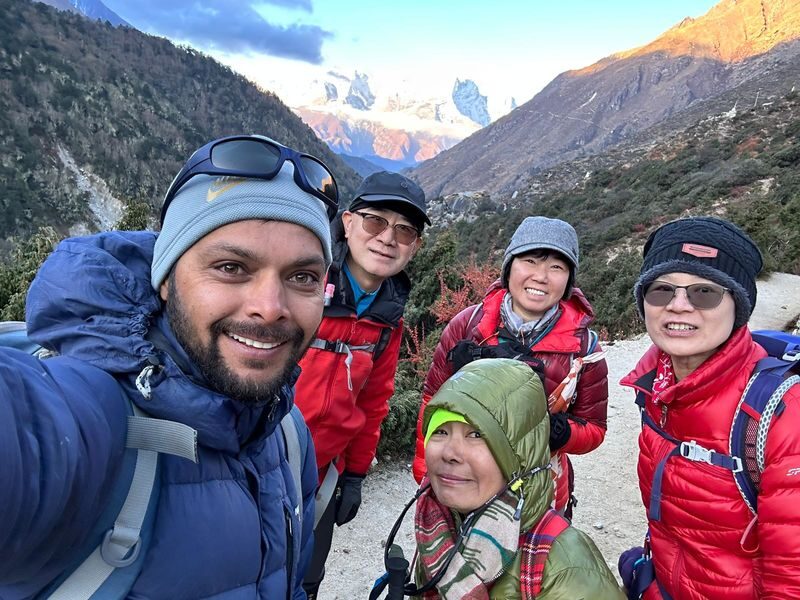
The Everest Base Camp trek and the mountain flight share a name and a view of the Himalayas, but they ask very different things of you. The trek is a two-week journey through the Khumbu region, with base camp at 5,364 meters and Kala Patthar at 5,545 meters. The flight takes about an hour and offers an aerial view without the long walk.
The supplied details put these choices together: a 14-night, 15-day trek from $1,200, a one-hour mountain flight from $295, and a luxury trek with helicopter return from $1,812.50. A separate summary gives a starting price of $390.15, so do not treat that figure as the cost of the full trek without checking the package and date you select.
There is also a scheduling mismatch worth noticing. The 05:00 departure and 08:00 return apply to the mountain-flight details, not to a 15-day trekking itinerary. For the trek, the information confirms the overall duration and major places, but does not provide a day-by-day schedule or a complete list of inclusions. Check the selected package before you pay.
For the trek, the first big change is leaving Kathmandu for Lukla, the mountain gateway named in the experience details. The scenic flight to Lukla is presented as one of the trip’s signature moments, a dramatic start before you continue on foot through the Khumbu. Weather and traffic can affect schedules, so flexibility matters from the outset.
The mountain flight option is different. It departs from Kathmandu for an hour in the air, with the listed meeting and return times of 05:00 and 08:00. Those times appear to include the broader activity window, rather than one hour of flying plus a precise account of every transfer. The operator reconfirms pickup time in advance.
The location information names Lukla Airport as the address and meeting point, while the selected flight package is described as departing from Kathmandu. Since those details do not line up neatly, confirm where your chosen option begins. The mountain-flight package lists round-trip hotel transfers, an English-speaking professional driver or guide, and admission to attractions. Those inclusions are not clearly itemized for the trekking package.
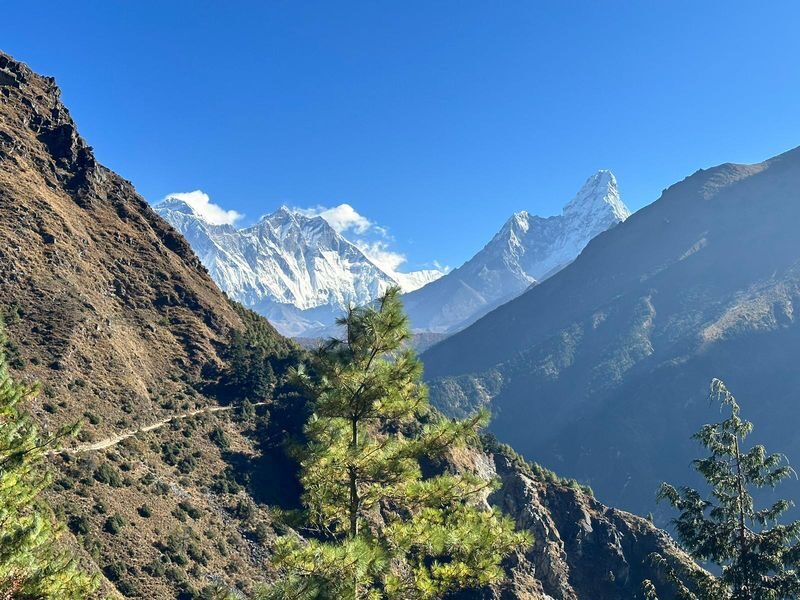
The trek’s appeal lies in the route, not only the famous endpoint. Namche Bazaar, Tengboche, and Dingboche are among the named villages, each giving you a different glimpse of life in the Khumbu. You move through a region shaped by Sherpa culture and mountain travel, with the views changing as the trail climbs.
The details do not give a daily distance, walking time, or overnight stop sequence. That makes it hard to judge the exact pace or how much time you will have in each village. Ask the operator for a day-by-day plan, especially if you want to know where acclimatization breaks fall and what level of support is included.
Teahouse stays are part of the experience. These are mountain lodges run by local families, which can make the trek feel more connected to the communities along the way than a trip based only on transport and viewpoints. Expect practical lodging rather than a luxury hotel standard, though the available information does not specify room facilities or meals.
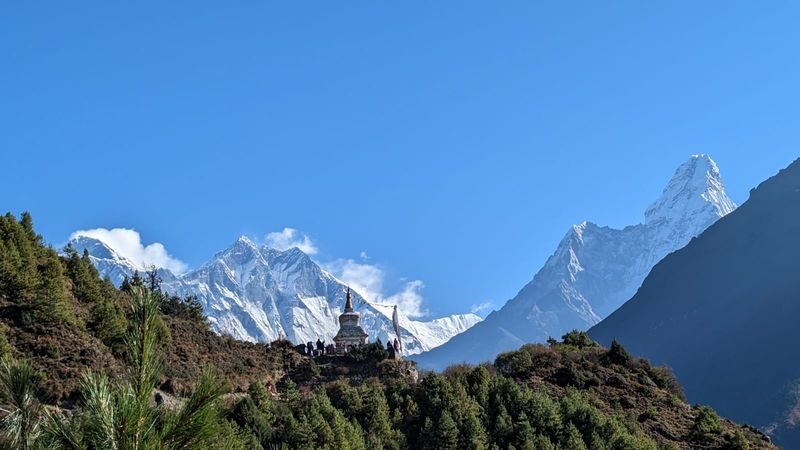
Tengboche Monastery is called the largest and most spiritual monastery in the Khumbu region. Its presence gives the trek a cultural focus beyond the mountain views. If you are drawn to the people and traditions of the region as much as the peaks, this is one of the most meaningful stops on the route.
The broader journey is described as a chance to learn about Sherpa culture, traditions, and daily life. That is a worthwhile promise, but the exact format of cultural interpretation is not specified. You may want to ask whether your guide talks about the villages and monastery as you go, and whether any monastery visit has a set schedule.
Namche Bazaar and Dingboche are useful names to have in mind when comparing packages, but they are not a substitute for a full route plan. Ask how long you stay in each place and which nights are included. On a high-altitude trek, those details shape the experience as much as the headline destination.
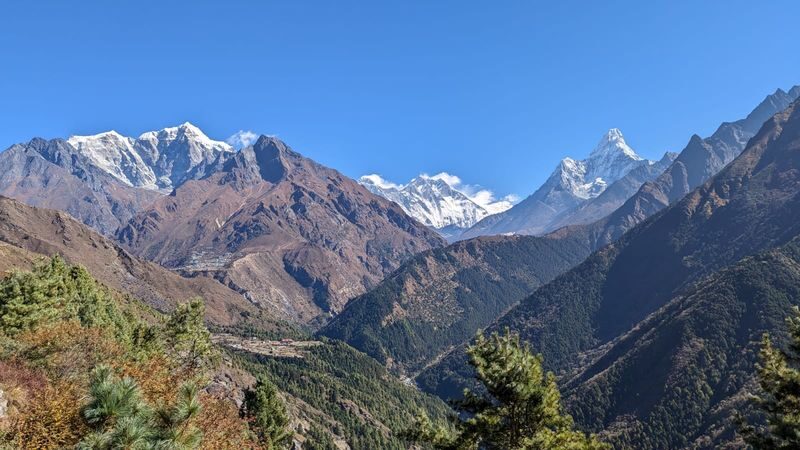
Everest Base Camp sits at 5,364 meters. Reaching it on foot is the central achievement of the trek, but the camp is not the only reason to take this route. The scenery includes Lhotse, Nuptse, Ama Dablam, and other high peaks, giving the journey a wider Himalayan frame than Everest alone.
For the close-up view of Everest, the standout viewpoint is Kala Patthar at 5,545 meters. The experience description highlights sunrise there, when the mountain panorama is the main event. Reaching this point is a considerable physical undertaking at altitude, so it should not be treated as an easy add-on after base camp.
The elevation figures are a practical warning as well as a source of excitement. At these heights, tiredness and dizziness can affect your day. One trekker’s account describes guide Sonam making sure they ate when they felt dizzy and carrying their bag when extra help seemed necessary. That is a personal account, not a guarantee of a specific service, but it shows why you should ask about guide support, porter arrangements, and what happens if you struggle.
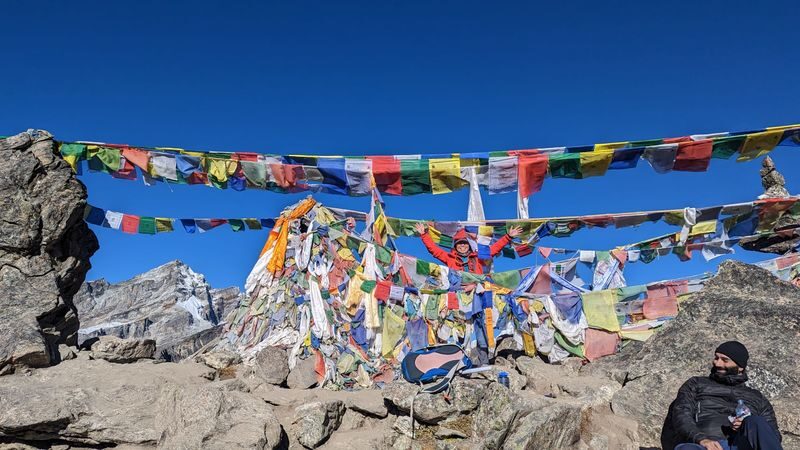
The named guide, Sonam, is associated with a 14-night trek and is described as keeping the mood light with snack breaks and games along the way. The same account praises his attention and communication, including practical help during a difficult moment. For a solo trekker, that kind of care can reduce the stress of managing a demanding trip alone.
The experience provider is Relax Getaways Pvt Ltd. Its supplied company details show a 100 percent response rate and a response time of less than four hours, alongside 401 total reviews and a 97 percent good-review rate. Those figures offer some reassurance about communication, but they do not tell you exactly what your trek includes or who will guide your departure.
Before booking, confirm whether Sonam is available for your dates. The details do not say that he leads every departure. Also ask what guide-to-group arrangements apply, whether bag carrying is included or costs extra, and what support is available if altitude symptoms interfere with the trek. These are sensible questions for any high-altitude trip.
The value depends on which experience you want. At $295, the one-hour flight is a much shorter, less physically demanding way to see the mountains than a 15-day trek. It may suit you if your time is limited or you do not want the exertion of a high-altitude route, though it cannot offer the village stays or the sense of arriving at base camp on foot.
The trek price starts at $1,200, while the summary price is $390.15 and the luxury helicopter-return version starts at $1,812.50. Those prices likely correspond to different package choices, but the supplied information does not explain the price gap or spell out each package’s inclusions. Compare the exact dates, lodging, meals, transfers, guide support, and any extra transport before deciding that one is a bargain.
Meals and beverages, personal expenses, and tips are explicitly excluded from the mountain-flight package details. Do not assume those same rules cover the trek, but do budget for meals and personal spending unless the trek package says otherwise. A clear written list of inclusions is especially valuable on a trip lasting two weeks.
Choose the full trek if you want the journey as much as the destination: village stops, teahouse nights, Sherpa culture, and the effort of reaching base camp and Kala Patthar. It is best suited to someone ready for a challenging, multi-day mountain trip and willing to confirm the route, support, and costs in advance.
Choose the mountain flight if you want a short aerial view from Kathmandu rather than a long trek. It is a more practical fit if you have only a morning available or do not want to commit to 15 days. Keep in mind that weather can affect the schedule, and the supplied details say the operator may cancel in extreme weather, with rescheduling or a full refund offered.
The activity has no age limit listed, but that should not be mistaken for a claim that the trek suits every person. The high elevations and physical demands are real. Pets are prohibited. Changes are allowed until 24 hours before the activity starts in eligible cases, and the voucher is valid only for the specified date and time. The stated cancellation terms offer a full refund when you cancel at least 24 hours ahead, subject to the conditions provided.
Book the 14-night trek if you are choosing it for the full Khumbu experience, not just for a photograph of Everest. The villages, family-run teahouses, monastery, and Kala Patthar viewpoint make the route worthwhile, while the account of guide Sonam suggests attentive support can make a hard journey more enjoyable. Still, ask for the full day-by-day plan and written inclusions before paying.
Book the one-hour flight if you want a compact mountain-view outing from Kathmandu. It is not a shortcut to Everest Base Camp, but it offers a very different way to see the region. The key decision is simple: choose the package that matches your time, fitness, and appetite for altitude, then verify its price and meeting point.
“I have such high praise for Sonam. Trek after trek and does it with good energy and amazing attention too. From snickers breaks in the mountains to…”
The trek package is described as 14 nights and 15 days.
Everest Base Camp is listed at 5,364 meters.
Kala Patthar is listed at 5,545 meters and is highlighted for its panoramic sunrise views.
No. The mountain flight is a separate one-hour option from Kathmandu. The trek takes 14 nights and 15 days.
The named places include Namche Bazaar, Tengboche, and Dingboche. Tengboche Monastery is highlighted as the largest and most spiritual monastery in the Khumbu region.
The flight package lists admission to attractions, an English-speaking professional driver or guide, and round-trip transfers to and from your hotel. Meals, beverages, personal expenses, and tips are not included.
The stated terms offer a full refund if you cancel at least 24 hours before the activity date. Changes are allowed until 24 hours before the activity starts in eligible cases. Some booking types cannot be changed, and weather-related cancellations may be rescheduled or refunded.