Physical Address
304 North Cardinal St.
Dorchester Center, MA 02124
Physical Address
304 North Cardinal St.
Dorchester Center, MA 02124


Walk Maracanã’s players’ tunnel, changing rooms and football museum on a flexible, self-guided visit to Rio’s landmark stadium.
Maracanã’s players’ tunnel ends at a pitch where two World Cup finals and the 2016 Olympic Games took place. You can walk that route yourself, then see the changing rooms, press room and a museum devoted to Brazilian football.
I like two things in particular: you get access to places normally off limits, and the self-guided format lets you pause over the displays or move along when you’ve had your fill. The museum’s jerseys and memorabilia give the stadium’s big events a human scale.
The main caveat is that this is usually a self-guided visit, not a full tour with a guide narrating each stop. You’ll get more from it if you’re happy to explore on your own, and you should check match-day hours before setting out.
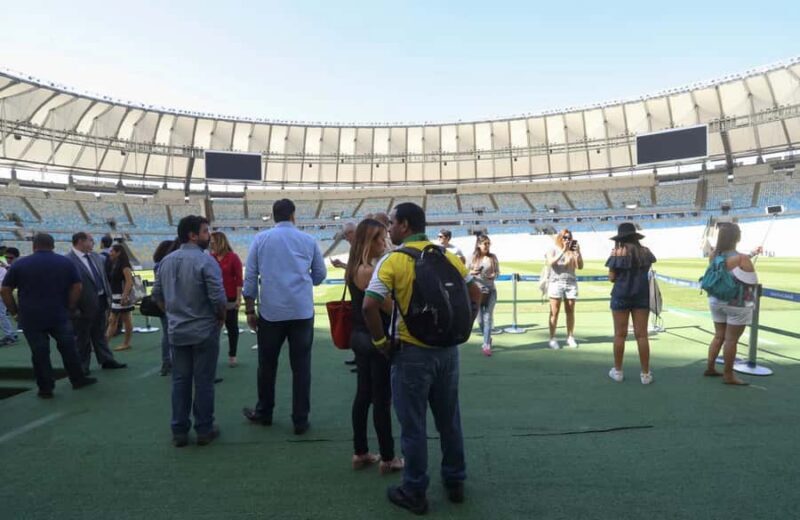
Built in 1950, Maracanã has hosted some of football’s most watched matches, including the 1950 and 2014 World Cups. It has also been used for the 2013 Confederations Cup, the 2007 Pan American Games and the opening and closing ceremonies of the 2016 Olympic and Paralympic Games.
That mix matters when you visit. The stadium is not simply a place to see a pitch from the stands. Its corridors and rooms connect football to a larger Rio story, one that includes major sporting events, concerts by artists such as Madonna and the Rolling Stones, and papal masses held by Pope John Paul II.
The stadium has been renovated several times, so what you see is a modernized venue with a long past, not a time capsule preserved exactly as it opened. Still, the scale and the access to team areas make it easy to imagine the pressure of a big match.
You might also be interested in these Rio De Janeiro experiences

The stated address is Gate A for pedestrians, near the UERJ ramp, at Av. Rei Pelé, 2, Maracanã. Head to Gate A and walk to the tour box office to show your voucher, either on your phone or printed.
The arrival instructions have caused confusion, so keep the gate detail handy rather than relying on a vague meeting-point pin. One useful tip is to go directly to Gate A: you do not need to hunt for a separate gathering point before you can enter the tour area.
After booking, the activity provider sends a separate email with the voucher. Check for it before you leave, and have it ready when you reach the box office. The experience is wheelchair accessible, according to the activity information.
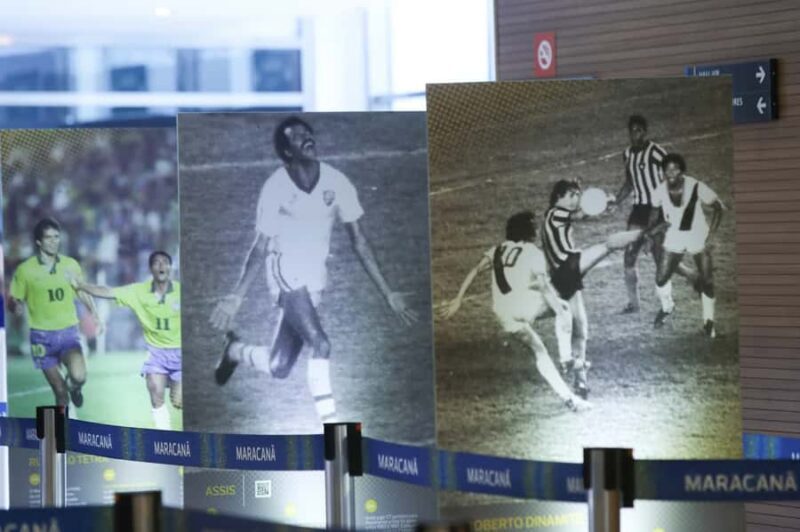
The museum gives the visit its context. Its exhibits bring together important pieces of Brazilian football history, including jerseys, trophies and memorabilia associated with famous players. If you’re a football fan, this is the place to slow down and connect the names and moments you know with the stadium around you.
You do not need encyclopedic knowledge of the sport to enjoy the displays. A jersey or an old trophy can tell a story even if you don’t recognize every player. The exhibits also help explain why Maracanã carries such weight in Brazil, where the national team and its stars have long been part of public life.
Allow time to read the displays rather than treating the museum as a quick corridor on the way to the pitch. The visit is short overall, and people who want more historical explanation may wish there were more interpretation or a guide. Signs and exhibits have been available in English as well as Portuguese, but the amount of detail can vary.
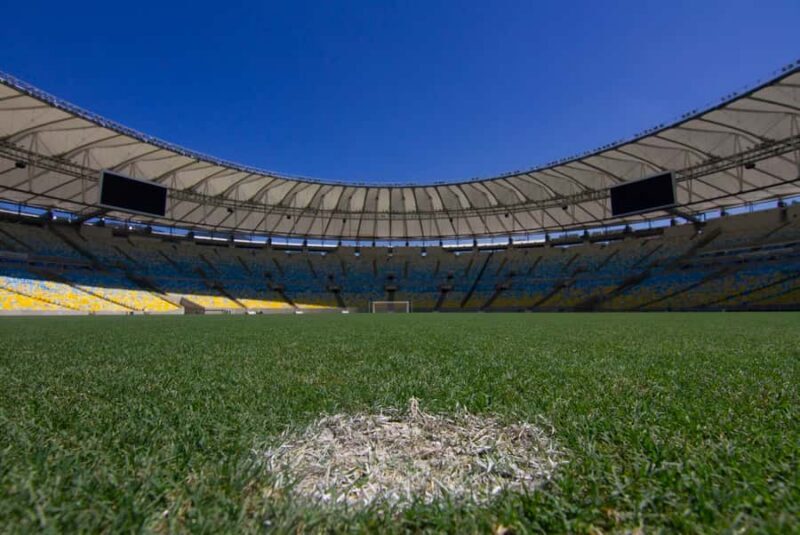
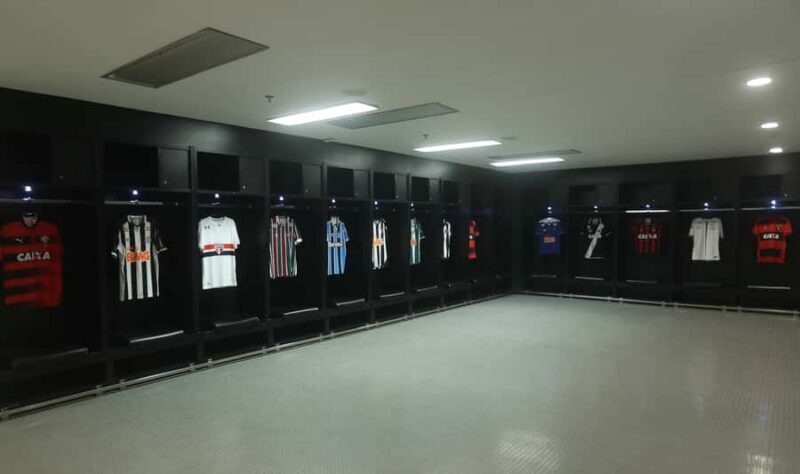
From the museum, the route takes you into behind-the-scenes parts of the stadium. You can see the changing rooms and warm-up room, the practical spaces where players prepare before a match. These rooms may not be ornate, but their appeal is precisely that they are part of the working life of a team.
The changing rooms make the scale of the occasion feel more immediate. Players move from these enclosed spaces into a stadium filled with spectators, and you can follow part of that same transition. It’s a good stop for photos, though the rooms may feel less compelling if you are not interested in the routines and rituals of football.
The route is generally designed to be followed at your own pace. Staff can help with questions, but don’t count on a guide explaining every room or giving a detailed account of each tournament. That freedom suits visitors who like to browse; those who want a carefully narrated tour may find the experience a little thin.
More Great Tours Nearby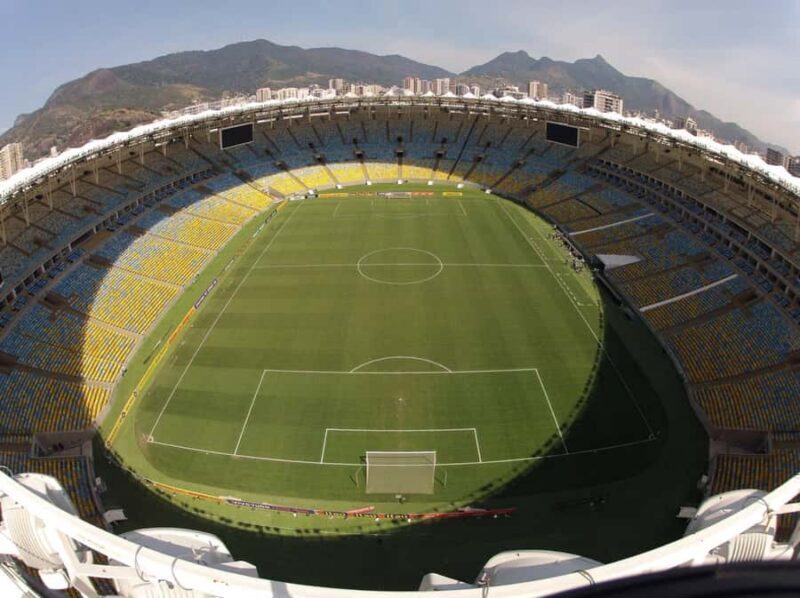
For many people, the players’ tunnel is the high point. You walk toward the pitch through the same kind of passage players use, then emerge into the stadium bowl. The pitch has hosted two World Cup finals and Olympic competition, so even a quiet visit carries a sense of occasion.
You can stand beside the field and look across the seating. With the stands empty, the scale is easier to take in than it would be during a match, though you won’t get the roar of a full crowd. That’s the trade-off: a tour gives you access and space to look closely, while a match brings the sound and emotion that the empty stadium can only suggest.
The access is a major part of the ticket’s value. You are not just viewing Maracanã from the street or from a seat; you are following a route through the stadium’s backstage areas and out toward the playing surface. If you are lucky, you may also find a chance to try a kick at goal near the pitch, but don’t treat that as a guaranteed feature.

The press conference room is another stop along the route. Sitting there can make you imagine the interviews that follow a win or a difficult defeat. It’s a small detail, but it adds a different perspective: football at this level is not only played on the field, it is also explained and debated in public afterward.
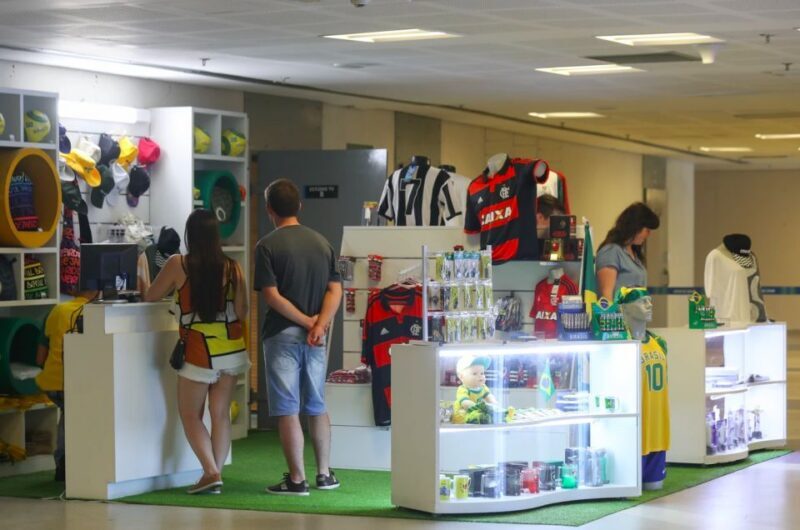
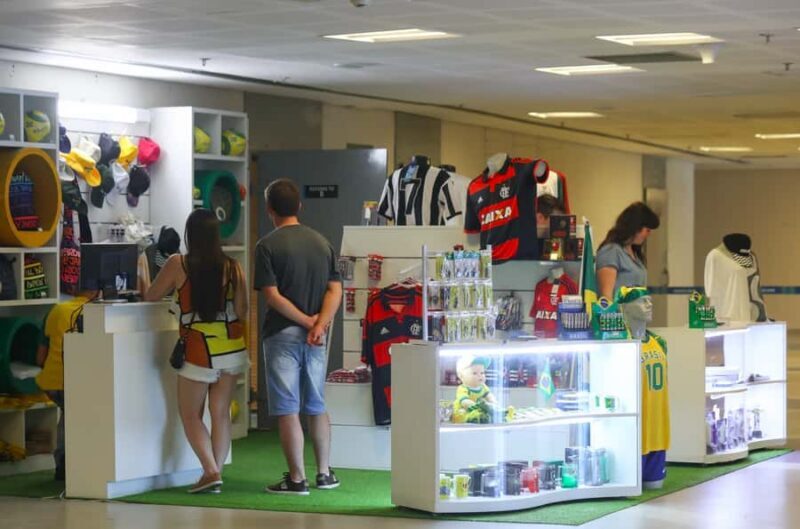
The visit may end near the merchandise shop and a refreshment area. You can browse for souvenirs or take a break, but food and drinks are not included in the ticket. Professional photos may also be offered for an additional charge. One visitor reported paying extra for photos, so consider that an optional purchase rather than part of admission.
The experience is often described as taking about 40 minutes, though your pace makes a difference. If you read the exhibits and take photos, allow more time. If you move through quickly, you may finish sooner.
At $24 per person, the ticket includes stadium access, museum admission and behind-the-scenes areas. That is fair value if the tunnel, pitchside view and team spaces are the reason you came. The ticket is less compelling if you expect a long, expert-led account of the stadium’s history or a full day of activities.
Think of it as an independent visit with access to restricted areas, not a conventional guided tour. Staff may provide an introduction or answer questions, but much of the route is self-guided. That arrangement can be a plus: you decide where to linger and can take your time without keeping pace with a group. It can also leave you wanting more background.
Optional photos can add to the cost, and hotel pickup, drop-off, food and drinks are not part of the ticket. If you are comparing the visit with attending a match, remember that the two offer different things. The tour is for close-up access and museum displays; a match is for the live atmosphere.
The scheduled visit period matters most on match days. The final tour is meant to end three hours before the stadium gates open. Match-day plans can change, so check the timing with the activity provider if the date or time shifts. If the provider cannot offer a suitable alternative, the activity information says you will receive a refund.
Do not leave this visit until the last minute on a match day. A shorter window may be enough to see the main areas, but it leaves little room for reading the museum displays or lingering by the pitch. If you have a match ticket, check the tour cutoff and match arrangements before you plan your day.
The listed duration is one day, but the stadium visit itself is much shorter, around 40 minutes. Treat the one-day duration as a booking-period label, not a promise of a full-day guided itinerary. Starting times depend on availability, so check the date and time options when booking.
Football fans are the obvious audience, especially those who follow Brazil’s national team or remember the 2014 World Cup. Sitting near the pitch and walking the tunnel can give familiar events a physical setting. The memorabilia adds another layer, particularly if you enjoy jerseys, trophies and stories about players.
You do not have to be a committed fan. Maracanã is a major Rio landmark, and the chance to see the press room, changing rooms and pitchside areas makes the visit worthwhile for many curious visitors. Still, a non-fan may find the museum less absorbing, and the short, self-guided format is not ideal if you want extensive historical commentary.
If your main goal is to experience the stadium’s crowd and energy, prioritize a match when one fits your plans. The tour is a useful alternative when there is no game to attend, or a good addition if you want to see the stadium from the inside before or after a match.
Book it if you want to walk the players’ tunnel, see the changing rooms and press room, and browse a compact museum of Brazilian football. At $24, the ticket offers a practical way to get inside one of Rio’s landmark stadiums, with the freedom to move at your own pace.
Think twice if you expect a long guided tour or a packed schedule of activities. The strongest reasons to go are the behind-the-scenes access and the pitchside view, not a guaranteed guide or a full day of entertainment. Check the timing carefully on match days, go to Gate A with your voucher ready, and you’ll have a straightforward visit.
“I absolutely loved the Maracanã Stadium tour! Even if you’re not a huge football fan, this place is iconic and full of energy. The moment you st…”
The visit is described as about 40 minutes. You can take longer if you want to read the museum displays and stop for photos.
It is generally a self-guided visit rather than a fully guided tour. Staff may provide an introduction or help with questions, but you should expect to explore the route on your own.
The ticket includes the stadium tour, museum admission and behind-the-scenes access.
The visit includes the museum, changing rooms, warm-up room, players’ tunnel, pitchside area and press conference room.
Go to Gate A for pedestrians at Av. Rei Pelé, 2, Maracanã, near the UERJ ramp. Show your mobile or printed voucher at the tour box office.
The last visit is scheduled to end three hours before the stadium gates open. If the day or time changes, contact the activity provider to arrange another available time or date.
Yes. The activity information identifies the visit as wheelchair accessible.
No. Hotel pickup and drop-off, food and drinks are not included.
Yes. You can cancel up to 24 hours in advance for a full refund.
You can check availability for your dates here: