Physical Address
304 North Cardinal St.
Dorchester Center, MA 02124
Physical Address
304 North Cardinal St.
Dorchester Center, MA 02124

Pair a two-hour Ballestas Islands boat trip with Paracas Reserve’s desert cliffs, red beaches and wildlife for a five-hour tour from Paracas.
Ballestas is a startling meeting of wildlife and rough Pacific water: sea lions crowd the rocks, penguins appear among the birds, and the Candelabro glyph marks the coast on the way out. I like this tour for two reasons: it pairs the two-hour boat outing with the very different desert scenery of Paracas National Reserve, and it includes hotel pickup in Paracas so you do not have to sort out transport between the pier and the reserve.
One consideration: the boat can be cold and wet, and wildlife sightings vary with conditions and season. The reserve portion earns particular praise for guides such as Olenka, who explain the region’s geography and history, but the boat portion may feel busier and its guide can be harder to hear.
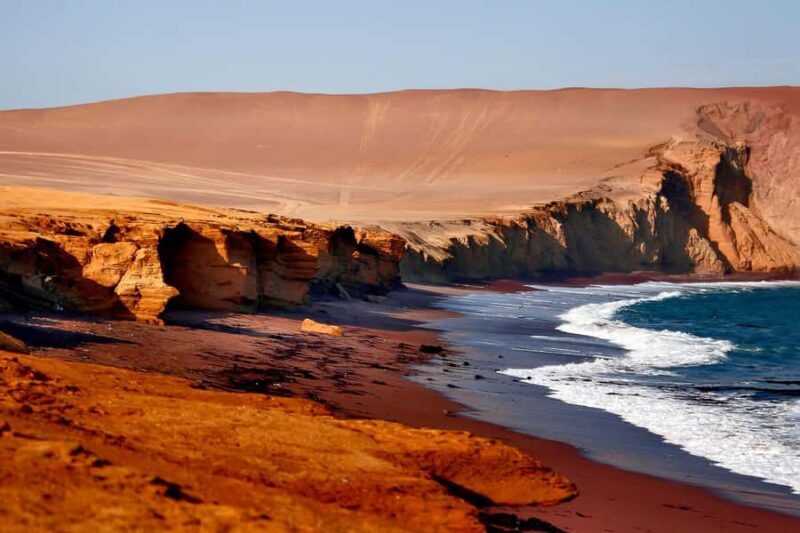
This five-hour tour makes a useful case for staying in Paracas long enough to see more than the waterfront. The Ballestas Islands are a marine wildlife stop; the national reserve is a broad stretch of desert and coast. They sit close enough to combine in one half-day, yet feel like separate worlds.
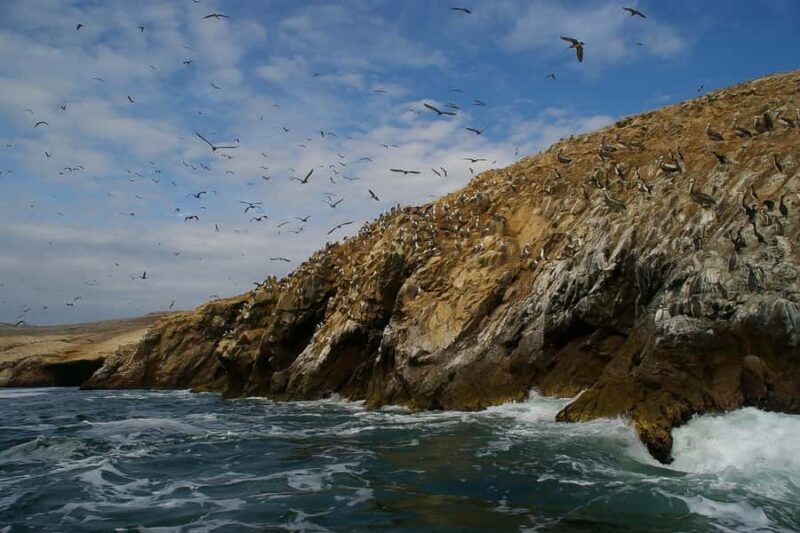
The contrast is the appeal. At sea, you look up at guano-marked rock and watch birds and marine mammals around the islands. On land, you travel through a dry expanse of sand and cliffs, with bright ocean views and beaches in shades of red and maroon. If you want wildlife and scenery without arranging separate transport, this package gives you both.
It is also a good introduction to the region’s natural character. The tour is not a hiking expedition or a long wildlife survey. You travel by speedboat and van, with stops and explanations along the way. That makes it practical if you have limited time, though anyone hoping to spend hours at a single beach or observe animals at their own pace may prefer a longer, independent visit.
Looking for more options in Paracas? Here are some other experiences worth considering.
Pickup is included from hotels within Paracas town centre. The transfer to the pier is short, about five minutes by van, so the day begins simply: meet your driver, head to the harbour and join the boat trip. The listed pickup points include hotels and hostels in Paracas, such as Hotel Paracas, Viajero Kokopelli and The Legend Paracas Resort.
If you are staying in Pisco, Santa Cruz or San Andres rather than Paracas, contact the operator first. Pickup from another town can be arranged for an additional 30 soles per transfer. That cost is separate from the tour price, so factor it in when comparing options.
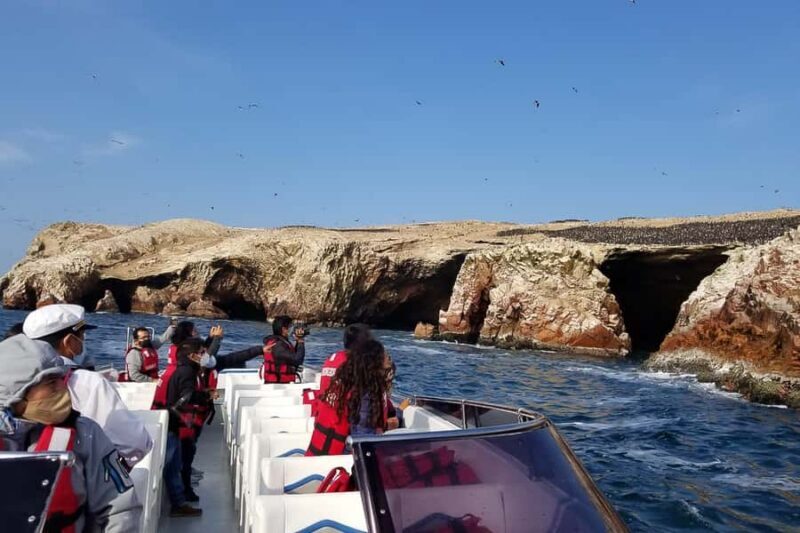
The speedboat portion lasts about two hours. A boat trip of that length gives you time to see the coast and the islands, but it also means being exposed to wind and sea spray for a while. A past visitor described getting soaked and cold when the weather was poor; another found the boat cool even without rain. Bring a layer you can protect from spray, and consider motion-sickness medicine if you know you need it on boats. One visitor specifically recommended taking it in advance.
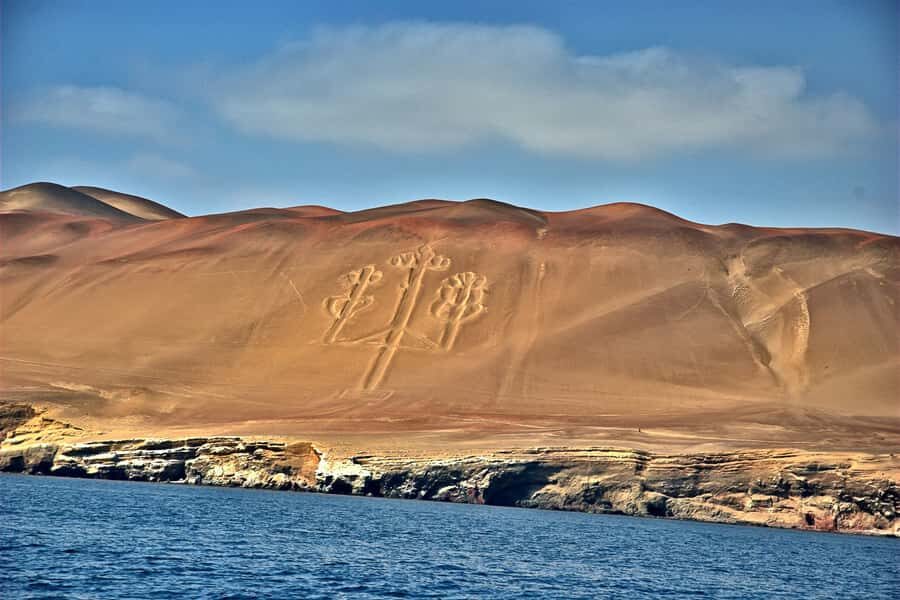
On the way to Ballestas, the boat stops near the Paracas Peninsula so you can see the Candelabro, a large glyph cut into the slope. Its creator and purpose remain unknown. From the water, it is an unusual sight: a human-made mark on a spare, coastal hillside, with no clear explanation to settle the question of why it is there.
The stop adds a cultural puzzle to a trip otherwise centred on nature. Your bilingual guide can explain what is known, but the mystery is part of the point. You view it from the boat rather than visiting the glyph on foot, so keep your camera ready and listen for the guide’s explanation while the vessel is in position.
The tour is offered in Spanish and English. Some boat groups can be large, and it may be difficult to hear every word over the engine and open water. If understanding every detail matters to you, stay near the guide when possible and ask for clarification when the boat is stopped.
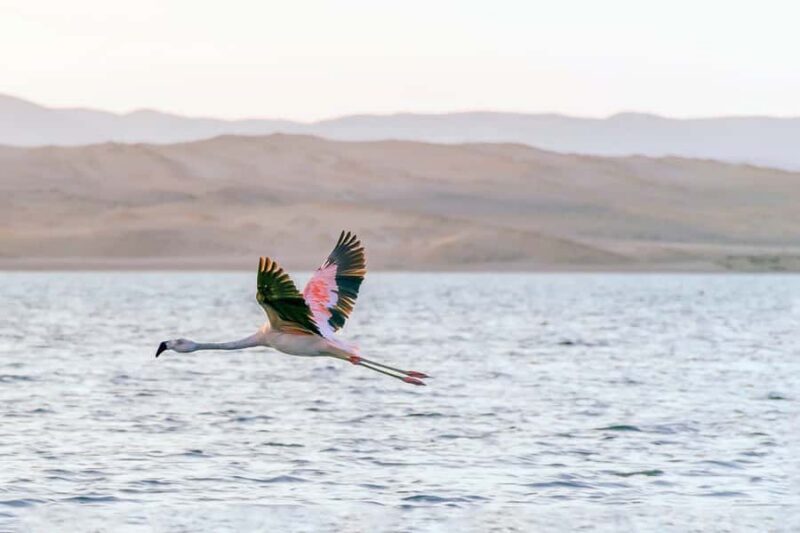
The islands are often called Peru’s Galapagos, a nickname that hints at their appeal but can set expectations too high. This is a boat tour around a marine sanctuary, not a visit ashore or a close-up encounter on your own terms. You look from the boat as it moves around the rocky coast, where sea lions rest and birds gather.
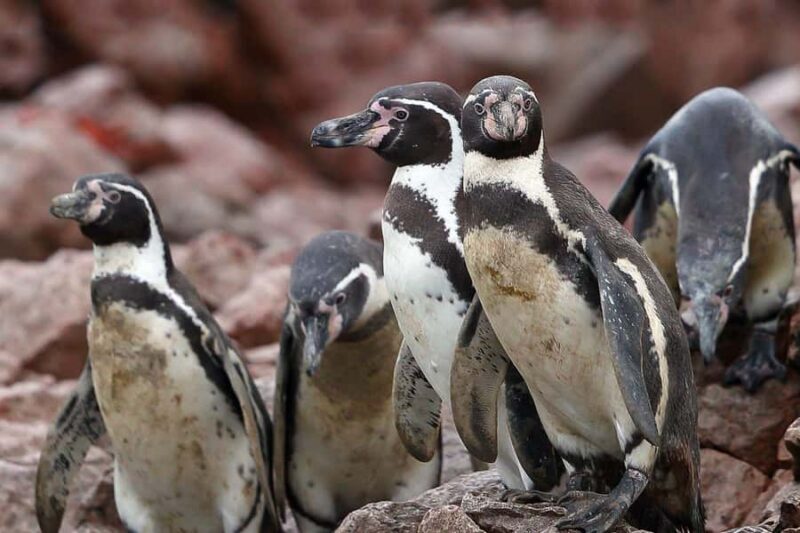
Sea lions, penguins, pelicans and blue-footed boobies are among the wildlife you may see. Other seabirds are common, and some trips have also spotted dolphins or even a whale. These are wild animals, not a guaranteed checklist. Penguin numbers can vary; visitors have reported fewer sightings during El Niño conditions, when the animals were farther along the coast in search of food. Sea lions may also be more numerous at some times of year than others.
The captain’s route matters. The boat crew works to give people views of the animals, but a moving vessel, crowd size and the animals’ own habits all affect what you can see. A shared boat can carry around 40 people, so take a seat where you can look out easily and bring a camera with a strap. If you are especially interested in birdlife, a guide’s explanations can help you notice species beyond the most obvious penguins and sea lions.
More Great Tours Nearby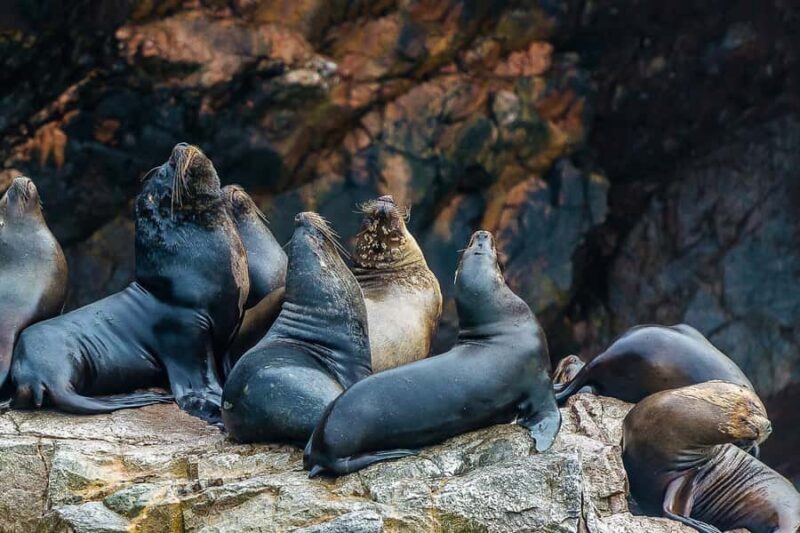
After returning to the pier, the itinerary includes about 30 minutes of free time at a local café before the reserve visit. It is a useful pause after the boat, whether you want a snack, a drink or a few minutes out of the wind. Meals and alcoholic drinks are not included, so budget separately if you plan to eat.
The break also separates two very different parts of the day. The boat tour can feel lively and shared; the reserve trip is often described as a smaller, more personal outing, sometimes with just a few people in the van. Group size can vary, so do not assume you will have a private vehicle. Still, the change of pace is valuable: on land, you can take in the coast without the boat’s motion and noise.
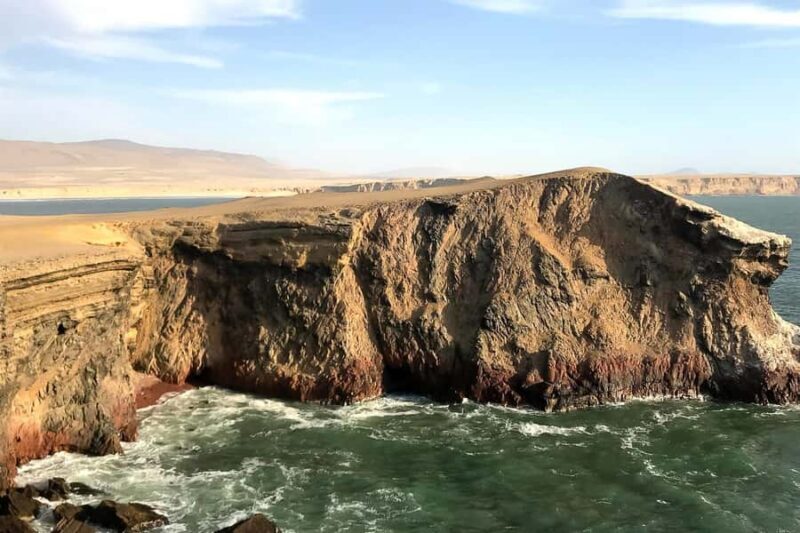
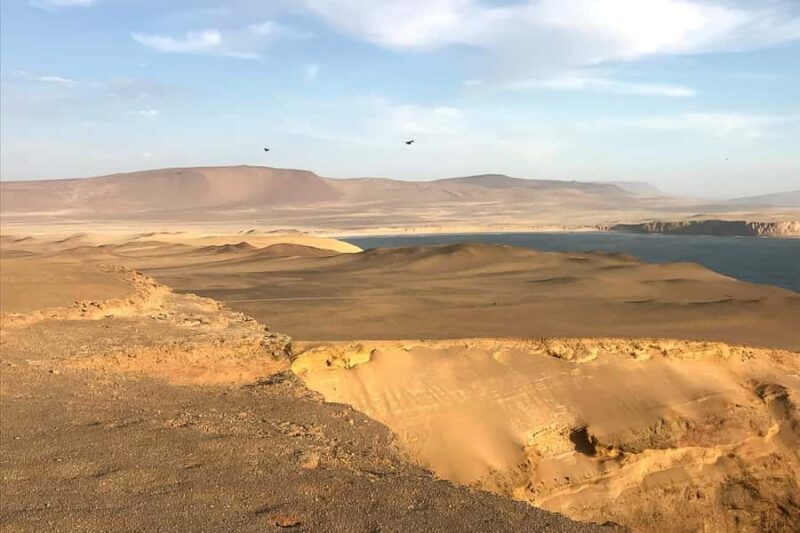
The reserve is the tour’s dramatic change of scene. You drive across open desert and past high sandstone cliffs that meet the Pacific. There is little greenery to soften the view. The starkness is the attraction, and the sea seems all the brighter against the dry earth.
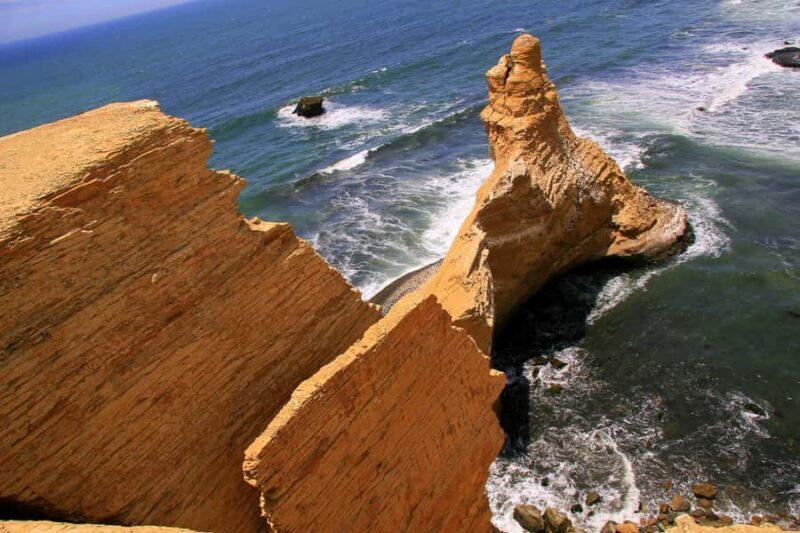
At the Cathedral, you see the site of a huge rock formation that once stood along the coast before an earthquake destroyed it. The name recalls what was there, even though the formation itself is gone. The stop gives the guide a chance to put the area’s geology into context and explain how the coast has changed.
Playa Roja and Lagunillas Beach bring colour and scale to the route. Their maroon-toned sand is unusual, especially beside the blue water and pale desert. You can stop for views and photographs, and guides such as Olenka have been praised for allowing time to look around rather than hurrying everyone from one viewpoint to the next. If you care more about scenery than wildlife, this part may be the highlight.
The reserve guide can make a substantial difference. Visitors have singled out Olenka and Eduardo for clear explanations about the region’s geography, history and people. Olenka has been noted for adapting the route to a group’s interests and helping with photos; Pablo has also been praised for guiding a reserve visit. These names are not a promise about who will lead your tour, but they give you a sense of the operator’s guiding style when the right guide is on duty.
At $60 per person, the price covers hotel pickup and drop-off in Paracas and Pisco, a Spanish- and English-speaking guide, the Ballestas boat tour, transport for the reserve visit and a bottle of water. You are paying for two different excursions and the transfers that connect them, not just for a boat seat. For a visitor without a car, that combination can be good value.
The main extra is the local entrance fee, paid in cash at the harbour main gate. The stated cost is 22 soles per adult and 16 soles per child; payment in US dollars is also listed as $7 per person. Bring Peruvian soles if you can, and keep the money accessible rather than buried in a day bag. Food, alcoholic drinks and personal expenses are also on you.
The advertised duration is five hours, with two hours on the boat and about 30 minutes at the café. The remaining time covers transfers and the reserve route. Starting times depend on availability, so check the schedule that fits your day before booking. The tour offers free cancellation up to 24 hours beforehand and a reserve-now, pay-later option.
This tour suits you if you want a guided overview of both the Ballestas Islands and Paracas National Reserve in one outing. It is especially useful for a short stay, for anyone without a car, and for families interested in animals, geology and coastal views. The reserve portion may be the stronger fit if you like desert scenery and explanations about the places you visit; the boat is the draw if seabirds and sea lions are your priority.
It is not recommended for children under five or pregnant women. The activity information also gives conflicting guidance on wheelchair access: one section says wheelchair accessible, while another says it is not suitable for wheelchair users. Contact the operator before booking if access needs are relevant, rather than relying on either statement alone.
Bring your passport or ID, comfortable shoes, sunglasses, a sun hat and sunscreen. Add a windproof layer for the boat, plus a small amount of cash for the entry fee and any café stop. Oversize luggage and large bags are not allowed, and pets, smoking, alcohol and drugs are prohibited.
I would book it if you want the region’s two main natural attractions in one well-organized half-day and value having guides explain what you are seeing. The reserve tour is a particularly strong reason to go: its desert cliffs and red beaches offer something very different from the wildlife outing, and a good guide can bring the area’s geography and history into focus.
Go with realistic expectations for the boat. You may see penguins, sea lions and plenty of birds, but sightings depend on conditions, and the ride can be wet, cold or a little rough. If that trade-off sounds fair, the combination is a practical way to see the coast and desert without arranging separate trips.
“The best part was private tour in National reserve with the guide Pablo He is amazing guide and the trip was incredible. It is a must to see while …”
The tour lasts about five hours. The speedboat portion is listed as two hours, and you have about 30 minutes of free time at a local café.
The price includes hotel pickup and drop-off in Paracas and Pisco, a bilingual Spanish- and English-speaking guide, the Ballestas boat tour, transport for the Paracas Reserve visit and a bottle of water.
Yes. The local fee is paid in cash at the harbour main gate. It is listed as 22 Peruvian soles per adult and 16 soles per child; payment in US dollars is also listed as $7 per person.
Possible sightings include sea lions, penguins, pelicans, blue-footed boobies and other seabirds. Dolphins and whales have also been seen, but wildlife sightings are not guaranteed.
The tour has a bilingual guide in Spanish and English. On a busy boat, it may sometimes be hard to hear the guide over the engine.
Pickup is included from hotels within Paracas town centre. If you are staying in Pisco, Santa Cruz or San Andres, contact the operator about arranging pickup for an additional 30 soles per transfer.
Bring your passport or ID, comfortable shoes, sunglasses, a sun hat and sunscreen. A windproof layer is useful for the boat, and you should bring cash for the local entry fee.
It is listed as not suitable for children under five.
The activity information is inconsistent: it describes the tour as wheelchair accessible but also lists wheelchair users as unsuitable. Contact the operator before booking to confirm access for your needs.
You can cancel up to 24 hours in advance for a full refund. A reserve-now, pay-later option is also available.
You can check availability for your dates here: