Physical Address
304 North Cardinal St.
Dorchester Center, MA 02124
Physical Address
304 North Cardinal St.
Dorchester Center, MA 02124

Explore Stirling Castle’s Renaissance palace, Great Hall, gardens and royal history with flexible admission and a free, optional 30-minute tour.
Stirling Castle makes a powerful first impression: it crowns a hill between Scotland’s Lowlands and Highlands, with views that help explain why this place mattered in the country’s struggles for independence. Inside, the experience is more than a walk around old stone walls: you can visit restored royal apartments, see costumed interpreters and explore rooms tied to Mary, Queen of Scots.
I especially like the Renaissance palace apartments, restored with careful attention to period furnishings and decoration, and the chance to see the castle at your own pace rather than hurry through a fixed tour. The costumed staff add a human touch, while the Great Hall, gardens and museum give you several distinct sides of the site.
One consideration: the castle is large, and its route can be hard to follow in places. An hour or two may feel rushed, especially if you want to catch the Chapel Royal, join a tour and spend time in the museum.

Stirling Castle is set high above the surrounding countryside, in a position that made it both a royal residence and a place of military importance. Its role in Scotland’s fight for independence gives the visit more weight than a simple tour of grand rooms. From the hilltop, you can take in the views and see why Stirling was a prize worth holding.
The admission ticket covers entry for the selected date, and you can arrive at any time during the castle’s operating hours. Once inside, there is no set route or timetable to follow. That freedom is useful, but it also means you should ask staff for directions if you are unsure where to go next.
Stirling is often compared with Edinburgh Castle, but the two offer different visits. Stirling’s palace interiors and restored apartments give you a strong sense of royal life, while its open spaces, gardens and museum add variety. It is also large enough that you should not expect to see everything in a quick circuit.
You might also be interested in these Stirling experiences

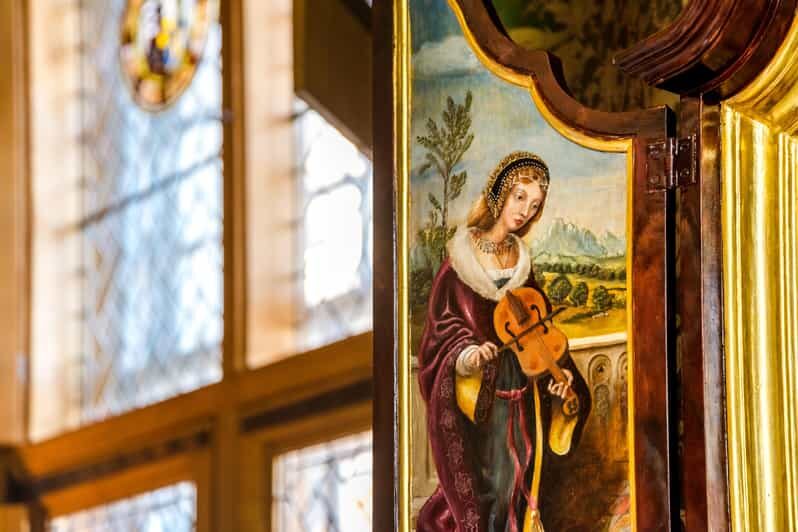
The restored apartments are a major reason to visit. A £12 million project returned six rooms in the Renaissance palace to something close to how they may have looked in the mid-16th century. Archaeologists, historians and other specialists researched the details, from four-poster beds to heraldic designs on the walls and ceilings.
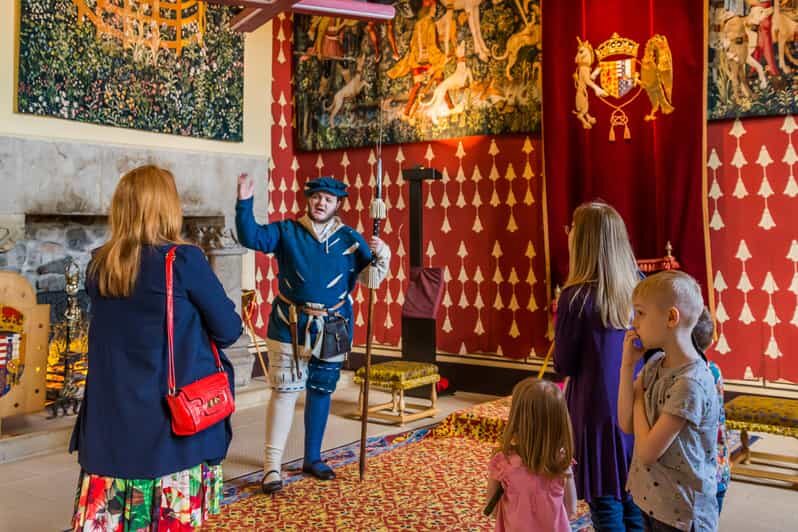
These rooms help you picture the court as a working household, not just a parade of royalty. James V, Mary, Queen of Scots and Regent Arran are among the people connected with the palace. Costumed interpreters take on roles such as nobles, guards and ladies-in-waiting, and explain clothing, customs and the people who lived here.
That combination of restored rooms and live interpretation works especially well if you are visiting with children or prefer history with a human face. The characters give you something to listen for as you move through the palace, rather than leaving you to rely on labels alone. The displays are carefully reconstructed, though, so anyone expecting untouched medieval rooms should know that these interiors are restored presentations rather than rooms frozen in their original state.
Give the palace enough time to look closely. The painted decoration, furnishings and tapestries reward a slower visit, and it is easy to pass through too quickly if you are trying to cover the whole castle.
The Great Hall is one of the castle’s signature spaces. Its scale and grandeur make the royal court feel tangible, while the building itself helps show how Stirling’s rulers used architecture to express status and power. It is worth pausing here rather than treating it as a passageway between exhibits.
The Chapel Royal offers a quieter stop. It dates from 1594 and is closely linked to Mary, Queen of Scots, who was crowned at Stirling Castle. Its religious purpose and royal associations make it a useful counterpoint to the courtly show of the palace rooms.
Queen Anne Gardens provide a breather from indoor displays. The gardens are a calmer part of the visit, and the elevated setting gives you another chance to appreciate the castle’s position. If the weather is clear, take a moment outside rather than rushing straight from one historic room to the next.
The castle’s route is not always obvious, so check with a staff member before leaving a section. That small question can help you avoid missing a key stop, particularly the Chapel Royal.

The Regimental Museum shifts the focus from royal life to military history. Exhibits and memorabilia connect the castle’s past to later conflicts and the regiments associated with Scotland. If you are most interested in medieval architecture, you may spend less time here, but the museum gives the visit a broader historical range.
It also helps make sense of Stirling as more than a royal residence. The castle’s strategic location shaped its use over many periods, and the military displays offer a different way to understand that long role. If you are visiting with someone whose interests lean toward military history, this section may be one of the highlights.
More Great Tours Nearby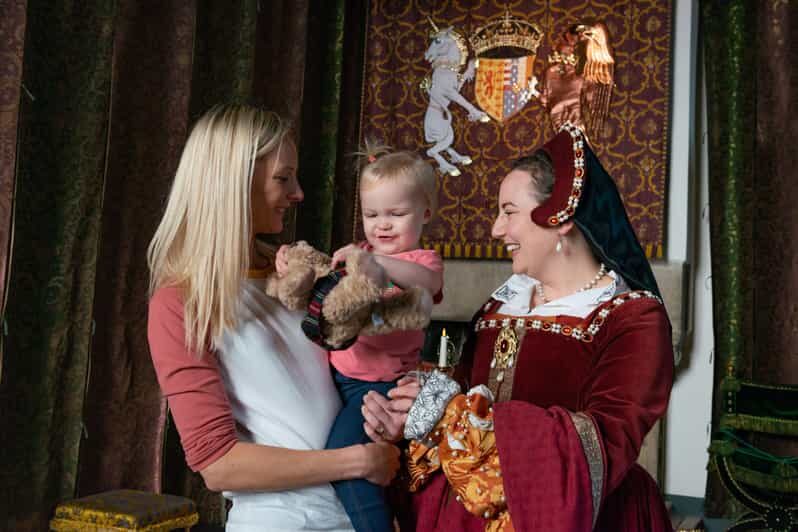
A short introductory guided tour is included at no extra cost. Tours last about 30 minutes, are in English and generally run on the hour. They are first come, first served, and availability can change with staffing and weather, so ask a member of staff where to join the next one.
The tour is a useful way to get your bearings and hear the castle’s main stories before exploring independently. It is not a guaranteed departure, so do not build your whole visit around catching one. If you prefer to move at your own pace, you can skip it and focus on the rooms and displays that interest you.
An audio guide is not included with the ticket. Some visitors have found audio guides helpful, particularly when they wanted more detail or needed a language other than English, but check current availability and any added cost before relying on one.
A sensible plan is to set aside at least a few hours. One visitor found that three to four hours still was not enough to see everything, while others have spent hours exploring the rooms and grounds. The full-day validity gives you room to take your time, though your visit still has to fit within the castle’s operating hours.
If you have only 90 minutes, choose your priorities before you arrive. The palace apartments, Great Hall and Chapel Royal make a strong core visit, while the museum and gardens add time. The castle is spacious, and stopping to read displays or speak with the interpreters can stretch the visit pleasantly.
Families have good reasons to consider it. The costumed characters and interactive material can help children stay engaged, and the different buildings and outdoor areas break up the visit. Still, this is a historic site with plenty to read and see, so plan for pauses rather than expecting children to move quickly from room to room.
Wear shoes suited to walking around a hilltop castle and check your travel plans before setting out. The car park is closed to most vehicles, with exceptions for coaches and people requiring accessible parking. Stirling railway station is within walking distance; one visitor described the walk as about 15 minutes. The castle’s position means your approach includes a climb.
At $25 per person, the ticket is fair value if you make time to explore. Admission covers the castle’s main areas, and the optional introductory tour adds context without an extra charge. The restored apartments, Great Hall, museum, Chapel Royal and gardens make this more than a brief look around a single building.
The strongest value comes from having time to use the full-day entry. If you arrive late or race through, you may miss rooms and the quieter details that make the visit worthwhile. The audio guide is an extra consideration if you want more commentary, and the free tour is not guaranteed because it depends on staffing and weather.
Booking ahead can save time at the ticket office. Have your QR code ready for scanning at the entrance, and keep in mind that older ticketing experiences have varied in how easily digital vouchers were handled. Current entry instructions should take priority, but having your booking accessible on your phone is a practical precaution.
Book if you want a substantial castle visit with royal interiors, military displays and a strong connection to Scottish history. It is particularly well suited to history-minded visitors and families who enjoy interactive interpretation, and the flexible admission makes it easier to take the visit at your own pace.
Think twice if you only have time for a very brief stop or expect every interior to be untouched and medieval. Stirling Castle combines historic fabric with carefully restored rooms, and it rewards a few unhurried hours. If that sounds like your kind of visit, the ticket is a worthwhile way to spend an afternoon.
“We'd heard Stirling was the castle to visit, even over Edinburgh, so our expectations were high. It delivered. Booking online was seamless: our tic…”
Allow several hours if you want to see the main rooms, museum and gardens. The ticket is valid throughout operating hours on your selected date, and some visitors have spent three to four hours without covering everything.
Yes. A free introductory tour is offered in English. It lasts about 30 minutes, runs on the hour and is first come, first served. Availability may vary with staffing and weather.
No. Audio guides are not included in the ticket price.
You can enter at any time during the castle’s operating hours on the date selected for your ticket.
The car park is closed to all vehicles except coaches and those requiring accessible parking.
No. Luggage and large bags are not allowed.
You can check availability for your dates here: