Physical Address
304 North Cardinal St.
Dorchester Center, MA 02124
Physical Address
304 North Cardinal St.
Dorchester Center, MA 02124

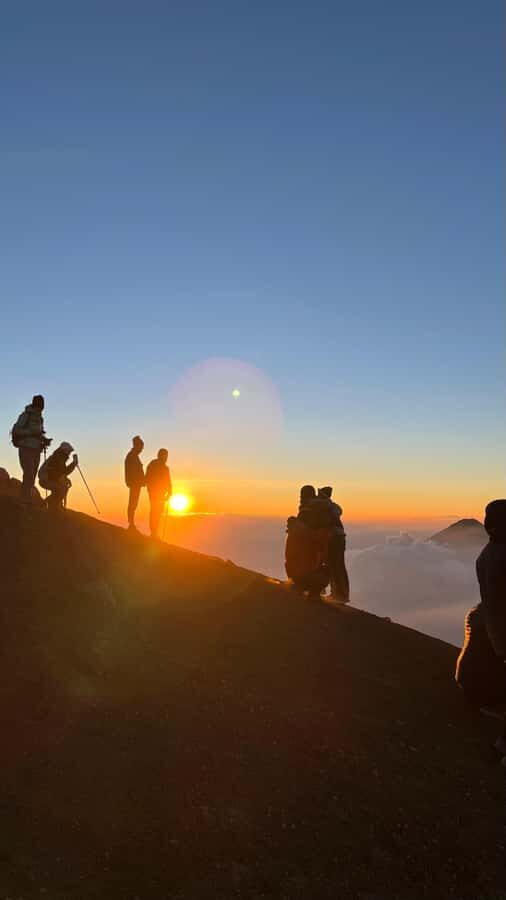
Hike Acatenango from Antigua, sleep above the clouds and watch Fuego erupt. See what the two-day trek includes, costs extra and demands of you.
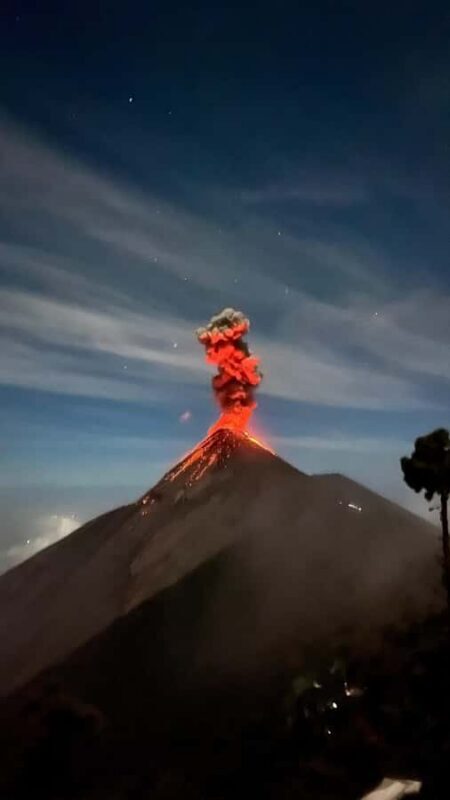
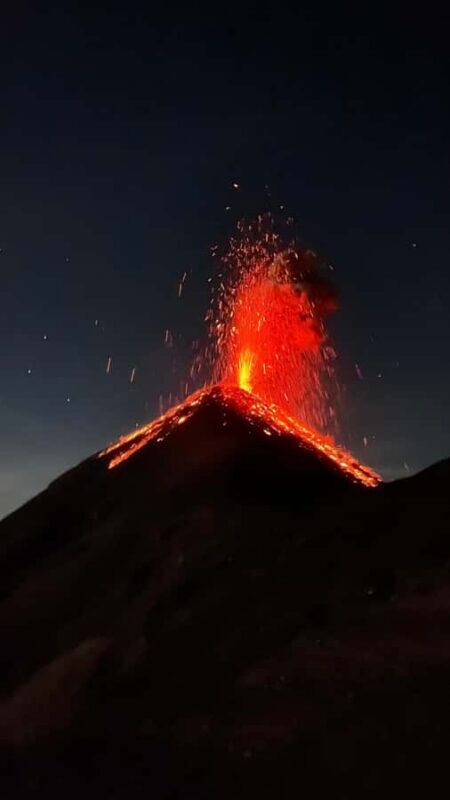
Acatenango is a volcano hike with a rare reward: from camp, you may watch Volcán de Fuego send bursts of light into the night across the valley. The climb takes about five hours on Day 1, followed by a cold night near the summit and an optional sunrise walk to the top.
I like two things about this trip: the Fuego views from camp give the overnight a purpose beyond simply resting before the descent, and the included transport, meals, water and basic cold-weather kit make the $53 price unusually low. Guides such as Abner and Marcelo have been praised for their patience and care, though your guide team will vary.
The main drawback is the climb itself. It is steep, high and tiring, and the night can be bitterly cold even with the supplied jacket, gloves and sleeping bag. Bring proper layers, sturdy shoes and cash for the entrance fee and any optional extras.
The tour starts with a pickup in Antigua between 8:30 and 9:00 a.m. at the Barco Expeditions office meeting point. You travel by shared minivan to a supply stop, where the operator provides food and water, plus a jacket, cap and gloves. Backpacks and flashlights can be rented if you need them.
Allow for a flexible start. Some departures have run late while the group collects supplies, so you may not reach the trail as early as planned. That can make the day feel more compressed, particularly if you hope to add the Fuego hike. Bring patience, keep your own essentials easy to reach, and ask the guide about the day’s timing before you set off.
At the trailhead near La Soledad Village, you meet the local guide for a safety briefing and a review of the route. The advertised guide language is Spanish. Guide teams vary, and names such as Abner, Marcelo, Felipe, Carlos and Edgar have been associated with past groups, but you should not expect a particular person.
The climb moves through farmland, cloud forest and volcanic terrain. Those changing surroundings are part of the appeal, but the trail is not a casual stroll: expect a long uphill push, regular breaks and a shared group pace. The guide team is meant to keep the group moving together, which helps less experienced hikers manage the climb. If you are very fit, pauses while the group regathers may feel slow. They are part of a group trek, not wasted time.
You can check availability for your dates here: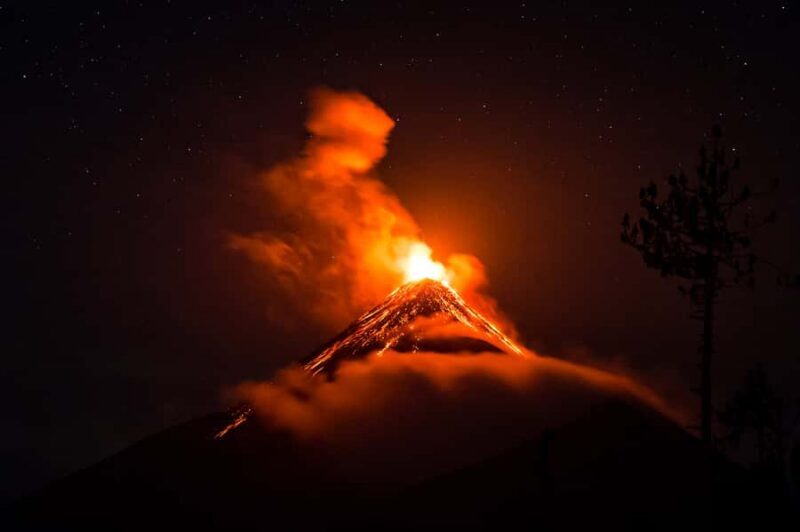
The first day’s ascent takes about five hours, though the overall schedule can stretch. You gain height steadily, and the route is described as challenging. One useful reality check: a person who considers themselves fit can still feel the effects of altitude, including headache or lightheadedness. Take the pace seriously, drink regularly and tell your guide if you feel unwell.
The tour provides 3 liters of water, a substantial load to carry along with your clothing and personal gear. Some people bring extra, but others find the supplied amount sufficient. Because water needs vary and the climb is strenuous, follow the guide’s advice and carry enough for yourself rather than assuming the group can supply more.
Good footwear matters. The trail can be slippery and loose, and running trainers may not offer enough grip. Hiking boots or trail shoes are a safer choice. A walking pole can help on the rougher sections; poles are available to rent in Soledad Village for Q15 each.
You can also hire a porter for Q250, or arrange one-way horse support for US $100. These options cost far more than the tour itself, so decide before arriving if carrying your pack is a concern. Backpacks can be rented for Q50, though bringing your own is generally more cost-effective.
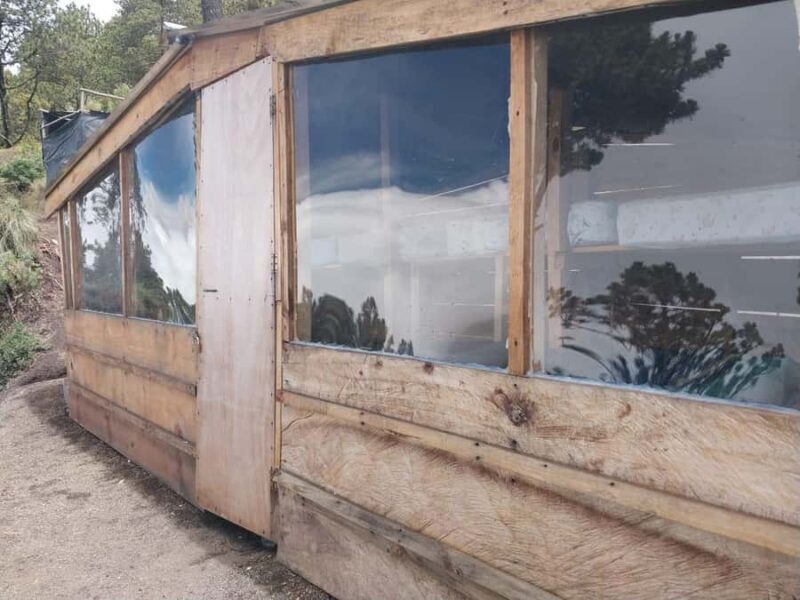
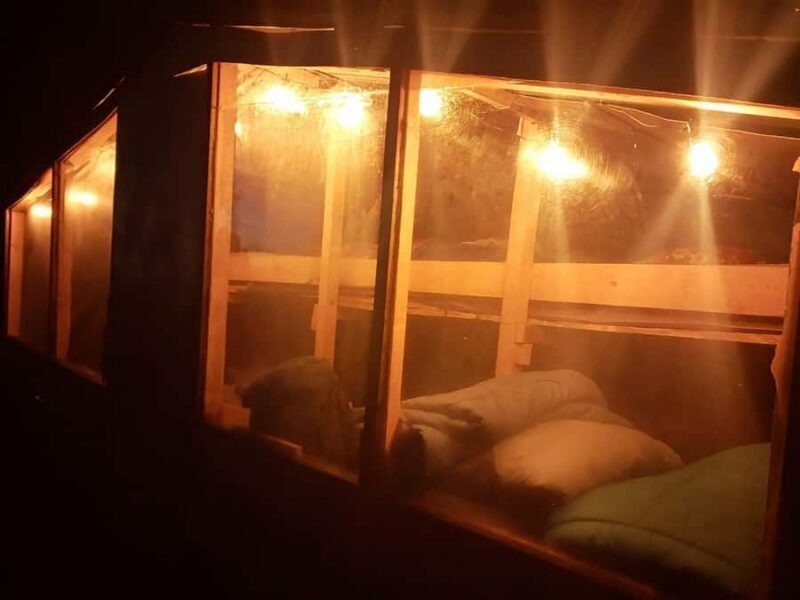
By late afternoon, the group reaches base camp near Acatenango’s summit. The lodging is basic, with shared cabins and sleeping spaces. The stated cabin capacity differs across the tour information, which gives a maximum of 10 in one place and up to 18 passengers in another. Expect shared accommodation, and ask the operator for the current arrangement if cabin size is important to you.
A bed, mattress and zero-degree sleeping bag are included, along with the jacket, cap and gloves issued before the hike. The kit is useful, but don’t treat it as a complete cold-weather system. Nights at camp can be extremely cold, and some hikers have found the provided layers inadequate. Bring your own warm base layers, extra socks, a hat and gloves if you have them. A pillow, toiletries and a waterproof bag are also sensible additions.
The reason to sleep here is the view across the valley to Fuego. From camp, you may see eruptions through the evening and night, with the volcano’s activity giving the dark hours a dramatic focus. The cabins are simple, but some have a window with a view toward Fuego, so you may not need to leave your bunk to keep watch.
Dinner is included, as are coffee, tea or chocolate. The food is practical rather than a reason to book, and preferences differ. Bring snacks you know you like, especially if you have a big appetite after the climb or follow a specific diet. Vegetarian, vegan and gluten-free options are available, but it is wise to state your needs when booking.
The additional Fuego hike is a separate, strenuous round trip of about three hours and costs Q200 per person. It brings you closer to the active volcano, but it is a serious extra effort after the first day’s climb. Confirm with your guide if you want to go, and ask about timing, conditions and lighting. A flashlight is important, and it is not included as standard.
Day 2 begins at 4:00 a.m. for those choosing the optional Acatenango summit hike. It is an early start on tired legs, but the payoff can be broad views of the surrounding volcanoes and valleys. On a clear day, the view may stretch to the Pacific Ocean. Sunrise conditions depend on the weather, so dress for cold and don’t treat visibility as guaranteed.
You can choose not to make the summit walk. That is a practical option if the altitude, cold or previous day’s effort has taken a toll. The important thing is to make the choice honestly, rather than pushing on just because others are heading out.
After the summit walk, the group returns to camp for breakfast, packs up and descends by the same route. The downhill may sound easy after the climb, but steep, loose ground can be hard on knees and ankles. Take care with your footing and keep your hands free when possible.
The return hike passes back through volcanic ground, cloud forest and farmland before reaching the trailhead late in the morning or early afternoon. A minivan then takes the group to Antigua. Allow some flexibility in your plans: departures and return transport can run late, and the group’s pace affects the schedule.
At $53 per person, the tour offers strong value for a two-day outing. The price includes round-trip transport, a local guide, Day 1 lunch and dinner, Day 2 breakfast, 3 liters of water, drinks such as coffee or tea, shared cabin accommodation, a bed and mattress, a zero-degree sleeping bag, and basic cold-weather gear. Pickup and drop-off are also included.
But $53 is not the full outlay. The entrance fee is Q100, and the optional Fuego hike costs another Q200. Drinks such as soda or alcohol are extra, as are equipment rentals, luggage storage, porter hire and horse support. Bring cash for these charges and for any purchases along the way.
The listed highlight about the significance of the backstrap loom is not explained in the day-by-day schedule. If that cultural element is important to you, ask the operator when and where it takes place before booking. The main focus described here is the volcano hike and overnight camp.
More Great Tours Nearby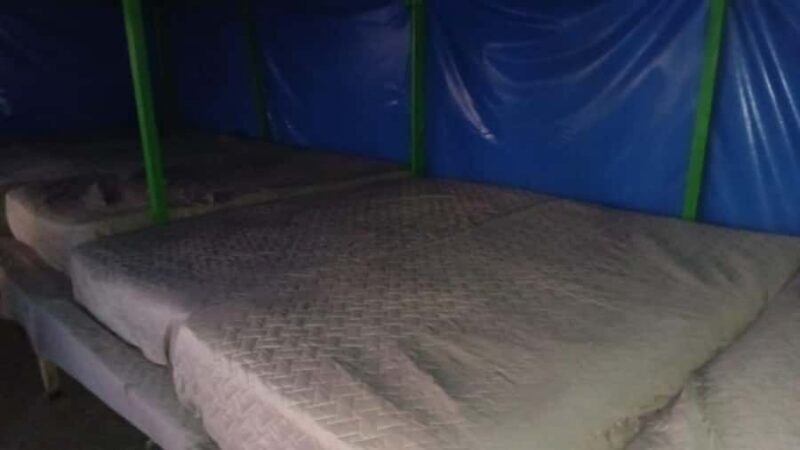
Pack for a strenuous hike and a much colder night than you may expect in Antigua. The supplied jacket and gloves are useful, but your own warm layers give you a backup. Add long pants, spare socks, a light raincoat, sunglasses, sunscreen and suitable hiking shoes. A waterproof bag helps protect clothes and electronics.
A flashlight is essential for night movement and the early start. Bring snacks, cash, biodegradable insect repellent and personal toiletries. Hand sanitizer and toilet paper are also practical additions. The tour says backpacks and flashlights may be rented, but bringing your own can save money and ensures you know how your gear works.
Do not overpack without a plan. You need enough warm clothing and water, but every extra item adds to the load on the uphill section. A 45 to 55 liter backpack is recommended in the tour information. Keep the gear you will need at camp easy to reach, and ask about luggage storage in Soledad Village if you do not want to carry everything; storage is listed at Q15 per item.
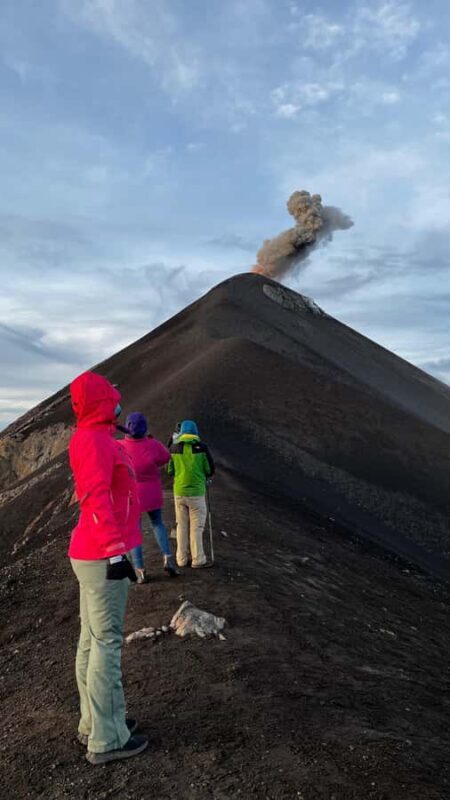
This trip suits you if you are reasonably fit, comfortable with a long uphill hike, and excited by the chance to watch an active volcano from an overnight camp. It is especially rewarding if the combination of physical effort, volcanic scenery and sunrise views matters more to you than comfort.
It is not a good choice if you need a gentle walk or warm, private accommodation. The tour is not suitable for children under 10, people over 70, people over 140 kg, or people with back, heart, respiratory, kidney or other listed health concerns, including epilepsy and diabetes. If you have a health condition or doubt your ability to manage the altitude and effort, speak with a medical professional before booking.
The group moves at a shared pace, and the guide team’s care can make a hard day feel manageable. Still, this is not a substitute for preparation. Build your fitness beforehand, bring shoes with grip, and give yourself time in Antigua to adjust to the altitude if your schedule allows.
Book it if you want a demanding two-day hike with a real chance to watch Fuego erupt from camp, and you can handle cold, basic lodging and a group schedule. The low price covers many essentials, while the guides’ role in pacing and looking after the group is central to the experience.
Skip it if you are counting on comfortable sleep, a guaranteed English-speaking guide, or a relaxed start and finish time. Before booking, check the current cabin capacity, clarify how the backstrap loom element fits into the trip, and budget for the Q100 entrance fee and any extras. With warm layers, sturdy footwear and realistic expectations, this can be a remarkable use of two days near Antigua.
“Simply amazing! My only remark is that the sleeping bag, jacket and gloves provided were not thick enough to protect from the cold and I therefore …”
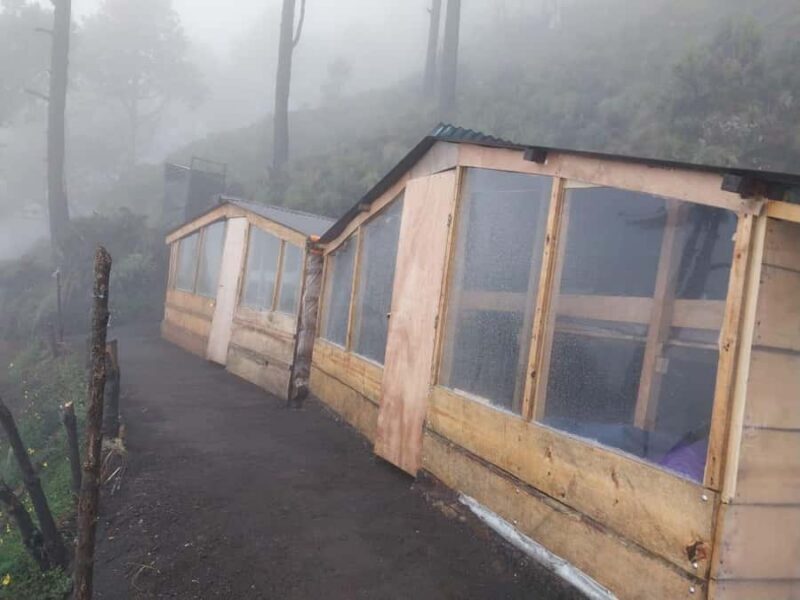
The Day 1 ascent takes about five hours. On Day 2, you can join an optional 4:00 a.m. hike to the summit, then descend by the same trail after breakfast.
The tour includes round-trip transport, a local Spanish-speaking guide, lunch and dinner on Day 1, breakfast on Day 2, 3 liters of water, drinks such as coffee, tea or chocolate, shared cabin accommodation, a bed, mattress, sleeping bag, gloves, cap and jacket.
The entrance fee is Q100, and the optional Fuego hike costs Q200 per person. Drinks, luggage storage, gear rentals, porter hire and horse support are also extra.
No. The summit hike begins at 4:00 a.m. and is optional. You can stay at camp if you do not want to make the early climb.
Spanish is the stated tour language. Do not assume the guide will speak English.
Bring warm clothing, hiking shoes, spare socks, a flashlight, snacks, sunscreen, rain gear, cash and personal toiletries. Extra layers are especially useful because the night at camp can be very cold.
You can check availability for your dates here: