Physical Address
304 North Cardinal St.
Dorchester Center, MA 02124
Physical Address
304 North Cardinal St.
Dorchester Center, MA 02124

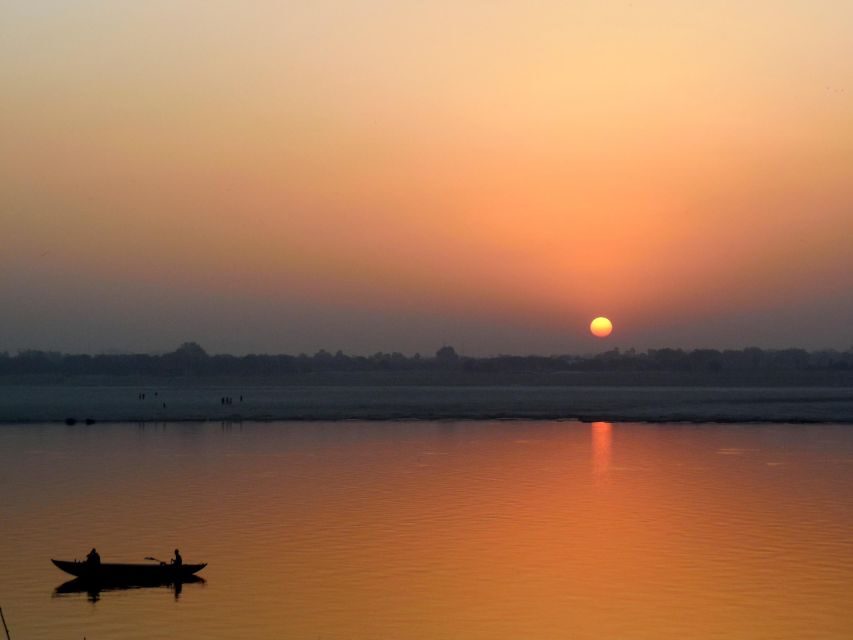
Watch Assi Ghat’s morning Arti, then follow the Ganges by boat past Varanasi’s ghats to Manikarnika with guide Karan.
Varanasi comes into focus from the river at sunrise: lamps and ritual fire at Assi Ghat give way to a long view of the city’s ghats, with daily life unfolding along the Ganges. The boat reaches Manikarnika Ghat, the city’s most venerated cremation ground, before returning to Assi.
I like two things in particular: you see the morning Arti and havan before setting out, and the boat gives you a broad view of roughly 55 ghats that is hard to get from the crowded riverbank. Guide Karan is often named for clear explanations, thoughtful answers, and a personal approach.
The main consideration is the early start, and the river’s cremation rites are not a light sightseeing stop. Go ready to be quiet and respectful. Fog can also affect the sunrise view, so the boat ride may not deliver the crisp dawn picture you are hoping for.
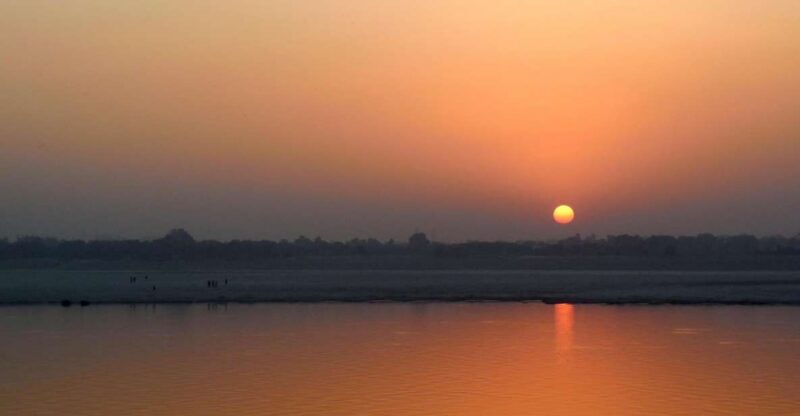
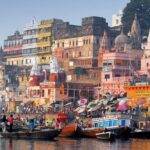
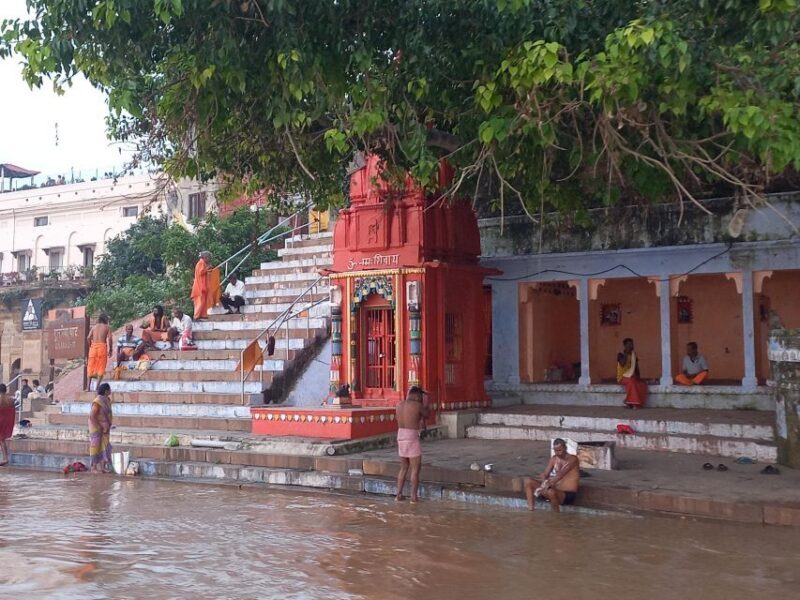
A sunrise boat ride is more than a pretty view. From the water, you can take in the sweep of the ghats at once, rather than meeting them one crowded staircase at a time. The riverfront is the setting for worship, bathing, washing, cremation, and ordinary morning routines. Seeing those activities from a boat gives you a useful sense of how closely daily life and religious practice meet here.
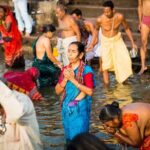
The timing matters. Early light brings out the shape of the riverbank, while the city is still beginning its day. You may see people bathing or washing clothes, as well as temples, palaces, and other structures along the water. The view is broad, but the guide’s commentary helps make it more than a passing parade of buildings.
This is also a compact way to get your bearings. If Varanasi feels intense on arrival, seeing the riverfront from the boat can help you understand how its ghats fit together. You get a first look at key places, along with stories about their history and purpose, before deciding where you want to return on foot.
More ways to experience Varanasi from the water include these boat tours
The stated meeting point is in front of the hotel Palace on Ganges, at the left corner of the street near Assi Ghat. The route description names the hotel as both the starting and ending location, while the tour itself begins at Assi Ghat. Check the precise meeting instructions when arranging your start time so you know where to find the group before dawn.
The early hour is part of the experience, not an incidental detail. You will need to be ready to leave while much of the city is still quiet. The activity runs for two to three hours, with the guided portion listed as two hours, so leave room in your morning schedule rather than planning a tight connection immediately afterward.
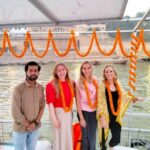
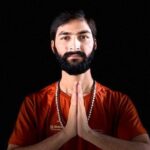
Guide Karan is the named guide most often associated with this experience. His English commentary covers the ceremonies, local customs, history, and the sights along the river. The useful detail here is not simply that someone is present to guide you: an informed guide can explain what is happening without turning a religious setting into a string of photo stops. Karan is also described as making the experience personal, answering questions and adjusting his explanations to what interests the group.
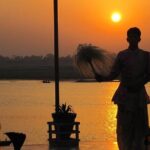
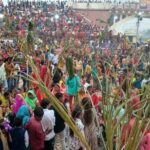
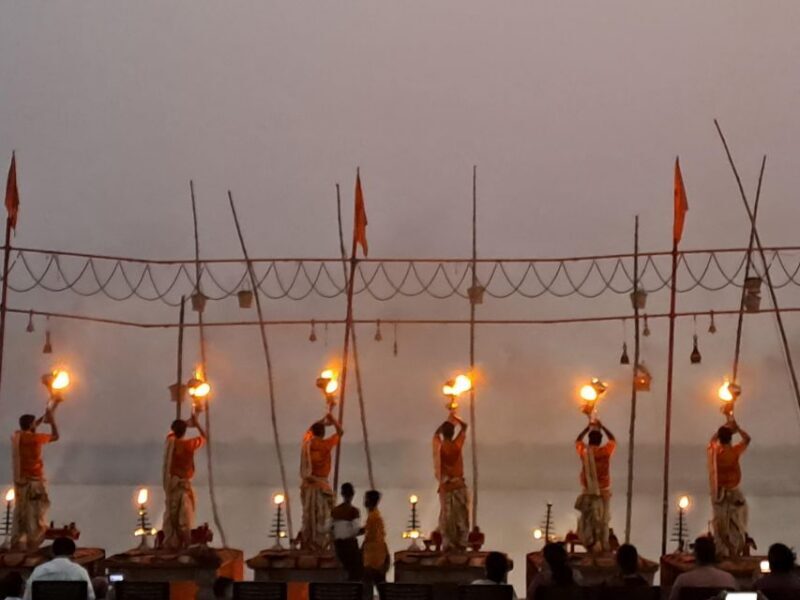
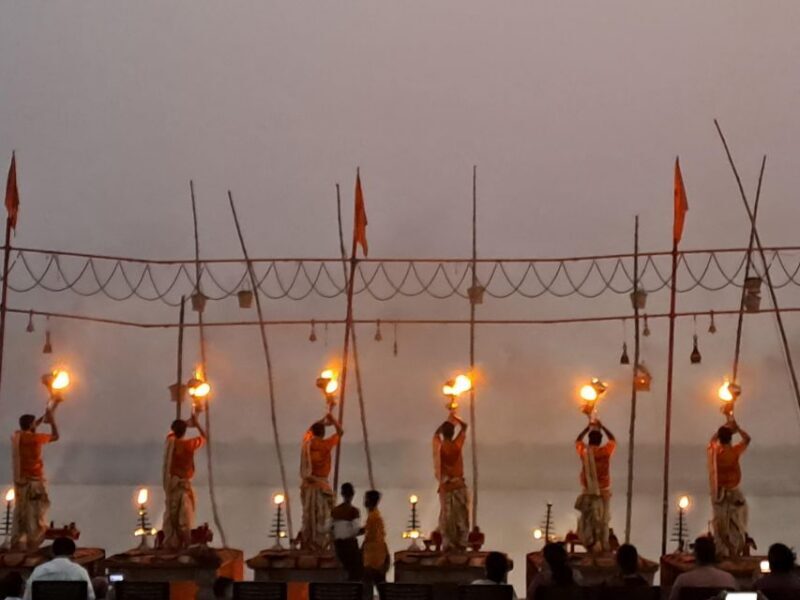
The tour opens at Assi Ghat with the morning Arti ceremony and a havan, a Hindu ritual involving a fire offering. Watching these rites before boarding gives the boat trip a stronger context. You are not just passing a ceremonial place from the water; you have first seen worship taking place at the river’s edge.
The ceremony is a central part of the outing, not a brief add-on. Karan has been described as explaining what is happening and why, and helping the group find a good place to watch. One account also mentions warm chai before the boat ride, but do not treat that as a guaranteed inclusion. The stated inclusions are the morning Arti, havan, and sunrise boat tour.
Give the ritual your attention. This is a religious observance, and the best way to experience it is to watch quietly and follow your guide’s direction. If you want photographs, be mindful of the people taking part. A good view is welcome, but it should not come at the expense of the ceremony.
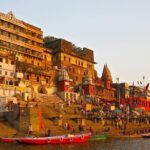
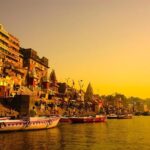
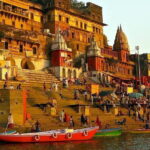
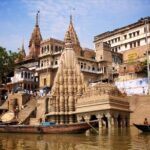
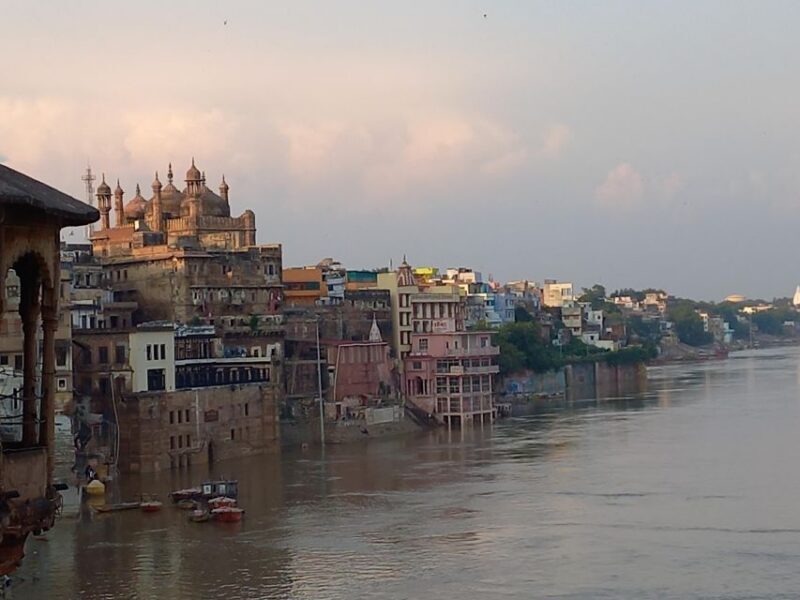
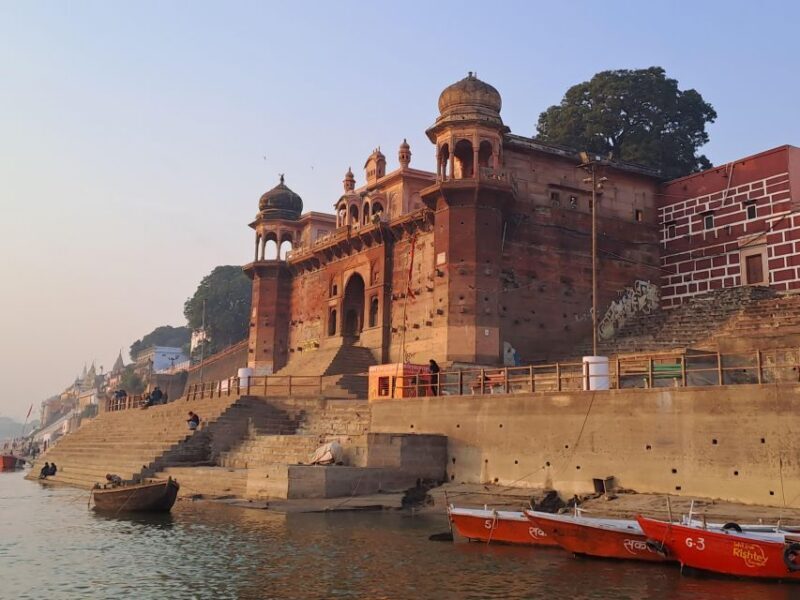
After the ceremony, the boat heads along the Ganges past about 55 of Varanasi’s most important ghats. That number gives you a sense of the route’s scope: this is not just a short loop beside Assi. You see a long stretch of riverfront and hear stories about the ghats and monuments lining the bank.
The changing views are a large part of the appeal. From the river, you can see the city as a connected whole, with its steps and structures meeting the water. At the same time, the boat offers a view of people going about their morning: bathing, washing clothes, praying, or simply spending time by the river. The scene can feel beautiful and serene, but it is also a working and sacred place. Keep both sides of that picture in mind.
The guide’s explanations are especially useful here. A temple or palace may look striking from a distance, but a story about its place in the city gives you a reason to remember it. Karan’s style is described as welcoming questions and offering historical and cultural context, rather than reciting a fixed script. That matters if you are curious about particular customs or want a little more explanation than the view alone provides.
One account describes the boat moving quietly on the outward leg and using its engine on the return. That may make the first stretch especially peaceful, though boat arrangements can vary. Either way, a river ride is not a silent experience in every moment: you are sharing a public waterway and observing a living city, not entering a private viewing room.
More Great Tours Nearby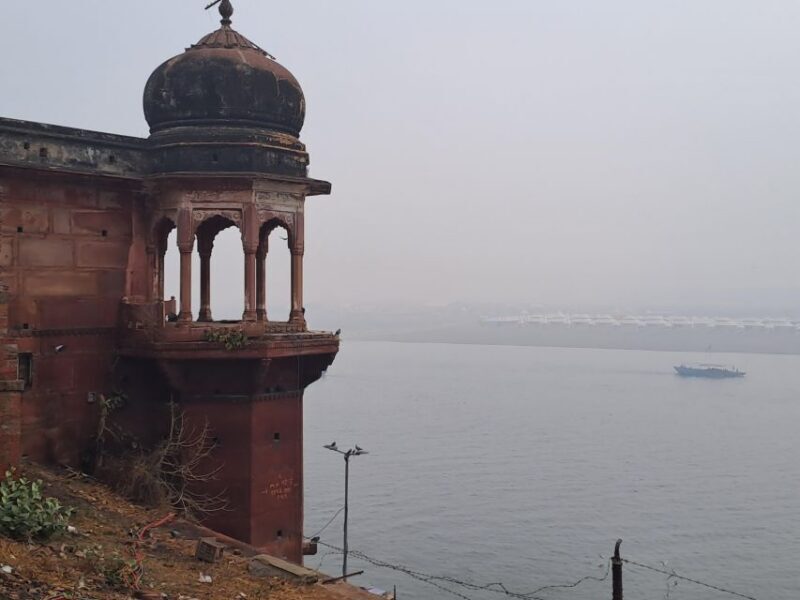
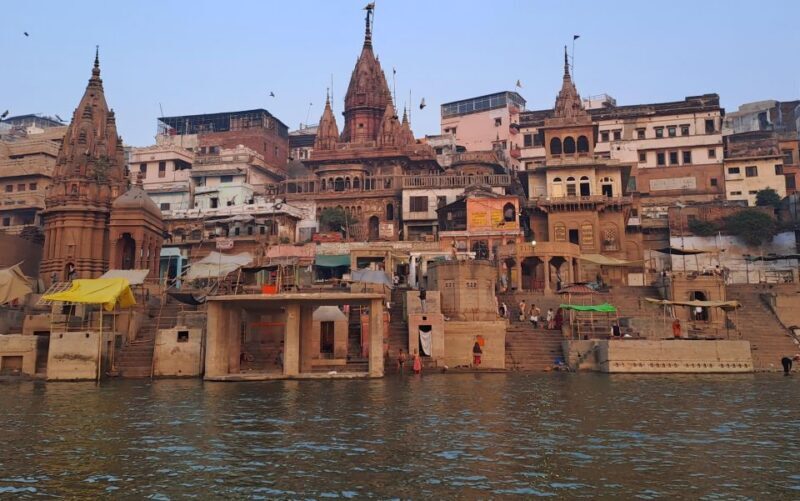
Manikarnika Ghat is the route’s most sobering stop. It is Varanasi’s most venerated cremation ground, and cremation rites are part of what you may see from the river. The tour description says the boat reaches the ghat and then slowly returns to Assi.
This is a place where a little preparation helps. You may find the sight emotionally powerful or unfamiliar. Keep your attention respectful, listen to your guide, and avoid treating the rites as entertainment. The value of having a guide is partly that you can ask questions and receive context without making assumptions about what you are seeing.
The contrast with the sunrise views is part of the morning’s meaning. Varanasi’s riverfront is not staged for visitors; prayer, daily work, and death all have a place along these banks. The boat gives you a chance to see that complexity from a measured distance. If you prefer to avoid witnessing cremation rites, this route may not be the right fit.
You might also be interested in these Varanasi experiences
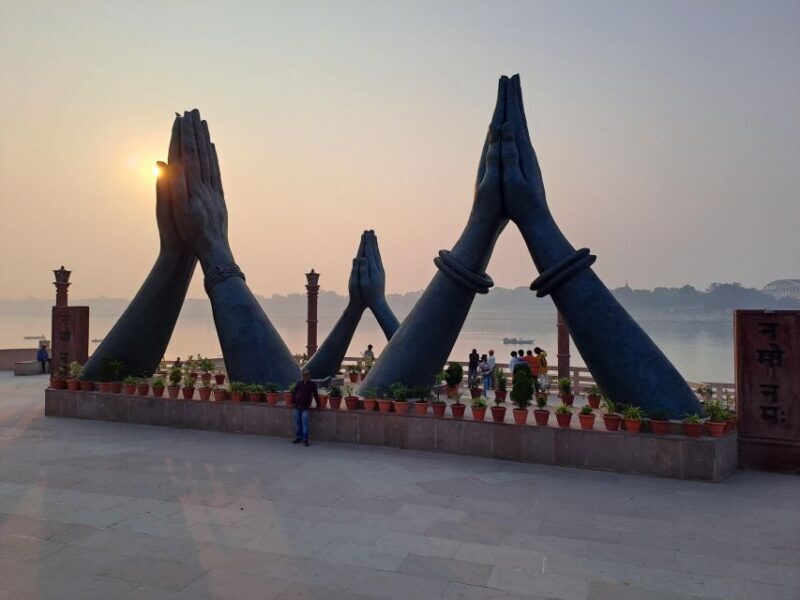
After Manikarnika, the boat turns back toward Assi Ghat and the stated end point near Palace on Ganges. The return gives you another look at the riverfront, this time with more awareness of the places you have passed. The experience comes full circle, from ritual at Assi to the broader stretch of ghats and back again.
The entire outing is listed as two to three hours. The exact pace may depend on the morning’s arrangements, so do not assume the two-hour guided duration means you will be finished at a precise time. The schedule is worth checking before booking, especially if you have another activity planned.
At $31 per person, the tour includes a sunrise boat ride, the morning Arti ceremony, and havan, with an English-speaking live guide. The price is not just for time on the water. You are also paying for a guided introduction to the rituals and riverfront, which can make a short visit to Varanasi much easier to understand.
I see the strongest value in combining the ceremony and boat ride. You do not have to arrange two separate experiences or guess what you are watching at Assi Ghat. The guided route then links that opening to a broad sweep of important ghats and the visit to Manikarnika. For a first morning in the city, that is a useful mix of overview, context, and direct observation.
There are limits. The tour is short compared with the scale of Varanasi, and it cannot replace time walking through the lanes or returning to places that catch your interest. Nor is this a purely scenic cruise. The cremation ghat and morning rituals can be emotionally demanding, and the early start will not suit everyone. You are paying for a concentrated introduction, not a slow, private exploration.
Booking terms are flexible: you can reserve now and pay later, and cancel up to 24 hours in advance for a full refund. The activity also lists a separate entrance for skipping the line, though the main value here is the river route and guided experience.
I would put this near the top of your list if it is your first visit to Varanasi, you want a river perspective, or you value hearing the context behind what you see. Solo visitors may particularly appreciate having a guide as a companion for the morning, while couples and small groups can share the experience without needing to organize the ceremony and boat independently.
It is also a good fit if you are curious about Hindu ritual and willing to observe with care. You do not need prior knowledge to follow the tour, but you should be comfortable seeing a cremation ground from the river. If you want only a sunrise photograph or would rather avoid solemn religious sites, you may prefer a simpler boat ride.
For photography, the dawn light can make the city look especially striking, and Karan has been described as helping with pictures. Still, do not make the photograph the whole point. Fog can reduce visibility, and the most memorable part may be the way the city wakes around you, not a perfectly clear sunrise shot.
If you have one early morning in Varanasi and want an introduction that brings together ritual, river views, and local explanation, this is a strong choice. The combination of Arti at Assi, a route past about 55 ghats, and Manikarnika makes the two to three hours feel purposeful. Karan’s approachable, question-friendly guiding is an added reason to choose this tour.
Book it if you are ready for an early start and understand that the morning includes solemn sights as well as beautiful ones. If you are, the boat offers a memorable first look at Varanasi and a useful foundation for exploring the city afterward.
“We had a very beautiful morning tour by boat with Karan. Will highly recommend to everyone. :)”
Meet in front of the hotel Palace on Ganges, at the left corner of the street near Assi Ghat. The itinerary names Palace on Ganges as the starting and ending location.
The stated duration is two to three hours. The guided tour portion is listed as two hours, so allow some flexibility around your schedule.
You watch the morning Arti ceremony and havan at Assi Ghat, then take a guided boat ride along the Ganges past about 55 important ghats. The boat reaches Manikarnika Ghat before returning to Assi.
Yes. The morning Arti ceremony is included, along with the havan ritual and sunrise boat tour.
Yes. A live guide provides commentary in English about the ghats, monuments, history, customs, and ceremony. Karan is the named guide associated with the tour.
Yes. The boat reaches Manikarnika Ghat, described as Varanasi’s most venerated cremation ground, before returning toward Assi Ghat.
The listed price is $31 per person. The price includes the sunrise boat tour, morning Arti ceremony, and havan.
You can cancel up to 24 hours in advance for a full refund. The activity also offers a reserve-now, pay-later option.
You can check availability for your dates here: