Physical Address
304 North Cardinal St.
Dorchester Center, MA 02124
Physical Address
304 North Cardinal St.
Dorchester Center, MA 02124

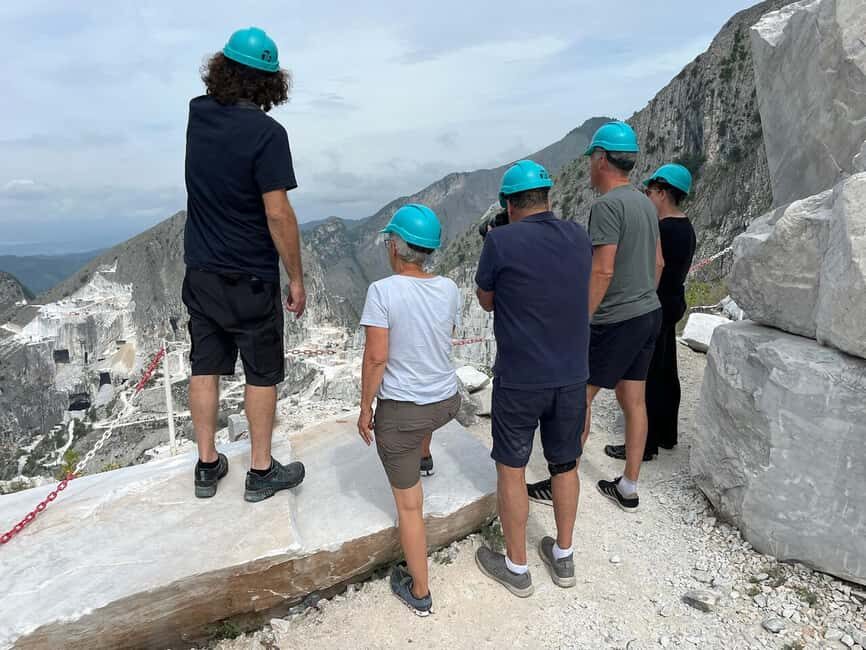
Ride into Carrara’s working marble quarries, hear how the stone is cut, then try Colonnata’s lardo on a 2.5-hour jeep tour.
Carrara’s marble quarries are not quiet galleries of polished stone. They are vast, pale cuts in the mountains, with working machinery and steep roads leading high above the valley. This 2.5-hour jeep ride brings you close to the extraction sites and into an underground quarry.
I love the contrast between the open-air terraces and the underground workings, and the way the guide explains how ancient marble traditions meet modern quarrying. The lardo tasting adds a local flavor to a trip that could otherwise be all stone and machinery.
The main consideration is the ride itself: the roads are steep and winding, and the 4×4 can jolt over rough stretches. This tour is not suitable for people with back problems, pregnant women or wheelchair users.
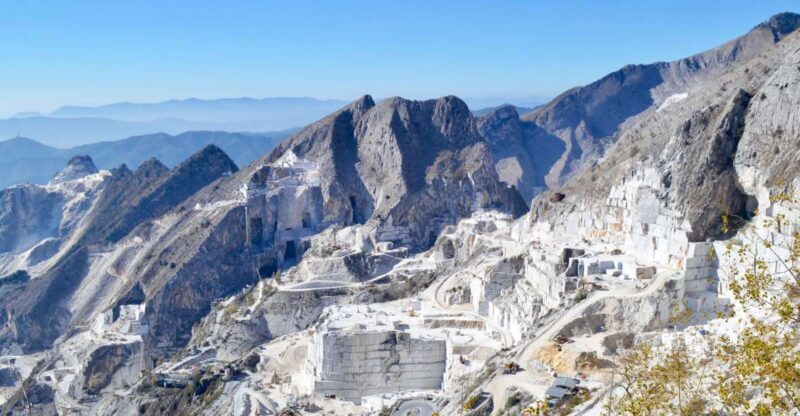
Carrara marble has been quarried for more than 2,000 years, and this trip makes that history tangible. The stone from these mountains went into ancient monuments such as the Pantheon and Trajan’s Column, as well as Renaissance sculpture. In the quarries, the scale of the work gives that familiar history a more physical meaning.
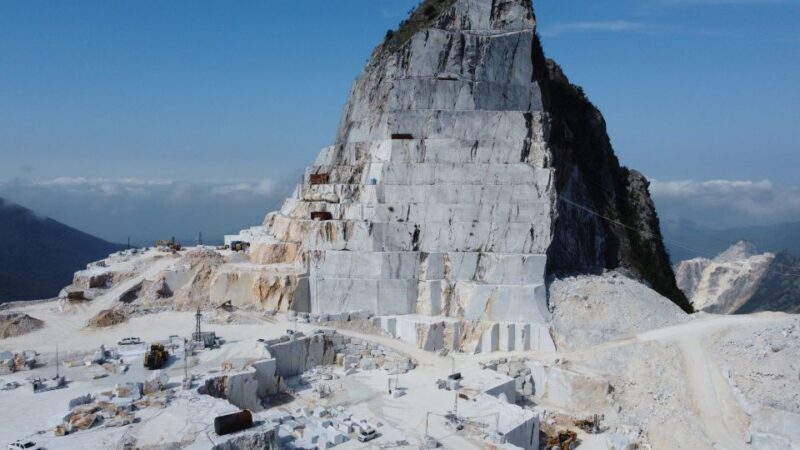
You travel by jeep through a working mountain area, not a museum display. The bright cuts in the slopes, the terraces, the machinery and the access roads all show how much effort it takes to remove stone from the mountain. Your guide explains old and modern methods, helping you connect the raw blocks you see with the finished marble used across Italy.
The tour also takes you into an underground quarry. That change of setting is a major part of the experience: outside, the quarries open across the slopes; inside, the mountain closes around the route and the working site. The exact stops can depend on conditions at the quarries, but the tour is designed to show both open-air and underground extraction.
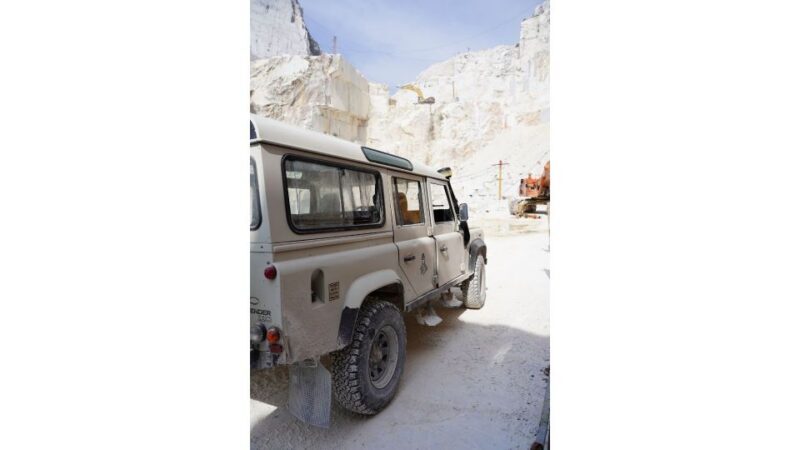
The tour lasts about two and a half hours and starts at Stadio dei Marmi, at 4 Olimpionici Azzurri. From there, you set off in a jeep or SUV toward the Colonnata Valley and the marble sites above it.
The time in the vehicle is not simply a transfer between attractions. The climb is part of the experience. You follow narrow, winding roads up toward quarries as high as 1,000 meters above sea level, with the guide explaining the mountain and the work happening around you. The route’s steep inclines and hairpin turns are one reason a 4×4 is needed.
That drive is also the tour’s main physical drawback. The roads can be rough, and one stretch may feel bumpy even if you are comfortable in a car. If you have back trouble, are pregnant or use a wheelchair, this is not the right excursion. For everyone else, expect a ride that is more adventurous than a smooth coach tour.
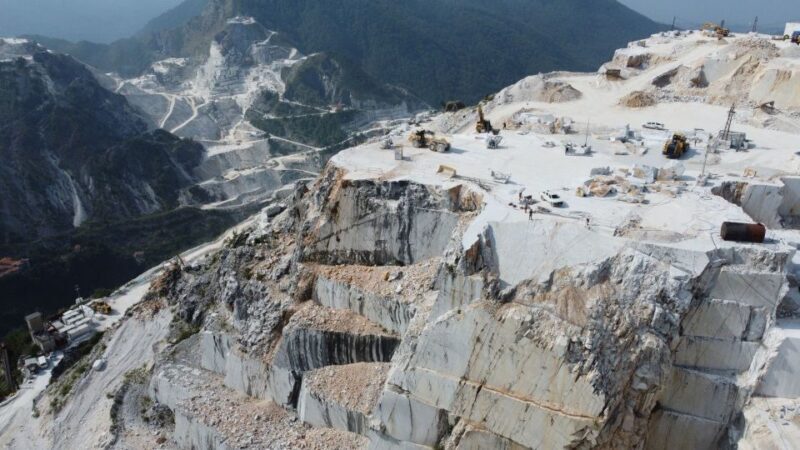
A photo stop in Miseglia Valley gives you a view of a terraced quarry before the tour heads to an underground site. The stepped faces show how quarrying has reshaped the mountain over time. They also make a striking frame for photographs, especially when the white marble contrasts with the darker rock around it.
The guide helps turn that view into something more than a scenic pause. You learn what the terraces reveal about extraction and how workers and machinery reach the stone. Keep your camera ready, but take time to look beyond the viewfinder: the scale is easier to grasp when you compare the quarry walls with the vehicles and equipment around them.
The trip is not a long hike through the mountains. You visit by 4×4 and get out at selected points, so the focus is on the sites and the guide’s explanations rather than walking a trail. The stops are brief enough that you should be prepared to get back into the vehicle and continue along the mountain roads.

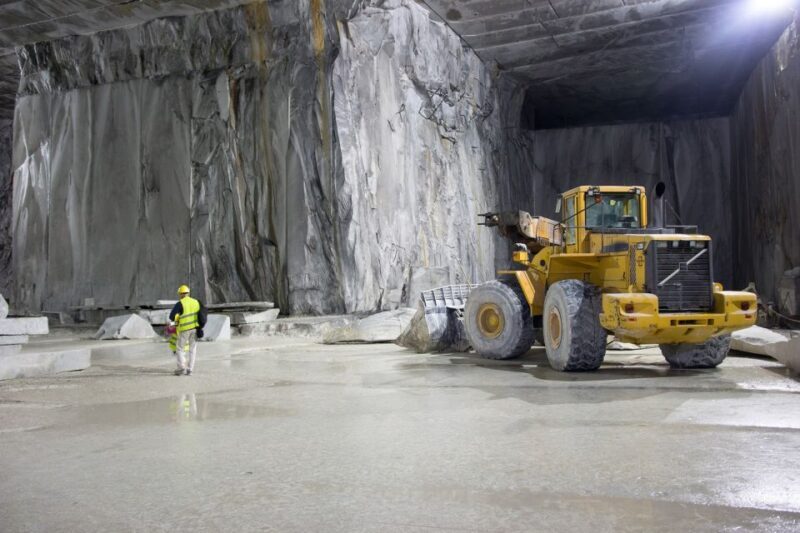
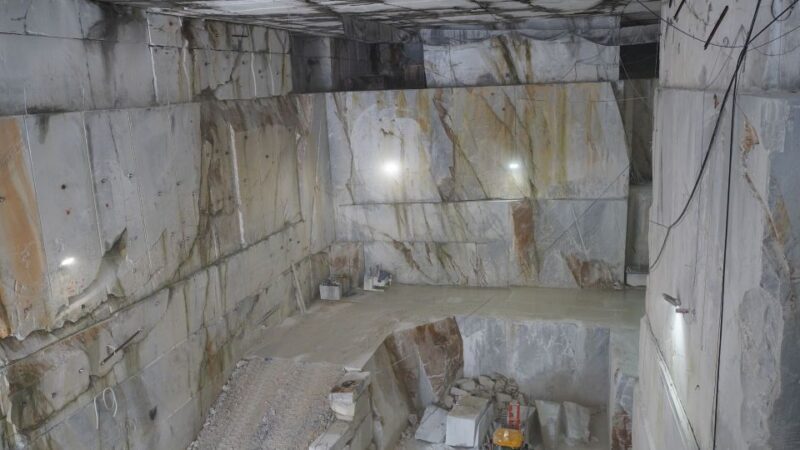
The underground quarry is one of the most unusual parts of the trip. Rather than seeing only the broad cuts on the slopes, you enter a space excavated inside the marble mountain and get a closer look at the working environment. Some tours pass through a tunnel more than a kilometer long, giving you a sense of how extensive the underground route can be.
Here, the guide’s explanation matters. The stone’s clean white appearance can make the quarries seem almost sculptural, but they are active places of labor and extraction. You hear how marble is cut and removed, and see machinery and work areas that help explain the process behind the finished blocks.
This stop is also where the tour feels most like a behind-the-scenes visit. You are not simply looking at marble in a showroom; you are seeing the place it comes from. The scale and machinery give you a better sense of why the material has mattered for centuries, and why quarrying still shapes daily life in the area.
The underground visit can be dark and enclosed compared with the open quarry stops. If you prefer open spaces, that is worth knowing before you book. The tour’s appeal rests partly on this contrast, though: you see both the exposed mountain and the interior workings.
More Great Tours Nearby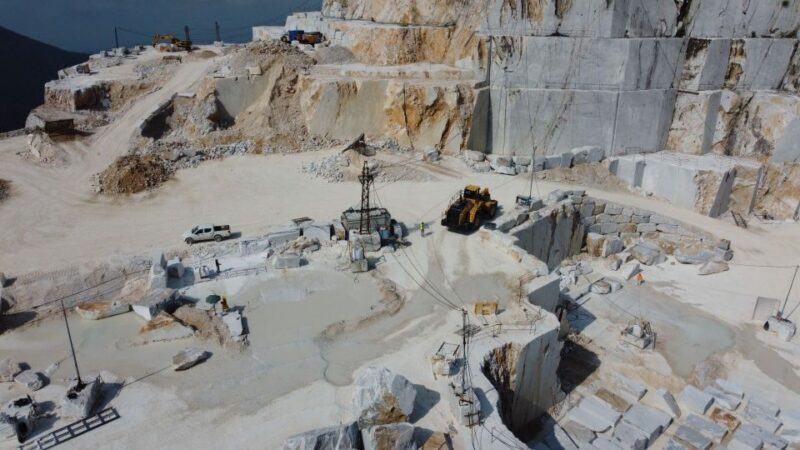
On the way back, the tour stops in Colonnata for a tasting of Lardo di Colonnata IGP. This local cured pork fat is aged in marble basins, a connection between the region’s food and its stone that feels especially apt after visiting the quarries.
The tasting is short, about 10 minutes, and is included in the tour price. It is a sample rather than a full meal, so bring water and plan your other meals accordingly. The food stop adds a useful human detail to an outing centered on industry: Carrara marble is not only a material shipped elsewhere, but part of the local identity and daily culture.
If you have never tried lardo, expect a distinctive cured product rather than a conventional slice of ham. The chance to taste it in Colonnata gives the stop a clear sense of place. The tour then returns by jeep to the original meeting point.
A local expert guide leads the tour in English or Italian. The guide’s role is central, because quarry work and the area’s history are easier to understand with someone explaining what you are looking at. Past tours have been led by Luca or Lucca, Marco and Tommaso. Their strengths include clear explanations, patience with questions and careful driving on difficult roads.
The guide may also need to coordinate with other drivers. One tour, for example, had a driver who spoke no English while the lead guide explained the stops to the group. If that happens, the central explanations still help you follow the visit, but you may not have a detailed conversation with every person behind the wheel.
This is an active quarry area, so weather does not automatically cancel the outing. Tours operate in bad weather when conditions are safe. That means you should dress for the forecast and bring water, as none is included. The guide will judge whether the roads and sites are safe enough to visit.
At $81 per person, this is not a bargain-priced transfer or a simple viewpoint visit. You are paying for a 4×4 trip through difficult quarry roads, a local guide, access to several quarry settings, an underground visit and the lardo tasting. The combination makes the price easier to justify than any one element on its own.
The value is strongest if you want context as well as scenery. A drive through the mountains might give you memorable views, but the explanations about extraction and marble’s long use make the quarries more meaningful. The underground stop also offers something you would not get from simply looking at the mountains from town.
If you only want a gentle scenic outing, this may be more demanding than you need. And if you have limited time in Carrara, consider whether you are curious about marble production itself, rather than only the region’s towns and food. For anyone drawn to the material, its history or industrial sites, the tour packs a lot into a half-day.
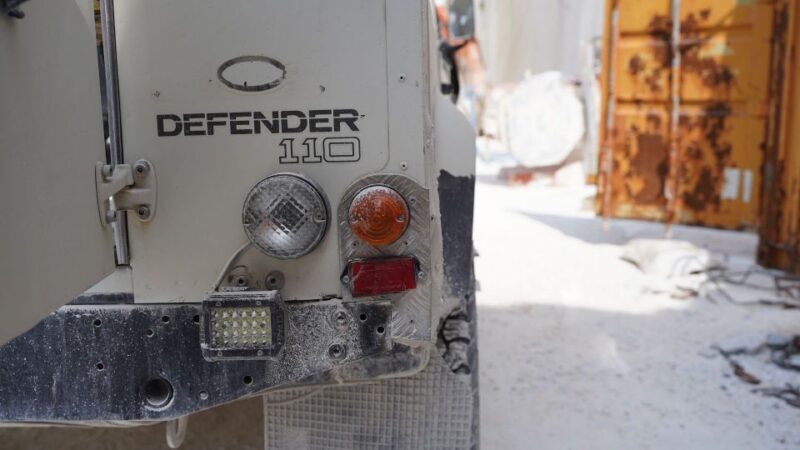
Meet near the marble obelisk in front of the stadium and the bus stop. Look for a Defender with an orange sign. Carrara Avenza train station is about 10 minutes away, and local buses L51, L52, L53, L54 and L70 run in the direction of Carrara Ospedale. If you arrive by car, the guide can help you park.
The tour includes the jeep ride, a local guide and the Lardo di Colonnata IGP tasting. Water is not included, so bring your own. English and Italian are the listed tour languages.
Allow for the full 2.5 hours, even though the route includes only short tasting and photo stops. Most of the experience unfolds between them, as you climb through the valley and hear about the quarries. The tour runs in poor weather when it is safe to do so, so a light rain layer may be useful depending on the forecast.
Book it if you want to see where Carrara marble comes from and are comfortable with a steep, winding jeep ride. It suits curious visitors who enjoy industrial history, unusual working sites and mountain views, and it works particularly well if you want a local food taste as part of the outing.
Think twice if you need a smooth ride, have back problems, are pregnant or use a wheelchair. The tour specifically excludes those groups, and the steep, uneven roads are not a minor detail. If that is not a concern, the mix of quarry terraces, underground workings and Colonnata lardo makes this a memorable way to spend a morning or afternoon near Carrara.
“This tour was unforgettable – the quarrys are some of the most awe unspiring sights I've ever seen and were the highlight of a 10 day cruise around…”
The tour lasts about 2.5 hours, including the jeep ride, quarry visits and lardo tasting.
Meet near the marble obelisk in front of Stadio dei Marmi at 4 Olimpionici Azzurri, beside the bus stop. Look for a Defender with an orange sign.
The live guide is listed in English and Italian.
Yes. A tasting of Lardo di Colonnata IGP is included in the tour.
No. Bring your own water.
No. The tour is not suitable for people with back problems, wheelchair users or pregnant women.
Tours operate in bad weather when conditions are safe.
You can check availability for your dates here: