Physical Address
304 North Cardinal St.
Dorchester Center, MA 02124
Physical Address
304 North Cardinal St.
Dorchester Center, MA 02124

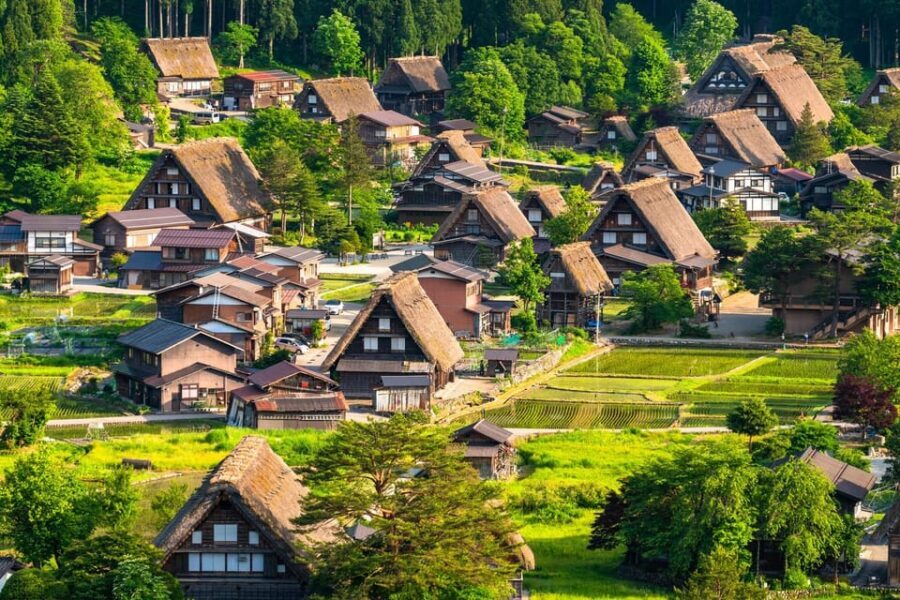
Travel from Kanazawa to Takayama with an 80-minute Shirakawa-go stop, comfortable coach seating, and room for your luggage.
Shirakawa-go is the reason to choose this bus over a straight transfer. You get about 80 minutes to walk through its thatched-roof village and, if you keep an eye on the clock, reach the viewpoint for the classic view across the settlement.
I like two things in particular: the stop turns an ordinary travel day into a visit to a UNESCO World Heritage site, and you can leave your luggage on the vehicle while you explore. The bus is air-conditioned and includes free Wi-Fi, though amenities can vary with the vehicle.
The trade-off is time. An hour and 20 minutes is enough for a brisk village visit, but not a slow wander, a long meal, and every attraction. This is transportation, not a guided tour, so you’ll need to manage your own stop.
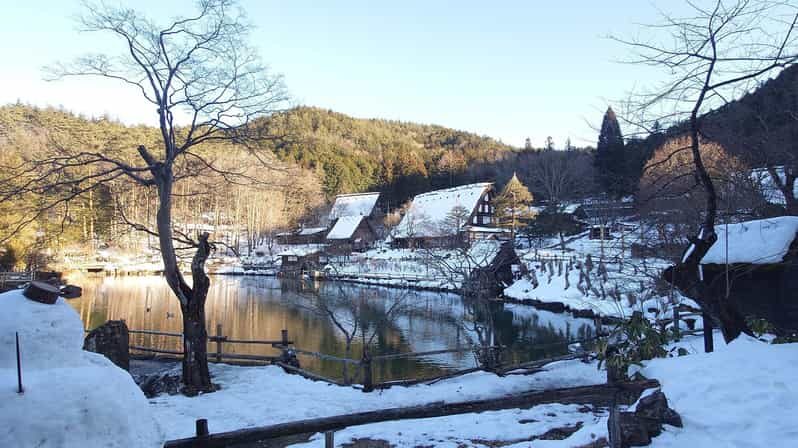
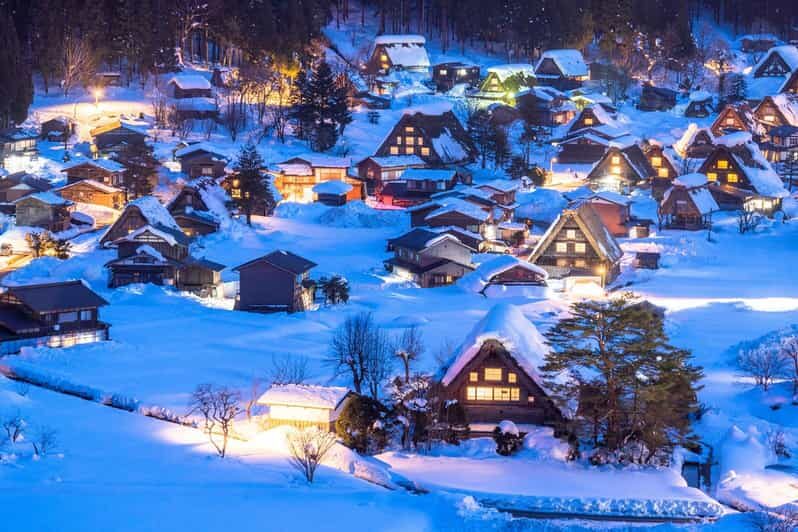
The route makes practical sense. Instead of using a day to travel between Kanazawa and Takayama and then scheduling another trip to Shirakawa-go, you make the village a stop along the way. For an itinerary that includes all three places, that can save both time and planning.
The stated schedule is departure from Kanazawa at 13:50, a stop in Shirakawa-go, and arrival in Takayama at about 17:40. The total duration is listed as four hours. Traffic, weather, and the timing of the day can affect the schedule, so treat the arrival time as an estimate rather than a promise.
That afternoon departure also shapes what you can do. You’ll need to arrange your Kanazawa morning on your own and be at the station before the bus leaves. In return, you reach Takayama in time to settle in and plan the next day, though this is not a morning sightseeing tour of either city.
I see the value in making transport do double duty. A direct ride would get you to Takayama, but it would not give you this planned pause in one of Japan’s best-known mountain villages. Here, the stop is the main event between cities, not an extra excursion you have to organize separately.
Looking for more options in Kanazawa? Here are some other experiences worth considering.
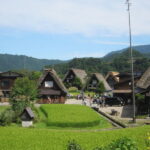
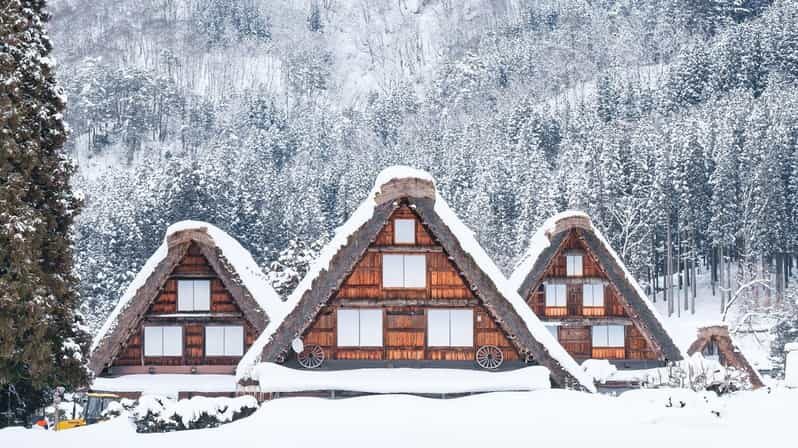
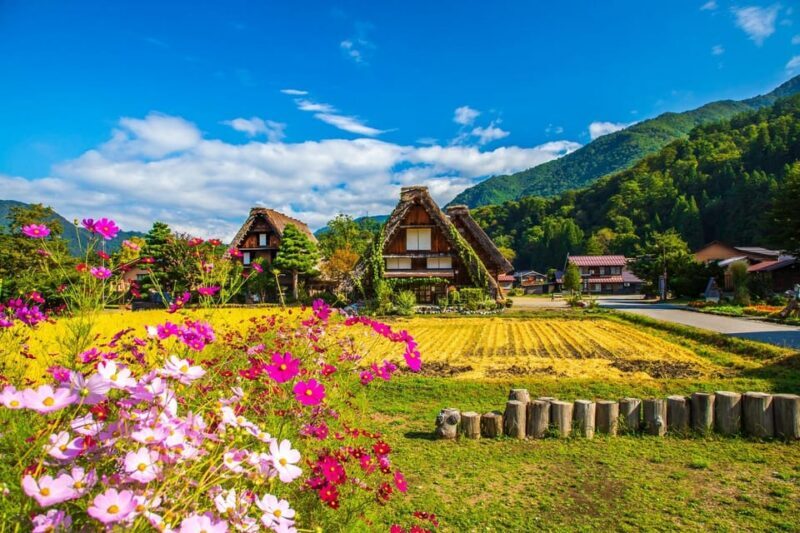
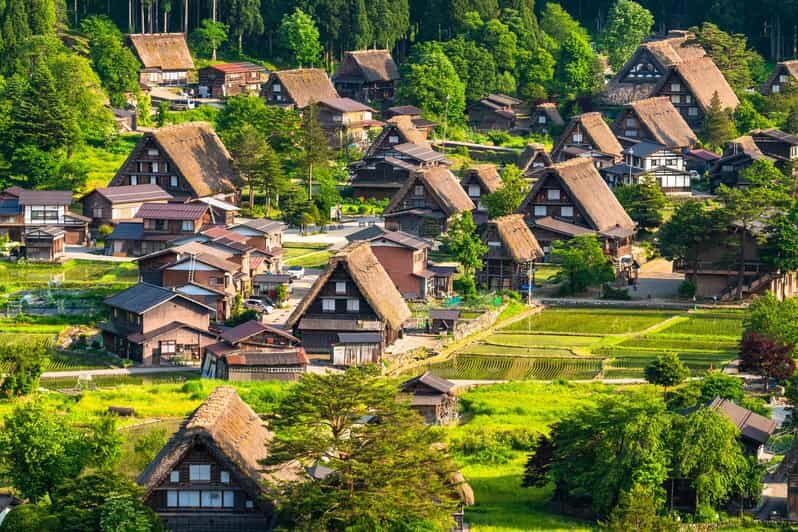
Shirakawa-go is known for its traditional thatched-roof farmhouses, some of which have been preserved as part of the village’s UNESCO World Heritage status. The steep roofs are distinctive and practical: they form a defining part of the settlement’s architecture and give the village a different character in each season.
You have roughly 80 minutes to explore independently. That’s enough to walk the village streets, take photographs, browse local shops, and get a sense of the place. It is a short visit, though, so decide early whether the viewpoint matters more to you than lingering over food or browsing.
The well-known viewpoint gives you a view over the village and its surrounding valley. Some visitors take the shuttle bus up for 300 yen and walk back down, but that option takes time from your stop. If you want to use the shuttle, check the timing once you arrive and make sure you can be back at the bus on time. Walking up and down also takes a meaningful part of a brief visit.
If you’d rather keep things simple, stay in the village. You can get a closer look at the houses and enjoy the walk without spending time on the climb or shuttle. Families, people who prefer a relaxed pace, and anyone making a stop for coffee may find that a better use of the hour.
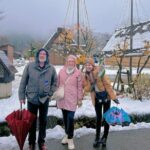
The village changes with the season. Winter can bring snow-covered roofs; autumn brings fall colors; summer is greener, and spring may offer cherry blossoms. The exact view is beyond anyone’s control, of course. Rain can soften the scenery and make the walk less pleasant, so comfortable shoes and weather-appropriate clothes are sensible choices.
This is a transportation service, not a guided coach tour. The driver handles the route and communicates practical information, but you should not expect a running commentary about the scenery or Shirakawa-go’s history. If you want context before or during the stop, plan to read up on the village yourself.
The bus is described as air-conditioned and includes free Wi-Fi. The vehicle may be a bus, taxi, or van depending on how many people are booked, and Wi-Fi or USB charging ports can vary with the vehicle. In other words, the main promise is the transfer, not a particular vehicle model or a fixed set of onboard extras.
Comfort and luggage handling are among the strongest practical points. The vehicle has luggage storage, and you can leave your bags on board while walking around Shirakawa-go. That matters: with only about 80 minutes, you don’t want to spend the stop finding somewhere to leave a suitcase or hauling it along the village streets.
The route offers mountain scenery along the way, though the view depends on weather and visibility. Bring water and a snack if you might want something between Kanazawa and Takayama. Meals and drinks are not included, and the stop is short enough that a sit-down meal could take up much of your time in Shirakawa-go.
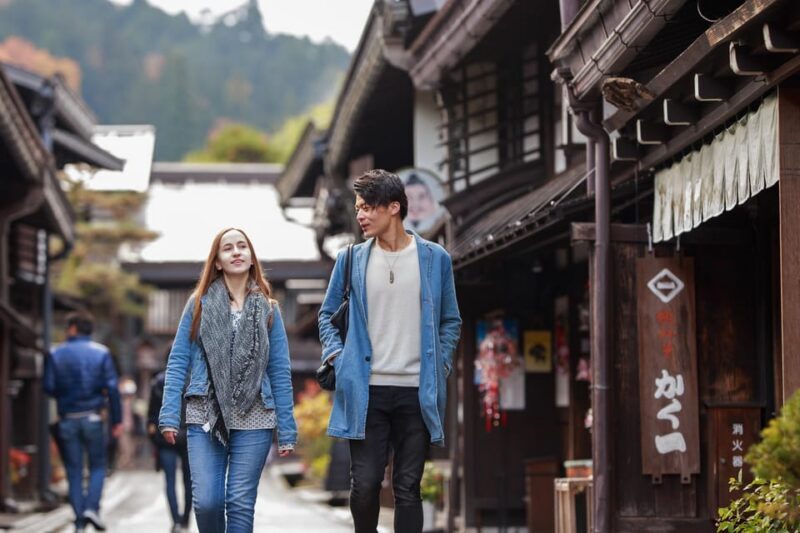
For a quick introduction, yes. You can walk through the village, take in the houses, stop for photographs, and possibly make it to the viewpoint. Several visitors with different travel styles found the time sufficient for a focused visit, including one family traveling with a toddler. But a brisk stop and a leisurely one are not the same thing.
The viewpoint is the main decision point. If you want the sweeping view, head there first or work out your route as soon as you arrive. If the shuttle or walk takes longer than expected, you’ll have less time to explore the village itself. If you’d rather enjoy a slower pace, skip the viewpoint and stay on the main walking route.
One visitor felt that two hours would be better, while others found the shorter stop just right. Both reactions make sense. The schedule is designed to give you a useful taste of Shirakawa-go while still getting you to Takayama that afternoon. It is not designed for a full day of house visits, shopping, and long meals.
If Shirakawa-go is the main purpose of your trip, consider giving it more time elsewhere in your itinerary. If you want a well-chosen introduction while moving between cities, this stop is a strong compromise.
More Great Tours Nearby
At $70 per person, the fare is easiest to judge against the cost and effort of arranging the same trip yourself. You are paying for transportation from Kanazawa to Takayama, luggage storage and transport, and a planned stop in Shirakawa-go. The stop also saves you from treating the village as a separate excursion on another day.
The value depends on your route. If you already need to travel between Kanazawa and Takayama, combining the journey with a village visit is efficient. If you only want to see Shirakawa-go and return to Kanazawa, this one-way transfer does not serve that plan as neatly. It ends in Takayama, where you’ll need to arrange your own accommodation or onward travel.
The fare does not include a guide, meals, drinks, hotel pickup, or drop-off. You’ll need to get to the departure point yourself, and you’ll be in charge of exploring the village. If you value independence and are comfortable making your own way around, those limits may be no problem. If you want someone to explain the village or lead you from one sight to the next, this is not that kind of experience.
There is also a useful flexibility feature: you can reserve now and pay later, and cancellation is available up to 24 hours in advance for a full refund. Check the booking details for the terms that apply to your date.
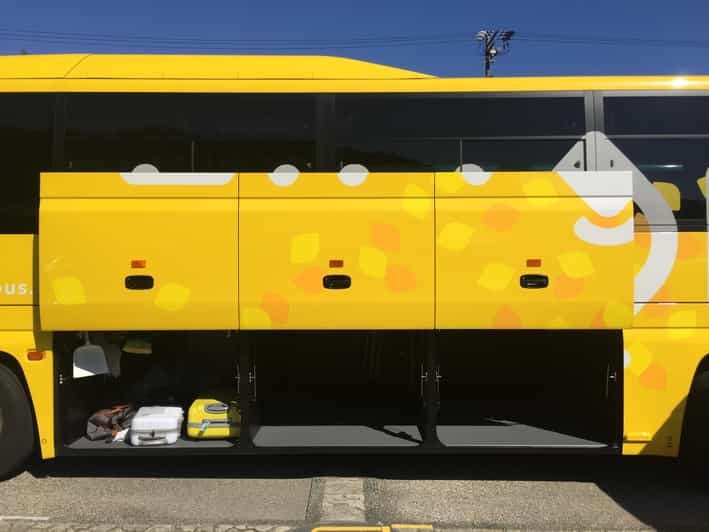
Arrive at the station 10 minutes before the 13:50 departure. The meeting point is described as straightforward to locate, but leave yourself enough time to find it, confirm the bus, and load your bags without rushing. The vehicle can vary with passenger numbers, so look for the provider’s directions rather than relying on a particular bus appearance.
Pack light for the walk, even if you bring a larger suitcase on the bus. Wear comfortable shoes, since village streets and the route to the viewpoint involve walking. A camera, water, snacks, and comfortable clothes are listed as useful things to bring. Smoking is not allowed in the vehicle.
At Shirakawa-go, keep your return time in mind from the start. Your luggage can remain on board, but you still need to be back in time to continue the trip. With a toddler or anyone who walks slowly, choose a simple route and avoid packing too much into the stop.
Once you reach Takayama, you can turn to the town’s own sights. Sanmachi Suji, the old-town district, is known for Edo-period houses, sake breweries, and merchant shops. Takayama Jinya is an Edo-period government building, and Hida Folk Village is an open-air museum with traditional farmhouses and regional objects. The local Hida beef is another reason to make time for a meal.
The Takayama festivals may also be worth considering when planning your wider trip: Sanno Matsuri takes place in spring and Hachiman Matsuri in autumn. The bus itself does not include festival activities or a guided visit in Takayama, so check dates and plan those independently.
I’d recommend it to you if you are already traveling from Kanazawa to Takayama and want to see Shirakawa-go without carrying your bags around or organizing a separate day trip. It’s a particularly good fit for independent visitors who like to choose their own walking route and don’t need a guide.
It also suits a travel day when efficiency matters. Instead of treating the transfer as lost time, you get a set period in a memorable village and then continue to Takayama. The comfortable ride, luggage storage, and generally predictable schedule are useful parts of that arrangement.
Think twice if you want a slow visit, plan to spend a long time at the viewpoint, or rely on guided commentary. The stop is limited, and the experience is self-directed. The bus’s amenities can vary too, so don’t book expecting a particular vehicle type, onboard restroom, or charging setup.
For the right route and expectations, this is a simple way to connect three worthwhile stops. The key is to see the 80 minutes as a focused visit, not a complete exploration of Shirakawa-go.
“Just what I was looking for to visit Shirakawago. The stopover time is just right to go to the vantage point and explore the village.”
The trip is listed as four hours. The planned departure is 13:50, with arrival in Takayama at about 17:40. Traffic and other conditions may change the timing.
The stop is roughly 80 minutes. It is also described as about 1.5 hours, so plan for a short visit rather than a long stay.
No. It is a transportation service with free time to explore Shirakawa-go independently. A guide is not included.
Yes. Luggage storage and transport are included, and you can leave your bags on the vehicle while you visit the village.
The fare includes transportation, an air-conditioned vehicle, free Wi-Fi, luggage storage and transport, and scenic views along the route. Wi-Fi and other amenities can vary with the vehicle.
No. Meals and drinks are not included. You can bring snacks and water.
Arrive 10 minutes before the scheduled departure time. The listed departure from Kanazawa is 13:50.
Children aged 0 to 2 travel free without their own seat and must sit on an adult’s lap.
You can check availability for your dates here: