Physical Address
304 North Cardinal St.
Dorchester Center, MA 02124
Physical Address
304 North Cardinal St.
Dorchester Center, MA 02124

Explore Vienna’s Natural History Museum, from the Venus of Willendorf and meteorites to Ringstrasse architecture, with a one-day admission ticket.
The 29,500-year-old Venus of Willendorf is the headline, but it is only one part of a museum that spans human origins, minerals, meteorites, fossils and animal life. With 39 halls spread across two floors, this is a place to follow your curiosity rather than rush from one famous object to the next.
I like the contrast between intimate treasures, such as the Venus and Maria Theresa’s gemstone bouquet, and the grand Ringstrasse building that holds them. I also like that the collections range well beyond dinosaurs, giving you a fuller picture of Earth and life.
One consideration: the dinosaur displays are limited, so this is not the best choice if you want a museum built mainly around giant prehistoric animals. Allow room for the breadth of the collection, and the one-day ticket gives you time to explore it at your own pace.
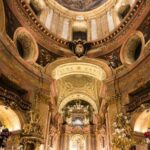
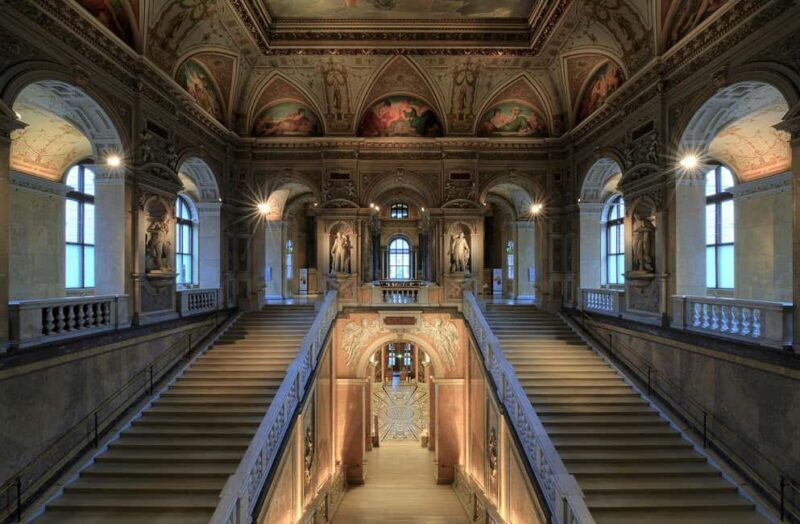
The Natural History Museum is part of the grand architectural story of Vienna’s Ringstrasse. Designed by Gottfried Semper and Carl von Hasenauer, it opened in 1889 as a palace devoted to natural science and evolution. Even before you reach the collections, the setting signals that this is no small local display.
I would take a moment to appreciate the exterior and the scale of the building before heading inside. The architecture is part of the experience, not just a handsome wrapper for the exhibits. For anyone who enjoys historic buildings, the museum offers two kinds of looking: the crafted stone and ornament outside, then the natural forms and human-made objects within.
Admission covers the museum itself, and the ticket is valid for one day. There is no guide included, so you can set your own pace and spend longer in the rooms that hold your interest. That freedom suits a collection this broad, though it also means you will need to choose what matters most if you have limited time.
You can check availability for your dates here:
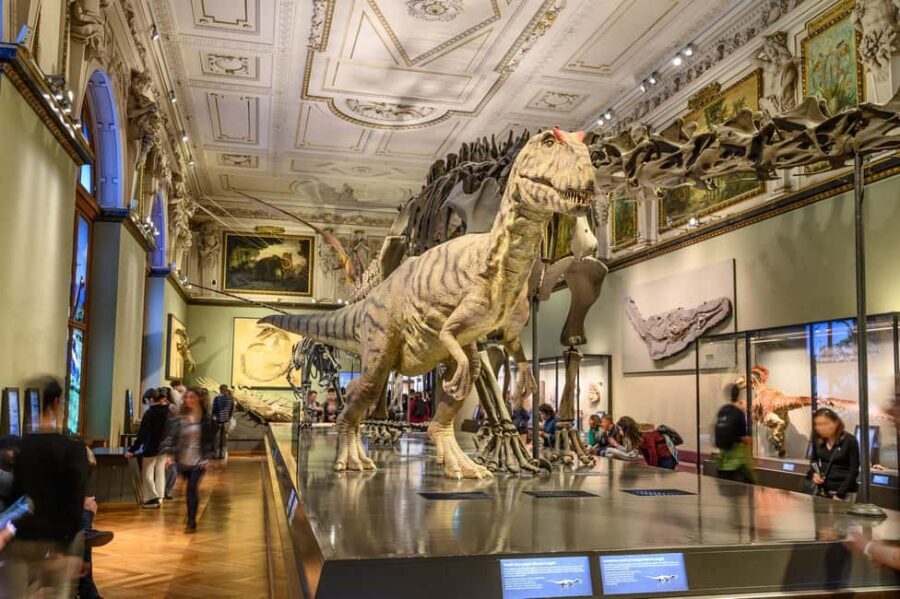
The lower floor gathers several of the museum’s most varied collections. You will find gemstones and minerals, rare fossils, giant dinosaurs, meteorites, exhibits on human origins and changing special exhibitions. The range is useful because it puts the museum’s scale into perspective: this is not simply a dinosaur hall with a few side rooms.
The meteorite collection is described as the largest and oldest in the world. Even if space objects are not normally your first stop, this is a chance to see material from beyond Earth alongside fossils and minerals formed here. The displays help connect very different kinds of evidence to the long story of the planet.
Gemstones offer a more concentrated kind of pleasure. One standout is the gemstone bouquet, given by Maria Theresa to her husband, Emperor Franz I Stephan of Lorraine. Its appeal is both scientific and decorative: the materials are geological specimens, but their arrangement also reflects the taste and wealth of an imperial court.
The dinosaur displays are part of the lower-floor mix, but they may not fill the day for anyone expecting a dinosaur-focused museum. A booking comment described the dinosaur rooms as few, which is a useful check on expectations. If you are visiting with a child whose main goal is dinosaurs, plan to balance that interest with the fossils, minerals and other collections rather than counting on rows of dinosaur halls.
You might also be interested in these Vienna experiences
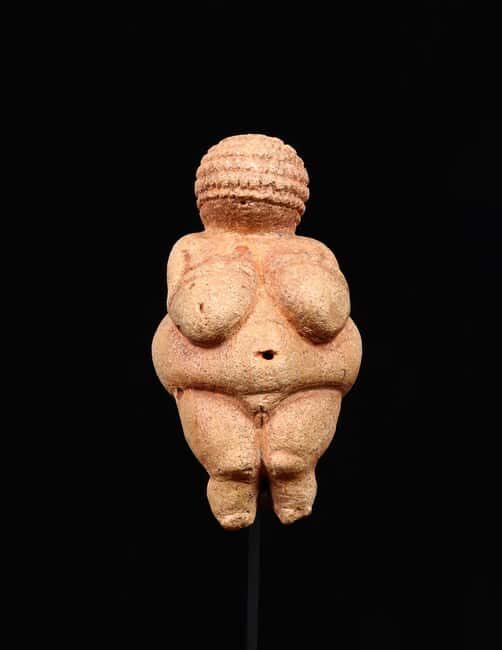
The Venus Cabinet gives the museum one of its most important encounters with early human art. The Venus of Willendorf is about 29,500 years old, while the Venus of Galgenberg is about 36,000 years old and is identified as the oldest known human figure made of stone. These small objects carry more weight than their size suggests: they bring you close to people who lived tens of thousands of years ago.
I would avoid treating this as a quick photo stop. Look carefully at the objects and take in the fact that they have survived across such an immense span of time. The museum’s wider displays on human origins and development add context, but these figures remain a natural focal point.
The cabinet also makes a good reminder that the museum is not only about animals and rocks. Its collections connect natural history to archaeology and anthropology, showing how humans fit into the story of life on Earth. If your interests lean toward early people and ancient objects, this room may be the most memorable part of your visit.

The Gold Cabinet displays prehistoric gold and silver treasures, including what the museum describes as the second-oldest gold find in the world. That distinction gives the room a particular draw, but the pieces are worth seeing as more than a record-breaking fact. They show how people worked valuable materials long before modern tools and techniques.
Another room is devoted to finds from Hallstatt, a site shaped by around 7,000 years of uninterrupted salt mining. Mining and burial remains have left a wealth of archaeological traces, making this a strong stop for anyone curious about how people lived and worked in the distant past. The exhibits give the museum’s natural materials a human setting: salt is a resource, but also the thread linking generations of people to one place.
Together, the Gold Cabinet and Hallstatt room help balance the museum’s grander natural displays. They shift your attention from the age of rocks and the variety of animals to human skill, trade and daily life. If you are choosing where to spend time, do not skip these rooms simply because the Venus is the best-known attraction.
The upper floor follows the diversity of animal life, from simple marine organisms to highly developed mammals. Mounted specimens include amphibians, reptiles, mammals and birds, with rare and extinct species among them. The historic nature of many specimens is part of their interest: they are not just illustrations of animal types, but objects collected and preserved across earlier periods of scientific study.
This floor offers a different rhythm from the lower level. Instead of focusing on individual prehistoric objects or minerals, you move through a broad range of life forms. You might find that certain specimens hold your attention more than others, so give yourself permission to browse rather than feeling obliged to inspect every display equally.
The upper floor also helps explain why the museum’s collections are so extensive. Natural history takes in far more than fossils and dinosaurs; it includes the variety of living forms, their relationships and the long record of life. If you are visiting with someone who prefers animals to archaeological objects, this floor provides a substantial part of the day.
More Great Tours NearbyThe public galleries are only one side of the institution. About 60 scientists work behind the scenes in human, earth and life sciences, including research into environmental and climate questions. Their work is not generally on view, but the museum incorporates new knowledge into how it presents its collections.
That connection matters when you move through rooms that may otherwise feel like a long parade of specimens. The objects are not simply old things arranged for display. They belong to ongoing fields of study, and the museum’s research work helps keep the public collections connected to current questions about people, the Earth and other forms of life.
You do not need a science background to appreciate the exhibits. The museum’s range gives you several ways in: an ancient figure, an unusual mineral, a meteorite or an extinct animal can each become a starting point. The best approach is to follow what catches your eye, then use the surrounding displays to build a wider picture.
History buffs will find these Vienna heritage tours enlightening
A guided tour to the rooftop is one of the museum’s special experiences, offering views across Vienna’s city center and the buildings along the Ringstrasse. It is separate from the standard admission described here, so do not assume the rooftop visit is included with your ticket. If the view appeals to you, check whether a rooftop tour is available during your visit.
The rooftop can add a welcome architectural counterpoint to a day spent inside galleries. From above, you can see the museum in its urban setting and appreciate the scale of the Ringstrasse buildings. But the regular ticket still makes sense if you are mainly there for the collections; the rooftop is an extra, not the main reason to go.
At $21 per person, the ticket buys access to a museum with 39 halls, two floors and more than 30 million objects in its holdings. You will not see the entire collection in one day, of course, but the admission gives you a full day to explore the exhibits on display without needing to rush through a short guided itinerary.
The value depends on your interests. If you enjoy natural science, archaeology, anthropology, historic architecture or simply seeing unusual objects, there is enough variety to make the ticket worthwhile. If your only goal is dinosaurs, the limited dinosaur section may make this a weaker match than you expect.
The museum is rated 4.8 out of 5 from 426 ratings, a strong overall signal, though your satisfaction will still depend on what you want from the visit. The ticket is wheelchair accessible, and you can cancel up to 24 hours in advance for a full refund. Reserve-now, pay-later is also offered, which can help keep plans flexible.
I would recommend this ticket to anyone who wants a substantial museum visit rather than a quick stop for one famous object. The Venus of Willendorf is a compelling reason to come, but the minerals, meteorites, Hallstatt finds and animal specimens give you plenty of other ways to spend the day. It is also a good choice if you appreciate historic architecture and want to see one of the Ringstrasse’s major buildings from both outside and in.
Families can find material to interest different age groups, though expectations matter. Children focused on dinosaurs may be disappointed by the relatively small number of dinosaur rooms, while children interested in animals, fossils, gemstones or meteorites may find more to explore. Wheelchair accessibility makes the museum an option for visitors who need an accessible venue, according to the activity details.
Book it if you want a broad, self-paced look at natural history in a memorable historic setting. Skip it, or choose another attraction, if you are after a dinosaur-heavy experience or prefer a guided tour included with admission. At $21 for a day among 39 halls, this is strong value for a curious museum-goer who is happy to follow more than one trail.
It includes admission to the Museum of Natural History in Vienna. A guide is not listed as included.
The ticket is valid for one day.
The listed price is $21 per person.
Yes. The activity is listed as wheelchair accessible.
Yes. You can cancel up to 24 hours in advance for a full refund.
The rooftop is visited as part of a guided tour, but the admission ticket details do not say that the rooftop tour is included.
You can check availability for your dates here: