Physical Address
304 North Cardinal St.
Dorchester Center, MA 02124
Physical Address
304 North Cardinal St.
Dorchester Center, MA 02124

Taste Maipo Valley wines at a family farm and historic estates, with pisco, local snacks, lunch time, and Santiago hotel pickup.
The Maipo Valley tour pairs wine tasting with a look at how Chilean wine is made, from a small farm with alpacas and chickens to the long-established Undurraga estate. I like the contrast between the stops, and the chance to try pisco and local snacks alongside the wines.
I also like the door-to-door transport: four stops in one day would be awkward to arrange on your own, and an air-conditioned vehicle keeps the route manageable. One point to know before booking: TerraMater is mainly the lunch stop, so this is better described as three substantial winery visits plus a restaurant break than four full tastings.
Maipo Valley is close enough to Santiago for a day trip, but far enough out to give you a welcome change from city streets. This tour sets out in the morning and strings together a short stop by the Maipo River with visits to wineries and a lunch break. The appeal is not just the number of glasses. You get a quick introduction to several ways Chilean wine is grown, made, and sold.
The day typically begins with pickup between 7:30 and 8:00 AM. Pickup is offered from central Santiago areas, including Downtown, Providencia, Las Condes, Vitacura, and Recoleta. If your accommodation is outside the regular pickup zone, the operator arranges a nearby meeting point. Confirm your address and pickup details when booking, since the listed pickup areas can vary.
A small group, limited to 15, makes it easier to hear the guide and meet other people, though the exact feel depends on the group and vehicle. Expect a long day, not a quick tasting outing: the drive, several guided visits, and time at lunch add up to around 10 hours. The tour includes a photo stop by the Maipo River, but the wineries are the main event.
For more Santiago Chile culinary adventures, you might enjoy these food and drink experiences
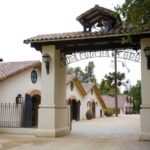
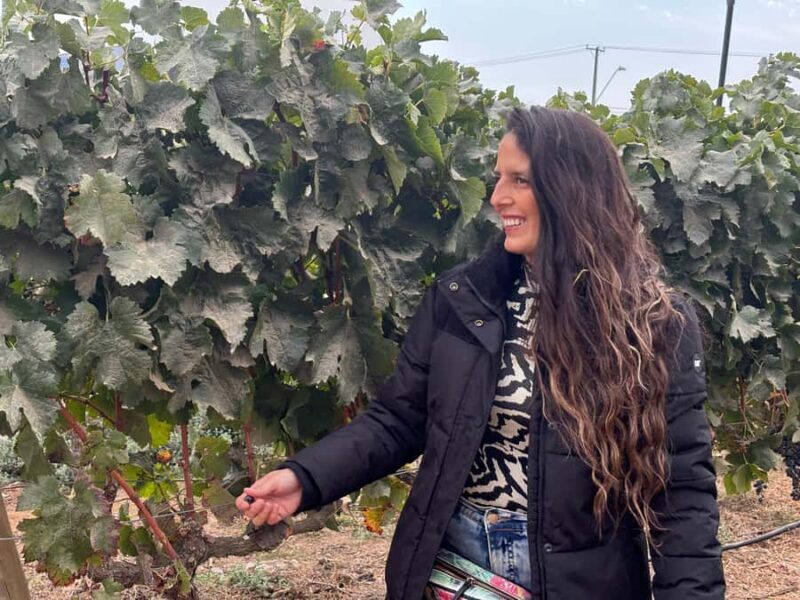
The first major stop is Campo La Quirinca, a family-run winery that offers a different start from a polished, large-scale estate. You tour its facilities and gardens and learn about the farm’s agricultural work, including animal husbandry. Alpacas and several breeds of chickens are among the details that make this stop more than a cellar visit.
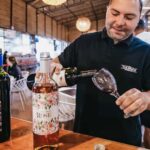
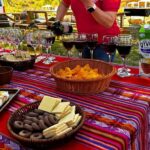
The tasting follows in the salon, with wine, Chilean pisco, cheese, and local snacks. The combination helps you understand the farm’s broader approach to producing and sharing local goods. You can also buy some products on site, a useful chance to bring home something more personal than a bottle from a large export brand.
Allow roughly 1.5 to 2 hours, depending on the day’s schedule. This is often the most distinctive stop because the farm setting gives the wine a clear local context. The trade-off is that it is an informal agricultural visit, not a grand estate tour, so go for the small-scale atmosphere rather than elaborate architecture.
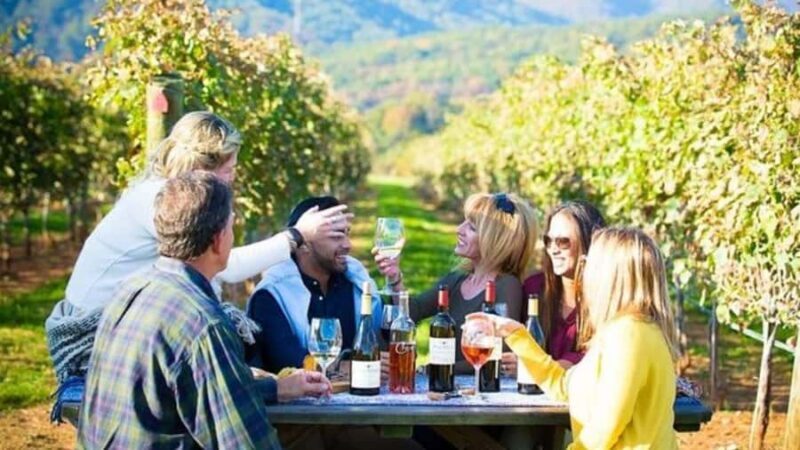
At Viña Santa Ema, the visit is shorter and more structured. You taste three premium wines, including one of the winery’s signature bottles, in a pleasant setting. The tour description allows about an hour, while the route breakdown gives 45 minutes, so treat this as a compact tasting rather than a lengthy estate walk.
This stop adds a useful middle ground between the family farm and the much larger final winery. You can compare the wines and get a feel for a producer with a more formal tasting setup. If you have a particular interest in wine styles, ask questions while the tasting is underway; the amount of time for a full tour is limited.
Around midday, the group stops at Viña TerraMater, home to the Zinfandel restaurant. This is the day’s main meal break, and lunch is not included in the $134 price. Bring money for your meal and any drinks or purchases. The restaurant is part of a winery, but this stop is not presented as one of the tour’s full guided tastings.
TerraMater is also known for its olive oil, which the tour information describes as highly awarded in Chile and internationally. You can buy it in the shop at cellar prices. That gives this pause a second purpose if you are interested in Chilean food products as well as wine.
The 1.5-hour stop is valuable for pacing. By this point, you have already tasted wine and pisco, and a proper meal gives you time to sit down before the afternoon visit. Do not count on the included tastings to substitute for lunch. Eat well, drink water, and take the chance to slow the pace.
More Great Tours Nearby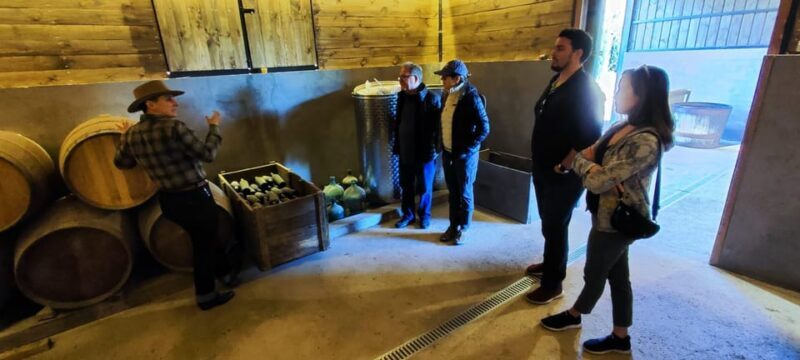
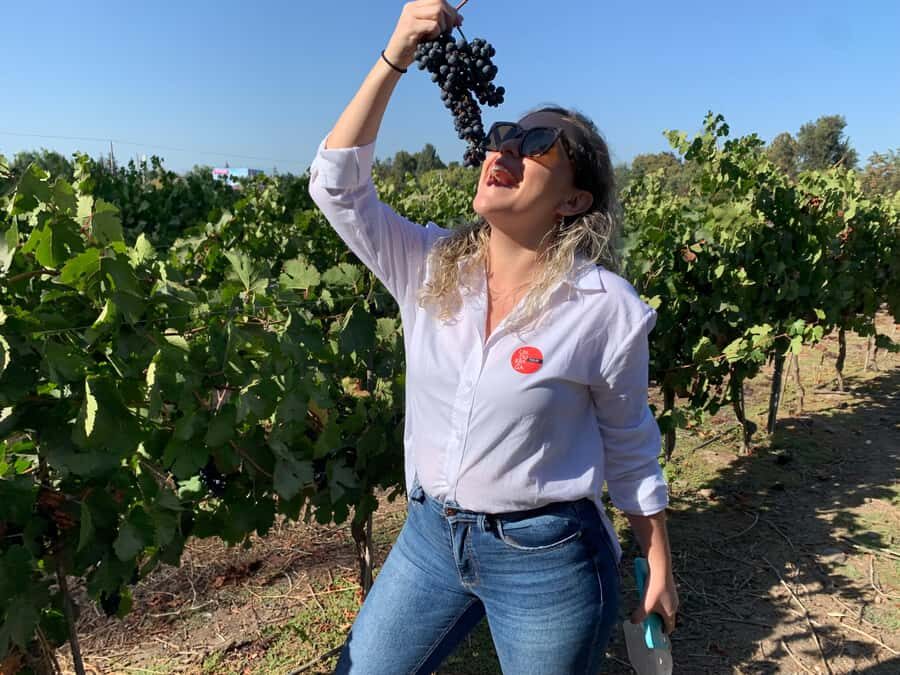
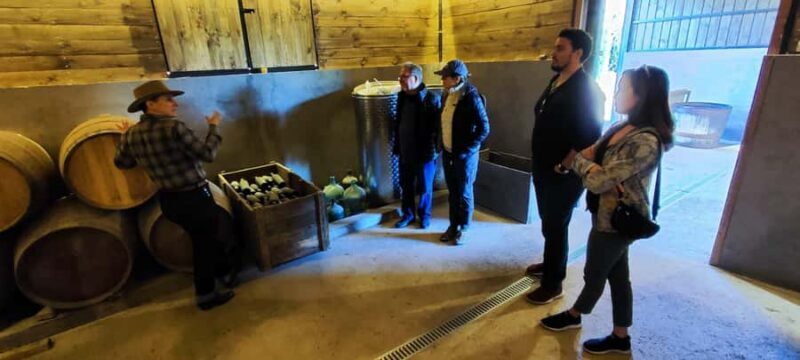
The final winery is Viña Undurraga, a producer with about 130 years of history. The visit covers the gardens, vineyards, production areas, barrel cellar, and a pre-Columbian exhibition. That range gives you a broader picture of Chilean wine, from grape growing through production and the country’s older cultural history.
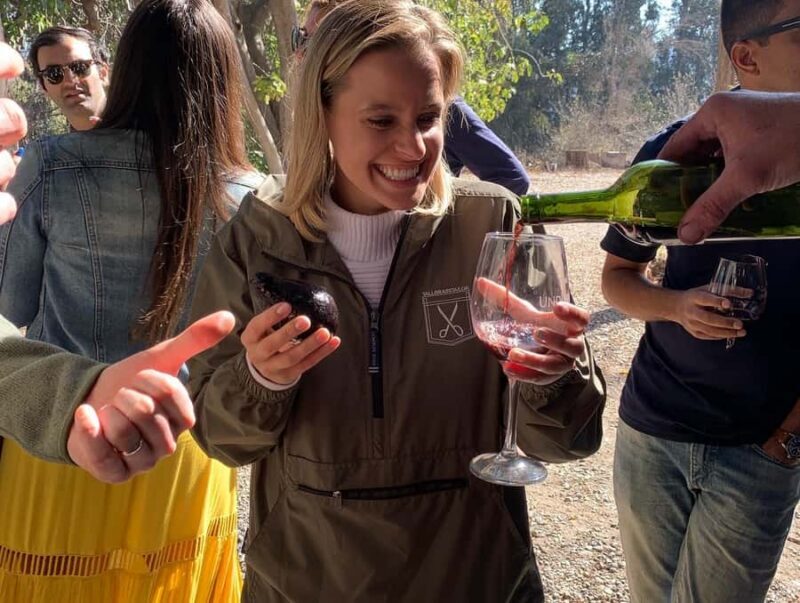
The tasting includes four premium wines, and you receive a wine glass as a gift. Allow around 1.5 hours. This is the largest and most established stop on the route, a useful contrast with Campo La Quirinca’s family-farm setting.
The scale can be a plus or a drawback. A large estate gives you more to see and a clear overview of production, but some visits can feel more commercial or rushed than the smaller stops. The quality of the local guide matters here: the winery’s own guide leads this part, and the tour guide does not control how much time each stop gives to questions. If you want a quiet, intimate tasting at every winery, this itinerary may not suit you as well as one focused on fewer small producers.
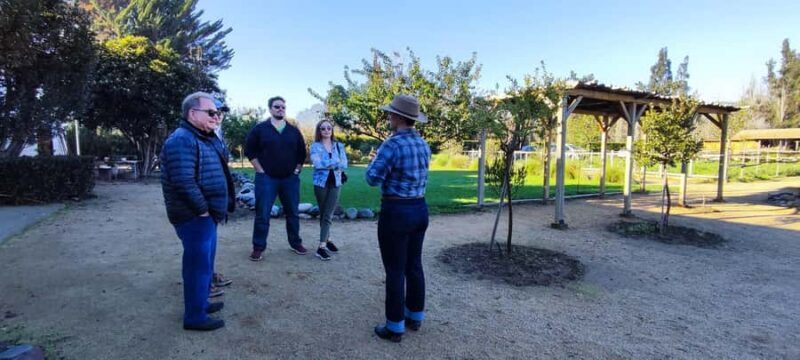
You are on your feet at several tastings and tours, with time in the vehicle between stops. The group moves through a lot in one day, which is the point: you see several kinds of winery without organizing separate transport or spending your Santiago trip negotiating taxis. Still, this is not a slow, single-estate visit. If you prefer long lunches and extended tastings, four stops may feel busy.
The guides are a major part of the experience. Names that have led tours include Nacho, Pablo, Esme, Alexia, Tephi, and Francisca, though your guide will depend on the date. A good guide links the winery visits to Chilean history and local wine, handles the practical details, and keeps the group together. Several guides are praised for moving comfortably between English and Spanish, which helps when the group includes speakers of both languages.
Expect some variation in how much depth each winery provides. The farm and Undurraga have more extensive tours, while Santa Ema is a shorter tasting and TerraMater is the meal stop. Some visits may feel more polished than personal; others may be informal and lively. That variety is part of the tour’s design, not a promise of four identical winery experiences.
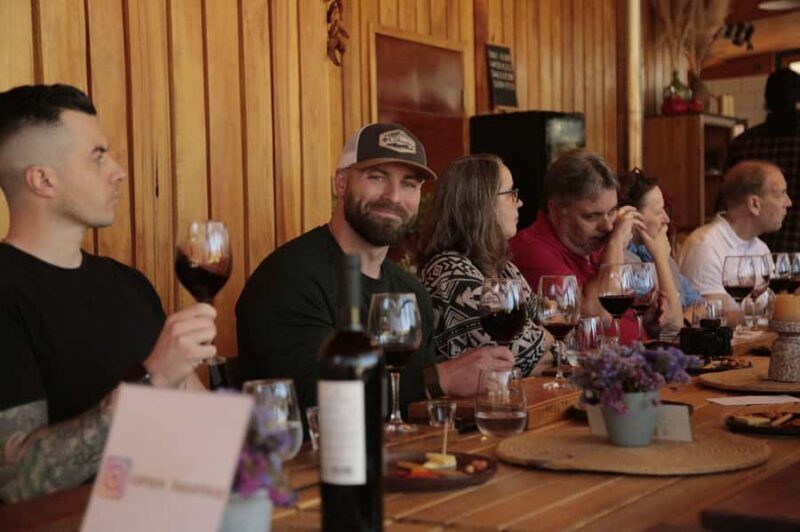
At $134 per person, you are paying for transport, hotel pickup and drop-off, a guide, visits to four stops, and wine or pisco tastings at the listed wineries. Campo La Quirinca includes its tour and tasting, Santa Ema offers three premium wines, and Undurraga includes four. Lunch at TerraMater is extra, as are gratuities.
The value comes from fitting a range of wine-country stops into one day without driving yourself. A private car or separate winery bookings could cost more and take extra planning, while this tour includes a driver so you can taste without worrying about the return journey. The small-group cap of 15 also makes it less like a large coach outing.
Be clear about what four wineries means here. TerraMater is a winery, but its role on this route is the restaurant and shop stop, not a listed wine tasting. Think of the day as three proper tasting visits and one winery lunch break. If you are mainly chasing the highest possible number of tastings, check the current schedule before booking, since details can change.
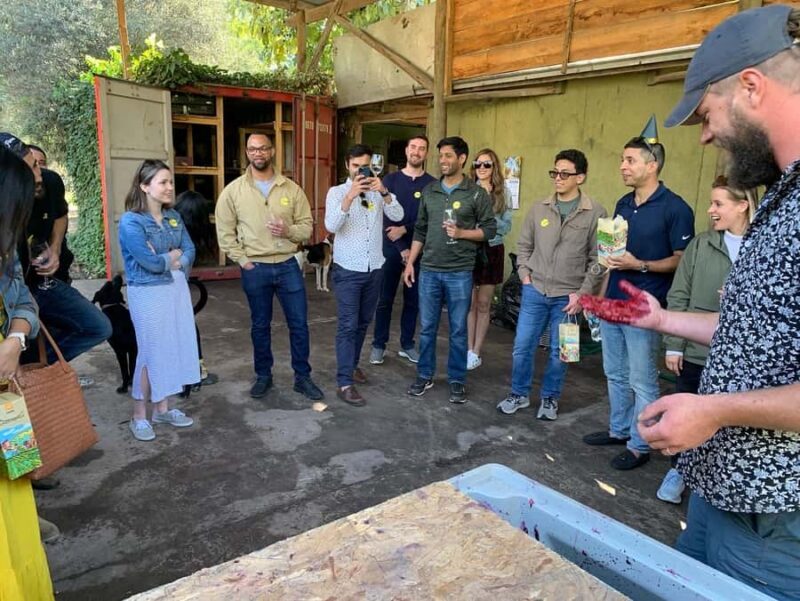
This is a good fit if you have limited time in Santiago and want a broad introduction to Chilean wine without arranging transport yourself. It suits couples, friends, solo visitors, and anyone happy to share a full day with a small group. Wine enthusiasts get several styles and production scales to compare, while newcomers get an accessible introduction and a guide to put the stops in context.
It is less suited to anyone seeking a quiet, private tasting or a deep study of one winery. The schedule is active, and the final estate may feel less personal than the family farm. If standing for tastings is uncomfortable, keep in mind that some parts of the day involve being on your feet for a while. The tour is listed as wheelchair accessible, but check with the operator about your specific access needs before booking.
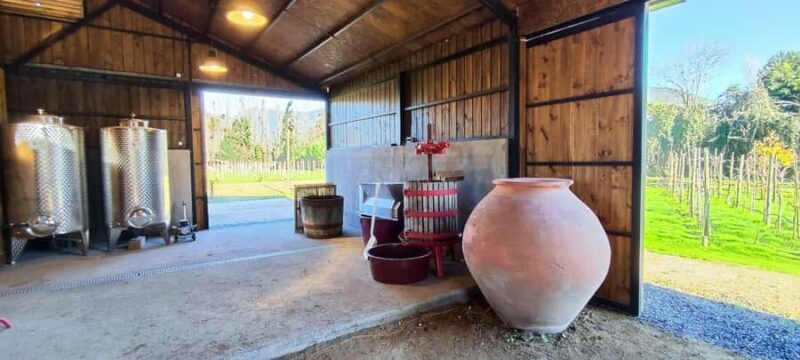
Book this tour if you want a well-organized day outside Santiago, enjoy sampling wine in good company, and value variety over a slow visit to one estate. The family farm, pisco, three winery tastings, and included transport make a strong package for the price. Just budget separately for lunch, pace yourself with the pours, and remember that TerraMater is the restaurant break rather than a fourth full tasting.
“We enjoyed this tour very much. Our guide was Tephi and she was excellent. She was very knowledgeable about Chile and her friendly, outgoing person…”
The tour lasts about 10 hours. Pickup is scheduled between 7:30 and 8:00 AM, with return to Santiago expected around 6:00 to 6:30 PM.
No. The group stops at the Zinfandel restaurant at TerraMater, but lunch is at your own expense.
The listed tastings are at Campo La Quirinca, Santa Ema, and Undurraga. Santa Ema includes three premium wines, and Undurraga includes four. Campo La Quirinca includes wine and pisco tasting.
Pickup is available from many centrally located Santiago hotels and areas including Downtown, Providencia, Las Condes, Vitacura, and Recoleta. If your hotel is outside the available areas, the operator provides a nearby meeting point.
The tour guide speaks English and Spanish.
The activity is listed as wheelchair accessible. Contact the operator about your particular access needs before booking.
You can check availability for your dates here: