Physical Address
304 North Cardinal St.
Dorchester Center, MA 02124
Physical Address
304 North Cardinal St.
Dorchester Center, MA 02124

Explore Gobustan’s petroglyphs and mud volcanoes, then visit Baku’s fire temple and Yanardag on a low-cost, no-shopping day trip.
Gobustan’s ancient carvings and bubbling mud volcanoes make a striking pair: one shows how people lived thousands of years ago, the other puts Azerbaijan’s geology on show. I like that this trip combines those unusual sights with the Ateshgah Fire Temple and Yanardag, and that it promises no shopping stops.
I also like the practical value: transport, a guide, and museum and site fees when you select the ticket-included option are part of a $29 starting price. The main consideration is the pace. You cover several far-flung stops in six to eight hours, and rain can rule out the mud volcanoes.
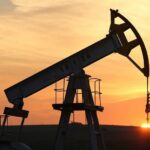
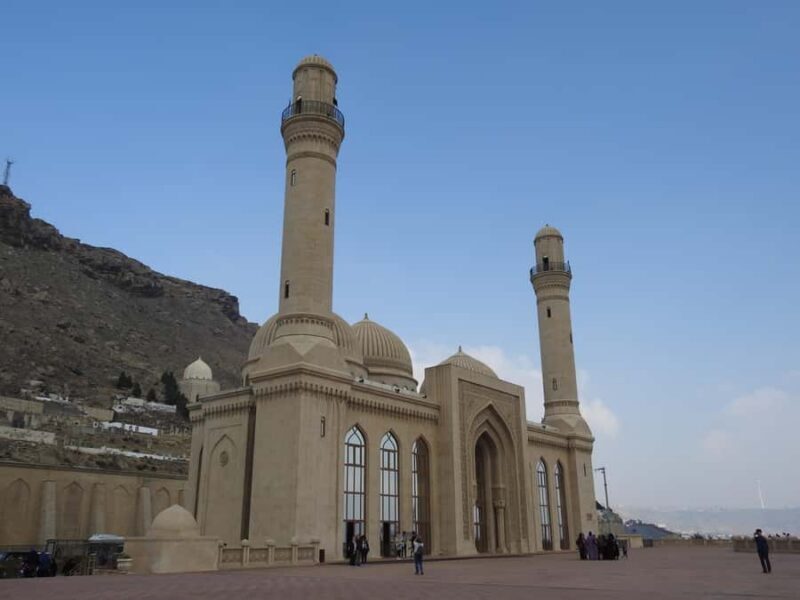
This day trip links two powerful forces that have shaped Azerbaijan: oil and fire. You leave Baku by vehicle, with a guide providing context along the way, and head first toward Bibi-Heybat and the nearby industrialized oil well described as the world’s first. It’s a useful introduction to the region’s oil story before the tour turns to far older evidence of human life.
The Bibi-Heybat stop is scheduled for about 30 minutes. The mosque offers a striking landmark, while the nearby well connects the area to the industrial age. This isn’t a long visit, so think of it as a short orientation stop rather than a deep exploration of either site.
From there, the drive continues to Gobustan National Park Museum, around 70 kilometers from Baku. The museum has indoor and outdoor displays, and the guided visit takes about an hour. That combination matters: you get some context inside, then see the ancient carvings and petroglyphs on the rocks themselves.
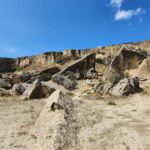
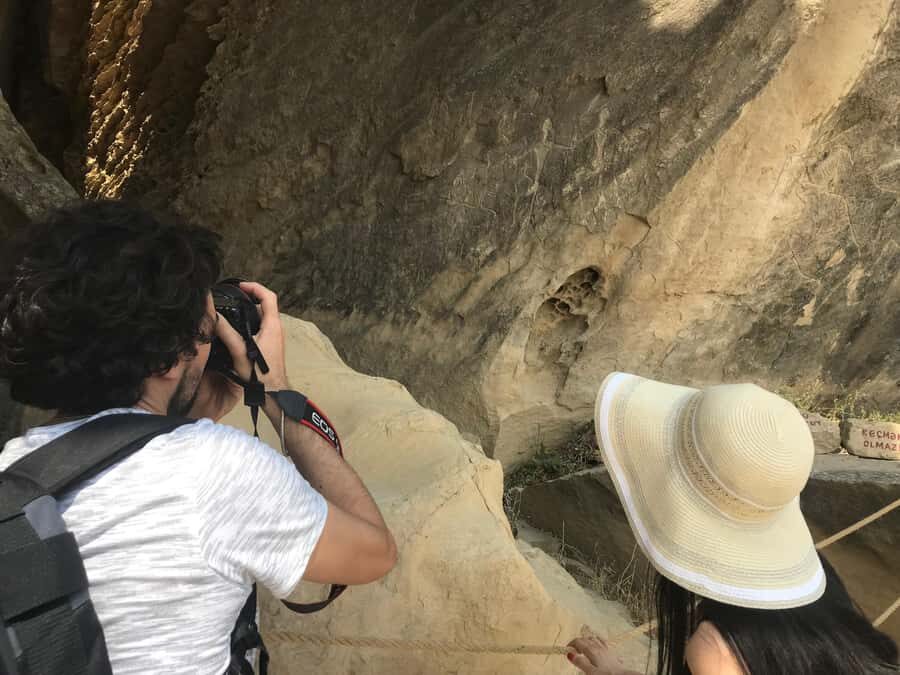
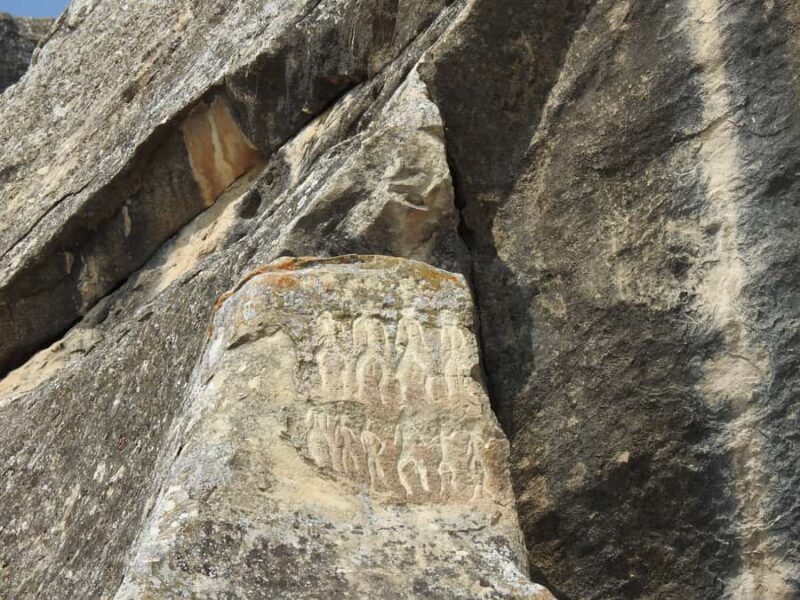
At Gobustan, the images cut into cave walls and stone surfaces give you a glimpse of how early people represented their lives and surroundings. The carvings are more than decoration. They offer clues about the culture, economy and outlook of the people who made them. If you enjoy archaeology, this is likely to be one of the day’s most rewarding stops.
There is a practical caveat: Gobustan is a popular site, and it can be crowded. One visitor described the guide handling busy conditions well, but the schedule still has to keep moving. Take the time you have to look carefully, and listen for your guide’s explanation of what you’re seeing. A good guide can turn a quick walk past rock art into a much more legible story.
Looking for more options in Baku? Here are some other experiences worth considering.
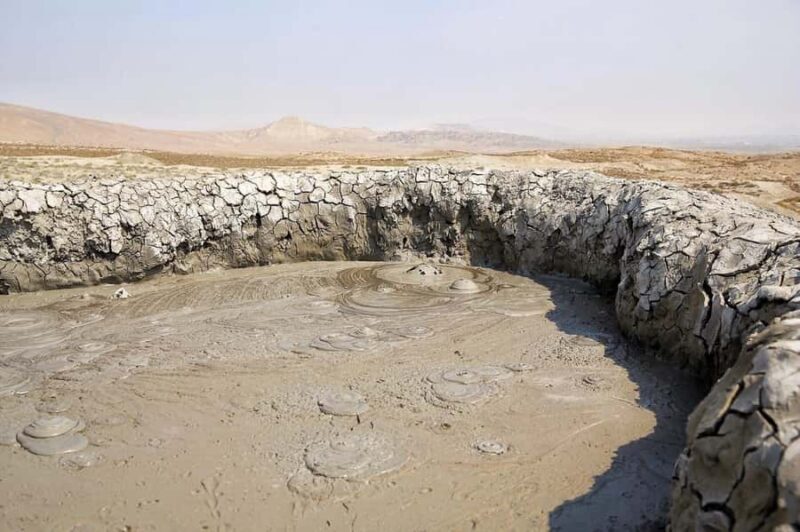
Azerbaijan is home to about 400 mud volcanoes, and the tour visits a coastal area where you can watch the mud bubble and erupt. The stop is brief, around 20 minutes, but the sight is so different from the ancient carvings and religious sites that it gives the day an unexpected change of pace.
The approach may be part of the fun. One visitor recalled reaching the volcanoes in an old Soviet Lada, an evocative detail that hints at the rougher, more adventurous feel of this stop. Don’t count on that exact vehicle, though. What is clear is that the visit depends on conditions: the mud volcanoes are skipped on rainy days for safety.
That weather rule is worth taking seriously when you decide whether the tour fits your plans. The volcanoes are a highlight for many people, but the day still includes Gobustan, the fire temple and Yanardag if rain makes the route unsafe. If the mud volcanoes are your main reason for booking, ask about current conditions before setting off, and have a flexible attitude.
The route also gives you a sense of how varied the area around Baku is. The mud volcanoes are not simply another photo stop. They are an unusual natural feature, and watching the mud move and bubble is a very different experience from looking at a display behind glass.
The tour stops at a buffet-style restaurant for lunch, usually after Gobustan and the mud volcanoes. Lunch is not included, and the expected cost is about $8 to $12. That makes the $29 starting price easier to judge: the core transport and sightseeing are inexpensive, but you should budget for a meal on top.
The lunch stop gives you a chance to try Azerbaijani dishes without having to choose a restaurant or plan a separate meal during a busy day. The exact food and venue can vary, so I would treat it as a convenient local break rather than the main culinary event of your Baku visit. Some people have particularly liked the selection and food; others would improve the lunch stop.
If you have dietary needs, the supplied details don’t specify what the buffet serves, so contact the operator rather than assuming there will be suitable options. And if the day is hot, bring water. One visitor specifically wished there had been water in the vehicle, so it’s a sensible thing to carry yourself.
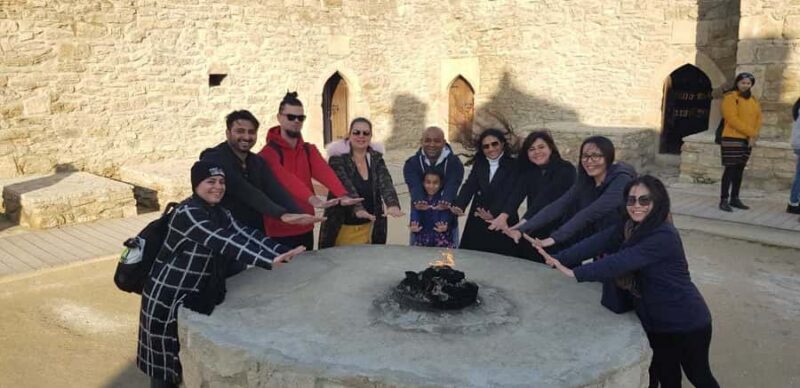
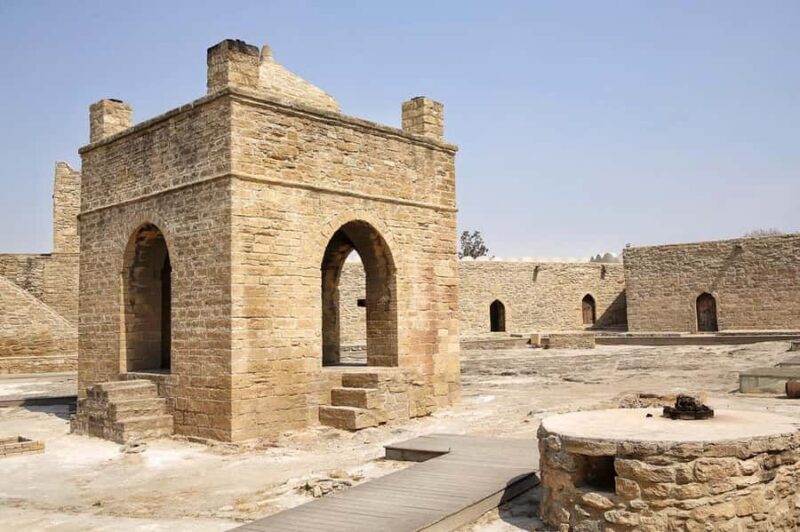
The Ateshgah Fire Temple is a former holy place for Zoroastrian fire worshippers. Its importance lies in the way it connects the region’s natural gas to a spiritual tradition. The stop is about 40 minutes, enough for a guided visit and time to take in the site, though not a leisurely half-day exploration.
A guide’s explanations are especially useful here. The building is a place of worship, but the tour’s larger story is about why fire held such importance and how it relates to the natural flames found elsewhere on the peninsula. Visitors have praised guides for making the history understandable and for answering questions as they go. If you’re curious, speak up: a short stop becomes more meaningful when you know what details to notice.
The fire temple is a cultural counterpoint to the geological sights. Gobustan shows human life through images carved in stone; Ateshgah shows how people made sense of an elemental force. That shift in subject helps the day feel like more than a string of scenic stops.
More Great Tours Nearby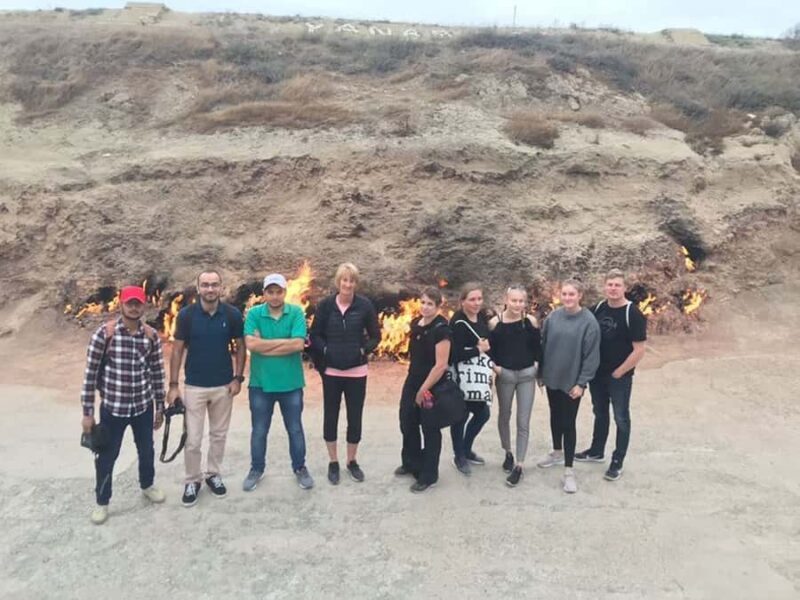
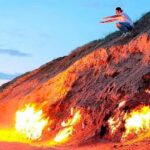
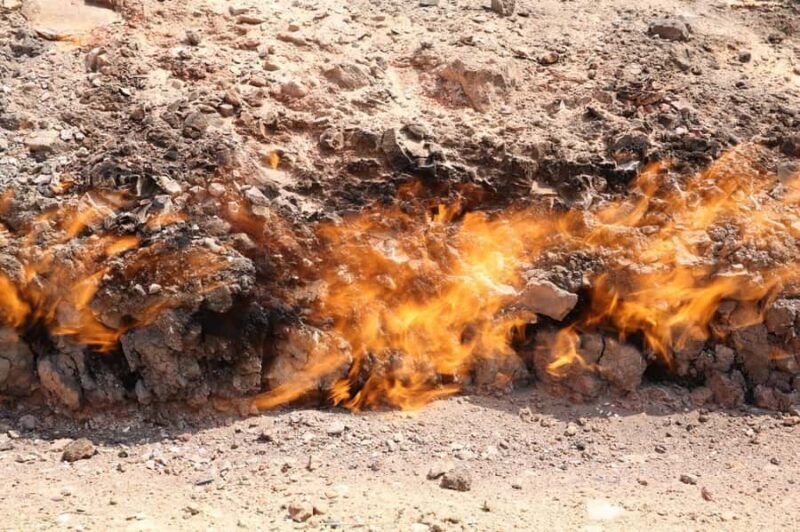
Yanardag is a natural gas fire that burns continuously on a hillside on the Absheron Peninsula. The visit lasts about 30 minutes. It’s a simple, memorable sight: flames on an open slope, rather than in a temple or enclosed display.
This is the stop that brings the fire theme into the present. The Ateshgah offers a historical and spiritual connection; Yanardag is a living display of gas seeping from the ground and catching fire. You don’t need a long visit to understand why the place is memorable, though your guide’s explanation can add context to what might otherwise seem like a quick photo stop.
The supplied route details place Yanardag and Ateshgah in different afternoon sequences. Both are part of the tour, but if the order matters to you, confirm it with the operator before the day.
The strongest part of this trip may be the person leading it. Visitors repeatedly praise guides including Sayed, Leyla, Mahabat, Elcan, Musa and Ughur for explaining the sites clearly, sharing stories, answering questions and keeping the group comfortable. Some also mention help taking group pictures and a friendly atmosphere in the vehicle.
That matters on a route with several subjects and relatively short stops. A guide connects the rock art, oil well, mud volcanoes and fire sites into a story about Azerbaijan, rather than leaving you to puzzle out each place on your own. Praise also points to a useful balance: people describe the explanations as engaging and detailed, without the day feeling like a lecture.
Private and small-group options are available. The group size can affect the feel of the outing: one visitor had a group of just four, while others describe a comfortable group and a well-paced day. The exact size is not guaranteed in the information provided, so check the option you are booking if having a small group is important to you.
Transport is included, with hotel pickup and drop-off at a choice of locations in Baku. The operator contacts you the day before to confirm pickup time, and you meet your guide in your hotel lobby. That takes the hassle out of arranging separate rides to sites spread beyond the city.
At $29 per person, this is strong value if you want to see several sites outside Baku without arranging your own transport. A guide and vehicle are included, and museum and entrance fees are included if you choose the ticket-included option. Since the ticket detail depends on the option selected, check that choice when booking.
Add roughly $8 to $12 for lunch, and remember that the day lasts six to eight hours. The real value is not just the low price. It is the amount of ground covered: Gobustan’s museum and rock art, the mud volcanoes, the Ateshgah Fire Temple and Yanardag, with a brief stop near Bibi-Heybat and the oil well.
The trade-off is a packed schedule. Gobustan gets about an hour, the volcanoes around 20 minutes, and the temple and burning hillside roughly 40 and 30 minutes respectively. Those visits are enough to get a clear first impression, but not enough to linger everywhere. If you prefer slow travel or want extended time at every site, consider a private option or a less ambitious plan.
The trip has a 4.7 rating from 433 reviews, and praise most often centers on the guides, the range of places visited and the value. The recurring practical cautions are the tight timing, the lunch stop and the chance that rain cancels the mud volcano visit. Keep those limits in view, and the price looks compelling.
Book it if you have one day to explore beyond central Baku and want a guide to connect ancient rock art, natural oddities and fire-related sites. It suits first-time visitors, history and geology fans, and anyone who would rather have transport and a planned route than organize several stops independently.
Think twice if you want a slow day, need a guaranteed mud-volcano visit regardless of weather, or plan to spend a long time at each site. For most people with limited time, though, the mix is hard to beat at this price. Bring water, budget for lunch, and choose the ticket-included option if you want the listed entrance fees covered.
“The tour guide, Mahabat, was amazing! Very polite and knowledgeable. My family and I really enjoyed the day!”
The tour lasts about six to eight hours. The exact starting time depends on availability.
The route includes Bibi-Heybat and a nearby industrialized oil well, Gobustan National Park Museum, mud volcanoes, Yanardag and the Ateshgah Fire Temple.
No. The tour stops at a buffet-style restaurant where you can buy lunch. The expected cost is about $8 to $12.
Museum tickets and entrance fees are included if you select the ticket-included option. Check your chosen option when booking.
The mud-volcano visit is skipped on rainy days for safety reasons. The other stops are listed as part of the tour.
The listed live guide languages are English and Russian.
Yes. Pickup and drop-off are included at the listed locations in Baku. Meet your guide in your hotel lobby; the provider contacts you the day before to confirm the pickup time.
You can check availability for your dates here: