Physical Address
304 North Cardinal St.
Dorchester Center, MA 02124
Physical Address
304 North Cardinal St.
Dorchester Center, MA 02124

Walk Samarkand’s great monuments with an English-speaking guide, from Gur-e-Amir and Registan to Shah-i-Zinda and Siyob Bazaar.
Samarkand’s great monuments are more than a string of beautiful façades. A guide can connect the blue domes, tiled inscriptions and royal tombs to the people and ambitions behind them, giving you a better sense of why this Silk Road city mattered.
I like two things in particular: the route takes in four of Samarkand’s essential historic sites, and the guides are often praised for making history feel personal, with local stories, answers about daily life and help taking photos. The final market stop can add a welcome taste of the city beyond its monuments.
The main consideration is the workload and some conflicting tour details. You’ll walk between sites, entrance fees cost extra, and the stated five-hour duration does not match the stop times, which add up to five hours and 40 minutes. The stated finish point also varies, so confirm the plan before setting out.
This is a useful way to meet Samarkand’s grandest monuments without trying to piece together their stories on your own. The tour moves from Gur-e-Amir to Registan, then Bibi-Khanym, Siyob Bazaar and Shah-i-Zinda. That sequence gives you both the royal and religious architecture, along with a glimpse of everyday market life.
I particularly like the guide-led format for a city where scale can be part of the challenge. Registan’s three madrasahs are so imposing that it’s easy to focus on the surfaces and miss the people, rivalries and history behind them. A good guide can give those details shape, and help you make sense of the similarities and differences between the buildings.
The human side of the tour is a recurring strength. Guides named in recent accounts include Gulsanam, also called Gulli, Sarvinoz, Shahrizoda, Sevinch, Sevara, Abrorbek and Shah. Names and assignments can change, of course, but the praise tends to focus on the same qualities: clear explanations, patience with questions and a warm, conversational manner.
Several accounts also describe guides adjusting the pace to suit the group, answering questions about life in Uzbekistan and helping with photographs. That’s useful when you’re trying to fit a lot into one walk, though it isn’t a promise that every guide or group will have the same experience.
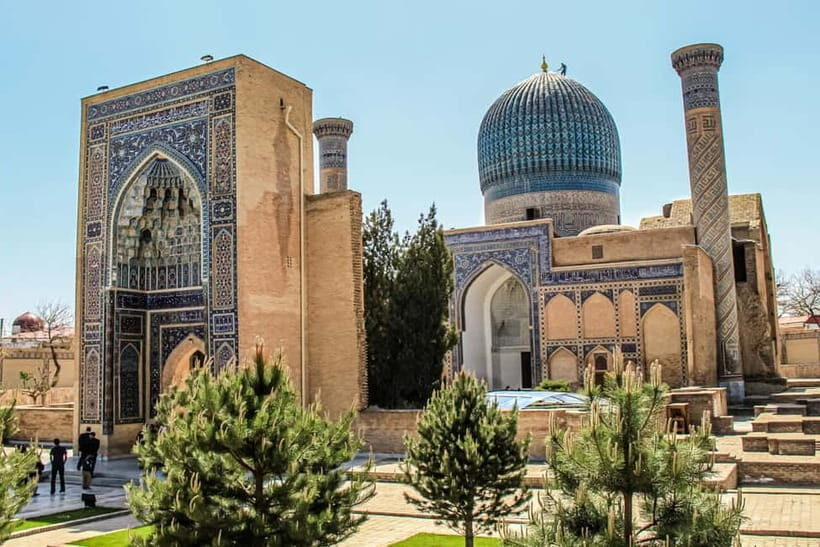
You can check availability for your dates here:Meet at the entrance to the Gur-i Amir Complex, the mausoleum associated with Amir Timur, also known as Tamerlane. The listed visit lasts about 100 minutes, including a guided walk. That’s a generous opening stop, and a chance to begin with the ruler whose legacy shaped many of the monuments ahead.
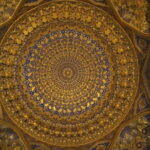
The mausoleum’s blue-tiled dome and ornate interior make an immediate impression. Inside, your guide can help direct your attention beyond the decoration and explain Timur’s place in the Timurid Empire. This context matters: the buildings on the route are not simply impressive structures, but expressions of power, faith and cultural ambition.
You should allow for the entrance fee here, listed as 75,000 UZS, or about $6. It is not included in the tour price. The tour information says you can pay by card or cash at the destinations, but it’s sensible to bring some cash as a backup.
If you enjoy exploring Samarkand on foot, these walking tours might also suit your style
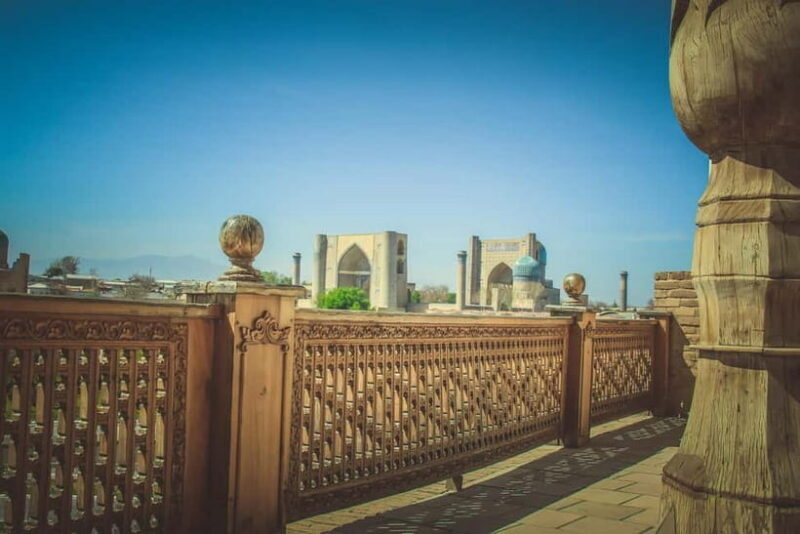
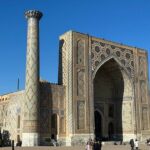
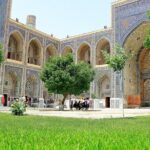
Registan Square is the tour’s centerpiece, with two hours set aside for a guided visit and walk. Its three madrasahs, Ulugh Beg, Sher-Dor and Tillya-Kori, frame one of Central Asia’s most memorable public spaces. Their tiled façades, domes and monumental entrances reward a slow look.
I’d treat this stop as more than a photo break. The different buildings reveal how Samarkand’s rulers used architecture to express learning, religious life and authority. A guide’s stories can help you notice details that might otherwise blur together in the broad sweep of tile and symmetry.
Two hours should give you time to look carefully and take photos without rushing through the square. Still, the overall pace depends on the group and the guide. If you want extra time to explore independently, ask how the visit is structured before the tour begins.
The listed entrance fee is 100,000 UZS, or about $8.50. Since Registan is a major stop and the fee is separate, include it in your total budget rather than treating the $20 tour price as the full cost of the day.
The tour allows about 30 minutes at Bibi-Khanym Mosque. Built as a statement of Samarkand’s architectural ambition during Timur’s reign, it impresses through its scale as well as its decorative detail. The guide also covers the legends associated with its construction, adding a human thread to the imposing stonework.
Half an hour is a fairly short visit compared with the time at Registan or Gur-e-Amir. It may be enough for an introduction, a look around and photos, but not a leisurely exploration. If this mosque is a particular interest, ask whether the tour allows flexibility or whether you should plan a separate return visit.
Admission is listed at 50,000 UZS, or about $3.50, and is not included. As at the other religious sites, dress respectfully and follow the rules inside the monument. Photography is allowed, but flash photography is not permitted indoors, and smoking is prohibited inside the monuments.
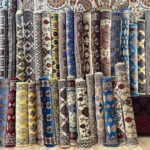
Siyob Bazaar is Samarkand’s largest and oldest market, and a useful change of pace after several monumental stops. The plan allows about 30 minutes for a break, photos and shopping. You can look for local treats such as dried fruit and nuts, and the market offers a glimpse of the city’s daily rhythms beyond the historic sites.
Some people find this one of the most appealing parts of a guided walk because it brings the city down to street level. One guide, Sevinch, has been praised for helping with souvenir shopping and local products. That kind of practical help can be welcome, but treat any purchase as your own decision and agree on a price before buying.
The market is also a natural place to catch your breath. You’ll have already walked between major sites, and the final stop is still ahead. If you’re tired, use the pause to sit, drink water or simply slow the pace.
There is one itinerary question to settle before booking: the overview says the tour concludes at Siyob Bazaar, while the timed route places Shah-i-Zinda after the market. Ask the operator which version applies to your departure.
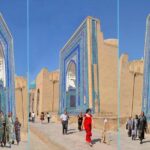
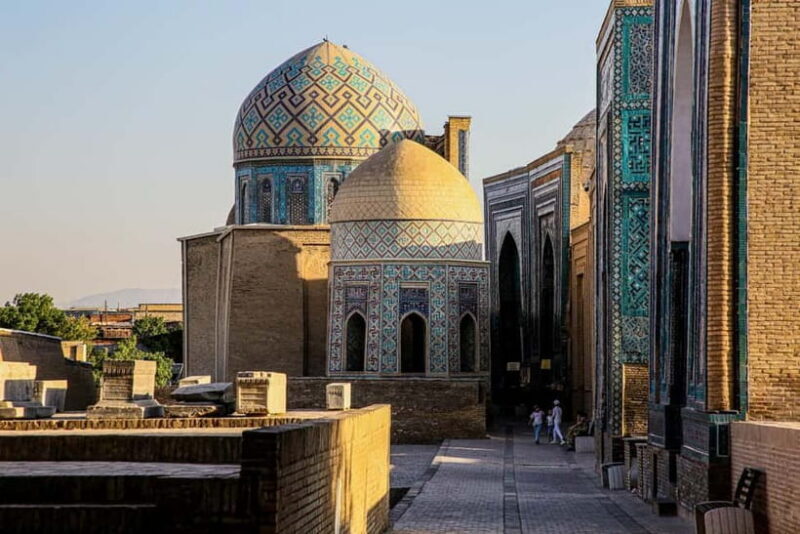
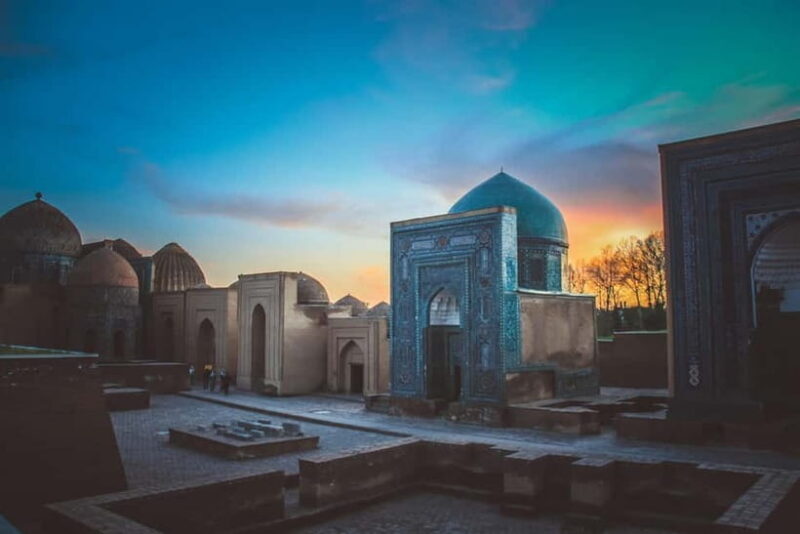
More Great Tours NearbyShah-i-Zinda is scheduled for about an hour, with sightseeing and a visit timed around sunset. This sacred necropolis is known for its mausoleums, turquoise tiles and intricate mosaics. Its narrow lanes bring you close to the decoration, and the different structures show craftsmanship from more than one period.
The atmosphere here is distinct from the broad openness of Registan. You move through a series of close-set spaces, where the details of a doorway, mosaic or tiled surface can hold your attention. The site’s spiritual importance is part of the experience, so behave respectfully and follow your guide’s directions.
The entrance fee is listed at 50,000 UZS, or about $3.50. The scheduled sunset timing could make this a memorable final stop, but the stated route order and finish point are unclear. Confirm whether Shah-i-Zinda is the last visit and whether the tour’s start time gives enough room to reach it as planned.
If you prefer having a local expert, these guided Samarkand experiences could work well
The tour costs $20 per person and includes a professional English-speaking guide. Entrance fees are extra: the listed charges for Gur-e-Amir, Registan Square, Bibi-Khanym Mosque and Shah-i-Zinda total 275,000 UZS, or about $21.50 using the conversions provided. That puts the approximate combined cost at $41.50 per person, before food, shopping or other personal expenses.
For that price, the value is mainly in having a guide connect the sites and handle the storytelling, not in getting admission bundled into a bargain ticket. If you’re comfortable exploring at your own pace and reading up beforehand, you could choose to visit independently. But if you want context and a local perspective, the guide fee is a modest part of a day centered on four major monuments.
Pay close attention to the length. The tour is advertised as five hours, but the listed visit times total 340 minutes, or five hours and 40 minutes. Walking between the sites may add further time, though the description does not give a separate estimate. Contact the provider to confirm the actual duration and route.
Wear comfortable walking shoes, bring a hat and sunscreen, and carry water if you have it. One account notes that the group walked quite a bit, with breaks along the way. The stops are spread across the city, so this is not a light stroll.
A private group is available, and some departures may be small. If few people book, you might end up with a more personal outing, but the group size is not guaranteed. A private option can suit you if you want more control over pace and questions; check its terms and price directly.
The access information is contradictory. One part describes the activity as wheelchair accessible, while another says it is not suitable for wheelchair users or people with mobility impairments. Given the walking between monuments and the narrow lanes at Shah-i-Zinda, don’t rely on the accessibility label alone. Contact the operator with your specific needs before booking.
Children under six are not recommended for the tour. The sites are religious places, so modest clothing is advised. The supplied guidance also contains a discriminatory instruction about LGBTQ visitors. That wording is unacceptable; if it raises concerns for you, contact the provider before booking and decide whether you are comfortable with the tour’s approach.
Drones and alcohol or drugs are not allowed. Photography is permitted, but do not use flash inside the monuments, and do not smoke inside. These are simple rules, but they matter in active religious and historic spaces.
Book it if you want an English-speaking guide to connect Samarkand’s leading monuments in one outing, and you’re ready for several hours on foot. The strongest reason to go is the storytelling: guides such as Gulsanam, Sarvinoz and Shahrizoda are repeatedly praised for explaining history clearly, adapting to questions and helping make the city feel personal.
Think twice if you need a fully accessible route, want long unhurried visits at every site or are uncomfortable with the discriminatory wording in the supplied guidance. Before paying, confirm the actual duration, which site comes last, and the access arrangements. With those details settled, this is a practical way to see the city’s essential monuments and leave with more than a camera roll.
“Very interesting and amazing tour to the main sights. Big thanks to my guide Gulli!”
The tour is advertised as five hours, but the listed stop times add up to five hours and 40 minutes. Ask the provider to confirm the expected duration.
The route includes Gur-e-Amir Mausoleum, Registan Square, Bibi-Khanym Mosque, Siyob Bazaar and Shah-i-Zinda.
Meet at the entrance to the Gur-i Amir Complex.
The tour description says it concludes at Siyob Bazaar, but the timed route places Shah-i-Zinda after the market. Confirm the finish point with the provider.
No. The listed fees are 75,000 UZS for Gur-e-Amir, 100,000 UZS for Registan Square, and 50,000 UZS each for Bibi-Khanym Mosque and Shah-i-Zinda.
A professional guide is included. Meals, lunch, hotel pickup and drop-off, entrance fees and personal expenses are not included.
The live guide speaks English.
Wear comfortable walking shoes, and bring a hat and sunscreen. Photography is allowed, but flash photography is not permitted inside the monuments.
The information is inconsistent: it describes the tour as wheelchair accessible, but also says it is unsuitable for wheelchair users and people with mobility impairments. Contact the provider before booking to confirm whether the route meets your needs.
You can check availability for your dates here: