Physical Address
304 North Cardinal St.
Dorchester Center, MA 02124
Physical Address
304 North Cardinal St.
Dorchester Center, MA 02124

Explore central Dublin with a lively local guide, from Viking origins to Trinity College, the GPO, Temple Bar and Christchurch Cathedral.
Dublin’s landmarks make more sense when someone connects them to the people and events behind the stone. This guided walk links the city’s Viking beginnings with its writers, politics and present-day pub culture, giving you a useful first map of the capital.
I like two things in particular: the guides bring history to life with humor and questions, and they offer practical suggestions for what to see or where to eat next. One consideration is the weather: you are outdoors for the whole walk, and Dublin rain can make even a good story feel longer.
This walk is designed as a broad introduction, not a long study of one subject. In roughly 90 to 105 minutes, you get a guide’s account of how Dublin grew from a Viking settlement into the capital you see today, with stops or passing views of major civic, academic and religious landmarks.
That range is useful if you have only a few days in Dublin. You will not come away knowing every detail of Irish history, but you should have a stronger sense of how the city’s sites fit together and what you might want to explore at greater length afterward.
The emphasis is on storytelling. Guides discuss Irish writers, the city’s heritage and political history, along with the less solemn details of Dublin’s past. The result, at its best, is a brisk history lesson with room for jokes and questions rather than a procession of dates.
If you enjoy exploring Dublin on foot, these walking tours might also suit your style
The stated meeting point is the Tourist shop at 12 Ashton Quay, Dublin, D02 TE81. Check your booking details before setting out: one participant reported that the meeting-point information needed updating and that calling the tour company cleared things up. It is a sensible reminder to confirm the exact location and start time rather than relying on an old screenshot.
The route begins in the city centre and follows cobbled streets through Dublin’s past and present. Wear shoes with a comfortable sole. This is a walking tour, not a vehicle-based overview, and the cobbles and weather make practical clothing more important than dressing for a formal outing.
The tour is offered in English with a live guide. Group size can vary. Some groups have been very small, with only a few people, which can make it easier to ask questions and get tailored recommendations. You should not count on a private-feeling group every time, but the interactive approach is a consistent part of the experience.
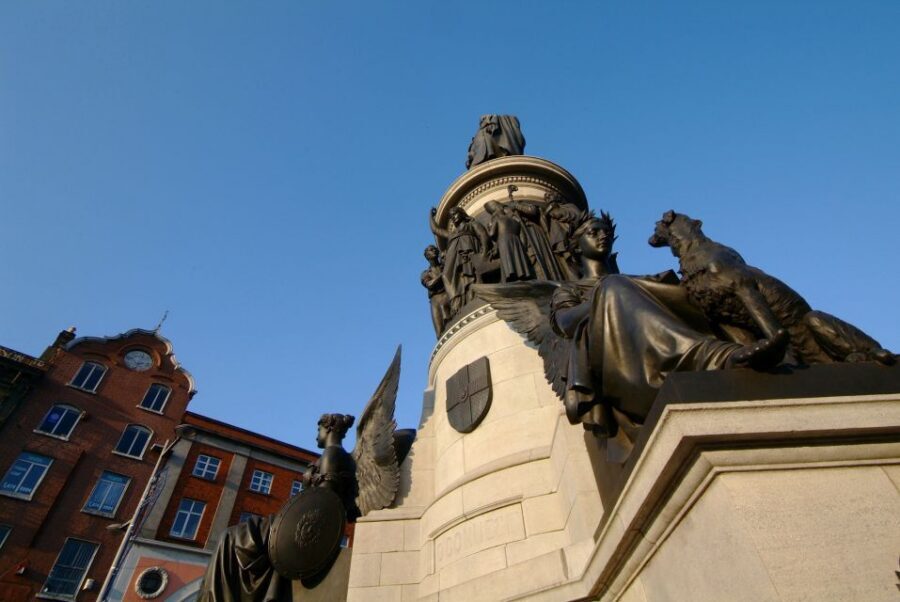
O’Connell Street gives the tour a chance to explain Dublin’s civic and political life. The GPO, or General Post Office, is one of the route’s key landmarks, and its place in the city’s story makes it more than an impressive building to photograph.
A guide can help you connect the street and the building to broader events in Irish history. That context matters: on your own, you might pass through the area without knowing why the GPO carries such weight in the national story. Here, the focus is not simply what the building looks like, but what it represents.
Expect an outdoor explanation rather than an extended interior visit. The tour information says the route passes by the landmark, so do not assume admission or time inside is included. If you want to explore the GPO further, ask your guide what to see after the walk.
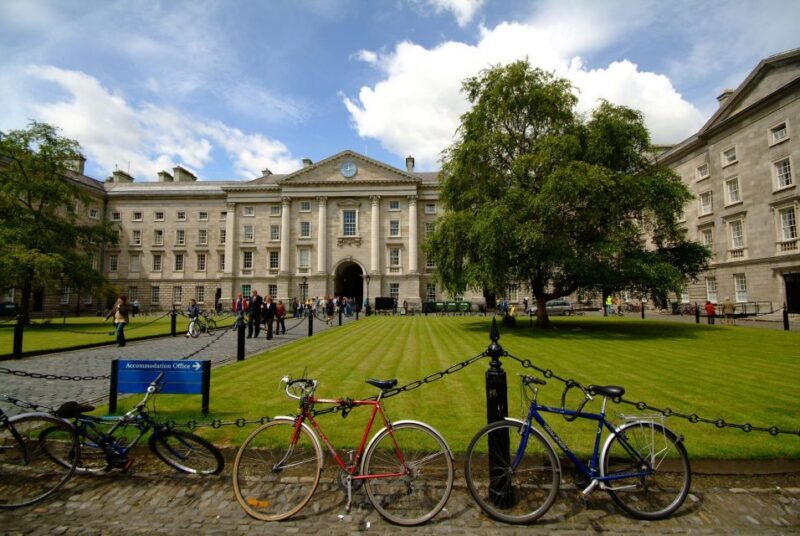
Trinity College adds an academic and literary thread to the route. Ireland’s writers are part of the tour’s wider subject matter, and the college offers a natural place to talk about the cultural life that has shaped Dublin’s reputation.
The value here is the connection between a famous institution and the people, ideas and history associated with the city. You get an introduction, not a full campus tour. If you want a closer look at Trinity or a particular attraction within it, plan separate time rather than expecting this short walk to cover every corner.
This is also a good moment to ask questions. Participants have praised guides including Alex and Conor for keeping the group involved, making the history easy to follow and adjusting their stories to the people listening. A quick question can turn a general overview into a more useful pointer for your own interests.
More Great Tours NearbyTemple Bar brings the walk into a livelier part of central Dublin. The named stop is its Rock ’n’ Roll Wall of Fame, a reminder that the city’s identity is not limited to medieval buildings and political milestones.
The contrast is part of the appeal. You move between different versions of Dublin: historic streets, cultural landmarks and a district associated with music and nightlife. The guide’s role is to make those pieces feel like one city rather than a list of unrelated photo stops.
Keep your expectations in proportion. This is a brief guided walk through central sights, not a dedicated music tour or an evening out. You will get an introduction and some context, then can decide whether to return to the area later.
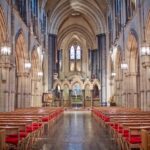
Christchurch Cathedral is another major landmark on the route, bringing religious history and older Dublin into view. The city’s story stretches back to its Viking foundation in 841 AD, and the cathedral helps frame the long changes that followed.
The tour’s broader account moves from those early beginnings toward modern Dublin. That sweep is useful for orientation, though it naturally leaves some chapters lightly covered. If you are especially interested in medieval architecture or church history, treat the walk as a starting point and make time for a more detailed visit on your own.
As with the other listed sights, the description says the tour visits or passes by landmarks but does not promise entry. Ask the guide what is visible from the route and what deserves a separate stop.
The strongest reason to book is the guide’s delivery. Alex is repeatedly singled out for an easygoing, humorous style and for turning history into conversation. Conor and Connor are also praised for energy, clear explanations and keeping the pace comfortable, while Tony is noted for a witty approach. Other guides named include Kay and Maker.
Those names are useful, but they are not a guarantee that one particular person will lead your departure. The practical takeaway is to expect a live guide whose personality is a large part of the experience. The best guides do more than recite facts: they ask questions, make connections and help you decide how to spend the rest of your time.
The recommendations can be as useful as the history. Alex, for example, has pointed people toward the George and a whiskey distillery, and one group appreciated being walked to the Hairy Lemon pub. Treat individual suggestions as personal tips, not promised stops or included visits. Ask what suits your interests and check details before heading there.
At $21 per person, this is a relatively modest way to get an organized introduction to central Dublin. You are paying for a guide’s stories, local context and sightseeing advice, not for meals, drinks or admission to attractions. Those costs are separate.
The value is strongest early in your stay. A good introduction can help you understand where the main sights sit in relation to one another and give you ideas for the days ahead. The tour is also short enough to fit around other plans, though the discrepancy between 90 and 105 minutes means you should leave a little breathing room.
It is less compelling if you prefer to explore at your own pace, want long visits inside each landmark, or already know Dublin well. The route covers key city-centre sights, but it is a sampler rather than a specialist tour. For a first visit, that breadth is often the point.
You can reserve now and pay later, and cancellation is free up to 24 hours in advance for a full refund. Meals and drinks are not included. These terms offer flexibility, but the main practical question is still whether a guided walk fits your interests and your schedule.
Dublin weather deserves a place in your planning. The tour is outdoors, and participants have enjoyed it even in pouring rain, but that does not mean rain is comfortable. Bring a raincoat or umbrella, dress warmly and wear shoes suited to wet cobbles.
The walk is not suitable for people with mobility impairments. If uneven surfaces or sustained walking are a concern, contact the provider before booking to ask whether the route works for your needs. No specific accessibility arrangements are stated.
I would recommend this tour to first-time visitors who want a quick orientation, enjoy history told with humor, and value a guide’s suggestions for the rest of a trip. It should also suit people who like to ask questions rather than simply follow a set script. If you want a quiet, highly focused visit to one site, choose a more specialized experience.
Book this walk if you want a friendly, story-led introduction to Dublin’s central landmarks for $21, especially near the beginning of your stay. The combination of Viking origins, political history, writers and practical local advice gives you more than a route for photos.
Skip it if you need step-free access, dislike outdoor walks in changeable weather, or want to spend substantial time inside each attraction. Before booking, check the meeting point and start time, and allow for the stated duration of up to 105 minutes.
“Alex was excellent – he educated us on the history of Ireland in a fun and relaxed manner. There were only four of us in the group so we had opport…”
The tour is described as 90 minutes in the overview and listed as 105 minutes in the activity details. Allow about an hour and a half to an hour and 45 minutes.
The stated meeting point is the Tourist shop at 12 Ashton Quay, Dublin, Co. Dublin, D02 TE81. Check your booking details before departure, since meeting-point information may change.
The tour passes O’Connell Street and the GPO, Trinity College, Temple Bar’s Rock ’n’ Roll Wall of Fame, and Christchurch Cathedral.
The live tour guide speaks English.
Wear comfortable shoes and dress warmly. Bring rain gear, such as a raincoat or umbrella, because the tour takes place outdoors.
No. The activity is listed as not suitable for people with mobility impairments.
You can check availability for your dates here: