Physical Address
304 North Cardinal St.
Dorchester Center, MA 02124
Physical Address
304 North Cardinal St.
Dorchester Center, MA 02124

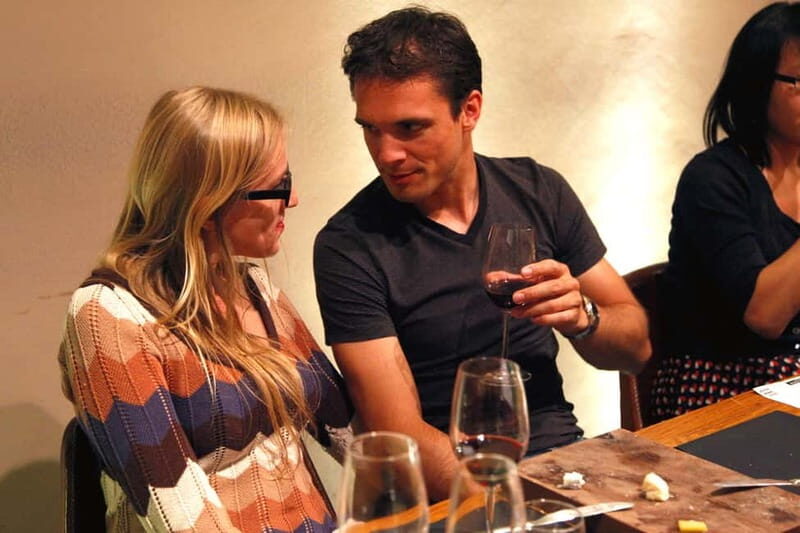
Taste Champagne and five French wines in a 17th-century cellar near the Louvre, with a sommelier explaining regions, labels, tasting and food pairings.
Just off the Louvre, this two-hour tasting takes you below street level into a 17th-century wine cellar, where Champagne and five French wines become a practical introduction to the country’s wine regions. You’ll learn how to taste, read labels and make sense of terms such as terroir and appellation, without needing to know a grape from a glass.
I like two things in particular: the regional range, which lets you compare wines from different parts of France in one sitting, and the plain-language teaching, which helps you order with more confidence later. Sommelier hosts such as Laury, Paul, Kim and Clement have led sessions, and the format leaves room for questions.
One thing to weigh: the tasting can be a group event, and a group of around 25 may make it harder to ask questions or hear every explanation. The cheese and charcuterie plates also cost extra, so budget for those separately if you want more than bread with your wine.
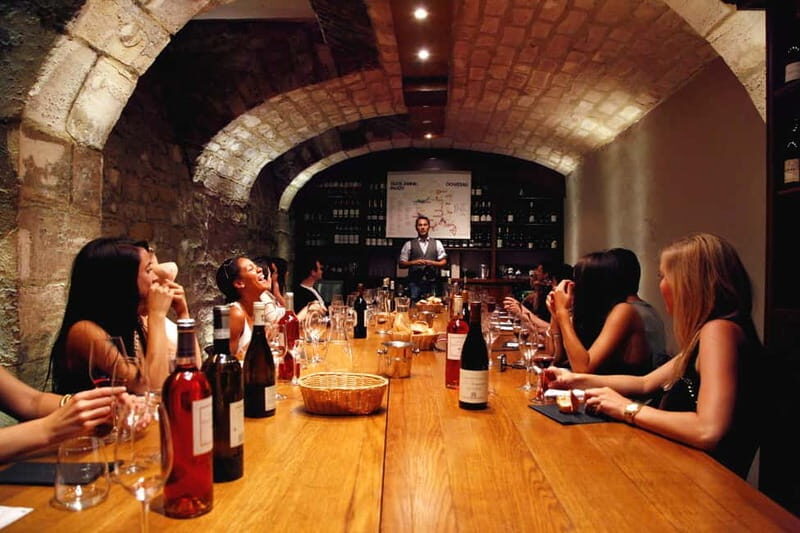
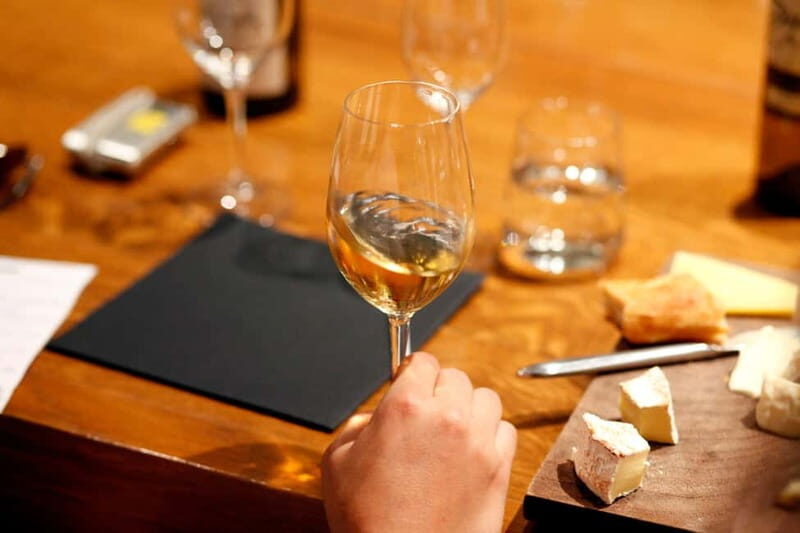
This is a tasting class in central Paris, not a trip out to wine country. The meeting point is 68 Rue Jean-Jacques Rousseau in the 1st arrondissement. Louvre-Rivoli on Metro Line 1 and Étienne Marcel on Line 4 are the nearest named stations; from the Louvre, the walk is about six minutes.
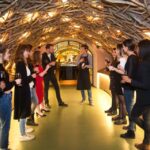
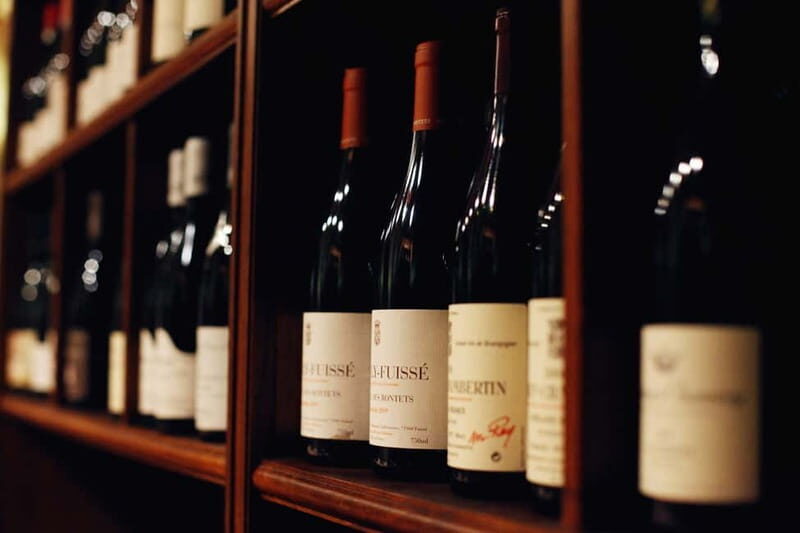
The setting is part of the appeal. The tasting takes place in a 17th-century cellar, which gives the evening a sense of place that a lesson in a bright hotel meeting room would lack. But the venue is a cellar, not a working vineyard or winery, so book it for the wines, instruction and atmosphere rather than for a behind-the-scenes look at production.
The class starts at 5pm and lasts roughly two hours. That timing works well as a pre-dinner activity: you get a focused introduction to French wine, then have the evening ahead to put your new vocabulary to work over dinner. The tasting includes several wines, so plan to eat afterwards rather than treat the bread basket as a meal.
For more Paris culinary adventures, you might enjoy these food and drink experiences
You’ll taste one Champagne and five French wines. The experience is framed as a tour through six of France’s main wine regions, with the sommelier explaining the grapes grown in each, the styles they produce and what to notice in the glass.
That comparison is more useful than tasting six unrelated bottles without context. You can start to see how a wine’s region, grape and production choices affect its character. You are not expected to arrive with a trained palate. The point is to learn a method, try it on several wines and notice what you like.
The wines are not named in advance, so don’t book expecting a particular bottle, grape or region. The selection can vary, and the tasting is more about understanding French wine as a whole than sampling a fixed list you can study beforehand. All the wines served are available to buy, and you can ask the sommelier for details or recommendations.
Quality is a matter of taste, and expectations should stay sensible. Some people find the selection excellent; one assessment found the wines decent rather than exceptional. At $88 per person, the value depends partly on how much you want the teaching and setting, not just the cost of six pours.
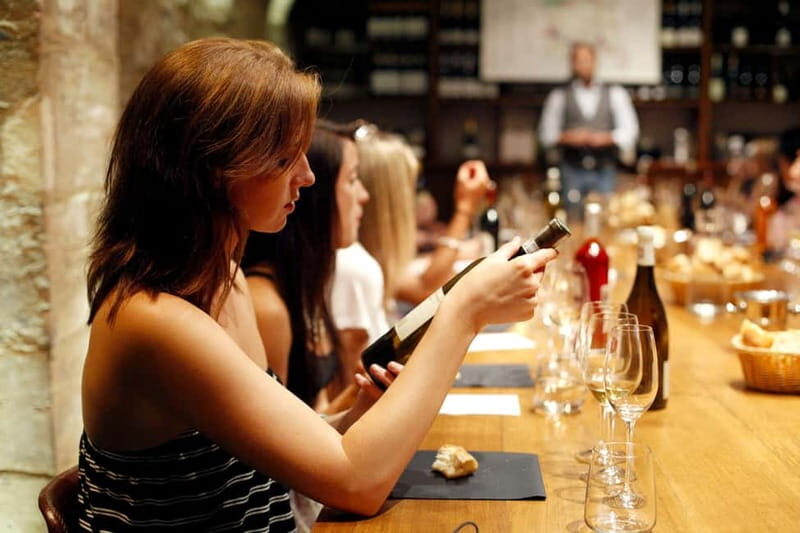
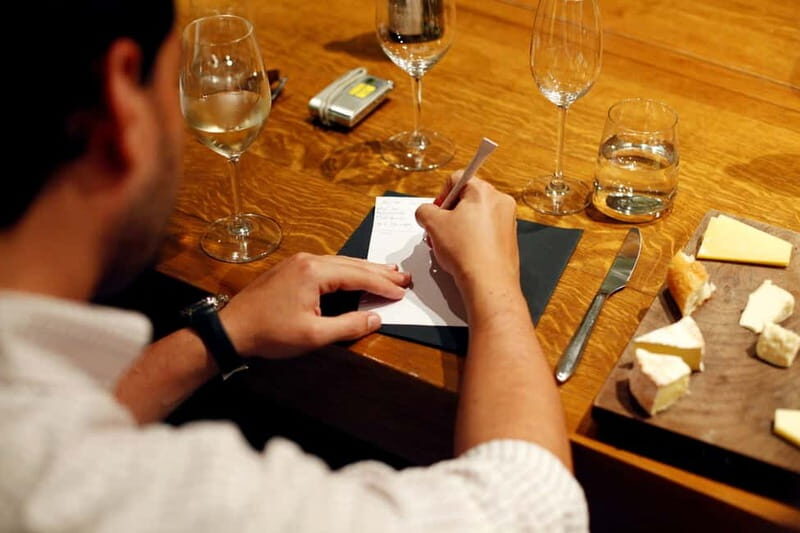
A central part of the class is learning how to approach a glass. The sommelier walks you through tasting, helping you pay attention to appearance, smell and taste rather than simply deciding that you like or dislike a wine. You can ask basic questions about tannins, sweetness, acidity and the differences you notice between glasses.
That structure can change how you order in a restaurant. Instead of feeling lost in a French wine list, you’ll have a few practical questions to ask and some clues to look for. One host, Kim, has helped participants compare French wines with styles they already knew from California and Italy. The useful takeaway is not a memorized ranking of regions, but a better way to explain what you enjoy.
The session also covers how Champagne is made. That matters because Champagne is not just a general word for sparkling wine: the class gives you a chance to ask what distinguishes it and how it fits into France’s broader wine traditions. The details will depend on the sommelier’s presentation and the questions the group brings.
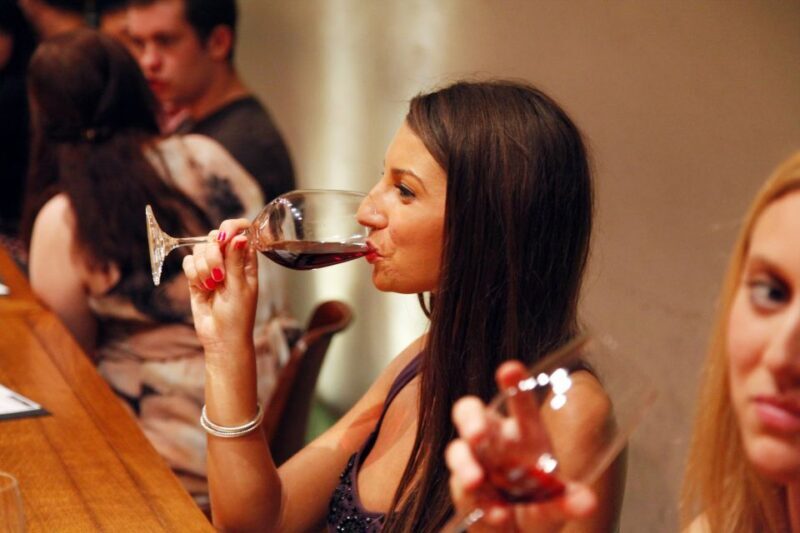
French wine labels can seem like a puzzle when you’re used to choosing wine by grape variety. This class explains how to read them and what clues the label gives you about the wine’s origin. You’ll also hear about terroir, the idea that a place and its growing conditions help shape a wine, and appellation, the system that identifies and regulates particular wine-producing areas.
Those terms can sound abstract until you have wines from different regions in front of you. Tasting as you learn gives the ideas a practical anchor. You can connect a label to a place, then compare the style in your glass with another regional example.
The class also welcomes broader questions about wine trends, grape varieties and ordering in French restaurants. Don’t be shy about asking. The clearest value here is the chance to get answers while the wine is in front of you, not just to hear a polished lecture.
More Great Tours Nearby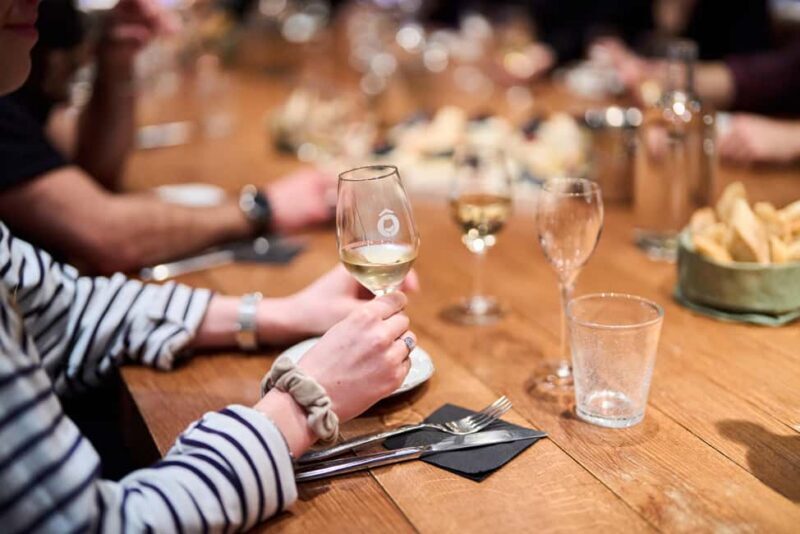
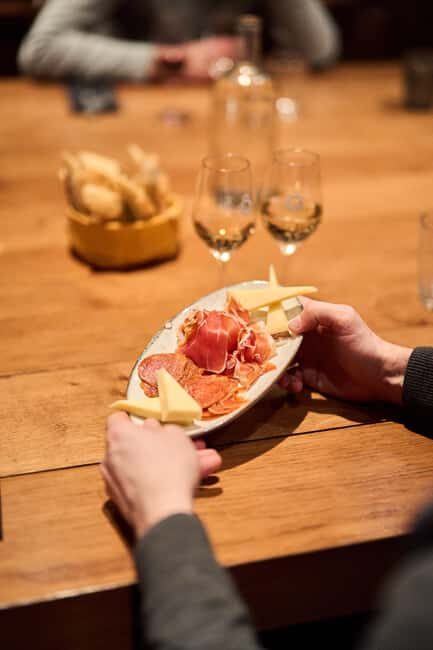
Bread and still water are included. They give you something simple between tastings and help keep the focus on the wine. The cheese or charcuterie platter is optional and costs €15 on site, so it is not part of the $88 base price.
If food pairing is a priority, the extra platter may be worthwhile. The class specifically addresses how food and wine work together, and tasting cheese or charcuterie alongside the wines makes that discussion more concrete. One participant preferred the cheese plate’s selection over the meat-and-cheese combination, but your choice will depend on what you want to eat.
Check what is included when you arrive. The stated package includes bread, but not cheese or charcuterie. That distinction is worth knowing before you decide whether the add-on fits your budget.
Wine enthusiasts might appreciate these other Paris tasting experiences
The sommelier leads the tasting in English, and the teaching style appears to be an important part of the experience. Hosts named by participants include Laury, Paul, Kim, Felicity, Lily, Clement, Jasmine, Pierre and Charlotte. You may meet a different guide on your date, but the class is designed to be informative and lively rather than formal or intimidating.
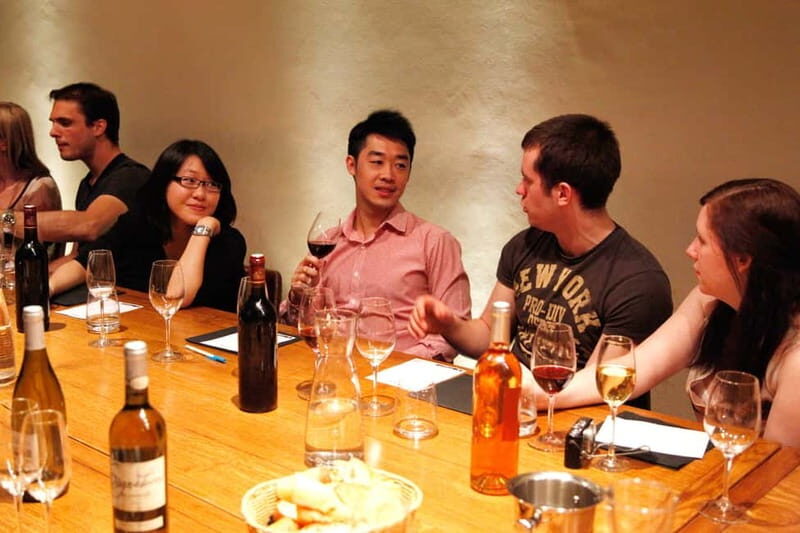
There is room for group participation, and you can bring questions about anything from tannins to restaurant ordering. That makes the class a good fit for beginners, couples, friends and families with adult children. You don’t have to arrive with a wine vocabulary or pretend to know more than you do.
The social format has a downside. A group of around 25 has been reported, and a noisy table can make it difficult to follow the sommelier or speak up. If you care about hearing every detail, arrive ready to focus and ask your questions when the guide pauses. The experience is not described as a private class, so you should expect to share the room and the conversation.
A practical detail from past tastings: glasses may be reused as the group moves from white to red wine. If you prefer a clean glass for each style, ask the sommelier politely. The cellar can also feel warm, so light clothing may be more comfortable.
At $88 per person, you are paying for six tastings, a two-hour English-language lesson and a central, historic setting. Bread and water are included; the €15 platter is extra. If you mainly want a large quantity of wine, this may not be the best use of your money. If you want context that will help you understand French labels and order with more confidence, the instruction is a meaningful part of the price.
The value improves if you’re new to French wine or want to make sense of regional styles before dining around Paris. It is also a handy activity early in a trip: you can use what you learn at restaurants and wine shops for the rest of your stay. If you already know French regions and appellations well, you may find the introductory material familiar, though the cellar and guided tasting can still make for a pleasant evening.
The activity has a 4.8 rating from 550 reviews, which points to a consistently popular experience. Still, the useful question is not whether every pour will be your favorite. It is whether you want a friendly introduction to French wine with a sommelier, rather than a self-guided tasting or a vineyard visit.
Book it if you want a relaxed, guided introduction to French wine in a memorable central setting. It is especially suited to beginners, curious wine drinkers and anyone who wants to feel less at sea when reading a French list. The Champagne, five regional wines and practical label lesson give the two hours a clear purpose.
Think twice if you want an intimate, quiet class, a vineyard excursion or a specific high-end wine lineup. The group setting can limit questions, and the cheese or charcuterie costs extra. For a pre-dinner activity that pairs wine with useful instruction, though, this is a sensible way to spend an evening near the Louvre.
“Great experience, would recommend you anyone visiting Paris whether you’ve tried it before or not. The setting is great, and he guide was pleasan…”
The class lasts two hours, starting at 5pm and finishing at about 7pm.
Meet at 68 Rue Jean-Jacques Rousseau in Paris’s 1st arrondissement. It is about a six-minute walk from the Louvre.
Louvre-Rivoli on Line 1 and Étienne Marcel on Line 4 are the suggested stations.
The tasting includes one Champagne and five French wines, with the selection representing French wine regions.
Yes. The live sommelier presentation is in English.
Bread and still water are included. Cheese or charcuterie can be added for €15 on site.
The class covers how to taste wine, read French wine and Champagne labels, understand terroir and appellation, and think about food and wine pairings.
You can cancel up to 24 hours in advance for a full refund. The activity also offers a reserve-now, pay-later option.
You can check availability for your dates here: