Physical Address
304 North Cardinal St.
Dorchester Center, MA 02124
Physical Address
304 North Cardinal St.
Dorchester Center, MA 02124

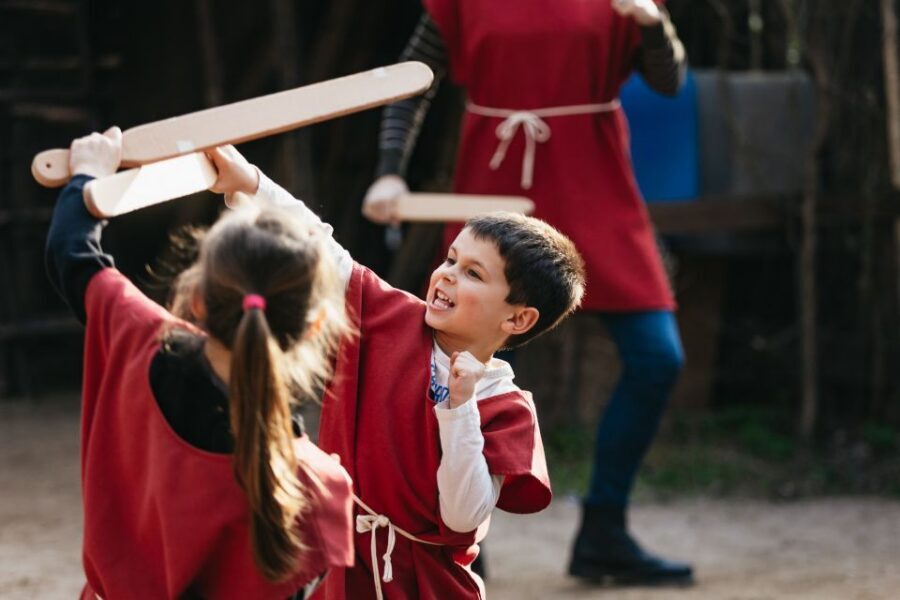
Train with safe swordplay, Roman history, and a final arena battle at Rome’s Gladiator School on the Appian Way.
A Roman history lesson is one thing; learning a few sword moves and facing your family in a mock arena battle is quite another. This two-hour class on the Appian Way pairs a small museum visit with hands-on training, making ancient Rome feel less like a page in a book and more like a story you can act out.
I like the way the class gives you both history and activity, and that adults can join in rather than watch from the sidelines. One thing to plan for: the school is outside the historic center, and the outdoor training can be hot and buggy, so allow time for the bus ride and bring insect repellent.
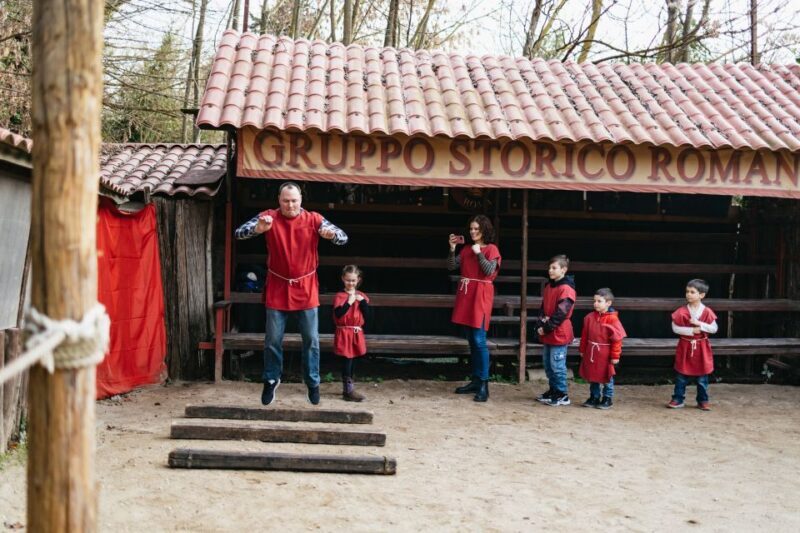

The Gladiator School of Rome is on the Via Appia Antica, or Appian Way, a road that once linked Rome to the south of Italy. The setting gives this activity a welcome sense of place: you are not simply taking a themed class in a shopping district, but spending part of your day in an area tied to ancient Rome.
Getting there takes a little planning. The nearest bus stop is Appia Antica-Travicella, served by lines 118 and 218. Check your route and starting time before you set out, especially if you have timed plans elsewhere in the city. The class lasts two hours and ends back at the meeting point.
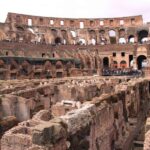
This is a useful change of pace from Rome’s major archaeological sites. At the Colosseum, you look at the remains and imagine the spectacle. Here, you handle training weapons, learn basic movements, and get a more physical sense of the discipline involved. The activity works especially well after a Colosseum visit, when children have questions and are ready to put some of what they have seen into practice.
You might also be interested in these Rome experiences
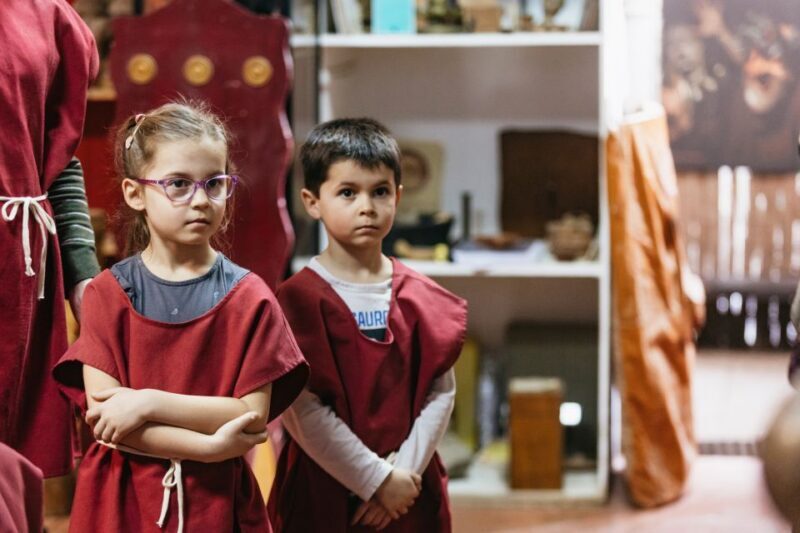
The session begins with an introduction to Roman history and a visit to the school’s museum. It is small, so don’t expect the scale or breadth of a major museum. Its value is in the focused subject matter: objects connected with gladiators and Roman military life give the instructor something tangible to explain before the training begins.
That context helps make the activity more than dress-up and sword swinging. You hear about the lives of gladiators and the weapons they used, while the instructor explains techniques and discipline. One participant described the collection as showing items not often found in regular museums. Think of it as a compact primer rather than a replacement for the Colosseum or Rome’s larger archaeological museums.
The guide matters here. Instructors named in past sessions include Mirko, Sina, Cena, Patriccio, Marko, and Olympus, though you should not assume a particular person will lead your class. The teaching style described across the experience is energetic and patient, with guides able to keep children involved while giving adults historical detail too.
That balance is important for families with a wide age range. A lecture-heavy session could lose younger children before the swords come out. Here, the history is part of an active class, and the instructor can explain a point, demonstrate a move, and bring the group back into the action.
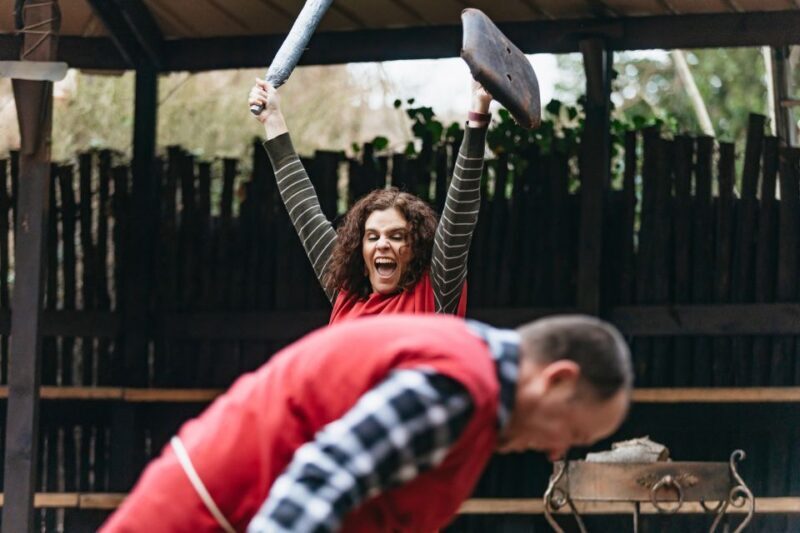
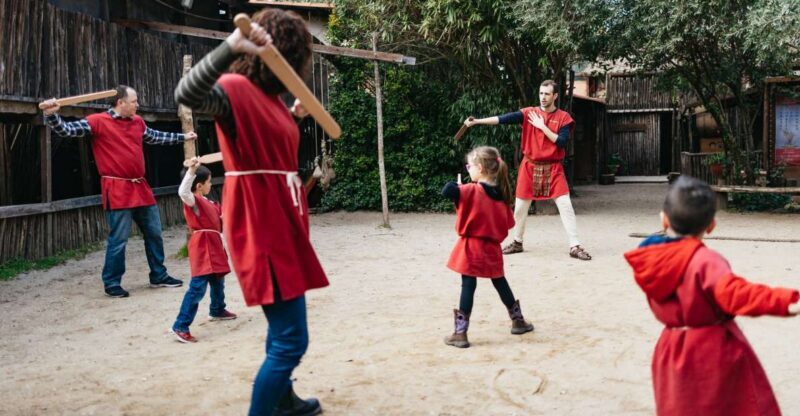
After the introduction, participants put on a gladiator tunic and learn basic sword-fighting techniques. The training is meant to be safe and fun, not a lesson in real combat. Training weapons are used, and one family described the final fight as using foam swords. Expect movement and practice rather than a long lecture about weapons from behind a display case.
The instructor demonstrates techniques and offers tips as you learn. That makes the class accessible even if you have never handled a sword. Children can try the movements, and adults can take part alongside them. Parents or companions who prefer to watch do not need to buy a course ticket, but joining in is a large part of the appeal for many families.
You should expect the group to be lively. The class brings together children and adults, and the final practice gives everyone a chance to use what they have learned. Instructors are described as encouraging and patient, including with excited young participants. That kind of guidance is useful when children are keen to charge straight into battle before learning how to hold a weapon.
The school’s historical angle also helps keep the play grounded. You hear about gladiator life and Roman weapons, not just Hollywood scenes. The class cannot recreate the reality of ancient combat, of course, and it should not be mistaken for a formal history course. Its strength is turning a few historical ideas into an experience you can remember and talk about afterward.

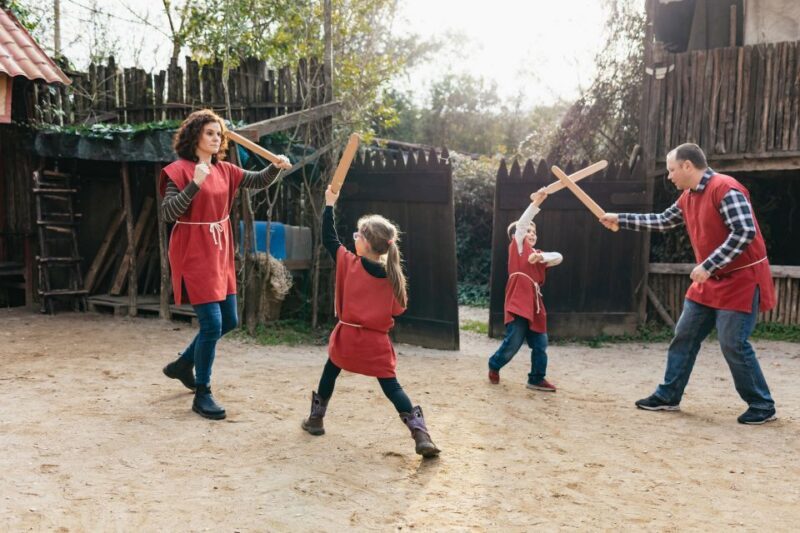
The class builds toward a final mock battle in an arena-style setting. This is the part many families look forward to: participants try their moves against one another, often with parents and children facing off. It gives the training a clear finish and makes the earlier practice feel purposeful.
The battle is playful, with safe weapons, not a reenactment of the violence that took place in Roman arenas. That distinction matters. The goal is to have fun and understand a little more about the skills and spectacle associated with gladiators, not to claim that two hours can reproduce their lives.
For children, the fight can be a memorable way to make Roman history stick. For adults, it is often more fun than standing around taking photos while the kids participate. You may even find yourself competing for bragging rights. The certificate at the end adds a small souvenir of the class, while drinks are included during the activity.
If you are planning a day around ancient Rome, pairing the class with a visit to the Colosseum can make sense. The school gives you an active, playful view of gladiators; the Colosseum offers the monumental setting. One family also paired training with an Underground Colosseum visit, a combination that connected the practice session with the spaces where fighters and animals waited before entering the arena. That is an optional pairing, not part of this class.
More Great Tours Nearby
This is an especially strong choice for families with children who enjoy stories, role-play, and active experiences. Children as young as five are mentioned as taking part, and reports describe kids from early primary-school age through their teens enjoying the session. The mix of history and movement helps it work for children who might find a conventional museum visit tiring.
It is not only for children. Adults can join the training, take part in the final battle, or watch without purchasing a course ticket. Families spanning several generations have taken part together, making this a good option when you want an activity that does not split the group into spectators and participants.
History fans can also get something out of the class, particularly if they want to hear about gladiators and Roman soldiers in a more direct, informal setting. But if you are looking for a detailed academic lecture, a large museum collection, or a quiet tour, this is not the right fit. The experience is active and designed to be entertaining.
The school is wheelchair accessible, according to the activity details. If you have specific access needs, check with the provider before booking so you can confirm what the training involves for your circumstances.
The listed price is $135.94 per person. That is a substantial spend for a two-hour activity, especially if several people in your family plan to train. The value comes from combining the museum visit, historical introduction, guided practice, final battle, drinks, and certificate in one session. It is a better fit for a special family activity than for someone seeking the cheapest way to learn about Roman history.
If only one parent wants to participate, a companion can watch without paying for a course ticket. That can make the outing more manageable for families with younger children, or for adults who would rather take photos than wield a training sword. Check the booking details for the current price and starting times, since availability varies.
The class is outdoors in part, and hot weather can make physical activity more tiring. Bring insect repellent: mosquitoes have been a nuisance for some participants. Water and drinks are included, and the training area has been described as having shady spots, but sensible sun protection and comfortable clothing are still wise.
Booking terms include free cancellation up to 24 hours before the activity, with a full refund, and a reserve-now, pay-later option. The instructor teaches in English or Italian. Confirm your preferred language and the available start time when checking dates.
Book this if you want an active, family-friendly way to add a little Roman history to your trip. The best reasons are the combination of a focused museum visit and hands-on sword training, plus the chance for adults and children to join the same activity. The final battle gives the class a lively finish, and the certificate makes a simple keepsake.
Think twice if your priority is a quiet, in-depth history tour, or if the price feels steep for a two-hour class. For many families, though, this is the kind of activity that breaks up a run of ruins and museums with something everyone can do together. Plan the Appian Way trip, bring repellent, and be ready to take your mock battle seriously.
“Wow! I was definitely in the fence about booking this tour. I have two young teenage boys, and I was very afraid it would be too cheesy or “kiddi…”
The activity lasts two hours. Starting times depend on availability.
Meet your instructor at the Gladiator School of Rome on the Appian Way. The activity ends back at the same meeting point.
The nearest stop is Appia Antica-Travicella, served by bus lines 118 and 218.
Both adults and children can take part in the training. Parents or companions who do not attend the course do not need to buy a ticket.
The activity includes the museum visit, gladiator training, drinks, and a certificate.
Instruction is available in English and Italian.
Yes, the activity is listed as wheelchair accessible.
You can cancel up to 24 hours in advance for a full refund.
Yes. You can reserve a place and pay later.
You can check availability for your dates here: