Physical Address
304 North Cardinal St.
Dorchester Center, MA 02124
Physical Address
304 North Cardinal St.
Dorchester Center, MA 02124

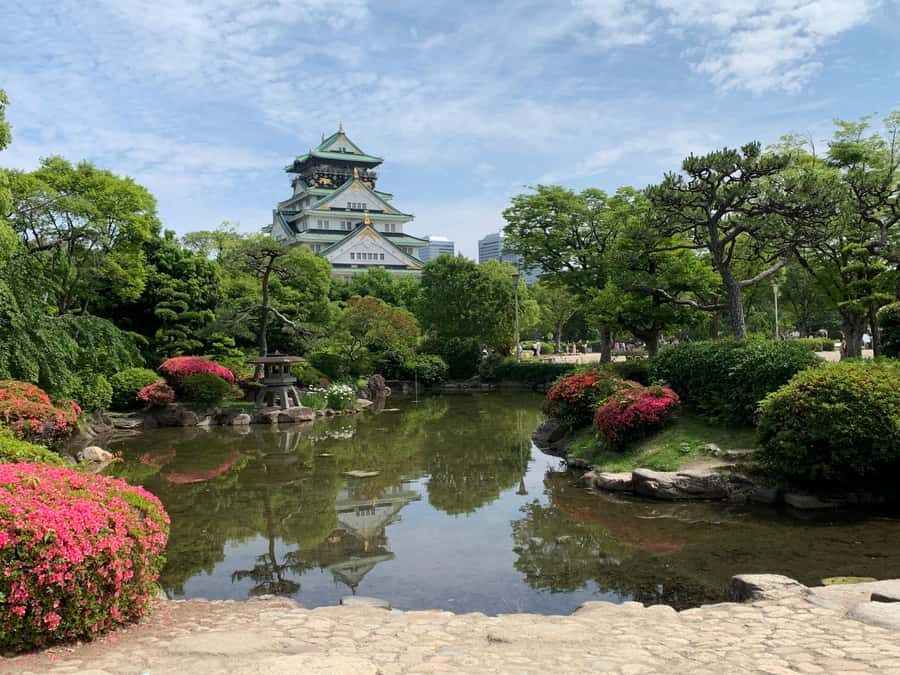
See Osaka Castle, Tsutenkaku, and Dotonbori on a four-hour walking tour with a local English-speaking guide and two metro rides.
Osaka’s appeal comes into focus when you connect its samurai-era stronghold with its street-food lanes and neon-lit entertainment district. This four-hour walking tour links Osaka Castle, Tsutenkaku, and Dotonbori by foot and metro, giving you a useful first look at a city that can feel sprawling on your own.
I like two things in particular: the castle tower ticket is included, and the subway rides show you how people move around the city between its far-flung sights. Guides such as Miki, Aika, and Toshiki are often praised for sharing history in a friendly, accessible way and offering local food suggestions.
The main trade-off is the distance. Expect almost 10 kilometers of walking, with little time to sit down, and bring comfortable shoes. The tour runs in rain, so pack an umbrella or raincoat if the forecast looks unsettled.
At $58 per person, this tour gives you a guided introduction to several parts of Osaka in one half-day. You start near the castle, travel south by metro, then finish in the Namba area, close to Dotonbori’s famous Glico sign and Ebisubashi Bridge.
That breadth is the point. Osaka’s major sights are not all clustered together, and the metro transfers help you cover more ground than a single-neighborhood walk could. Along the way, a local English-speaking guide provides context about the city’s history and daily life, helps with photos, and can suggest places to eat after the tour.
I see this as a strong choice for your first day in Osaka, especially if you want an overview before deciding where to spend more time. It will not give you a leisurely visit to every stop. Instead, it connects the main sights and gives you enough background to return to the places that catch your interest.
You can check availability for your dates here: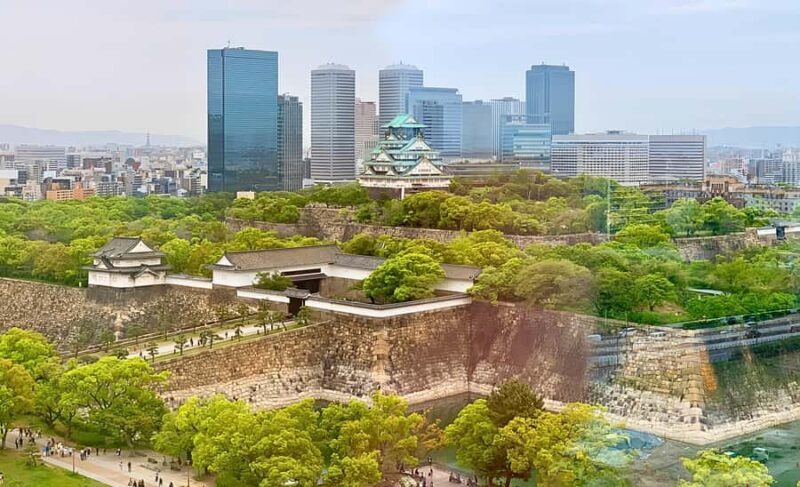
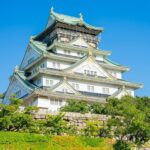
The meeting point is in front of a 7-Eleven near Exit 1B of Tanimachi 4-chome Station. Look for your guide’s bright fluorescent green band attached to their bag. The route begins at Hokoku Shrine, followed by about 80 minutes at Osaka Castle, the longest stop of the day.
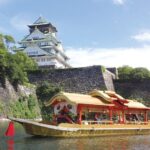
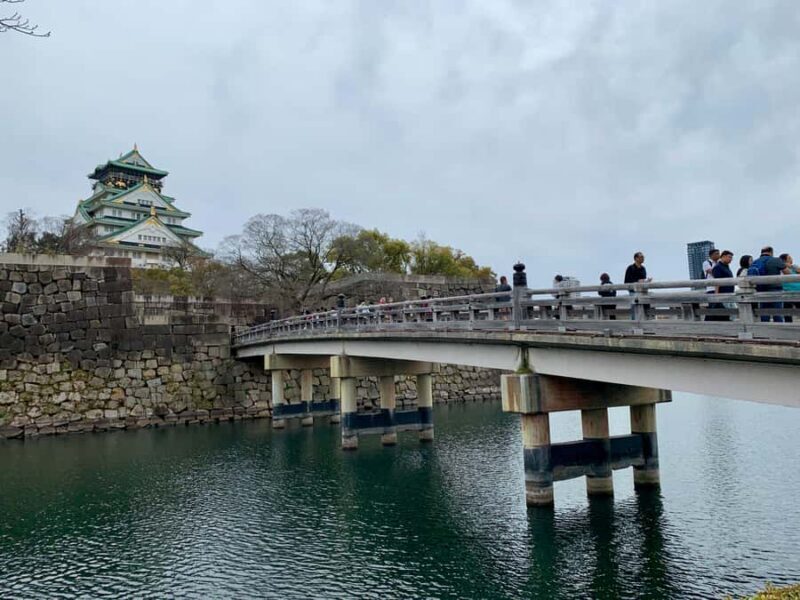
At the shrine and castle grounds, your guide sets the scene with stories of samurai warlords, Japan’s unification, and Osaka’s growth as a merchant city. That context helps make the castle more than a handsome structure against a moat and green grounds. You get a sense of how political power and commerce shaped the city.
The included admission gets you into the castle’s main tower. Inside, exhibits cover Japanese history, and an observation deck offers panoramic views. The tower is a major attraction, so having admission included and skipping the ticket line saves you one practical task. Still, an 80-minute visit is a brisk introduction, not an in-depth museum visit. If the castle is your chief interest, you may want to return independently for more time.
If you enjoy exploring Osaka on foot, these walking tours might also suit your style
After the castle, you take a short metro ride south. There are two train rides in total, about 10 minutes each, and the fare is ¥430, paid separately. A JR Pass does not cover these rides because the tour uses Osaka Metro.
I like this part of the route because it makes the city’s scale tangible. You are not simply being carried between attractions on a tour bus. You use everyday public transport, with the guide helping the group navigate the journey. One visitor described getting help buying subway tickets, a useful touch if you are still finding your feet with local transit.
The train fare is modest, but remember to include it in your budget. The tour price covers the guide and castle tower admission, not transport or food.
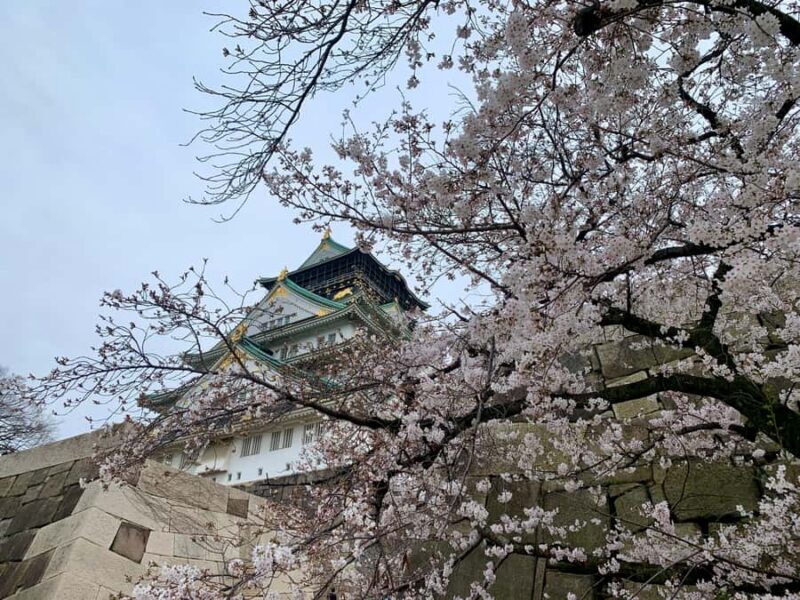
The southern route includes a short stop at Tennoji Park and a photo stop at Abeno Harukas 300. The schedule allows about 15 minutes for the park and 10 minutes at the high-rise, so think of these as quick orientation stops rather than extended visits.
This section offers a change of pace from castle grounds and older streets. Abeno Harukas gives you a modern city landmark to photograph, while the Tennoji area helps show another side of Osaka beyond the best-known tourist districts. One guide has been praised for bringing the group through this less expected part of the city, which can be a useful bonus if you have limited time.
The brief timing is the limitation. You will not have a long pause to explore the park or visit the building’s interior on this tour. The emphasis is on seeing how the parts of the city fit together.
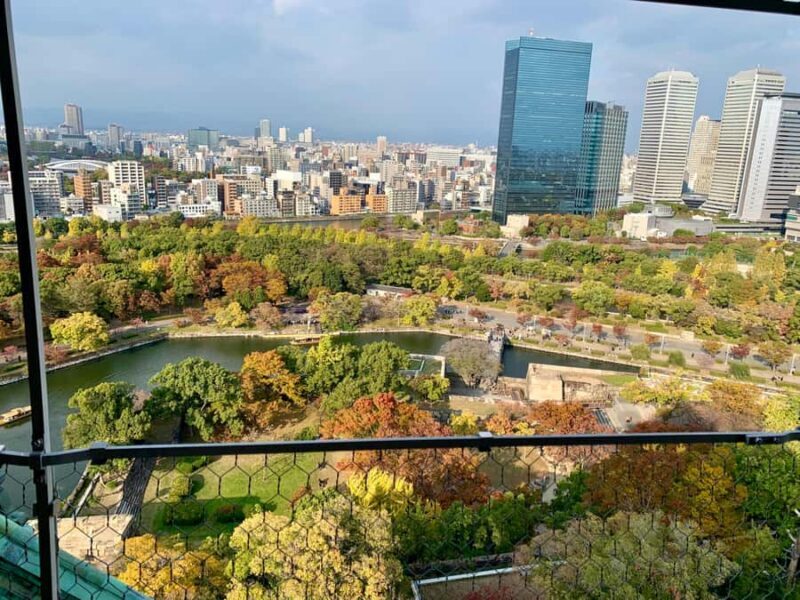
From Tennoji, the tour continues into Shinsekai, with about 20 minutes in the district and 10 minutes near Tsutenkaku Tower. Your view of the tower is from outside; entrance to the tower is not listed as part of the experience. The guide explains the area’s background and its place in Osaka’s culture.
Shinsekai’s streets have a nostalgic feel, and the contrast with the castle district is part of the fun. Here the city’s old entertainment-quarter character comes through in signs, small shops, and local food spots. The schedule also includes Janjanyokocho Nanyodori-shotengai, a covered shopping street where you can get a closer look at neighborhood commerce.
These are short visits, so you have time to take in the atmosphere and ask questions, but not to linger over a meal or shop at length. Your guide can point out food options such as takoyaki and kushikatsu, but food is not included in the tour price. Save your appetite and return after the tour if a recommendation catches your eye.
More Great Tours Nearby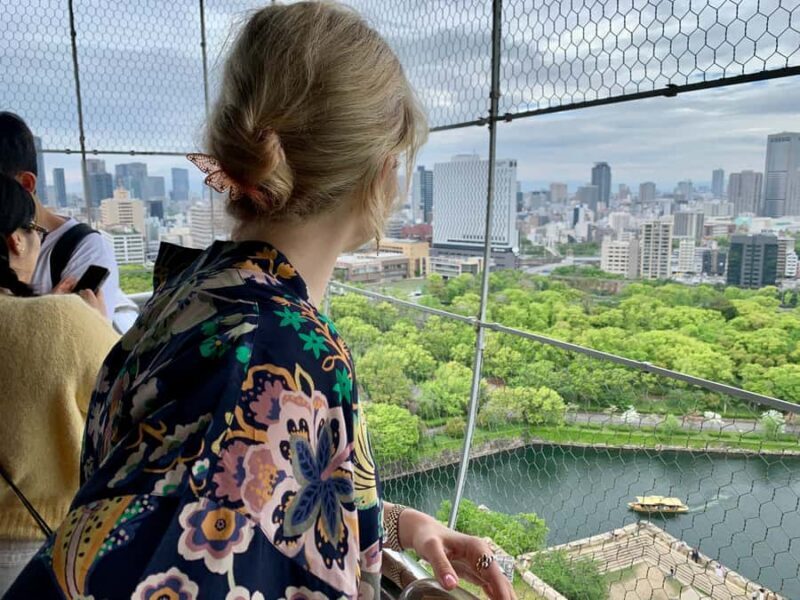
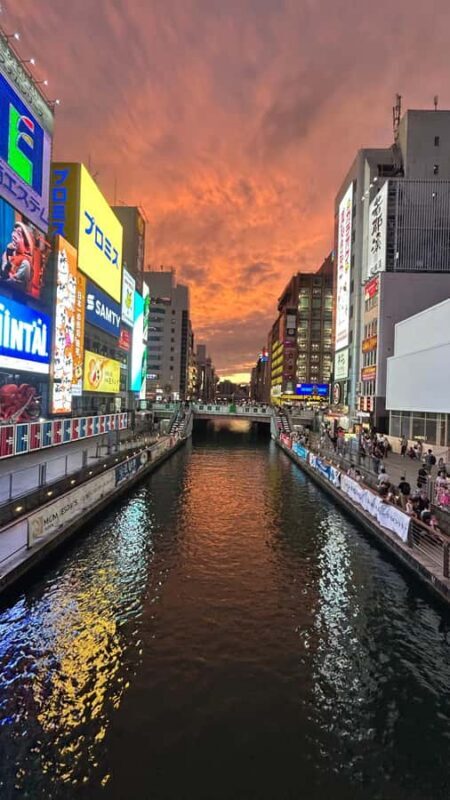
A second metro ride takes the group to Namba, where the route shifts into the busy center of modern Osaka. You walk through shopping streets and arcades before reaching Dotonbori, the city’s best-known entertainment district. Plan on about 15 minutes in Namba and 20 minutes in Dotonbori, followed by stops in the nearby lanes.
The Glico sign is a familiar photo stop, but the guide helps put the surrounding district in context. Osaka’s reputation as Japan’s kitchen makes sense here, where food is part of the street scene and local identity. Guides often offer suggestions for where to try takoyaki or kushikatsu after the walk. Those recommendations may be as useful as the sightseeing, especially if you are still working out where to eat.
The route also visits Hōzenji Temple, Hozenji Yokocho, and Ukiyo Koji. Hōzenji’s moss-covered statue gives you a quieter moment amid the neon and crowds. Nearby Hozenji Yokocho and Ukiyo Koji are narrow lanes that feel more intimate than the main shopping streets. The final stop is Ebisubashi Bridge, near the Glico sign, where the tour ends.
This closing stretch is one of the best reasons to take the route with a guide. Dotonbori is easy to find, but its smaller lanes are easier to miss when you are focused on the big signs and crowds. You get a quick introduction to both sides of the district, then can stay behind to explore at your own pace.
If you prefer having a local expert, these guided Osaka experiences could work well
The guides are central to the experience. Visitors consistently describe Miki, Aika, and Toshiki, also called Toshi, as friendly and clear in their explanations. Other guides named include Aiki, Satoshi, Yuya, and Edward. Your guide will depend on the departure, so do not book expecting a particular person.
The most useful guide traits are practical as well as personal. A good guide can explain castle history without burying you in dates, help the group stay together, give advice on train transfers, and point out places you might not notice alone. Some guides adapt the pace or route to the group, and one helped a participant with mobility needs get around. That does not change the tour’s stated suitability limits, but it reflects the value of communicating your needs before you set out.
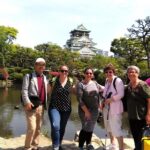
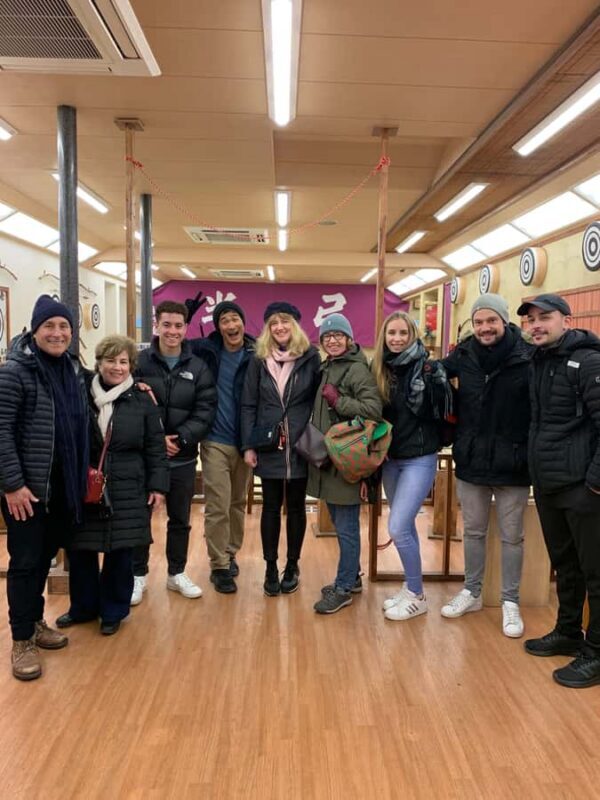
Photo help is included too. If you are traveling with a group, that means you can get a picture together rather than taking turns behind the camera.
At $58, the price is reasonable for four hours with an English-speaking guide, entry to Osaka Castle’s main tower, and a route through several major districts. Add ¥430 for the two metro trips, plus anything you choose to eat or drink. The real value is not just the number of stops. It is the history and local context that help the city make sense, along with a route that would take more planning to link on your own.
The trade-off is speed. Nearly 10 kilometers of walking in four hours is a substantial outing, even though the tour breaks the route into stops and uses the metro between districts. Wear comfortable shoes, bring water, and be ready to keep moving. The tour continues in rainy weather, so pack a raincoat or umbrella.
This experience is not suitable for children under six, people with mobility impairments, wheelchair users, or people over 75. Oversize luggage, baby strollers, and electric wheelchairs are not allowed. If any part of the route may be difficult for you, check the details with the operator before booking.
The tour is especially useful if you are new to Osaka, short on time, or keen to combine history with neighborhood life. If you prefer slow museum visits, long meal breaks, or a route focused on just one district, you may be happier exploring independently.
Book it if you want a well-rounded first look at Osaka, can manage a long walk, and like having a local guide connect the castle, Shinsekai, Tennoji, and Namba. The included castle tower admission and metro-based route make it a practical way to cover ground and get oriented.
Skip it if you want a relaxed pace or need step-free access. For everyone else, this is a useful introduction, with enough local detail to help you make better plans for the rest of your stay.
“This was such a good walking tour. Our tour guide Miki was very knowledgeable as was Toshi. Both were extremely personable and made sure we stuck t…”
The tour lasts four hours. The route includes nearly 10 kilometers of walking, as well as two short metro rides.
The price includes a local English-speaking guide, admission to Osaka Castle’s main tower, and help taking group photos. Food and metro fares are not included.
The two Osaka Metro rides cost ¥430 in total, listed as ¥190 and ¥240. A JR Pass cannot be used for these rides.
No. The tour visits the area and views Tsutenkaku Tower from outside. Entrance to the tower is not included.
Meet in front of the 7-Eleven by Exit 1B of Tanimachi 4-chome Station. Look for a guide with a bright fluorescent green band attached to their bag.
No food is included. Your guide can recommend local places and Osaka specialties such as takoyaki and kushikatsu.
Yes. The tour proceeds in rainy weather. Bring a raincoat or umbrella if rain is forecast.
No. It is not suitable for wheelchair users or people with mobility impairments. Children under six and people over 75 are also listed as unsuitable for the activity.
You can check availability for your dates here: