Physical Address
304 North Cardinal St.
Dorchester Center, MA 02124
Physical Address
304 North Cardinal St.
Dorchester Center, MA 02124

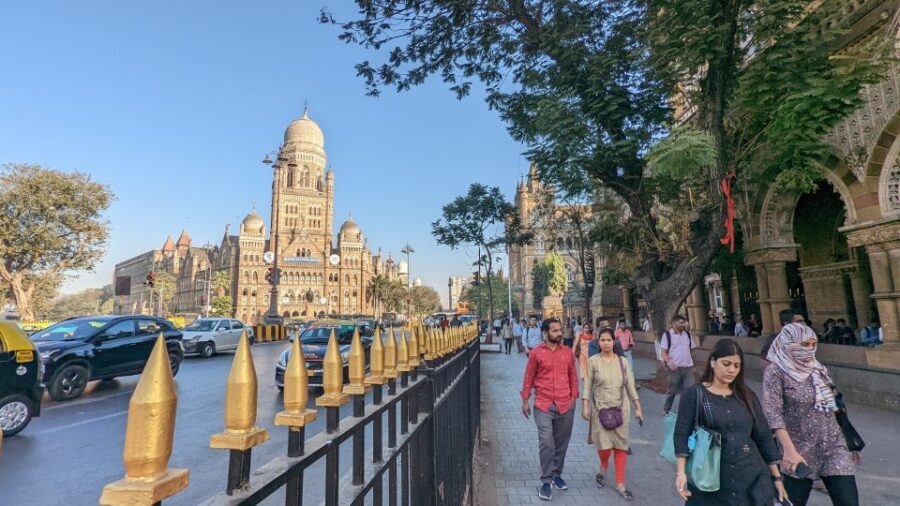
Walk Dharavi with a local guide, enter Mumbai’s Dhobi Ghat laundry, ride the local train and see how Dabbawallas sort lunchboxes.
Dharavi is not a place you can understand from a passing view of its narrow lanes. A local guide leads you through working and residential areas, then connects what you have seen to the vast Dhobi Ghat laundry and the Dabbawallas’ lunchbox system. The result is a closer look at the city’s daily rhythms, not just its postcard landmarks.
I like two things especially: guides with personal ties to Dharavi can explain the community in human terms, and the train rides link three very different parts of Mumbai in one outing. The main consideration is that this is a walking tour through busy, close-set streets, and photography is not allowed inside Dharavi. The Dabbawallas also do not operate on Sundays or public holidays.
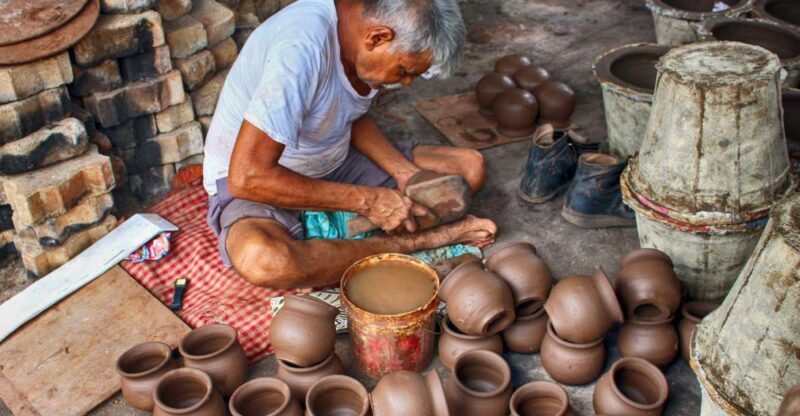
Dharavi is often reduced to a label, which tells you little about the people who live and work there. On this tour, you walk through parts of the neighborhood with a guide who can explain its businesses, crafts and daily routines. Guides who live in or have close ties to Dharavi can add context that is hard to get from simply following a map through the lanes.
That local perspective matters. You are not just looking at buildings: you are learning how work and home life fit together in a dense urban community. Guides have explained the industries, local skills and the practical realities of healthcare, education and housing. Those subjects make the walk more thoughtful, and they help counter the easy assumption that Dharavi is only a place of deprivation.
The tour is described as respectful, and its no-photography rule inside Dharavi is an important part of that approach. Keep your camera put away in the neighborhood, and follow your guide’s instructions about where to walk and when to pause. The aim is to learn about a community, not turn its residents into a backdrop.
The walk lasts about 100 minutes, making it the longest stop on the route. Expect narrow lanes and a close look at working and residential areas, rather than a broad, open sightseeing circuit. If you prefer to observe from a vehicle, or feel uncomfortable walking through a lived-in neighborhood, this may not be the right fit.
Looking for more options in Mumbai? Here are some other experiences worth considering.
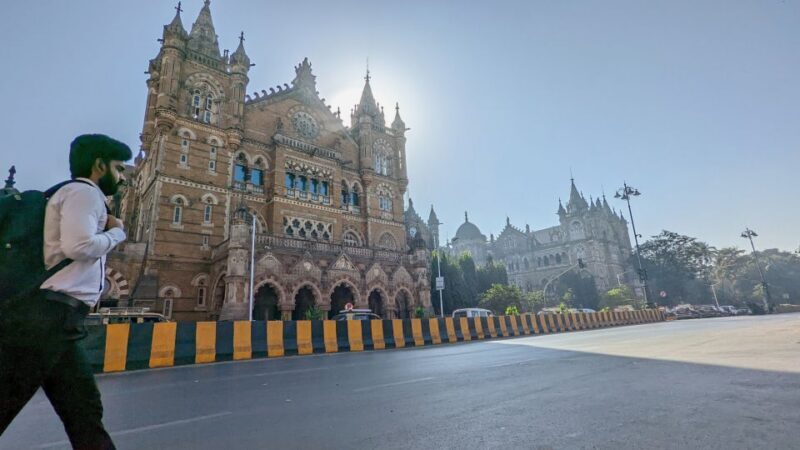
The route uses Mumbai’s public trains to connect the stops. One listed ride takes about 20 minutes on the way to Dharavi, and another takes about 15 minutes after Dhobi Ghat. These are short trips, but they add something useful: you experience the city’s everyday transport system instead of spending the whole tour in a private vehicle.
The train is also a practical choice in a city where traffic can slow road journeys. You’ll need to stay close to your guide and pay attention when boarding and getting off. Train platforms and carriages can be crowded, particularly at busy times, so people who dislike packed public transport should factor that in.
The operator lists transport as included, and the stated route uses trains. One account of the tour also describes a shared cab, so if the exact transport arrangement matters to you, check the details for your chosen departure. The meeting point can vary by booking option, and hotel pickup and drop-off are not included.
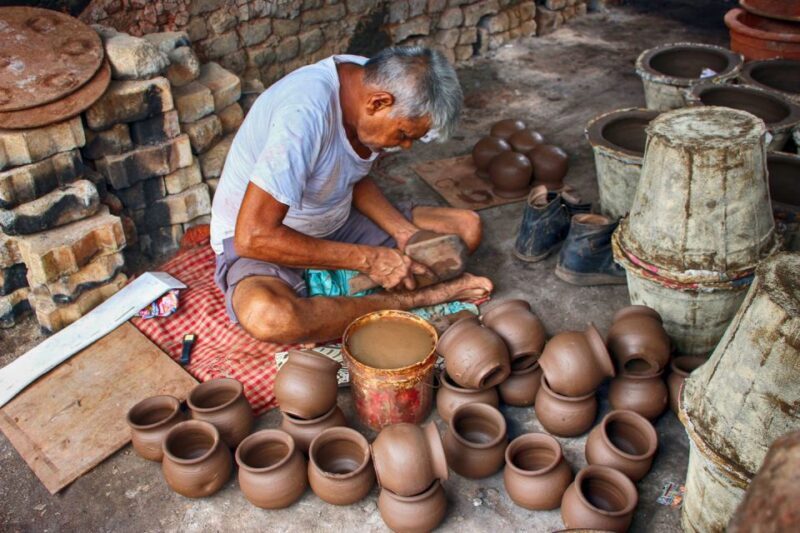
The Dharavi walk is the heart of the tour. You follow your guide through the neighborhood, stopping to learn about local work and the people who keep it going. Guides have introduced visitors to craftspeople and explained the area’s economic activity, as well as the everyday challenges and strengths of community life.
Names often praised for their guiding include Loki, Maze, Bharti, Ganesh, Alam and Dawood. Your guide will depend on the date and group, so don’t book on the assumption that you’ll get a particular person. What matters most is the local knowledge and the ability to answer questions clearly. Several guides have been described as warm and attentive, with a knack for making a sensitive subject easier to discuss without flattening it into a simple story.
The walk is guided rather than independent. That is a real benefit here: a guide can help you understand what you are seeing and keep the group moving through a complex neighborhood. At the same time, you should arrive ready to listen and observe, not to treat every lane as a photo opportunity. No photography inside Dharavi is allowed.
It’s a compact, active visit. You’ll be on your feet for much of the 100-minute walk, and the narrow streets may feel crowded. Bring a sun hat, as recommended, and wear something comfortable for walking. The tour is not suitable for children under four or pregnant women.
Dhobi Ghat is Mumbai’s famous open-air laundry, and this tour takes you inside rather than leaving you to view it from outside. The visit is around 20 minutes, with a guide walking you through the laundry and explaining how the work is carried out.
It’s a sharp contrast with Dharavi. Instead of moving through a mix of residential lanes and businesses, you focus on one large working site and its laundry process. Seeing the operation at close range makes this a useful stop for understanding the labor behind a service that can otherwise seem invisible to visitors.
Treat it as a brief, focused visit, not a long museum-style stop. You’ll have time to look and hear an explanation, but the schedule also needs to connect with the train and the final stop. As elsewhere, keep an eye on your group and follow the guide’s directions around working areas.
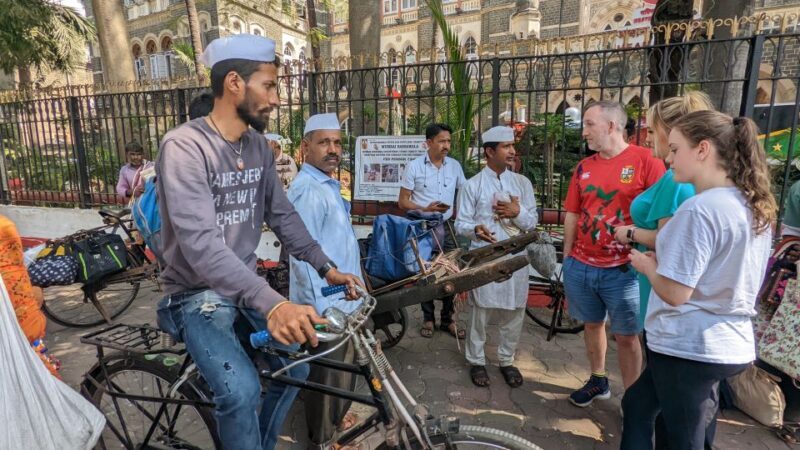
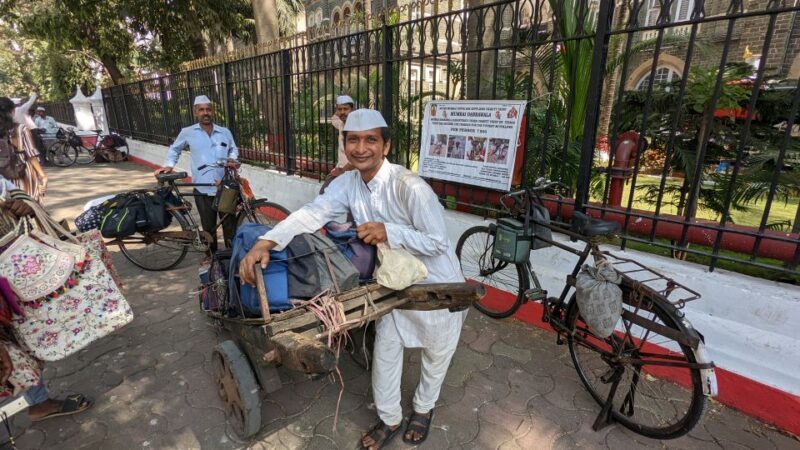
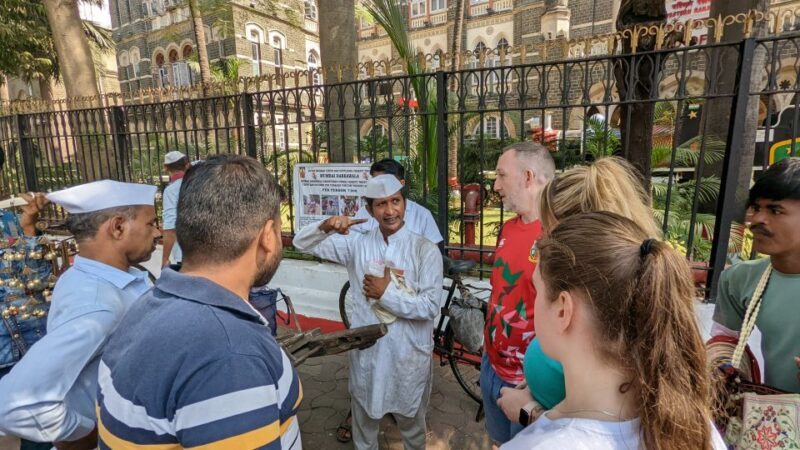
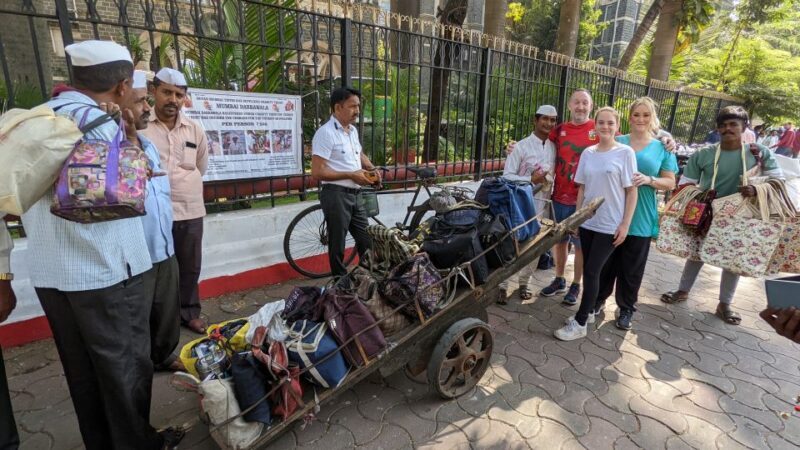
More Great Tours NearbyThe final stop is near Churchgate Railway Station, where you can see the Dabbawallas, Mumbai’s lunchbox delivery workers, in action. Your guide explains how they organize the collection and delivery of lunchboxes. It’s an unusual piece of the city’s working life, and a good counterpoint to the industries and routines you have just seen elsewhere.
This part of the tour depends on the day. Dabbawallas do not operate on Sundays or public holidays, so you will miss this stop if your tour falls on one of those days. If seeing them is a priority, check your date before booking and be sure the tour is scheduled on an operating day.
The visit is listed at about 10 minutes. That is enough for a short look and an explanation, but not an extended encounter. The Dabbawallas are going about their work, so approach the stop as an opportunity to observe a real system in motion rather than a performance arranged for the group.
At $14 per person, this is an unusually affordable way to combine three very different parts of Mumbai with local transport and a guide. The price includes the guide, transport, the Dharavi tour, an inside visit to Dhobi Ghat and the Dabbawalla stop when it operates. You’re getting more than a short walk through one area: the guide connects the sites and helps explain what each reveals about the city.
The value depends in part on what you want from the day. If your priority is seeing headline landmarks such as the Gateway of India, this is not that tour. It focuses instead on work, community and daily systems, and its strongest feature is the local interpretation. A guide with personal knowledge of Dharavi can make a major difference to how much you take away.
The tour runs about three to four-and-a-half hours, depending on the selected option. That range is worth noting if you have a tight schedule. Availability and starting times vary, and the meeting point may vary by booking option. A guide speaks English, and private or small-group options are available, so you can choose a format that suits your preference when booking.
This is a walking and public-transport outing, not a door-to-door excursion. Make your way to the meeting point for your chosen option, and plan your own return from one of the listed drop-off points. These include Churchgate, Churchgate Railway Station and Mahalaxmi Station, with other listed drop-offs near Ballard Pier, Alexandra Dock and Green Gate.
Bring a sun hat and wear comfortable footwear for the walking portions. Keep your camera available for the parts of Mumbai where photography is allowed, but put it away inside Dharavi. The distinction is simple and important: photography is permitted elsewhere on the tour, but not inside the neighborhood.
If you’re choosing a departure mainly for the Dabbawallas, avoid Sundays and public holidays. If the train is a concern, keep in mind that it is part of the stated route and can be busy. The tour is not suitable for children under four or pregnant women. Free cancellation up to 24 hours before the activity and a reserve-now, pay-later option are offered, which can help if your plans are still taking shape.
I’d choose this tour if you want a grounded look at Mumbai beyond its major sights, and you’re comfortable walking through active neighborhoods and using public transport. It is especially well suited to curious visitors who want to ask questions and hear how local industries and daily routines work. The guide’s personal knowledge is the reason to book, not simply the number of stops.
It may not suit you if you need a quiet, spacious outing, want extensive free time at each place, or are uncomfortable visiting a residential community. The photography restriction is worth taking seriously, and the Dabbawalla stop is not available every day. If those conditions work for you, this is a strong-value half-day with an unusually useful view of the city.
“Fantastic experience, fantastic local guide with excellent English, who was able to give us a true taste of Mumbai's urban slam. Highly recommended.”
The tour lasts about three to four-and-a-half hours. Check the available starting times for your selected option.
The listed price is $14 per person.
The tour includes a guide, transport, a Dharavi tour, an inside visit to Dhobi Ghat and a visit to see the Dabbawallas in action when they are operating.
No. Hotel pickup and drop-off are not included.
The meeting point may vary depending on the option you book. Check the details for your chosen option before setting out.
Yes. The route includes two train journeys, listed as about 20 minutes and 15 minutes.
No. Photography is not allowed inside Dharavi. It is allowed elsewhere on the tour.
No. The Dabbawallas do not operate on Sundays or public holidays, so they are not part of the itinerary on those days.
It is not suitable for children under four years old.
Yes. Private and small-group options are available.
You can check availability for your dates here: