Physical Address
304 North Cardinal St.
Dorchester Center, MA 02124
Physical Address
304 North Cardinal St.
Dorchester Center, MA 02124

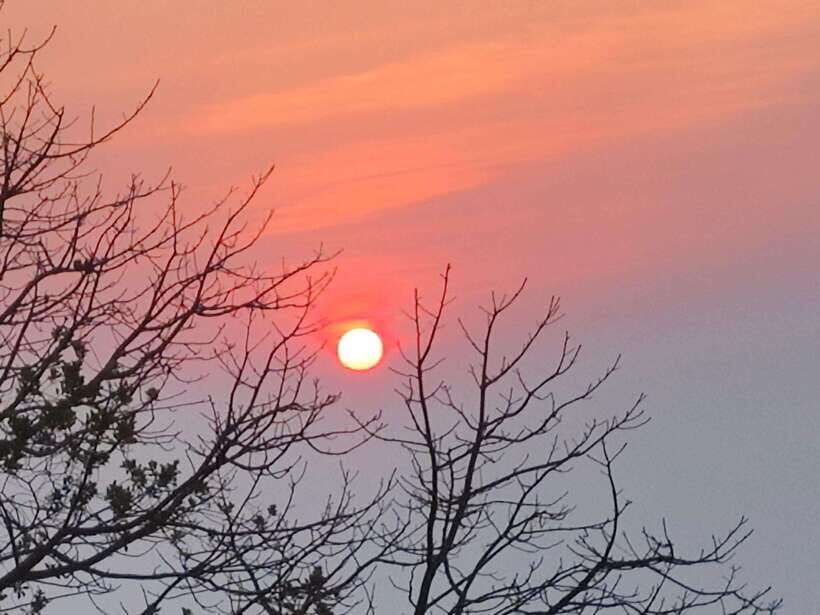
See Doi Suthep at sunrise, join morning chanting and alms giving, then visit two quieter Chiang Mai temples with an ex-monk guide.
At dawn, Wat Phra That Doi Suthep offers more than a fine view over Chiang Mai. You arrive while monks are beginning their morning rituals, with the gold pagoda above the city and temple bells and chanting in the air. This tour lets you join in respectfully, rather than simply arriving later to take photographs.
I like two things in particular: the chance to learn from a guide who has lived as a monk, and the thoughtful mix of three very different temples. Guides such as James, Tu, Non, and Blue have helped visitors understand Buddhist customs as well as the places themselves. One consideration: the 5 a.m. pickup is early, and the meditation may be brief or unavailable on a monk’s holy day.
Pickup is around 5 a.m. from one of three central Chiang Mai meeting points: Hotel M near Tha Phae Gate, the main entrance to Wat Chedi Luang, or Chang Phueak Gate. The exact time is confirmed by message after booking, so leave a WhatsApp number or another contact number that you check.
The trip up the mountain takes about 45 minutes by air-conditioned SUV or van. That early drive is part of the appeal: you reach Doi Suthep before the later crowds, and the cool, dim hours give the morning a quieter feel. The trade-off is simple. You will need a reasonable night’s sleep, and even an enthusiastic guide cannot make a 5 a.m. start feel late.
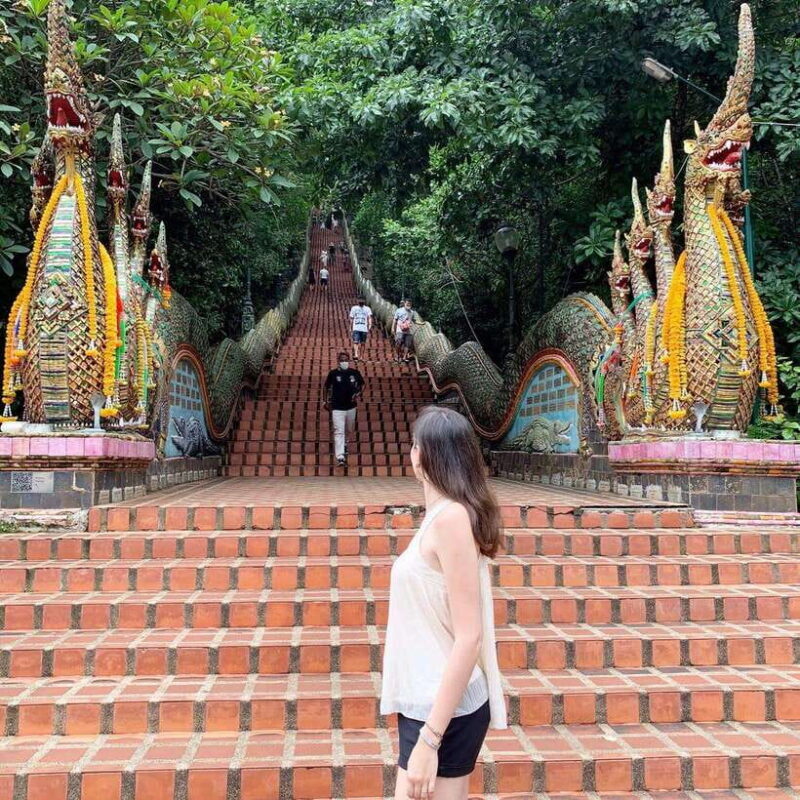
At the temple, there are two ways up: climb the famous 306 steps or take the tram. The stairs are described as manageable, but the tram is a useful choice if you would rather save your legs for the rest of the morning. Wear footwear you can manage on steps and uneven ground.
You might also be interested in these Chiang Mai experiences
The first visit is scheduled for about an hour and a half, followed by a break of roughly 45 minutes. The important part is not just the temple’s appearance. You have time to watch the morning worship, listen to monks chanting and, when the schedule allows, join a short meditation.
The meditation is not a long retreat. One visitor described sitting with the monks for about five minutes, with the rest of the visit spent listening to the guide or walking around the grounds. That is worth knowing if you expect a full meditation class. Think of it instead as a brief introduction, in a meaningful setting, with a former monk available to explain what is happening.
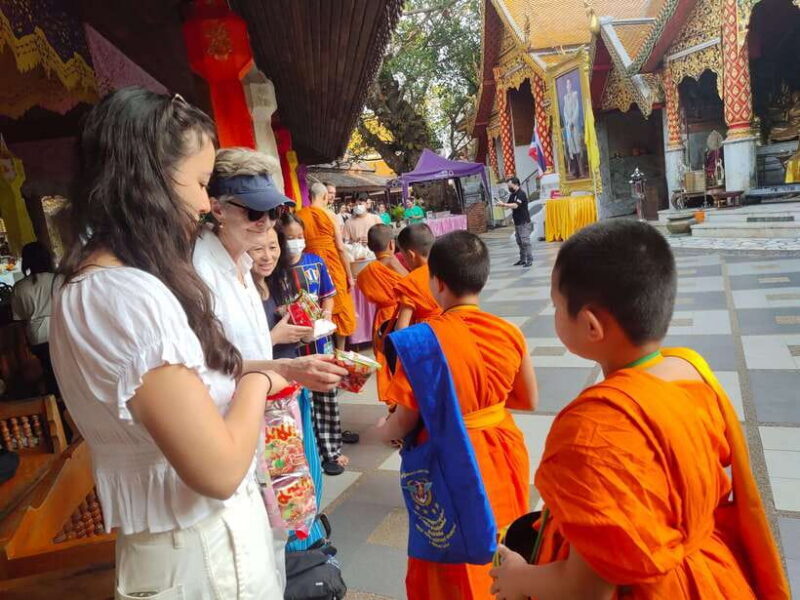
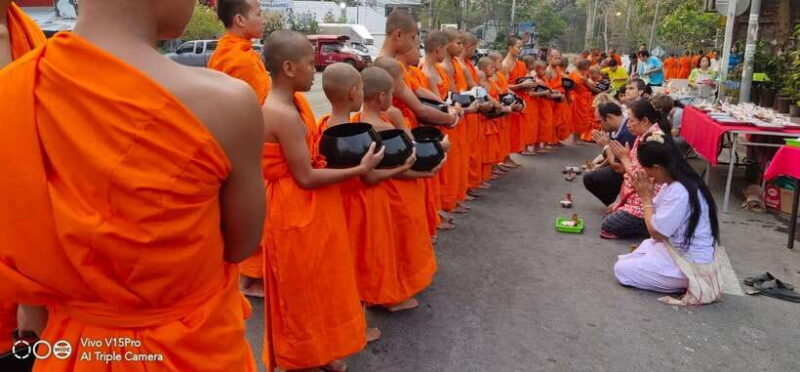
Alms giving is another central part of the morning. The tour provides food for the offering, and the guide explains how to take part in the Thai way. You offer food to the monks and receive a blessing in return. Follow your guide’s instructions and treat the ritual as a religious practice, not a photo opportunity. The guide’s help is especially valuable here, since the right gestures and a little context make participation feel more respectful and less like guesswork.
The schedule can change. If the visit falls on a monks’ holy day, meditation may not take place. That does not necessarily cancel the experience: the sunrise, chanting, temple visit and alms offering remain the heart of the morning, and your guide can still explain the customs and setting.
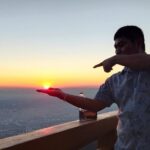
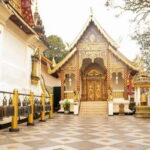
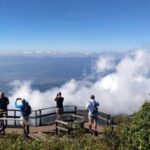
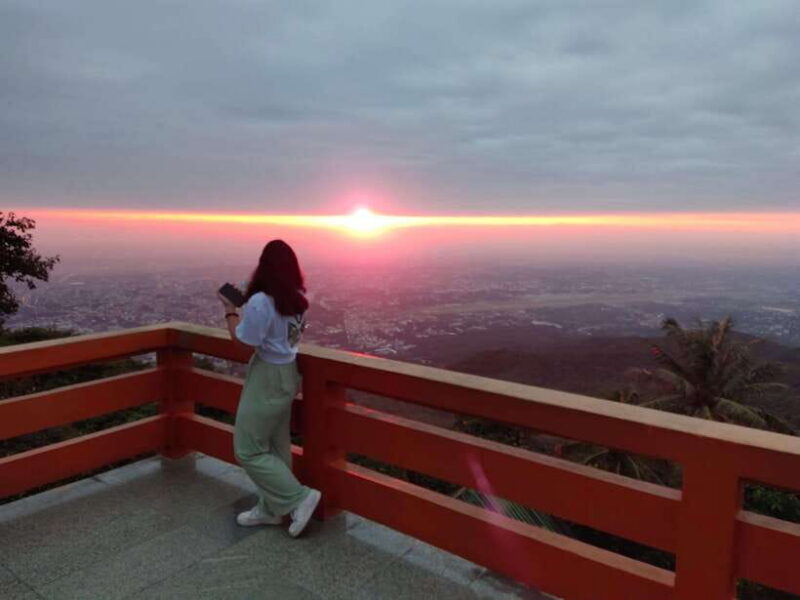
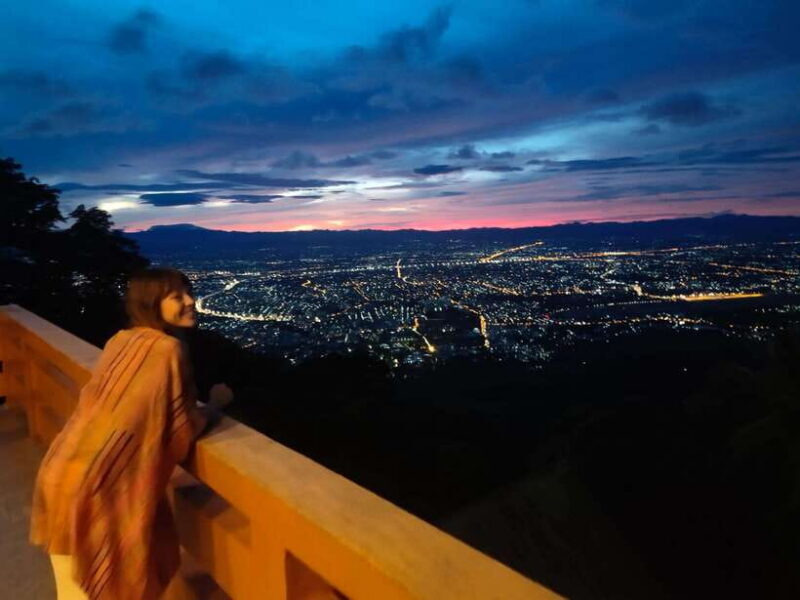
Wat Phra That Doi Suthep is Chiang Mai’s best-known temple and a landmark on the mountain above town. Its gold-covered pagoda catches the early light, while a viewing platform looks across Chiang Mai and the surrounding hills. On a clear morning, watching the city brighten from up here is a strong reason to get out of bed.
The view is weather-dependent, of course. Clouds or rain can soften the sunrise, and the season affects how the morning feels. In the cooler months, particularly December to February, bring a jacket. In the rainy season, July to October, pack an umbrella. A camera is useful, but you do not need to spend the whole visit behind it. Guides often help take photos, leaving you free to pay attention to the scene and the ritual.
Doi Suthep is also a working place of worship, not simply a lookout. The combination of bells, prayers and the first light gives the visit much of its character. Dress modestly: long trousers and a long-sleeved shirt are recommended, and shorts are not allowed. Covering up is a practical sign of respect as well as a condition of entering religious spaces.
After the sunrise visit, breakfast brings the morning back to earth in the best way. A local Chiang Mai dish such as khao soi may be served, though the exact meal can vary. Food is included, along with bottled water in the vehicle. Soft drinks and alcohol are not included.
This stop is more than a convenience after an early start. It gives you a taste of local food and a pause before the next two temples. If you have dietary needs, the details provided do not specify a menu or substitutions, so ask the operator in advance rather than counting on a particular dish.
More Great Tours Nearby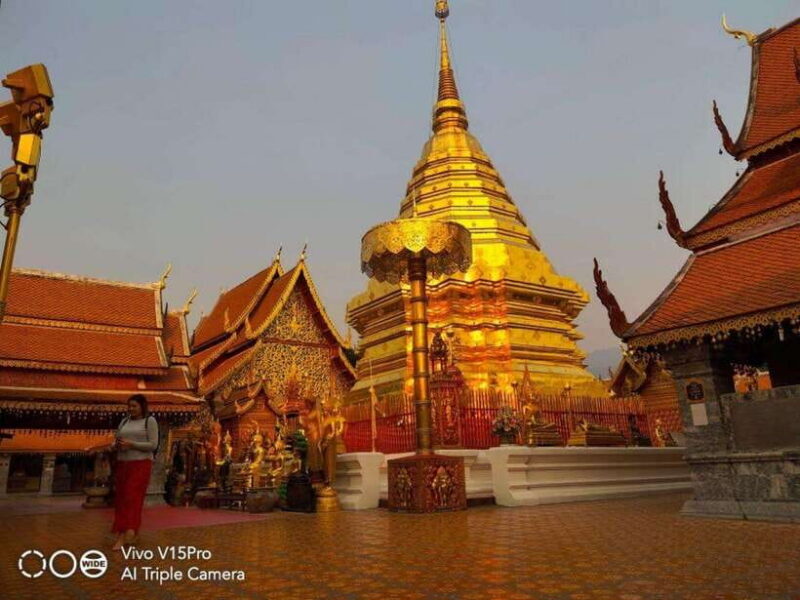
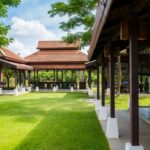
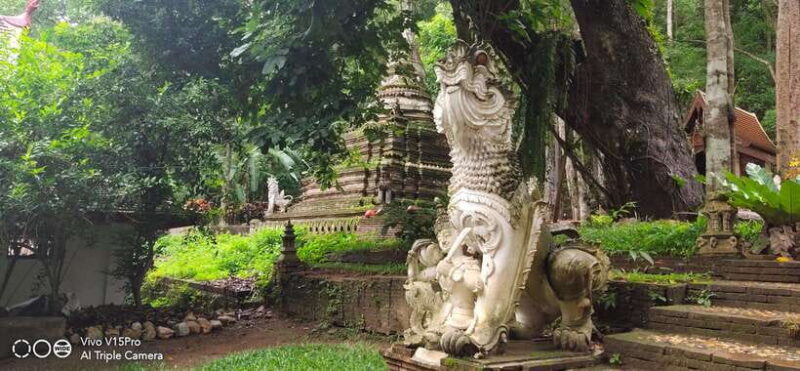
Wat Pha Lat is a marked change from Doi Suthep’s busy, famous shrine. Set among trees, it has a quieter, more secluded feel, with Lanna and Myanmar architectural influences. The contrast is part of what makes the visit worthwhile: you move from a major landmark to a place where the forest and temple structures share the scene.
Plan on about an hour here. That sounds generous, but some people may still want longer to look around, particularly if they are drawn to the peaceful setting. The tour is a sampler of several places, not a long, unhurried stay at each one. You can return later if you want to spend more time at Pha Lat or explore the monk trail independently.
Expect uneven paths and steps. This is not a wheelchair-accessible outing, and the tour is not suitable for wheelchair users. If walking on irregular ground is difficult, consider whether the combination of temple steps and outdoor paths will work for you.
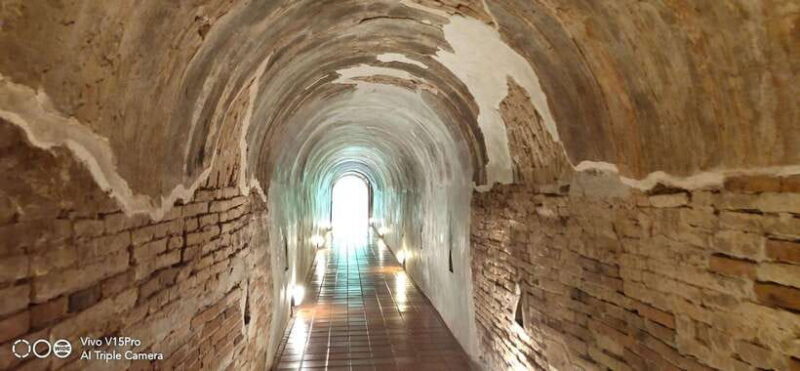
The last temple is Wat Umong, often called the underground temple. Its tunnels make it a different sort of stop from the golden shrine at Doi Suthep and the forest setting at Pha Lat. The tour allows about 40 minutes here, enough for a guided introduction and a look around, but not an extended visit.
The tunnels are associated with the monks who lived in the forest and used them for shelter during the rainy season. Their subdued atmosphere offers a quieter finish to a morning that began with a dramatic view and a public religious ritual. Each temple adds a different angle on Buddhist practice and Chiang Mai’s religious architecture, which is why this three-stop route feels more rounded than a single visit to Doi Suthep.
The guide is a major part of the experience. The English-speaking guides are former monks, with reported periods of ordination ranging from about 8 to 20 years. That background makes it possible to ask about ordinary monastic life, Buddhist precepts and the meaning of the rituals you are seeing, rather than relying only on a quick historical introduction.
Guides named in accounts of the tour include James, Tu, Non, Blue, Tom and others. You cannot choose a particular guide based on the information provided, but the personal background is a defining feature of the outing. Visitors have valued guides who explain customs before an activity, answer questions and keep the group comfortable. Some have also appreciated practical touches such as help with photos and a well-timed route.
There is one fair caveat: English accents and speaking styles can vary. If you miss a point, ask the guide to repeat it. The group is capped at nine participants, which gives the morning a more personal scale than a large coach excursion, though it is still a shared tour rather than a private lesson.
At $59 per person, this is not the cheapest way to visit temples in Chiang Mai. You could reach some sites on your own for less. The price makes more sense if you value the early transport, included admission fees, food for the alms offering, local breakfast and the former monk guide’s explanations. You are paying for access to a carefully timed morning and help taking part in rituals, not just a ride between sights.
Transport, temple admission, breakfast, alms food, an English-speaking guide and bottled water are included. Personal expenses and soft drinks or alcohol are not. The tour lasts about 330 minutes, or five and a half hours, with pickup around 5 a.m. and an approximate return around 10:30 a.m. Pickup and drop-off are offered at the same three central points.
The outing is best for anyone curious about Thai Buddhism, temple customs and local food, especially if you would rather have a guide explain what you are seeing. It also suits early risers who want to see Doi Suthep before the crowds. If you dislike early starts, need a slow pace, or want long stretches of independent time at each temple, the schedule may feel demanding.
Bring a camera, cash, a long-sleeved shirt and long trousers. Add a jacket in December through February and an umbrella in July through October. Do not wear shorts. The morning can feel chilly on the mountain even when the day later warms up.
The tour is not suitable for wheelchair users, people with diabetes or babies under one year. If you have a health concern that could be affected by the early start, walking or meal timing, check with the operator before booking. Free cancellation is available up to 24 hours in advance, and you can reserve now and pay later.
I would book it if you want more than photographs at Doi Suthep. The best reasons are the dawn visit, the chance to take part in alms giving and chanting, and a guide who can speak from personal experience of monastic life. The two smaller temples and local breakfast make the morning feel like a proper introduction to Chiang Mai, not a quick lookout stop.
Skip it if a 5 a.m. start sounds miserable, if you need step-free access, or if you prefer to explore each temple at your own pace. Also go in with realistic expectations: meditation is short and can be omitted on a holy day, and the three visits share a half-day schedule. For the right person, the early alarm buys a rare and thoughtful view of Chiang Mai waking up.
“We enjoyed this experience a lot. Tom, an ex-monk, was an amazing guide. He was very insightful and kind. He brought us to some beautiful places an…”
Pickup is around 5 a.m., with the tour expected to finish around 10:30 a.m. The total duration is about 330 minutes.
The three meeting points are Hotel M near Tha Phae Gate, the main entrance to Wat Chedi Luang and Chang Phueak Gate. Drop-off is available at the same three locations.
Yes. You can choose the tram instead of walking up the 306 steps.
A short meditation is planned at Doi Suthep, but it may not take place on a monks’ holy day. The tour includes other temple activities and a guided explanation of Buddhist customs.
Wear long trousers and a long-sleeved shirt. Shorts are not allowed. Bring a jacket in December to February and an umbrella during the July to October rainy season.
The price includes transport, temple admission fees, an English-speaking former monk guide, food for alms giving, a local breakfast and bottled water in the vehicle. Personal expenses and soft drinks or alcohol are not included.
No. The tour is not suitable for wheelchair users or babies under one year. It is also listed as unsuitable for people with diabetes.
You can check availability for your dates here: