Physical Address
304 North Cardinal St.
Dorchester Center, MA 02124
Physical Address
304 North Cardinal St.
Dorchester Center, MA 02124

See Nagano’s snow monkeys, Zenko-ji Temple and local sake on a guided day trip with lunch and transport included.
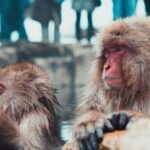
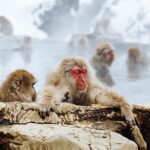
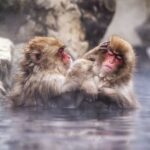
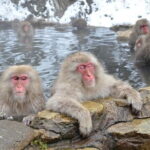
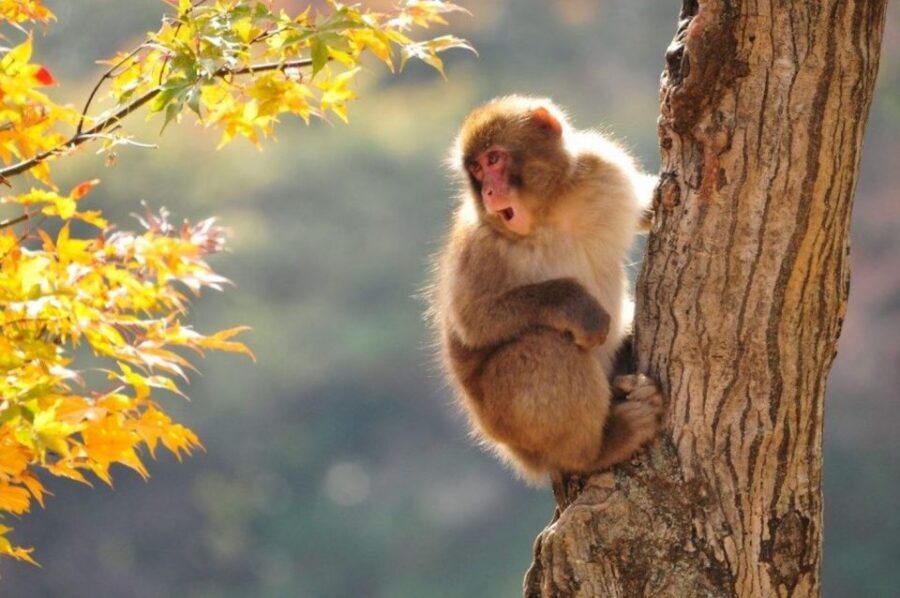
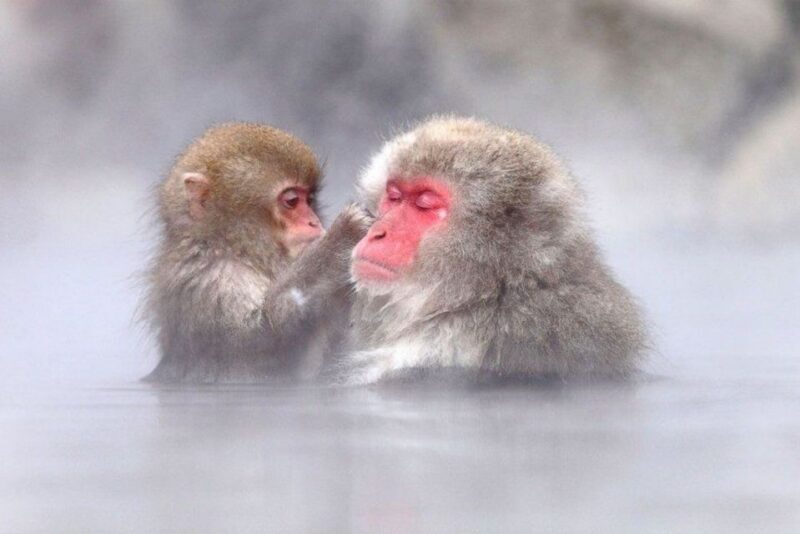
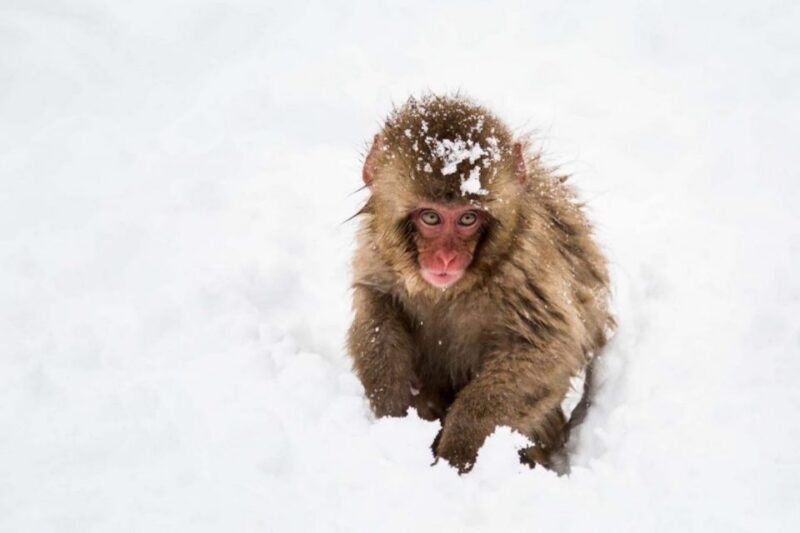
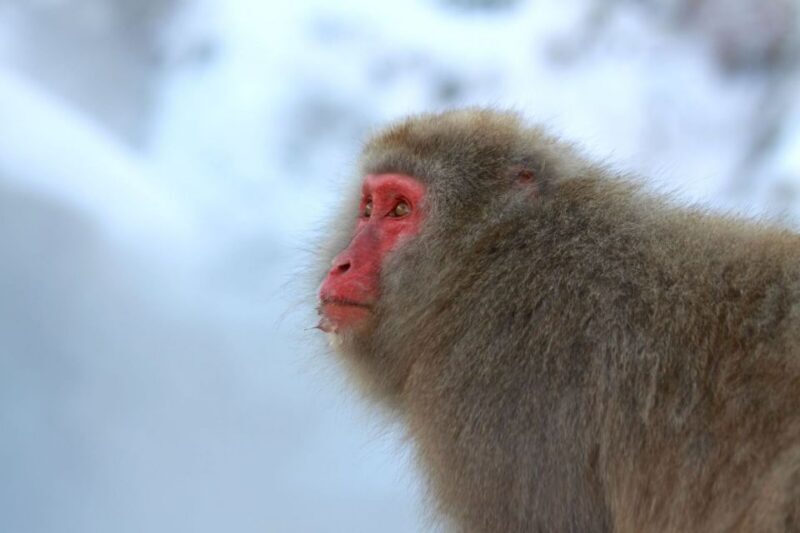
The snow monkeys are the headline act: at Jigokudani Monkey Park, you can watch Japanese macaques move through the forest and, if they come down to the park, soak in its hot spring. The sight is unusual, close-up and wonderfully unbothered by an audience. Just remember that monkeys are wild animals, not scheduled performers.
I like two things about this tour: it pairs the monkey park with Zenko-ji Temple, so the day gives you more than a wildlife photo stop, and the sake tasting and included lunch make the long outing feel like a proper introduction to Nagano. One consideration: the forest approach is about 1.6 km round trip and may be slippery in winter, so this is not a good fit if walking is difficult.
At $135 per person, this is a practical way to combine three quite different experiences without arranging transport and timings yourself. The day links a major temple, local sake and lunch, and the monkey park, with an English-speaking guide and transport between stops included.
That combination is the tour’s main value. You spend less time figuring out connections and more time seeing places that can be awkward to connect on your own, particularly the park. The schedule is full, but the stops are varied enough that the day does not feel like one long wildlife excursion.
It is a shared tour, not a private one. You need to meet at one of the designated pickup points, and the order of the stops may change because of local events, weather or restaurant availability. That flexibility can be useful: one group may visit the park first to improve its chance of seeing monkeys, then finish at the temple.
For more Nagano culinary adventures, you might enjoy these food and drink experiences
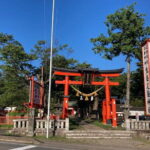
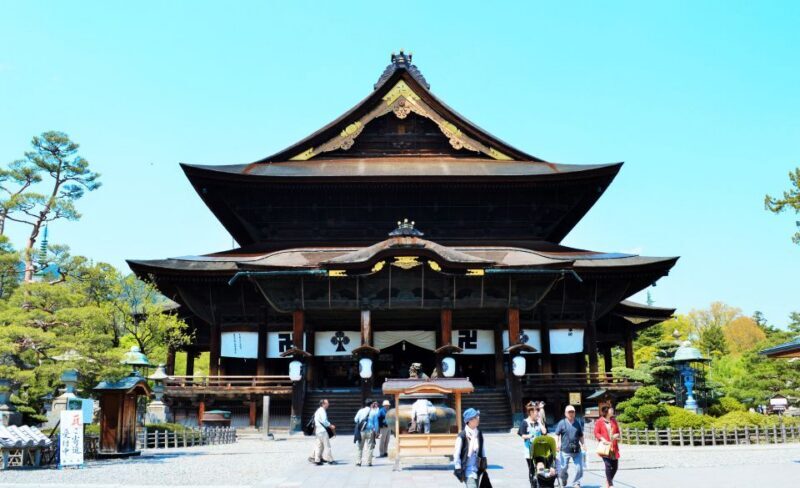
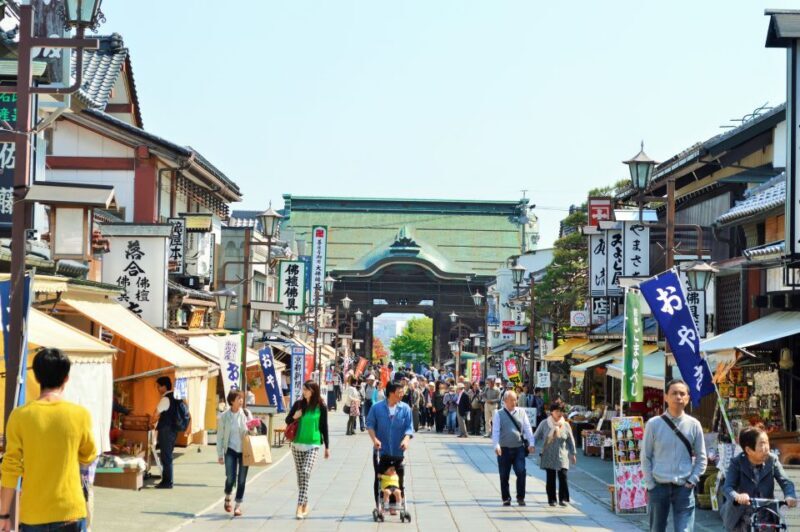
The day begins at Zenko-ji Temple, one of the oldest and most important Buddhist temples in Japan. The visit lasts about 1.5 hours, giving you time to hear about its history and traditions as well as see the grounds.
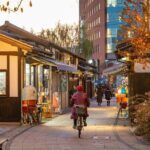
I like that the temple is not treated as a quick photo stop. Guides such as Brent, Tom and Kevin have been praised for sharing local context and making the visit engaging, while still leaving time to explore. The approach through the temple’s surrounding streets also gives the stop a sense of place, rather than dropping you at a building and rushing you onward.
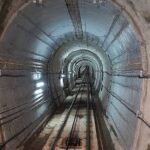
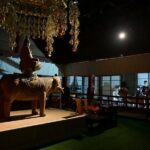
There is an optional entry to the inner sanctuary, which is not included in the tour price. Some people make the dark passage under the temple part of their visit. If that interests you, check the cost and availability with the guide before you decide. The passage is pitch black, so it is a memorable experience, but it may not suit everyone.
Do not expect to see every part of the temple in depth. This is a guided introduction, not a half-day temple study. If Zenko-ji is a major reason for your trip, you may want to return on your own for more time.
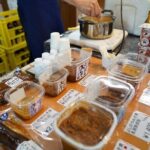
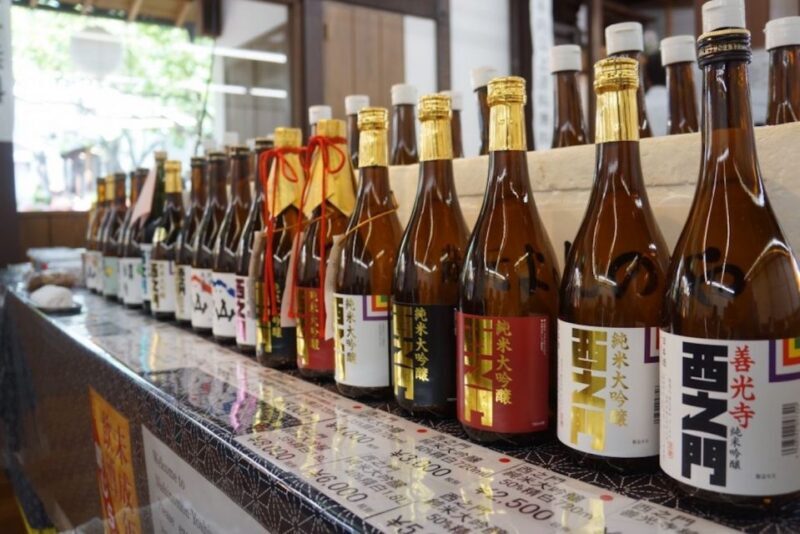
After the temple, the group stops for a sake tasting. The tasting lasts about 30 minutes and offers a chance to try different kinds of sake and learn how production methods shape what is in your cup. It is a useful pause between sightseeing stops, and a way to understand a drink that can otherwise seem like a list of unfamiliar labels.
This is a tasting, not a long brewery visit. The experience focuses on sampling and explanation, so it suits curious beginners as well as people who already enjoy sake. You must be at least 20 to drink alcohol in Japan. Non-alcoholic sake is available for those who do not drink or are underage.
The tasting happens before lunch, which makes sense for a short, guided introduction. You can ask questions, compare styles and then move on without giving up a large chunk of the day. Do not count on the stop as a full meal or a chance to shop for bottles; additional food and drinks are not included.
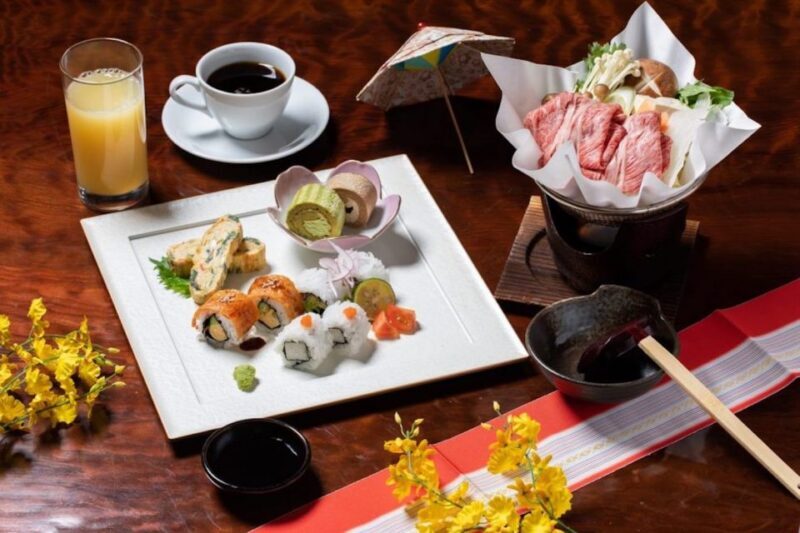
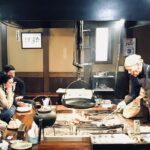
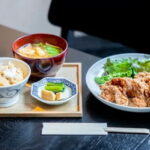
Lunch is one of the day’s best-value inclusions. It is served at a local restaurant and is intended to highlight Nagano ingredients and cooking. Several people describe a generous meal in a traditional setting, including one restaurant in an old mountain building.
The exact menu can vary, but one described meal included miso soup, a choice of beef, seafood or vegetables, plus tempura and sushi. Vegetarian options are available, and the meal is often mentioned as a highlight in its own right. That matters before the park visit, when you will be walking outside and may be dealing with cold weather.
If you have food allergies, tell the operator ahead of time so lunch can be arranged accordingly. If you have a dietary restriction such as gluten intolerance, be specific and confirm what can be provided. One person with a gluten-free diet found the selection limited, so it is worth being clear rather than assuming the usual menu can be adapted.
More Great Tours Nearby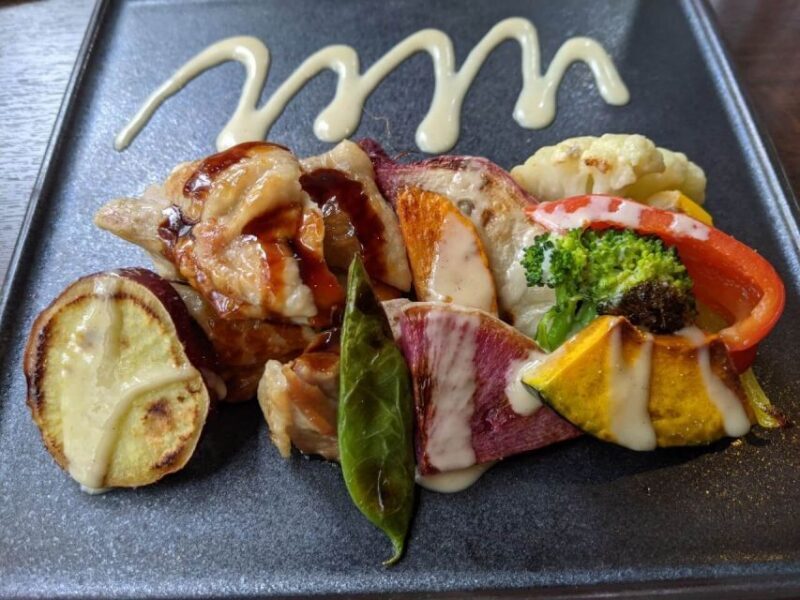
The final major stop is Jigokudani Monkey Park, where you have about 2.5 hours for the visit and guided walk. Getting there involves a forest trail of roughly 1.6 km round trip. It is generally described as an easy route, but winter snow and ice can make it slippery, and some sections may be on a grade.
Wear shoes with reliable grip. In winter, crampons or other traction aids can be helpful if conditions are icy; guides have advised people to take care on packed snow. Avoid heels and sandals, and bring a bag that is comfortable to carry. The tour is not suitable for wheelchair users or people with mobility impairments.
At the park, the monkeys may be playing, grooming, eating or bathing in the hot spring. Their closeness makes for memorable photographs, but they are still wildlife. Keep your attention on the guide’s instructions and give them room. The animals are not guaranteed to appear: there are a few days each year when they do not come down, and the number you see can vary from just a few to a large troop.
Winter is especially appealing if you want the classic snow-and-hot-spring scene, but a visit outside the coldest months can still be worthwhile. In October, one group saw only one monkey; in November, another saw two, while other groups have encountered many. The park itself can be beautiful even when the monkeys are fewer, but book with realistic expectations: this is a wildlife visit, not a guaranteed bathing show.
If you're interested in Nagano's drinking scene, these tours offer different perspectives
The standard meeting point is Nagano Station at 9:35 AM. In winter, you can also join from Hakuba, with pickup options including Hakuba Tokyu Hotel at 7:40 AM or Hakuba Happo Bus Terminal at 7:55 AM. Other listed Hakuba-area pickup points may be available depending on the option you book, so check your confirmed location and time carefully.
The tour is scheduled to return to Nagano Station by 5:30 PM, or to Hakuba by 6:45 PM for winter pickups. In winter, an earlier 9:00 AM Nagano Station departure may open if the 9:35 AM option fills. Your booked time is the one to follow.
Transport between the attractions is included, which saves the effort of working out local connections and coordinating separate tickets. The vehicle is shared, and there is no pickup or drop-off outside the designated points. If you are coming from Hakuba with luggage, one person reported being able to bring it on the bus, but confirm this with the operator before relying on it.
The full day can last anywhere from 8 to 12 hours. That range reflects the different pickup and drop-off options, so allow plenty of time around the tour, especially if you have a train to catch. Bullet train tickets to Nagano are not included.
The price covers transport between activities, an English-speaking guide, park admission, lunch, sake tasting and the winter Hakuba shuttle where applicable. Paying separately for each element would take planning, and the park is the most time-consuming stop to reach. For a visitor with one day to see Nagano’s main sights, the bundled format can be worth the cost.
The strongest value is not just the number of stops. A guide can put Zenko-ji and sake into context, help keep the schedule moving, and make the park visit easier to manage. Names such as Tom, Brent, Dylan, Kevin and Hiroshi appear among the guides who have led recent departures, but you cannot request or count on a particular person.
The trade-off is the structured pace. You will not have hours to linger at the temple, and the day depends on a shared schedule and the group’s movement. If you prefer independent travel or want to spend a long time at one site, arranging your own visit may suit you better. If you want several highlights in one outing, the included lunch and transport make the price easier to justify.
I would recommend it to first-time visitors who want a broad introduction to Nagano without building the day from scratch. It is especially convenient if you are staying in Hakuba during winter and want a cultural break from skiing, or if you are based in Nagano and want to combine the temple and monkey park in one day.
It also suits people who enjoy guided context and are happy to share transport. The guides are a central part of the experience, and the strongest days seem to balance explanation with free time to look around. Families and groups can enjoy the variety, though children and adults alike need to manage the forest walk and winter footing.
Skip it if you have trouble walking, need step-free access, or want a private itinerary. And if seeing monkeys is your one essential goal, remember that no tour can promise they will be at the park. Book this outing for the full Nagano mix: temple, sake, regional food and a chance to see the macaques.
“What a wonderful day! The guides were great and very informative. The transportation was perfect. The meal was amazing. So fun and wonderful.”
The tour lasts about 8 to 12 hours. It is scheduled to return to Nagano Station by 5:30 PM, or to Hakuba by 6:45 PM for winter departures from Hakuba.
The standard meeting point is Nagano Station. Winter pickup options from Hakuba include Hakuba Tokyu Hotel and Hakuba Happo Bus Terminal. Your meeting point depends on the option you book.
Yes. Lunch at a local restaurant is included, with vegetarian options available. Tell the operator about food allergies in advance. Additional food, snacks and drinks are not included.
Yes. Non-alcoholic sake is available for people who do not drink and for those under 20. You must be at least 20 years old to consume alcohol in Japan.
The walk to and from Jigokudani Monkey Park is about 1.6 km. The forest trail may be slippery in winter, so wear suitable walking shoes and avoid heels or sandals.
No. There are a few days each year when the monkeys do not come down to the park, and the number you see can vary.
You can check availability for your dates here: