Physical Address
304 North Cardinal St.
Dorchester Center, MA 02124
Physical Address
304 North Cardinal St.
Dorchester Center, MA 02124

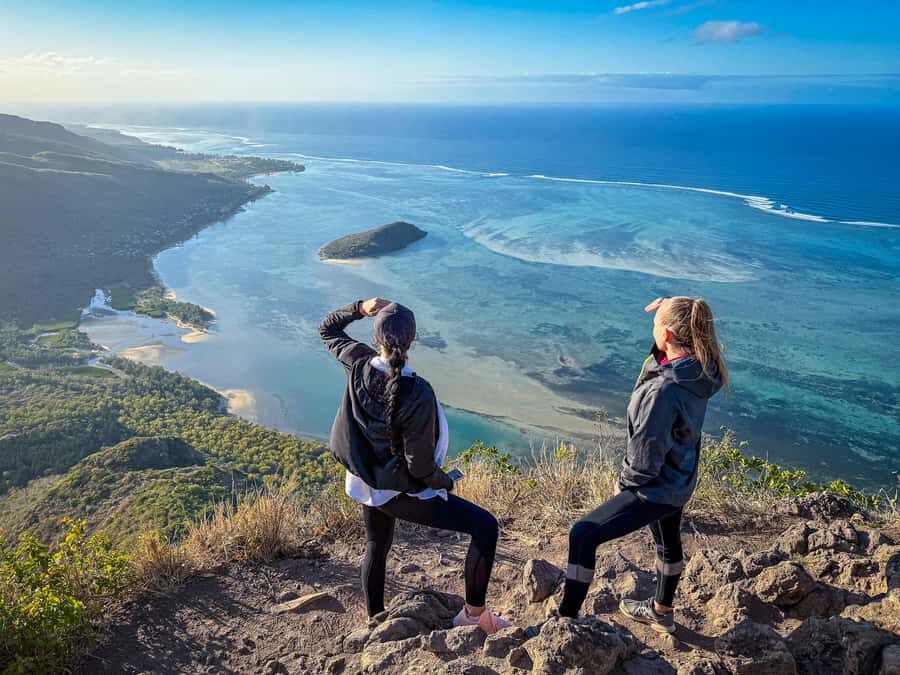
Climb Le Morne Brabant before dawn with a certified guide, scrambling over rocky sections to a 470-meter summit and sunrise views.
Le Morne Brabant gives you more than a sunrise viewpoint: this four-hour climb pairs a demanding route with a mountain central to Mauritius’ past. I like that your guide explains the mountain’s history as you climb, and that the small-group format can make the rocky sections feel more manageable.
I also like the early start. Reaching the summit around dawn can mean cooler conditions, fewer people, and the island opening up below you in the first light. The trade-off is real: this is not a gentle nature walk. Four rocky sections require scrambling, and the same route back down can be tricky.
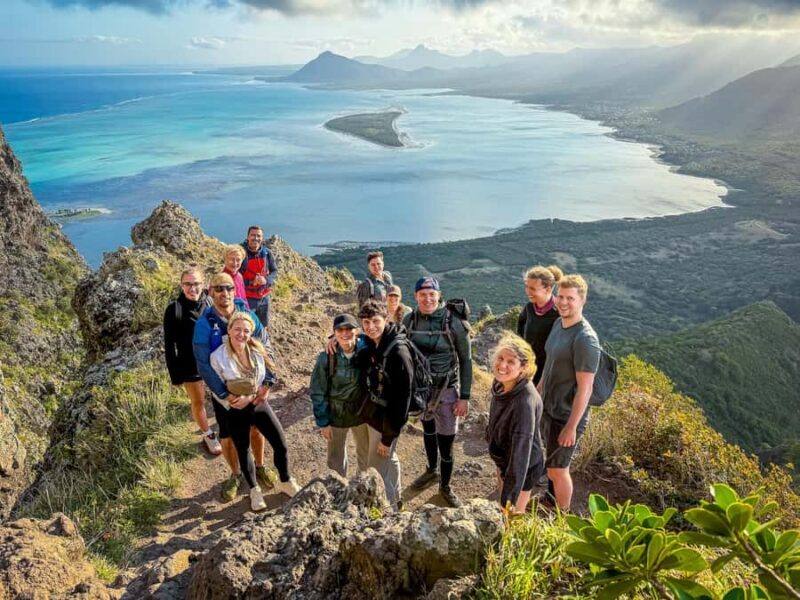
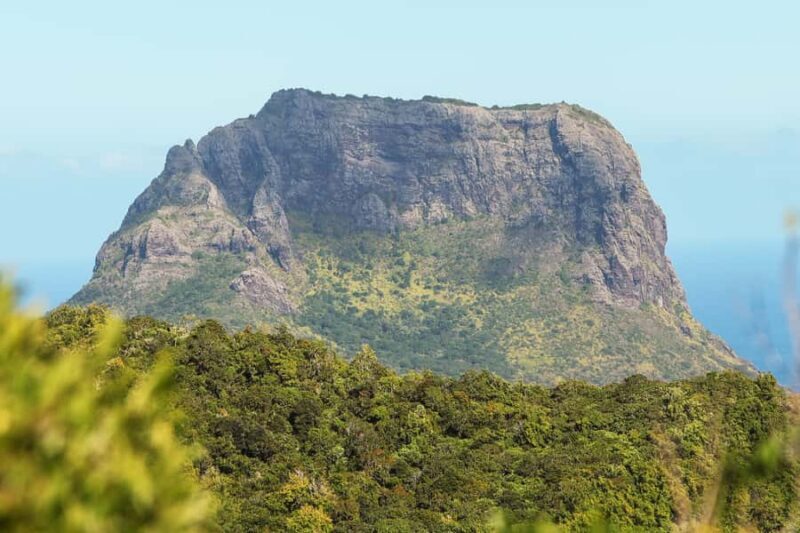
Le Morne Brabant is a UNESCO World Heritage Site and one of Mauritius’ best-known natural landmarks. Its significance is not only scenic: the mountain is tied to the island’s history, and the nearby Slave Route Monument gives the meeting point added meaning.
That combination is what makes the hike more than a workout with a photo stop. Your guide shares stories about Mauritius’ past and the importance of Le Morne along the route. The climb also passes through rainforest, where you may spot endemic plants and rare birds. Keep your eyes open, but don’t expect every bird to pose for a dawn portrait.
The experience is best for someone who wants both a physical challenge and a stronger sense of place. The views are the obvious reward, but learning about the mountain while walking it gives the scenery some context. I’d choose this over a viewpoint reached by vehicle if you enjoy earning your way to the view.
The group meets at Le Morne Public Beach, in front of the Slave Route Monument. After a safety briefing, you follow your guide in your own vehicle to the start of the trail. If you are staying at an accommodation on the Le Morne peninsula, transportation to the meeting point can be provided free of charge.
The precise start time depends on availability, but expect a very early morning. Some groups have met around 4:30 or 5 a.m. The early alarm is part of the bargain: you set off in darkness, climb toward first light, and avoid some of the heat that builds later in the morning.
Small groups are available, as are private tours. That matters on a route with scrambling. A guide can set a steady pace, explain where to place your feet, and keep track of the group. Several guides have been named by past participants, including Kevin, Eric, Ravi, Matt, and Gael. You cannot assume a particular person will lead your date, but the activity is guided by a qualified mountaineer.
The first stretch climbs through lush rainforest. It is a gradual start compared with the upper route, but don’t mistake gradual for effortless: the steady incline can feel demanding, especially before breakfast. Take the guide’s pace seriously and use the breaks to catch your breath and drink water.
This is also the part to look for the mountain’s plant life and endemic birds. Your guide can point out details you might miss while watching the trail. The pre-dawn light has its own appeal here, though visibility will improve as morning arrives.
As you gain height, the route becomes more demanding. Four rocky sections call for scrambling, careful footing, and sometimes using your hands. People who are uneasy with heights may find these passages uncomfortable. A guide is particularly useful here, offering instructions and support rather than leaving you to guess at the safest line.
The challenge varies across the route. One participant described the opening incline as harder than the later scrambling; another found the technical upper section the most demanding. That is a useful reminder that fitness and confidence are personal. Don’t judge the whole hike by the first stretch, but don’t assume the upper climb will be easy just because the trail began smoothly.
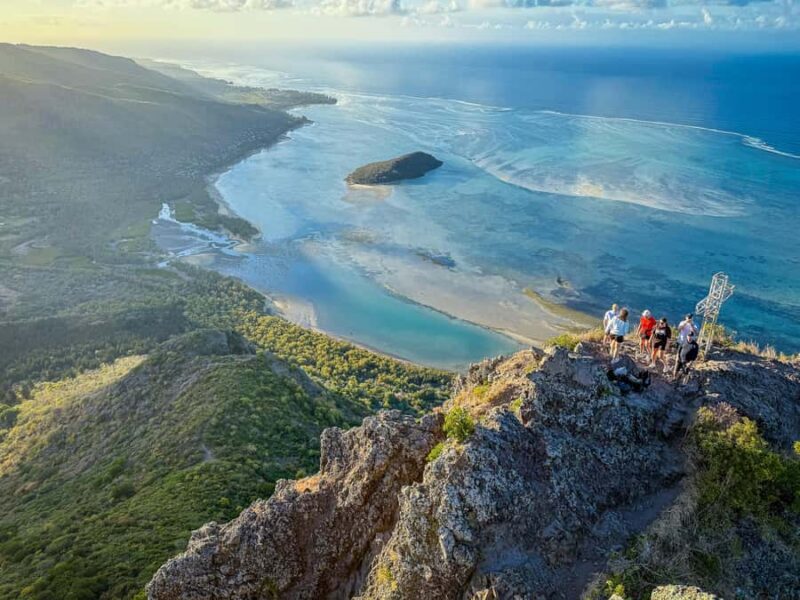
Partway up, you stop at the Trochetia Boutoniona viewpoint, named for Mauritius’ national flower. It is a chance to catch your breath, enjoy the views, and have the healthy snacks included with the tour.
This pause is practical as well as scenic. The climb asks for concentration, and a short rest can help you reset before the next section. It is also a good moment to notice how the view changes as you gain height. Bring water and a small snack of your own if you know you need more than a light bite.
More Great Tours Nearby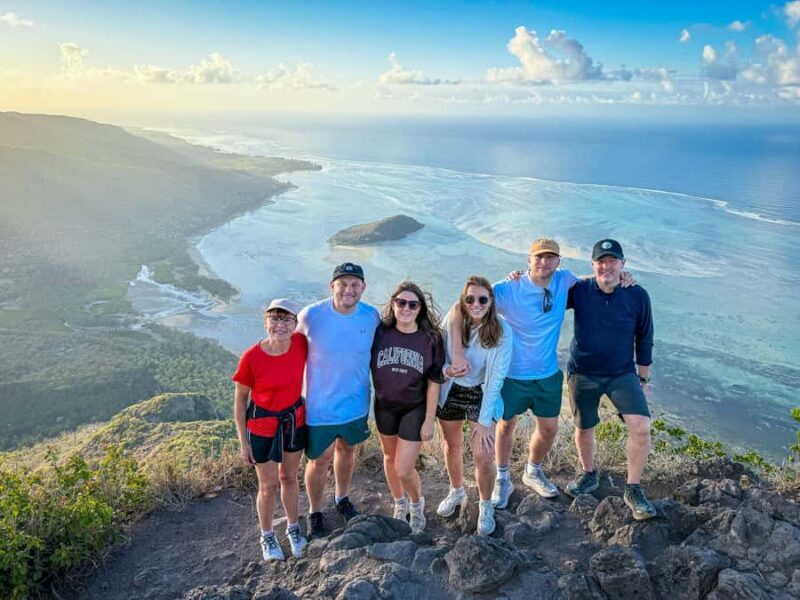
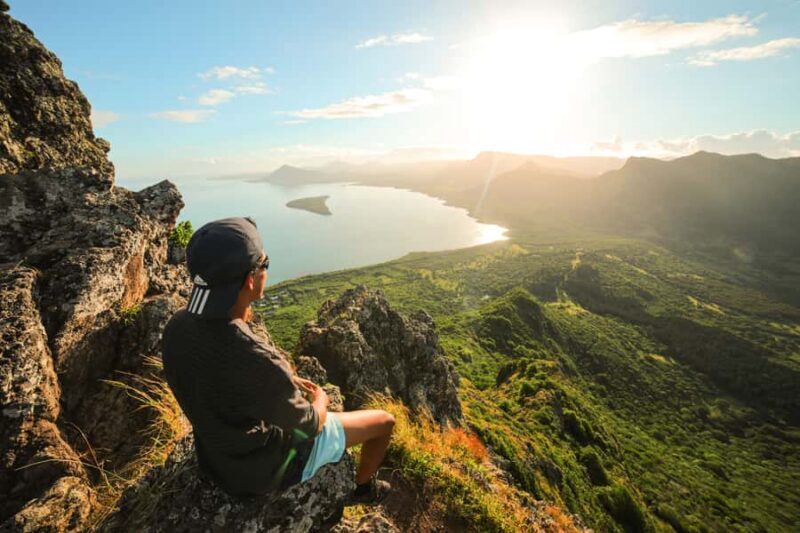
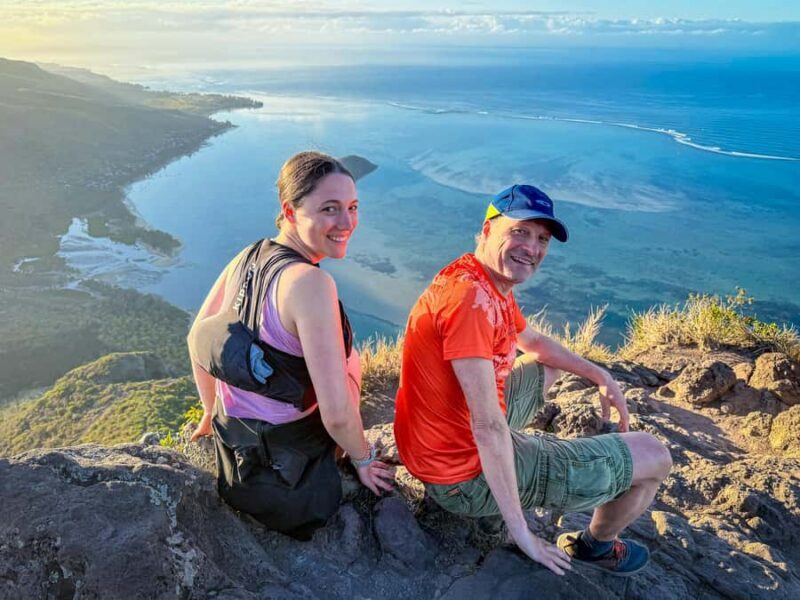
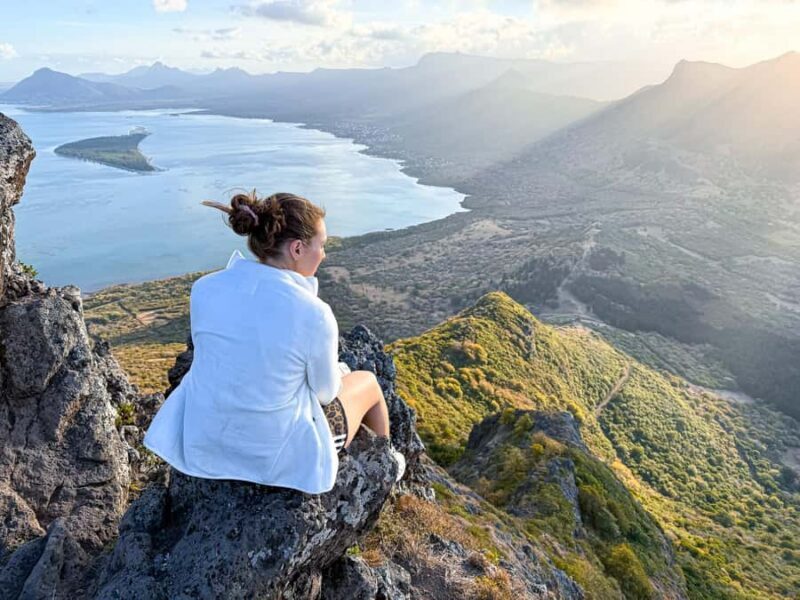
The high point is the 470-meter summit, marked by a memorial cross. Arriving near sunrise is the main reason to choose this version of the hike. The first light spreads across the sea and mountains, giving you a striking view of Mauritius from above.
Weather can change what you see. One participant described a foggy morning as majestic, while clear conditions bring the broad panoramas the summit is known for. There is no promise of a perfect sunrise, and the activity may be postponed if conditions are adverse. Go for the climb and the experience, not a guarantee that the sky will cooperate.
You’ll have time to take in the view and snap photos before heading back. Photos are included, and guides may take pictures of you and your group along the way. That is handy on a climb where you may not want to juggle a phone while scrambling.
The way down follows the same route, so the technical sections are not finished when you reach the summit. Descending can be harder than climbing for some people, particularly when the soil is dry and slippery. As the morning warms, the return can also feel hotter than the ascent.
Keep your attention on each step instead of racing for the bottom. Your guide can help you negotiate the rocky parts, and the group may take breaks as needed. This is not a route where you should be embarrassed to move carefully. Good judgment is more useful than speed.
The four-hour duration includes the climb and return, but the exact pace depends on the group and conditions. The tour’s small-group or private options may suit you if you prefer a more personal pace or want to ask plenty of questions.
At $75 per person, this is a worthwhile spend if you want to reach the summit with an experienced guide. The fee includes the guided hike, healthy snacks, and photos. The guide’s support has particular value on the upper rocky sections, where choosing a foothold and moving with care matter more than simply following a path.
You are also paying for interpretation. The mountain’s history, local plants, and surroundings add depth to the outing, and you can ask questions as you go. A self-guided hike might cost less, but it would not include the same support or explanations. Given the technical parts, I would not treat the guide as an optional extra.
Transportation is free for those staying at accommodations on the Le Morne peninsula, but other transport is not listed as included. Factor in getting to the meeting point if you are staying elsewhere.
Wear comfortable hiking shoes with firm grip. Sandals and flip-flops are not allowed, and the rocky route makes proper footwear essential. A hat, sunscreen, and water are also on the packing list. If you own climbing gloves, one participant found them useful for grip and for protecting hands from sharp rocks, but they are not listed as required equipment.
This hike is for outdoor enthusiasts with a good level of fitness and comfort on uneven, steep terrain. It is not suitable for people afraid of heights, people with vertigo, those with mobility or respiratory issues, and people with certain heart, back, or other pre-existing medical conditions. The activity information also says it is not suitable for people over 60 or those without experience. Because individual health and ability vary, take those restrictions seriously and check with the operator if you are uncertain.
The climb can be rewarding for a first-time hiker if you are fit and willing to work, but it is not a beginner-friendly stroll. Several people who felt nervous before the steep sections found the guide’s support reassuring. That does not make the terrain less challenging; it means a capable guide can help you tackle it safely.
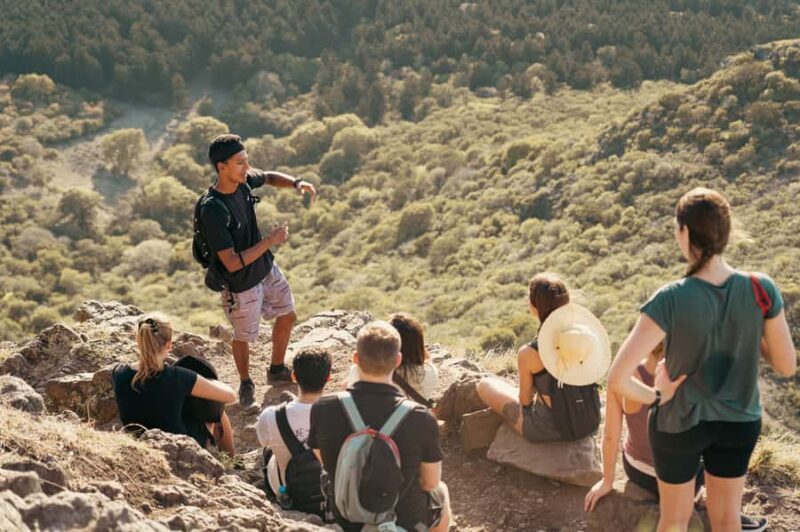
Book it if you are fit, comfortable with heights, and interested in a strenuous morning with a view and a sense of the mountain’s history. The sunrise, rainforest route, scrambling, and guide’s local explanations make a strong combination. At $75, the guide and photos add practical value, especially on the rocky upper sections.
Skip it if you want an easy walk, dislike early starts, or have a health or mobility concern covered by the exclusions. Also be ready for the summit to be cloudy and the descent to take effort. If those limits suit you, this is one of the more memorable ways to see Mauritius: not just from a viewpoint, but from a mountain you have climbed.
“We had a great hike – Matt, our guide, was very trustworthy and nice. It was one of the most beautiful sunrises we've ever seen.”
The activity lasts about four hours, including the climb and return.
The listed price is $75 per person.
Meet at Le Morne Public Beach, in front of the Slave Route Monument. From there, you follow the guide in your own vehicle to the trail start.
Free transportation to the meeting point can be provided for people staying at accommodations on the Le Morne peninsula. Other transport is not specified as included.
The live guide speaks English or French.
The guided hike with a qualified mountaineer, healthy snacks, and photos are included.
Bring comfortable shoes, hiking shoes, a hat, sunscreen, and water. Sandals and flip-flops are not allowed.
The activity is recommended for outdoor enthusiasts and is not suitable for people without experience or a low level of fitness. The upper route includes four rocky scrambling sections.
The activity may be postponed in adverse weather. You can cancel up to 24 hours in advance for a full refund.
You can check availability for your dates here: