Physical Address
304 North Cardinal St.
Dorchester Center, MA 02124
Physical Address
304 North Cardinal St.
Dorchester Center, MA 02124

Trace Hiroshima’s military past and the bombing’s legacy on a 150-minute walk from Gokoku Shrine to the Peace Memorial Museum.
Hiroshima’s past comes into focus as you walk from a shrine honoring fallen soldiers to the Peace Memorial Park and the museum. This 150-minute tour connects military history, the reasons Hiroshima was selected as a target, and the human cost of the atomic bombing.
I like the route’s clear progression from Hiroshima’s military history to its present-day message of peace. I also like the guides’ personal touch: Chihiro and other Hiroshima-born guides have shared family perspectives, while guides such as Thomas bring an outside view shaped by years in Japan.
The main consideration is emotional weight. The subject is painful, and the walk is best for you if you want more than a quick photo stop. The tour ends at the Peace Memorial Museum, so plan your energy and museum time accordingly.
The meeting point is in front of the torii gate at Hiroshima Gokoku Shrine, near the main hall. Starting here gives the walk a clear historical frame: the shrine is associated with fallen soldiers, and the tour uses the site to introduce Hiroshima’s military role before the bombing.
This opening matters because Hiroshima’s story did not begin on the morning of the attack. Your guide sets out the city’s earlier history and wartime significance, then explains the strategic reasons behind the choice of target. That context helps the later memorials feel less like isolated landmarks and more like parts of a connected history.
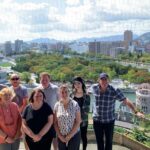
The tour is conducted in English, and its strongest feature is the guide’s role as interpreter. Recent guides have included Chihiro, who grew up in Hiroshima, and Thomas, a European guide who has lived in Japan for years. Emi and Emmy have also been praised for clear storytelling and a Japanese perspective. The guide assigned to your departure can vary, but the format leaves room for questions and discussion.
You can check availability for your dates here: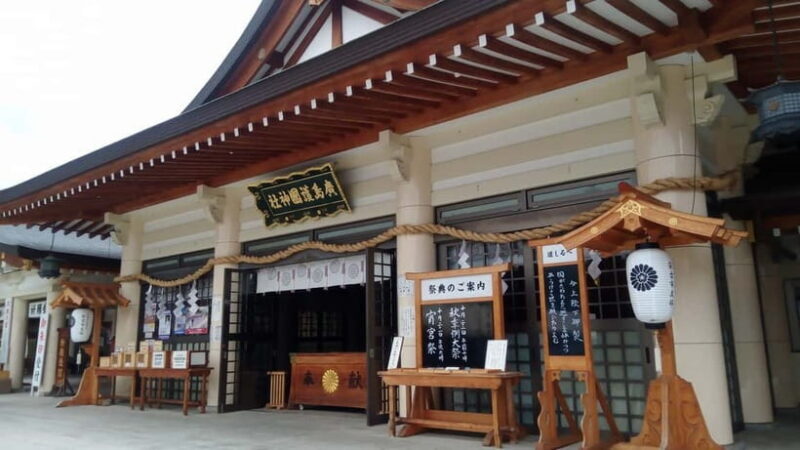
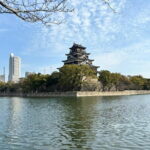
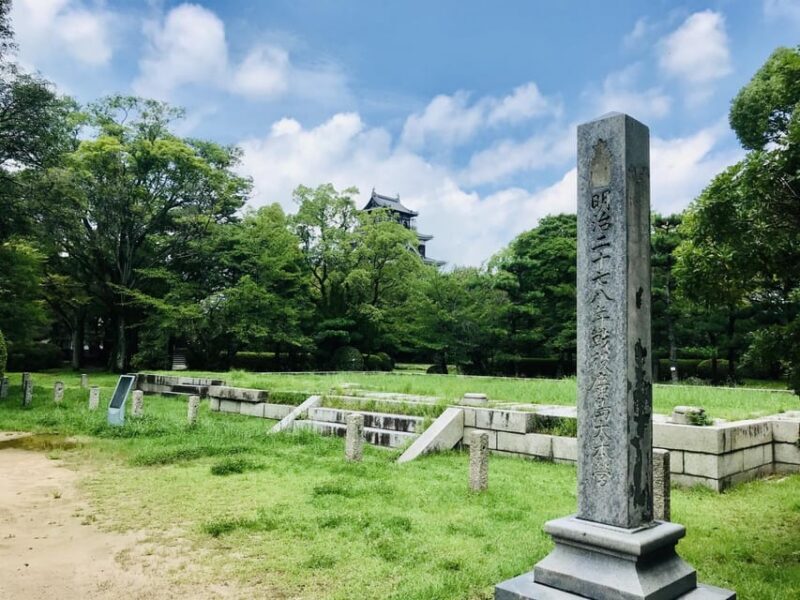
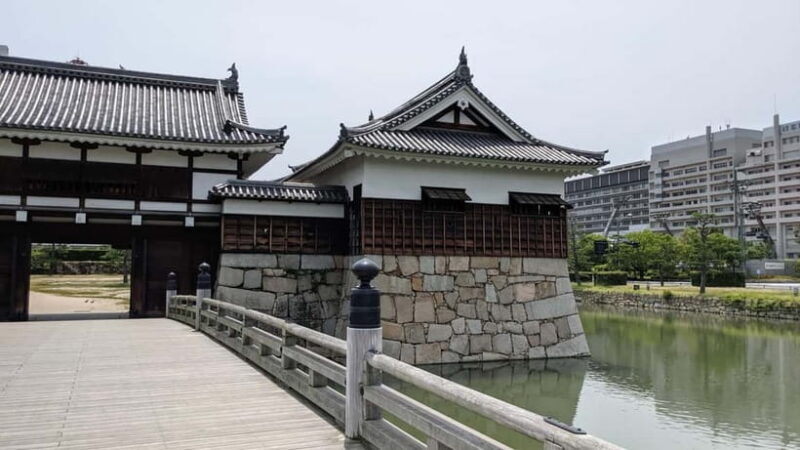
Hiroshima Castle is the next named stop, with about 20 minutes set aside for a visit, guided explanation, and photos. Here, the focus is the city’s military significance and its history before the bombing. The castle grounds offer a strong contrast with the memorials later in the walk: they help you picture Hiroshima as a city with a past beyond the event that made it known worldwide.
Twenty minutes is enough for an introduction and a few photos, not an in-depth castle visit. If you want to explore the site at length, you may wish to return on your own. On the tour, the value is the guide’s explanation of how the castle fits into the city’s broader history.
A further 10-minute guided visit follows, but the stop is not named in the published route details. Treat it as part of the tour’s connective story rather than planning around a specific attraction. The short timing also suggests the guide is keeping the group moving toward the central memorial sites.
If you enjoy exploring Hiroshima on foot, these walking tours might also suit your style
Hiroshima Gate Park gets about 30 minutes, making it one of the longer stops before the Peace Memorial Park. The route uses this part of the walk to add cultural and local context to the historical account. That balance is valuable: Hiroshima is a living city, not only a memorial destination.
Guides often add practical local advice along the way. Chihiro and Thomas, among others, have helped with restaurant recommendations, and guides have answered questions about local life as well as history. These small exchanges can make a walking tour more useful than a lecture, especially if you are spending more time in the city after the tour.
The route is described as well paced, with some guides building in short sitting breaks. Even so, this is a walking experience of two and a half hours. Wear comfortable shoes and be ready to spend much of the time outdoors. The tour is listed as wheelchair accessible, but you can check specific needs with the provider before booking.
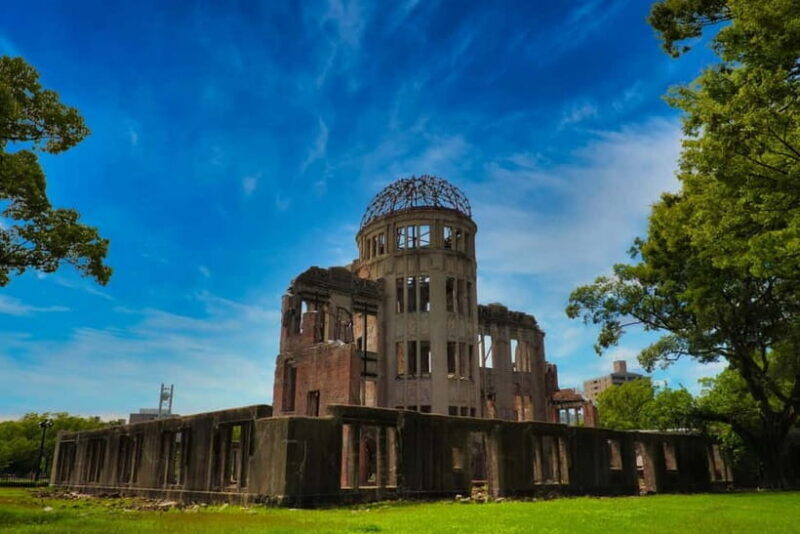
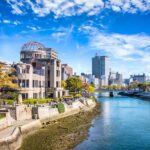
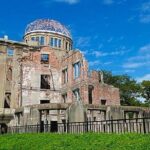
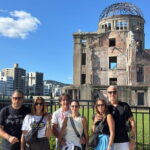
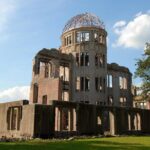
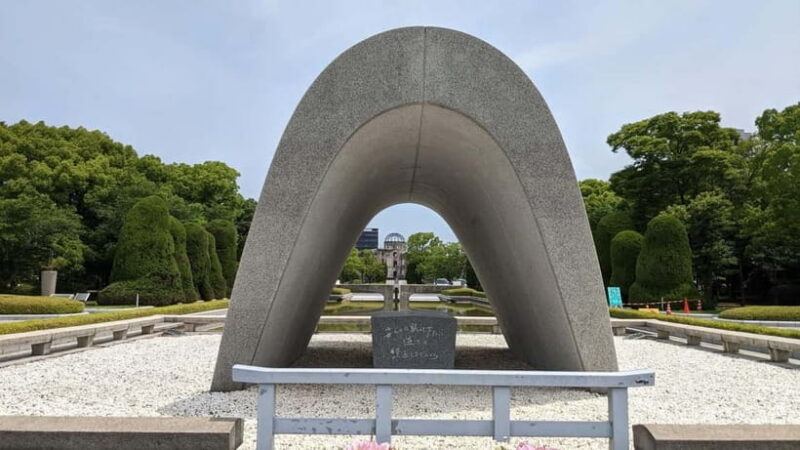
The Atomic Bomb Dome receives about 20 minutes of guided attention. Its preserved structure is one of the most recognizable sites in Hiroshima, but the guide’s explanation gives the stop more meaning than a photograph alone can. You will hear about the bombing’s consequences and how the city remembers what happened.
Expect a sober tone. The tour is intended to explain why Hiroshima was chosen and what the bombing did to people and culture, not to make the subject easy. Guides have been praised for explaining the history with care and for answering difficult questions patiently. You can ask what you want, but it is also fine to listen quietly.
The history is handled as a build-up rather than a single shocking moment. Earlier stops establish the city’s role and wartime context, while the Dome makes the consequences visible. That sequence is one of the reasons I think the tour can be especially useful before visiting the museum: you arrive with a framework for what you are seeing.
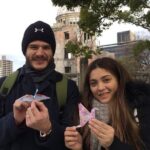
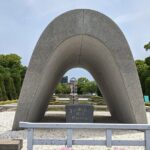
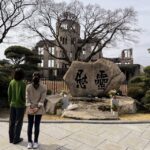
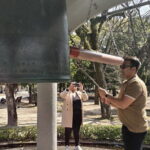
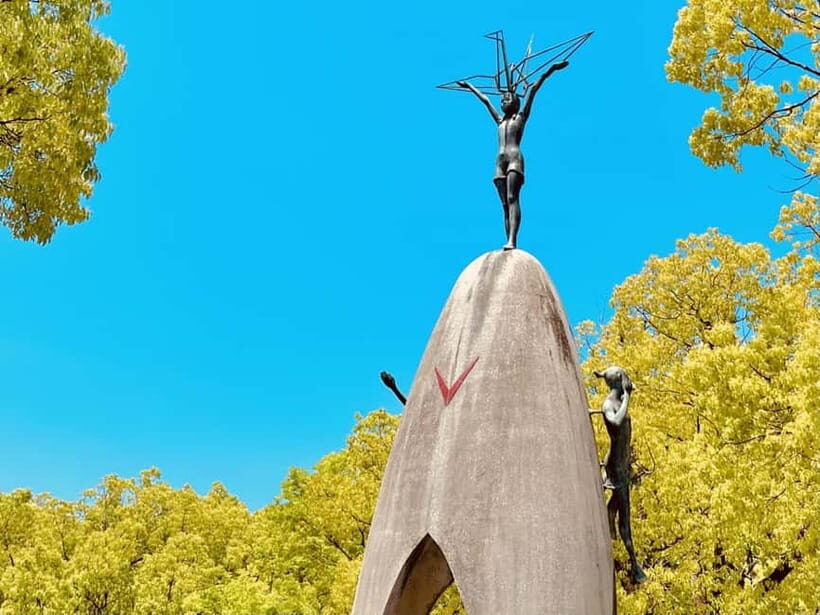
The walk gives about 30 minutes to Hiroshima Peace Memorial Park. This is the emotional center of the route, where the historical discussion turns toward remembrance and the city’s continuing appeal for peace. The park includes memorial sites such as the Children’s Peace Monument, which is closely associated with paper cranes. Some guides also discuss the meaning of the cranes and the traditions around them.
The park is not just a place to hear facts. It gives you time to reflect on the people affected and on how Hiroshima has chosen to remember the bombing. Guides who grew up in the city can offer a personal connection, including family experiences and their own commitment to peace advocacy. That perspective can make the subject feel immediate without replacing the historical explanation.
You may also hear about Orizuru Tower, mentioned by some guides as part of the wider memorial-area experience. It is not listed as a timed stop in the route, so do not assume it is included. If origami cranes or the tower interest you, ask your guide what can fit into the walk or plan a separate visit.
More Great Tours Nearby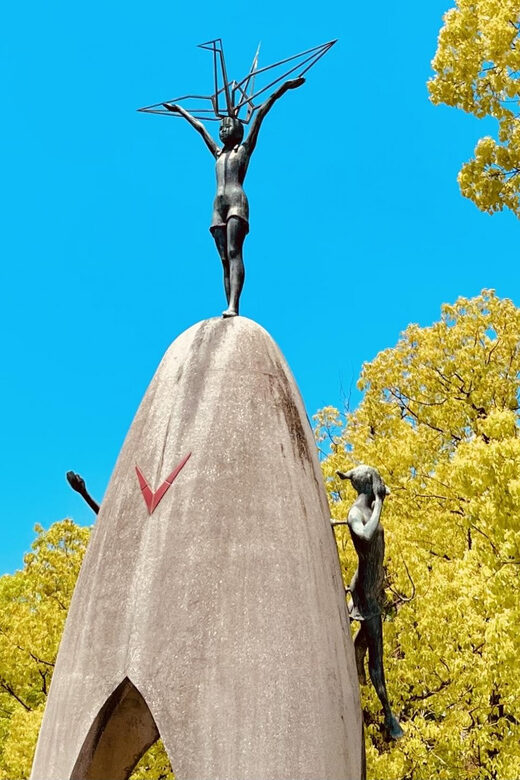
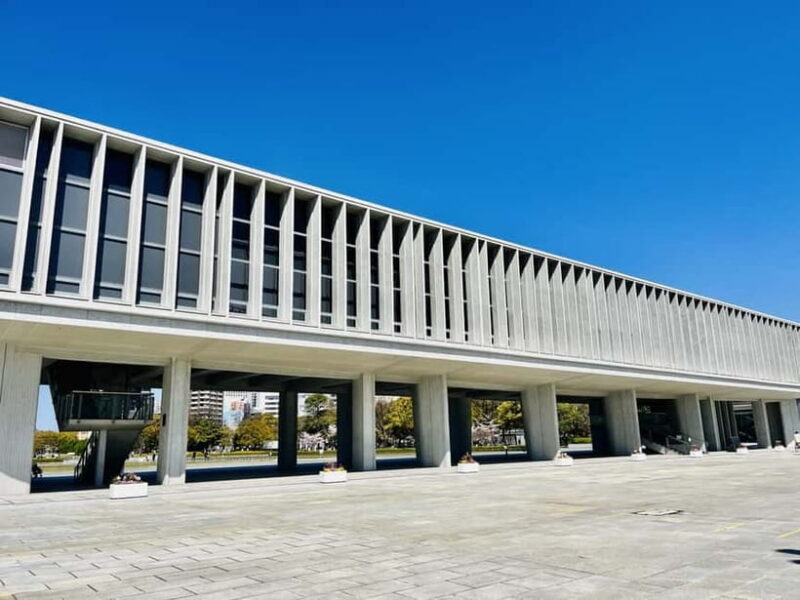
The tour finishes at Hiroshima Peace Memorial Museum. That is a practical choice: the guided walk gives you context first, then leaves you at the museum to continue at your own pace. The museum itself is not listed as an included guided visit, so check whether admission is covered before you go. The tour’s included item is a guide.
Allow extra time after the walk if you plan to visit the museum. The tour’s 150 minutes cover the route and its guided stops, not necessarily a full museum visit. You may find that the context from the shrine, castle, Dome, and park helps you understand the exhibits, but the subject can be demanding. Give yourself room for a break if you need one.
History buffs will find these Hiroshima heritage tours enlightening
At $35 per person, the value rests on the guide and the way the route ties the sites together. You could visit many of these public landmarks independently, but you would have to build the historical narrative yourself. Here, the guide connects Hiroshima’s pre-bomb history, its military role, the reasons it was selected, and the human and cultural effects of the bombing.
The tour’s value also comes from the range of perspectives among its guides. Local guides such as Chihiro have shared family experiences and a personal connection to peace work. Guides who came to Japan from elsewhere, such as Thomas, can explain Japanese history and culture from the standpoint of someone who has made a life there. The individual guide varies, but the recurring emphasis is clear storytelling, patience with questions, and a useful balance of facts and personal perspective.
There are limits. You have only brief periods at some sites, and the tour is a broad introduction rather than a detailed study of every location. If you prefer to read quietly and move at your own pace, a self-guided visit may suit you better. If you want a clear account before entering the museum, the guided format earns its price.
Book it if you want to understand the historical context behind Hiroshima’s memorial sites and value a guide who can answer questions in English. It is especially useful if this is your first visit, if you are unsure how to approach the subject, or if you want a local perspective alongside the historical account.
Families can consider it too. A 12-year-old has taken the tour with a parent, and guides have been described as able to keep the story engaging while treating the subject seriously. Still, the topic is difficult, so use your judgment about whether the timing and content are right for your child.
I would skip it if you want a light sightseeing walk or need long, unhurried visits at each stop. For most visitors interested in Hiroshima’s history, though, the route offers a thoughtful introduction and a practical starting point for exploring the museum and memorial area. Free cancellation is available up to 24 hours in advance, and the reserve-now, pay-later option can keep plans flexible.
“Chihiro was awesome and our small group of randoms learnt so much. It started at the shrine and we worked our way to the museum and the many stops …”
The tour lasts 150 minutes, or two and a half hours.
Meet in front of the Hiroshima Gokoku Shrine torii gate near the main hall.
The tour finishes at Hiroshima Peace Memorial Museum.
The live guide speaks English.
Yes, the activity is listed as wheelchair accessible.
A guided tour is included. Tips for the guide are not included.
You can check availability for your dates here: