Physical Address
304 North Cardinal St.
Dorchester Center, MA 02124
Physical Address
304 North Cardinal St.
Dorchester Center, MA 02124

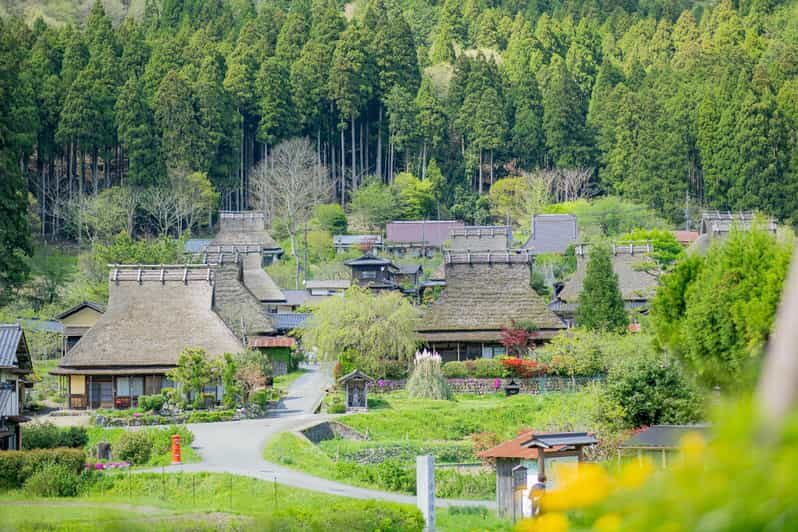
Visit Ine’s fishing houses, Amanohashidate’s sandbar and Miyama’s thatched village on a full-day Kyoto or Osaka tour.
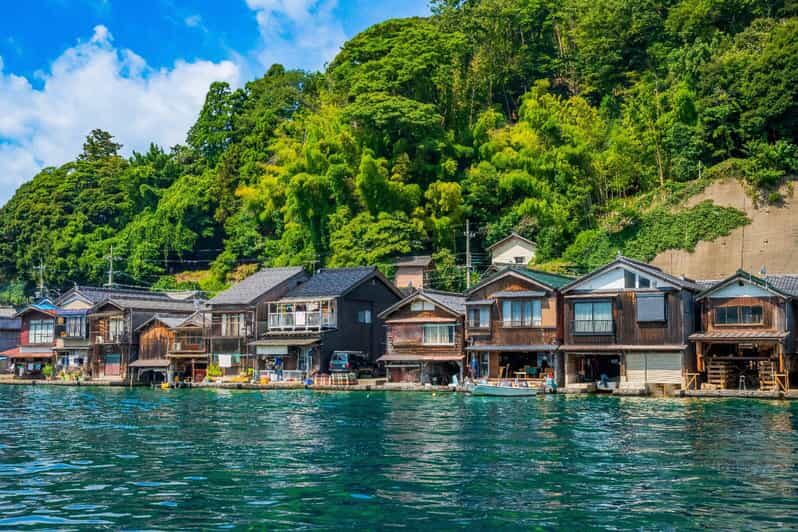
Ine’s wooden funaya houses sit right at the water’s edge, and that coastal village is only one part of this 10-hour day. I like the contrast: you’ll see fishing life in Ine, the famous sandbar at Amanohashidate, and the thatched farmhouses of Miyama. I also like the small local details, especially Chion-ji Temple’s fan-shaped fortunes.
The trade-off is time. You have about 45 minutes in Ine and 45 minutes in Miyama, so this is a sampler, not a slow country retreat. The Amanohashidate stop is longer, but it still takes some planning to fit the viewpoint, temple, cruise and beach into the day.
This tour links three places that feel quite different from Kyoto and Osaka. In Amanohashidate, the draw is a celebrated sandbar and its sea views. Ine is a fishing village built around a sheltered bay, while Miyama’s thatched houses sit among mountain scenery and fields.
That variety is the tour’s main value. Reaching all three by public transport in a single day would take care and could leave little time to explore. The coach makes the route practical, while a bilingual guide helps keep the day moving and gives context along the way.
The pace is brisk by design. You’ll spend around four hours in total on the coach, and each stop has a different focus. If you want to linger over lunch in Ine, shop at length, or walk every stretch of Amanohashidate, this schedule may feel tight.
You can check availability for your dates here: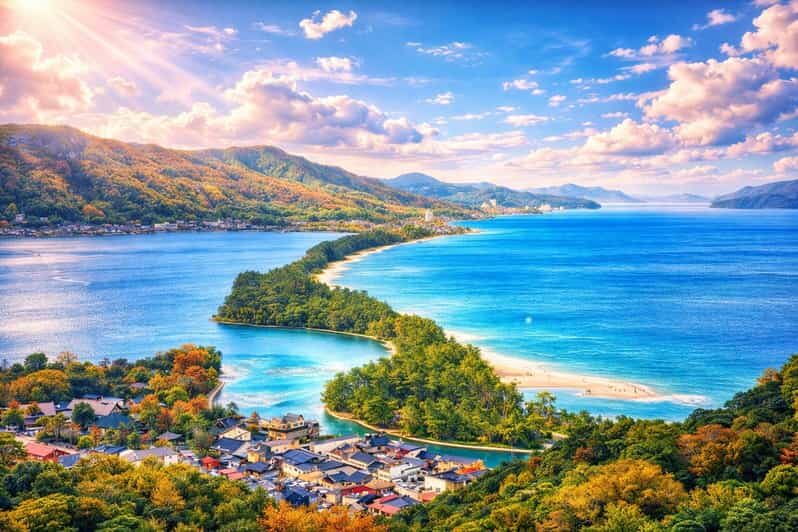
The tour lasts about 10 hours, with departures from either Kyoto or Osaka. Both options return to the city where you started: an Osaka departure does not stop in Kyoto on the way back, and a Kyoto departure does not stop in Osaka. Choose the meeting point that suits your plans, not simply the one that looks closer on a map.
The air-conditioned vehicle, round-trip transfers, guide and road costs are included. The ride gives you a chance to rest between stops, but the return can run late when holiday or weekend traffic builds. Don’t pair the tour with a tight evening train connection, flight, dinner booking or other fixed plan.
Arrive 10 to 15 minutes early. The bus leaves promptly, and a missed pickup caused by a personal change does not qualify for a refund. Confirm the meeting point ahead of time, and tell the operator in advance if you’re bringing a stroller or large luggage.
Guides vary by departure. Guides named on recent tours include Amy, Lee, Peggie and Samuel, among others. Many have helped with clear instructions, useful local context and group timing, all valuable on a packed day when a missed meeting point can cost you time. Some guides also share recommendations through a group chat, but don’t count on a particular guide being assigned.
Looking for more options in Osaka? Here are some other experiences worth considering.
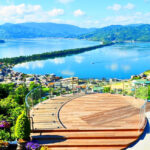
Amanohashidate is known for its long, pine-covered sandbar stretching across the bay. From the ground, you can stroll near the shore; from Hiryu Observatory, the view reveals the shape of the sandbar against the water. The elevated perspective is the reason to make time for the lift.
The cable car and chairlift give you two ways to reach the viewpoint. The tour description calls the ride a single swing cable car, and the itinerary also lists the chairlift and monorail. The experience may depend on the operating arrangement that day, so check the included option when booking. The cable car admission is included only if you select the option that includes it.
At the top, the viewpoint’s inverted pose, looking at the sandbar between your legs, is a local tradition that makes the view appear like a bridge to heaven or a dragon in flight. It is a playful way to take in the panorama, not a requirement. Leave a little room in your schedule for the ride and the viewing area, since this is a highlight many people will want to photograph.
The listed time at Amanohashidate is about two hours, shared among sightseeing, the viewpoint and nearby attractions. That is enough to see the main sights, but not enough to explore every path at leisure. If the sky is cloudy or wet, the view may be less crisp; pack weather-appropriate clothes and treat the ride as part of the day rather than a guarantee of perfect visibility.
Chion-ji Temple is dedicated to Manjusri, the bodhisattva associated with wisdom. Students and professionals come to pray for success in study and work. You can pause in the temple grounds, admire the traditional architecture and draw a distinctive fan-shaped omikuji, a fortune written on a small fan.
This stop offers a quieter change of pace after the viewpoint. You don’t need to be religious to appreciate the ritual or the calm of the temple setting. Still, the visit is brief, so think of it as an introduction rather than a long temple visit.
Nearby, Kaisen Bridge is a revolving bridge linking the shore and the sandbar area. It makes a good photo stop and leads toward Amanohashidate Beach, where you can take a short walk beside the clear water. The bridge, temple and beach add variety to the visit, but you’ll need to watch the time if you want to do all three as well as take the lift.
The Amanohashidate sightseeing boat runs for about 20 minutes. From the water, you get another angle on the coast, and seagulls may fly alongside the boat. The birds are part of the fun, especially if you’re keen to see them up close.
Set your expectations: this is a brief coastal cruise, not a long boat excursion or a detailed guided tour of the bay. The seagulls can take center stage, and the experience may feel more lively than meditative. Cruise admission is included only with the relevant tour option, so check whether your chosen price includes it.
More Great Tours Nearby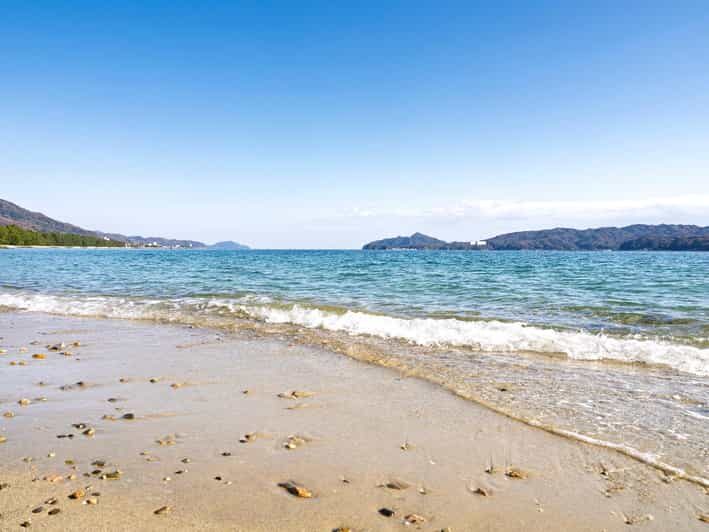
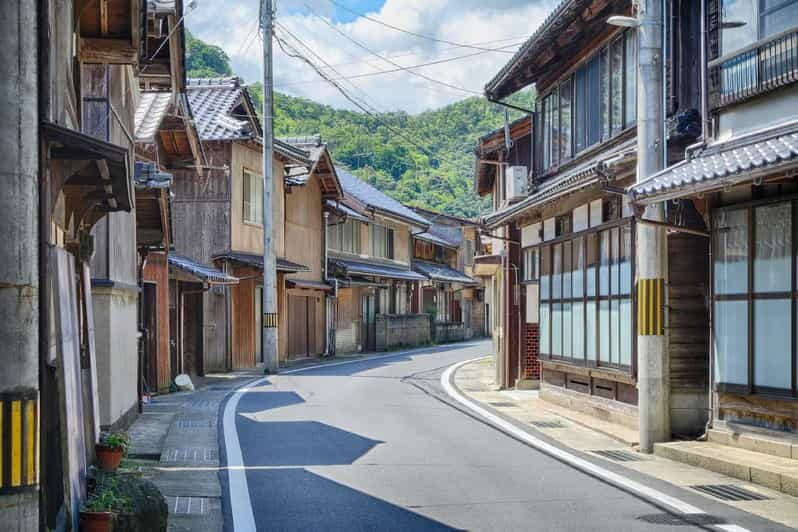
Ine’s funaya are traditional wooden boat houses lining the shore. Their position at the water’s edge gives the village a distinctive look and makes the bay itself part of the experience. Walk through the village and take in the buildings and calm coastal setting; the stop is about 45 minutes.
Some visitors may use that window to head up to an observatory for a wider view, but it is a short visit whichever way you spend it. The time is not generous enough for a leisurely meal and a full walk around the village. If you want to eat in Ine, you may need to keep the visit focused and check the group’s meeting time carefully.
Ine is not a staged historical set. It remains a working coastal village, so the best approach is to look closely, keep your voice low near homes and respect private spaces. The visual appeal comes from the relationship between houses, boats and bay, not from a long list of attractions.
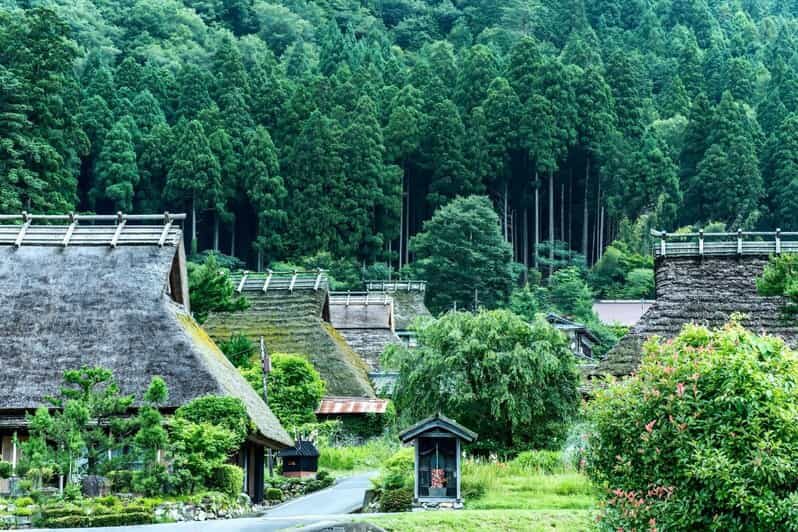
Miyama Kayabuki-no-Sato is a mountain hamlet known for traditional thatched-roof houses. After the coast, the village feels markedly different: more rural and enclosed by hills. The roofs and surrounding scenery shift with the seasons, from green fields in warmer months to autumn color and snow in winter.
You have about 45 minutes here, with time to walk around and take photos. The Miyama Folk Museum is also listed as a stop, with free time to visit. The schedule does not specify how long you’ll spend inside, so don’t assume you can explore both the village and museum in depth.
The village also offers traditional crafts and local items such as creamy milk ice cream. These are pleasant extras, not the main reason to come. Carry some cash, since local shops may not accept cards. With the limited stop, you’ll want to decide whether your priority is the village walk, museum, or a snack before setting off.
At a starting price of $52 per person, this is an appealing way to cover three widely separated sights without arranging each connection yourself. The price includes the coach, bilingual guide, transfers from the meeting point, taxes, parking, tolls, fuel and environmental fees. That combination matters: the long drives and multiple stops would be cumbersome to organize independently in one day.
The headline price does not necessarily include every activity. Amanohashidate cable car and Ine Bay cruise admissions are included only if you choose the option with those admissions. Meals, drinks and personal spending are not included, so budget extra for food, snacks and any other purchases.
The best value comes if you want breadth rather than depth. You get a look at three very different settings, plus transport and a guide to keep the day organized. If your goal is to spend half a day alone in Ine or wander Miyama at your own pace, a guided circuit may not be the right fit.
Wear comfortable shoes: you’ll be walking at several stops, including around village streets, temple grounds and the shore. Bring a camera and clothing suited to the weather. The views are a major part of the day, and rain or low cloud can change how much you see from the observation point.
Meals and drinks are not included. The itinerary gives you limited time in Ine and Miyama, so bring a small snack if you prefer not to rely on buying food during those short stops. Keep cash handy for local shops.
The tour is not suitable for wheelchair users or people with mobility impairments. If you’re 70 or older, you’re asked to sign a travel waiver on arrival. Personal travel and accident insurance are not included, so arrange your own cover if needed.
I’d choose this tour if you’re based in Kyoto or Osaka and want to see more of the region without spending a day managing trains and buses. It suits people who enjoy scenic stops, short walks, cultural details and a well-filled schedule. It can work for solo visitors, couples and families who are comfortable following group timings.
I’d skip it if you need an unhurried pace, have mobility limitations, or want to spend substantial time in one place. For most people, the strongest combination is the Amanohashidate viewpoint and Ine’s waterside houses, with Miyama providing a satisfying rural finish. Book it for variety and convenience, and go in knowing that the countryside views come with a fairly full day.
“This was an awesome trip. It was great to get away from the crowds. This had mystic views.”
The tour lasts about 10 hours. The coach ride takes roughly two hours each way, with visits to Amanohashidate, Ine and Miyama between the transfers.
Yes. Osaka departures return to Osaka, and Kyoto departures return to Kyoto. An Osaka departure does not include a Kyoto stop, or vice versa.
They are included only if you select the option that includes those admissions. Check the chosen option when booking, since the starting price does not necessarily cover both.
No. Meals and beverages are not included. Local shops may not accept credit cards, so carrying cash is useful.
Bring comfortable shoes, a camera and weather-appropriate clothing. Cash may also be useful for purchases at local shops.
No. The tour is listed as unsuitable for wheelchair users and people with mobility impairments.
You can check availability for your dates here: