Physical Address
304 North Cardinal St.
Dorchester Center, MA 02124
Physical Address
304 North Cardinal St.
Dorchester Center, MA 02124

Review the Swiss Travel Pass for trains, boats, buses, museums, and mountain trips, with practical advice on cost, reservations, and who benefits most.
Switzerland is a country where the journey can be as memorable as the destination, and this pass makes it easier to link alpine towns, lake boats, and city trams without stopping to buy a ticket for every leg. It covers an extensive network of trains, buses, boats, and urban transit for a set number of consecutive days.
I like two things in particular: you can change plans without recalculating every fare, and the pass adds real value for museums and mountain excursions. Rigi, Stanserhorn, and Stoos are included, while many other mountain trips are discounted.
The trade-off is the upfront cost. At $308 per person, the pass pays off best when you travel frequently or combine long-distance rides with museums and excursions. A quiet trip with few transport days may cost less with individual tickets.
The Swiss Travel Pass is a transport and sightseeing pass, not a guided tour with a set itinerary. You choose where to go, and the pass gives you room to link destinations by rail, bus, boat, and city transit without buying a separate ticket for each covered ride.
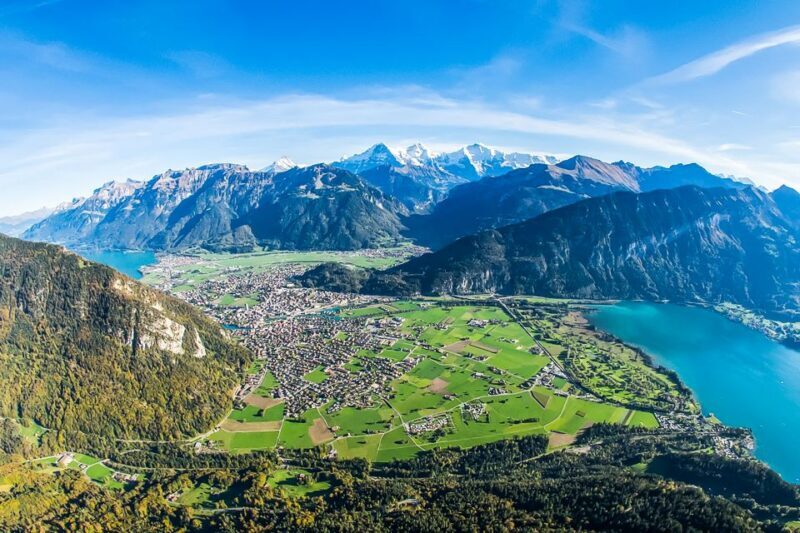
That flexibility suits a trip that moves across regions. You might travel between Zurich, Lucerne, Interlaken, Zermatt, and Basel, or base yourself in one place and take day trips by boat and train. The pass works particularly well when your plans include several journeys on the same day, or when weather and mood could change what you want to do.
Choose from 3, 4, 6, 8, or 15 consecutive days. Consecutive is the important word: the pass is designed for a travel stretch, not a handful of scattered days across a longer holiday. Match the length to the days you expect to use public transport heavily, rather than automatically buying a pass for every day you are in Switzerland.
For a short stay, a three-day pass might fit a compact route with several train rides and an excursion. For a longer trip, the 8- or 15-day options give you more freedom to spread out your travel. The right choice depends on how often you will move, not just how long you will sleep in the country.
More ways to experience Central Switzerland from the water include these boat tours
The strongest part of the pass is its broad coverage. Long-distance trains connect major destinations, while postbuses and local transport help you continue beyond the main rail stations. Boats add another way to travel between lakeside towns, and city transport is included in 90 urban areas, with trams and trolley buses among the covered services.
That range can simplify the small transitions that make a trip feel fiddly. You can leave a train, continue on a bus, and later board a boat without needing to stop and price each leg separately, as long as the service and route are covered by the pass. On many ordinary journeys, you simply show your pass when an inspector asks.
For planning, the SBB app is a useful companion. It helps you check connections and work out how to get between towns and local stops. The pass covers transport, but it does not remove the need to check departure times, platforms, or whether a particular service needs an extra reservation.
The system’s convenience has a practical payoff: you may be more willing to take a short ride or change plans when it does not mean another ticket purchase. That freedom is especially useful in a country where scenic stops are often part of the point. Still, keep your official pass accessible on your phone or in print. The ticket inspector needs the Swiss Travel Pass itself, not a booking-platform voucher.
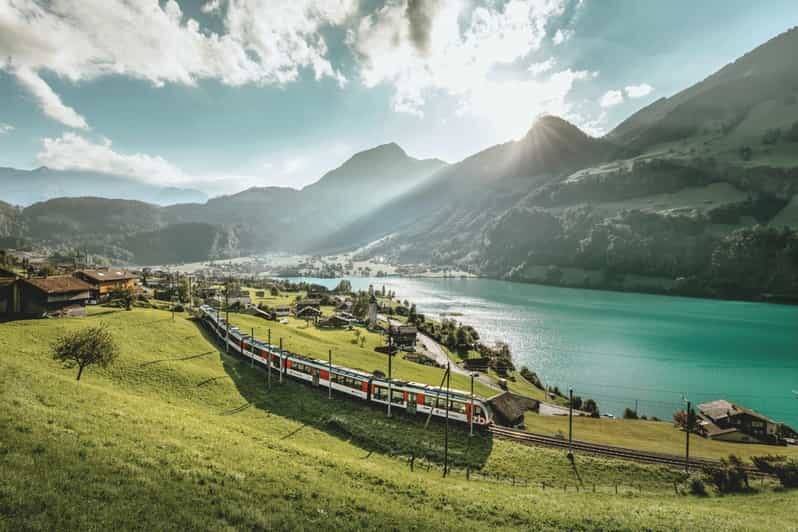
Boat rides are part of the transport network, not merely an optional extra. If your route includes a covered lake service, the pass can make the boat a practical link between towns as well as a scenic change from the train. This is one area where the pass can encourage a slower, more flexible day without adding another fare each time you board.
In cities, the included public transport helps with the last mile between stations, museums, and other stops. That can matter when you are carrying a day bag or trying to fit several sights into a short visit. The pass covers public transport in 90 urban areas, but check the validity for your specific destination and service.
The key is to treat the pass as an invitation to use the network, not as a promise that every transport or attraction in Switzerland is free. Mountain lifts and excursions have their own rules, and some are discounted rather than included. Check the route’s validity before setting off, especially for a high-altitude trip.
More than 500 museums are included, which gives the pass a second use beyond getting around. The named options span different interests: Chillon Castle in Montreux, the Olympic Museum in Lausanne, and the Matterhorn Museum in Zermatt. If you already plan to visit museums, those entries can make the pass more worthwhile.
The benefit also makes it easier to use a poor-weather day well. You can shift from a mountain plan to a museum visit without having to treat the change as a separate, full-price outing. That flexibility is a real advantage in a country where outdoor plans depend on conditions, though the pass does not guarantee that every attraction you want is included.
I would not buy the pass solely because it lists hundreds of museums. The value depends on the museums you actually want to visit and the cost of their individual admission. But if your itinerary already includes several museums alongside train rides, the combined savings can be meaningful.
More Great Tours Nearby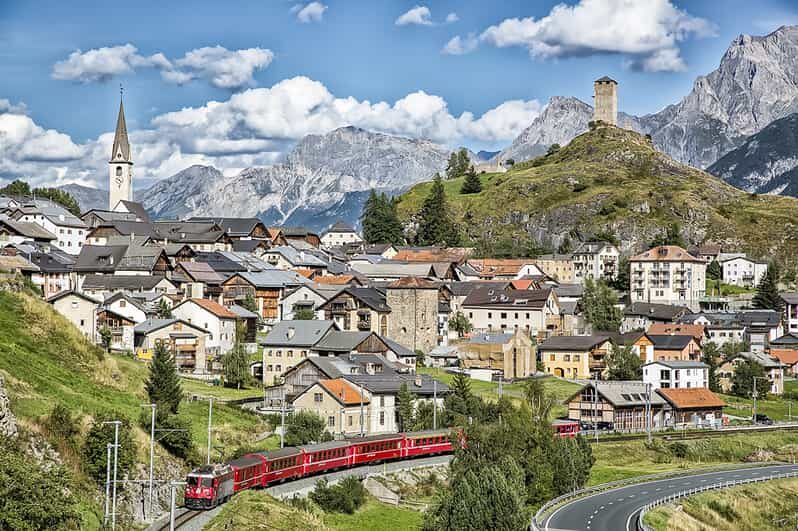
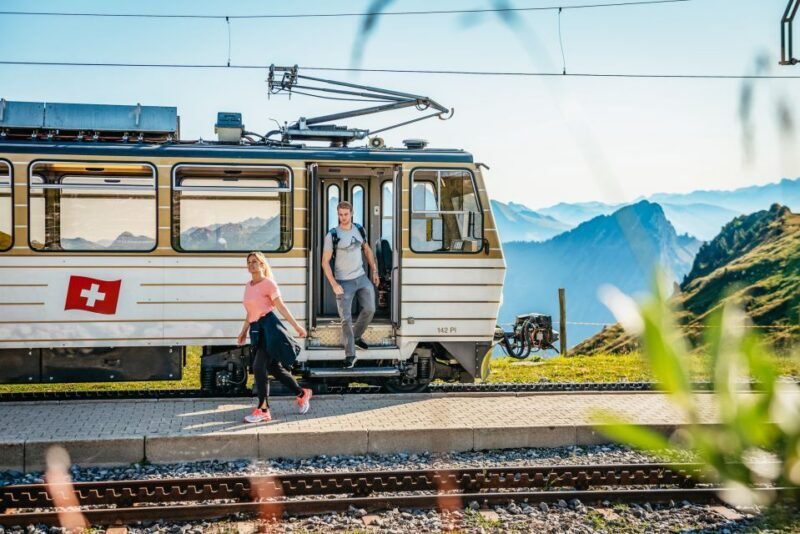
The mountain benefits need a little sorting. Rigi, Stanserhorn, and Stoos are included, while many other excursions receive discounts of up to 50 percent. Examples named for discounted trips include Mount Pilatus, Rochers-de-Naye, Gornergrat, Matterhorn Paradise, and Glacier3000. Exact validity varies by area, so check the pass coverage for the route you have in mind.
This distinction matters when you compare costs. A discounted cable car or mountain railway is still an additional purchase, and a half-price fare is not the same as a free ride. For a trip with several mountain excursions, though, these reductions can make the pass much better value than transport alone.
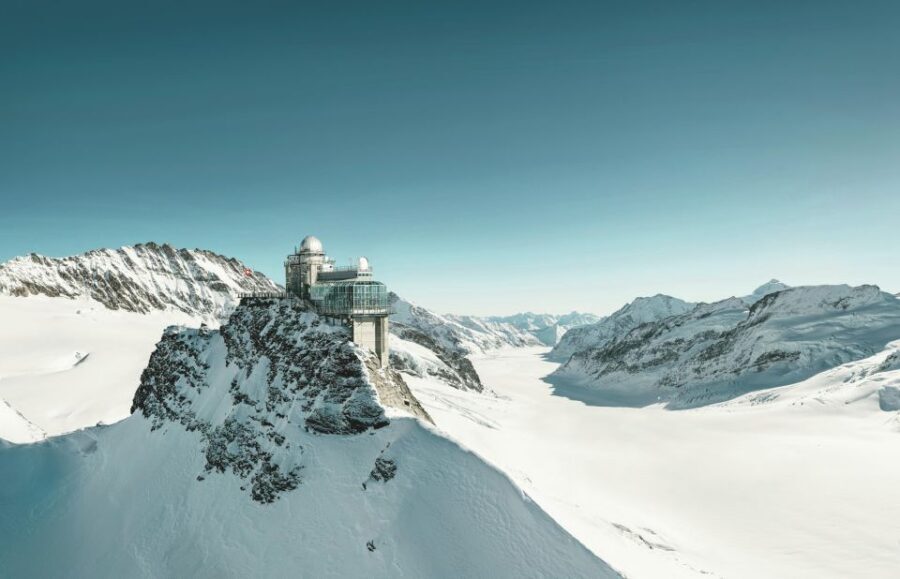
Jungfrau is a good example of why it pays to check before boarding: the pass does not mean every famous mountain ride is free, and you may need to buy an additional ticket at a discounted rate. Treat each excursion as its own cost check. Add the reduced fare to your pass calculation rather than assuming the mountain portion is covered outright.
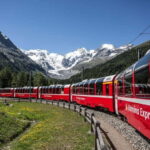
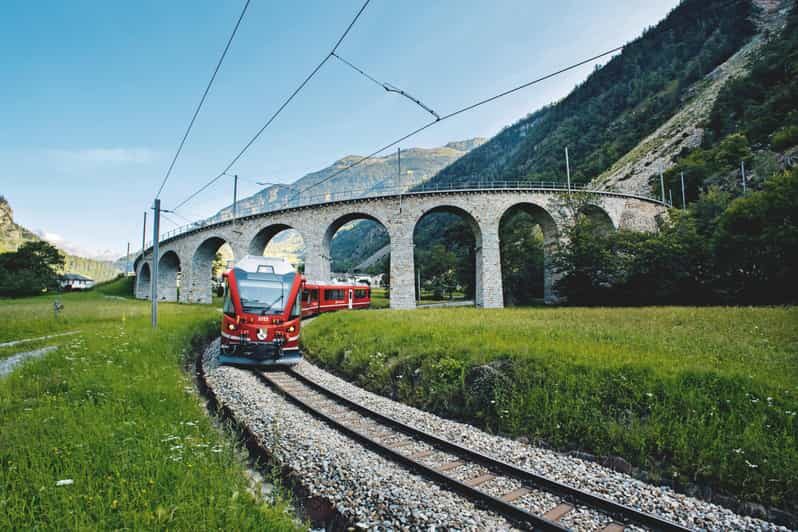
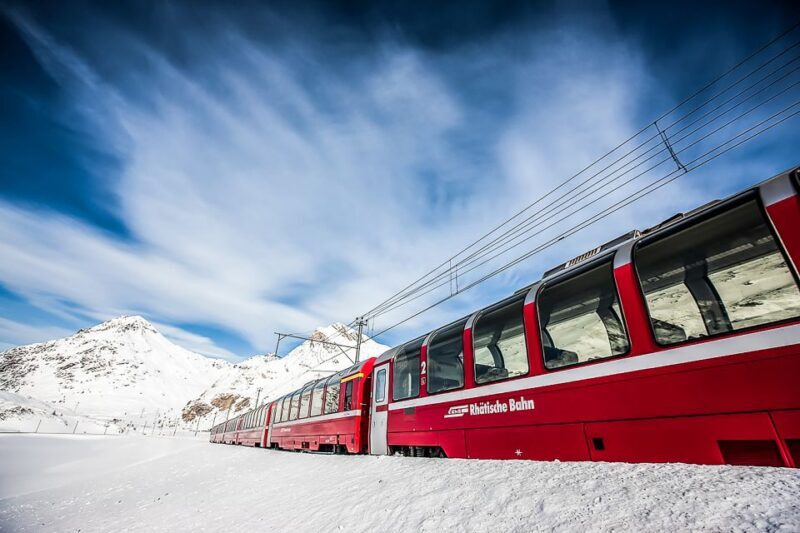
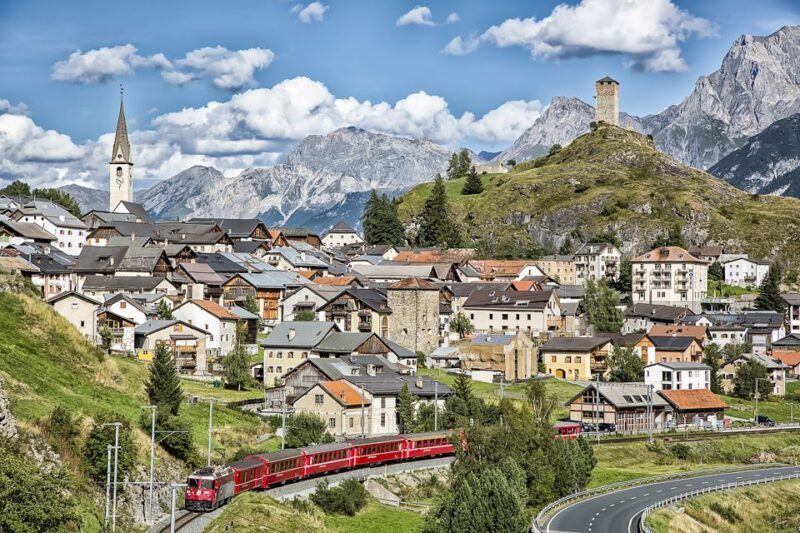
The pass can be used on famous panoramic routes, including the Glacier Express and Bernina Express, as well as the Golden Pass Express and Gotthard Panorama. But the pass does not cover every reservation fee or surcharge. You may need to pay separately to reserve a seat, including on panoramic trains, and some regional services may also require a reservation.
That does not make the pass less useful. It separates the cost of your general transport from the cost of securing a particular seat on a popular route. Before travel, check the reservation requirements for the train and date you want. On routes where reservations are needed, arrange them separately rather than expecting the pass to act as a seat booking.
If you prefer to keep your plans loose, the pass still works well for many other journeys where you can board without arranging a seat in advance. Just avoid treating every train in Switzerland as identical: a scenic named route may have extra rules that a standard train ride does not.
The listed price is $308 per person, with pass lengths from 3 to 15 days. That is a sizable upfront spend, especially if you are used to paying for each ride as you go. But Swiss transport fares can add up quickly across long distances, and the pass also brings museum admission, city transit, boat travel, and mountain discounts into the calculation.
To judge the value, map out the journeys and paid sights you expect to use. Compare the individual transport fares with the pass price, then add the museum admissions and mountain discounts you are likely to claim. The pass tends to make sense for a trip with frequent travel across the country, several modes of transport, or a mix of museums and mountain excursions.
It may be less compelling if you plan to stay in one area, take only a few rides, or skip museums and paid excursions. A pass is not automatically a bargain just because Switzerland is expensive. The best value comes when you use it often and take advantage of benefits you would have paid for anyway.
Families have a notable advantage. Children under 6 travel free, and children aged 6 to 15 can travel free with a Swiss Family Card when accompanied by at least one parent who holds a valid Swiss Travel Pass. The family card must be requested when ordering the adult pass, so do not leave that step until later.
The pass is not available to residents of Switzerland or Liechtenstein. You must live in another country for more than six months before arriving in Switzerland and provide proof of residence and citizenship. Bring a passport or ID card, as an inspector may ask to see it.
After booking, the official Swiss Travel Pass is sent by email. Check your inbox and spam folder, and keep the official ticket ready to show on your phone or as a printout. The booking voucher is not the ticket an inspector needs. The pass can be issued no earlier than 180 days before its requested validity date.
Cancellation is available up to 24 hours in advance for a full refund. For travel between October 1 and December 15, 2026, purchasers can also receive up to 50 percent off the Luggage Express Door-to-Door same-day service. That offer is date-specific, so it matters only if your trip falls within that window.
I would put this pass high on the list for anyone planning to travel between several Swiss regions by public transport. It is especially appealing if you want to mix trains with lake boats and city transit, visit museums, or take more than one mountain excursion. Families with children aged 6 to 15 can get strong value from the free Family Card, provided they request it alongside the adult pass.
It is less suited to a stay built around one town with only occasional rides. Before you buy, choose your pass length, list your likely long-distance journeys and paid attractions, and check which mountain routes are free, discounted, or outside the pass’s valid area. If those numbers add up, the pass buys not just transport but the freedom to change your mind without a fresh ticket purchase each time.
“Although we thought it was initially expensive, it was well worth it. The transport is fantastic and meant with the digital pass we could just hop …”
You can choose 3, 4, 6, 8, or 15 consecutive days.
It covers trains, postbuses, boats, and public transport in 90 urban areas, including trams and trolley buses.
Yes. The pass includes entry to more than 500 museums, including Chillon Castle, the Olympic Museum, and the Matterhorn Museum.
Rigi, Stanserhorn, and Stoos are included. Many other mountain excursions are discounted rather than free.
The pass can be used on the Glacier Express, but a separate seat reservation may be required and reservation fees or surcharges are not included.
Children under 6 travel free. Children aged 6 to 15 travel free with a Swiss Family Card when accompanied by at least one parent holding a valid Swiss Travel Pass.
Request it at the same time as you order the adult pass.
Show the official Swiss Travel Pass sent by email, either on your phone or printed. The booking voucher is not the pass.
No. It is not available to residents of Switzerland or Liechtenstein. Buyers must reside in another country for more than six months before arriving in Switzerland and provide proof of residence and citizenship.
Yes. You can cancel up to 24 hours in advance for a full refund.
You can check availability for your dates here: