Physical Address
304 North Cardinal St.
Dorchester Center, MA 02124
Physical Address
304 North Cardinal St.
Dorchester Center, MA 02124

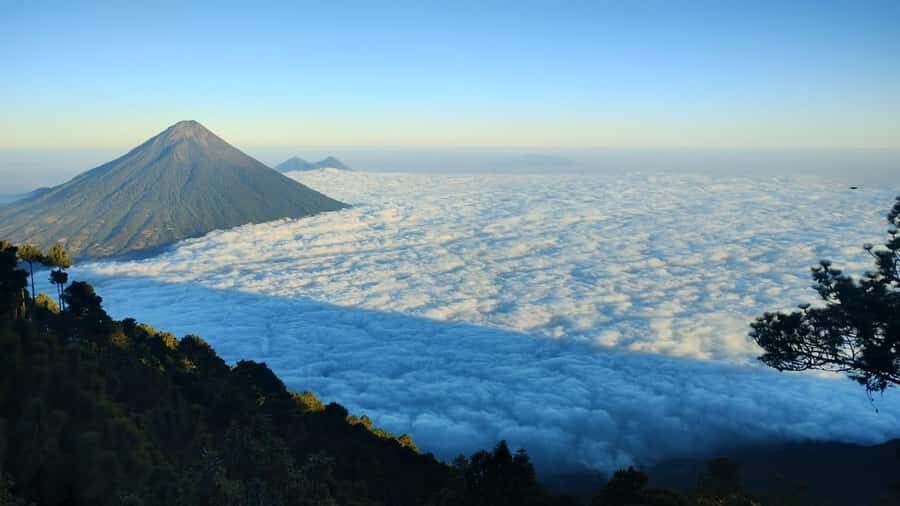
Climb Acatenango from Antigua, sleep at a high camp and watch Fuego glow. See what the tough two-day trek includes and what to pack.
Acatenango is a demanding climb with an extraordinary reward: a night at high camp, watching nearby Fuego erupt across the darkness. The next morning, you can hike higher for sunrise above the clouds, or stay at camp and enjoy the view without another steep climb.
I like the practical package: transport from Antigua, meals, a sleeping bag and warm layers are included, so you don’t need to organize a mountain camp yourself. I also like having a choice at sunrise, and the option to pay extra for a closer approach to Fuego.
The catch is plain: this is a hard, high-altitude hike, not a casual overnight walk. The trail is steep and often loose underfoot, the camp is basic, and guides speak Spanish. Come fit, prepared and ready to share close quarters.
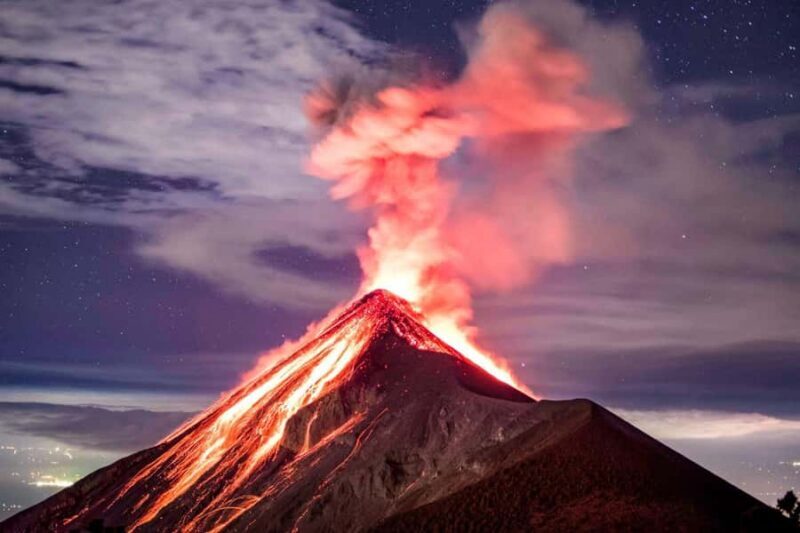
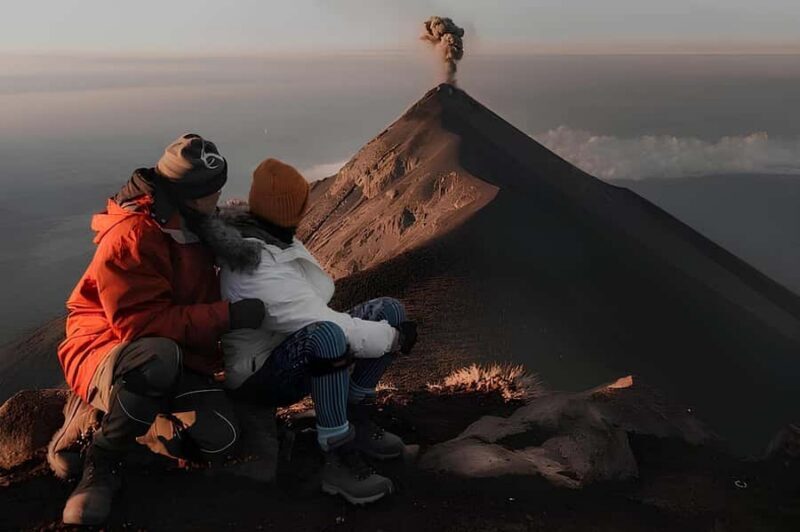
This two-day trip is for people who want to earn their views. Acatenango rises above Antigua, and the climb takes you from the village of La Soledad to a high camp with a direct view of active Fuego. On a clear night, eruptions can light the sky. You may even feel a rumble, though no particular display is guaranteed.
At $54 per person, the tour is an unusually accessible way to tackle a serious mountain outing. The price covers round-trip transport, a guide, meals, shared shelter, a sleeping bag and mat, and a jacket, gloves and cold-weather hat. You still need to pay the Q100 volcano entrance fee, about $13, and bring your own water. The optional Fuego hike costs another Q200.
That price makes sense if you’re comfortable with basic camping and want a guided route rather than organizing the logistics yourself. It is not a luxury trip. Food is simple, sleeping arrangements can feel crowded, and the provided jacket is not waterproof. Pack as if the mountain will be colder and wetter than Antigua.
Pickup is from your hotel or accommodation in Antigua. The group first stops at the provider’s station at 8:45 AM to collect pre-packed food and the supplied cold-weather gear. This is also the time to rent a backpack or flashlight if you need one. Bring cash for the entrance fee, rentals and any snacks or drinks you buy along the route.
From there, transport takes you to La Soledad, where you meet the guides, get a short briefing and begin the climb. The exact arrival time in the village isn’t specified, so don’t plan a tight appointment for later that day. Pickup uses strategic meeting points to keep the trip moving; wait at your accommodation entrance so the driver can find you.
The tour is listed as Spanish-language, so you should be ready to follow instructions in Spanish. Some guides may know a little English, but don’t count on a full English briefing. If you have questions about the route, the pace, or what to do if you feel unwell, ask before the group sets off. A clear understanding of basic safety directions matters on a steep mountain trail.
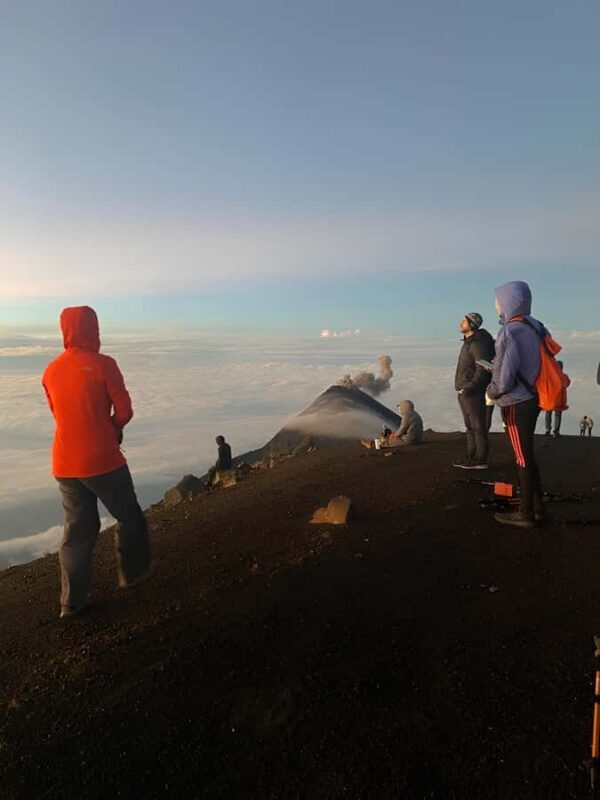
The hike from La Soledad to base camp takes about 4.5 to 6 hours, depending on the group’s pace. It’s a sustained uphill effort, and the altitude makes the work feel tougher than the distance alone suggests. The trail is steep, with loose gravel and volcanic soil that can shift underfoot. On the way down, that same loose surface can make slipping a real concern.
You don’t need to be an elite mountaineer, but you do need a good level of fitness, agility and some hiking experience. The activity is not suitable for children under 11, pregnant people, people with mobility or heart problems, people over 65, or anyone with low fitness. If you have a medical concern, be cautious about treating this as an ordinary hike.
Guides generally keep the group moving at a steady pace, and some trips split into faster and slower groups. Still, this is a shared outing, so you’ll need to cooperate with the group’s stops and timing. Three bathroom breaks are planned on the first day. Carry your own toilet paper, and expect basic facilities rather than comfort stops.
Hiking poles can help on the climb and descent. You can rent a pole for Q50, but bring your own if you have one. Wear hiking shoes or trail runners with strong grip; several hikers have found good-traction trail runners sufficient. A headlamp or flashlight is essential if you plan to do the nighttime Fuego add-on, and useful for camp regardless.
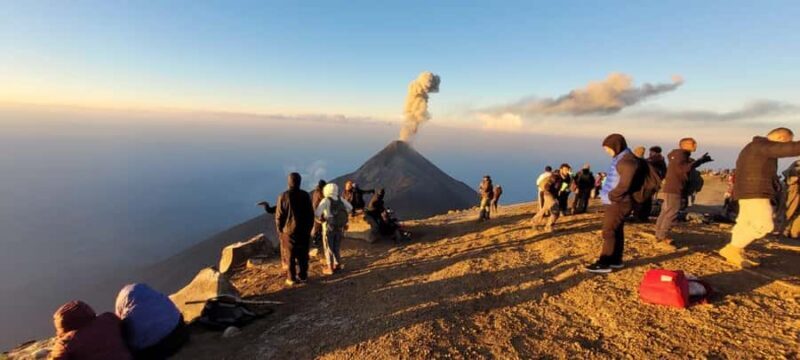
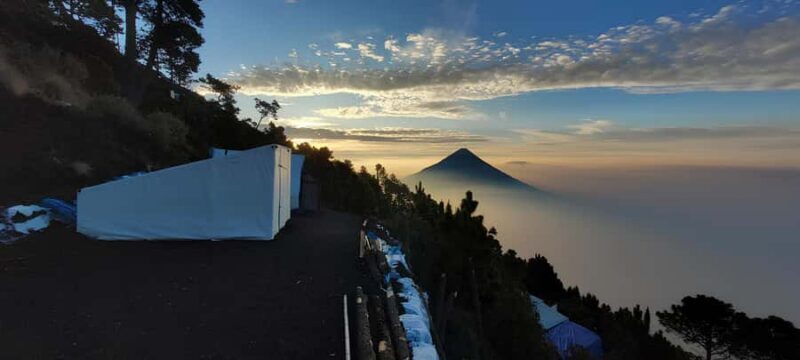
You’ll reach base camp in the late afternoon and check into your sleeping space. The trip includes dome accommodation, a sleeping bag and a mat, but don’t assume a private cabin or a polished campsite. The setup can vary. Some groups sleep in cabins, others in tent-like shelters, and you may share with several people you’ve just met.
This is part of the bargain, and also one of the trip’s compromises. The shelter is functional, not fancy; sleeping space can feel tight, and you should not expect hotel-level cleanliness. Bring a pillow if you want one, plus toiletries and warm clothes for the night. A waterproof bag will protect spare layers and electronics if weather turns.
The view is the reason to be there. From camp, you can watch Fuego’s activity without taking the additional hike. If conditions are clear and the volcano is active, eruptions can be visible through the evening and night. But weather may hide the view, and volcanic activity is not something a tour operator can schedule. Treat the spectacle as a possibility, not a promise.
More Great Tours Nearby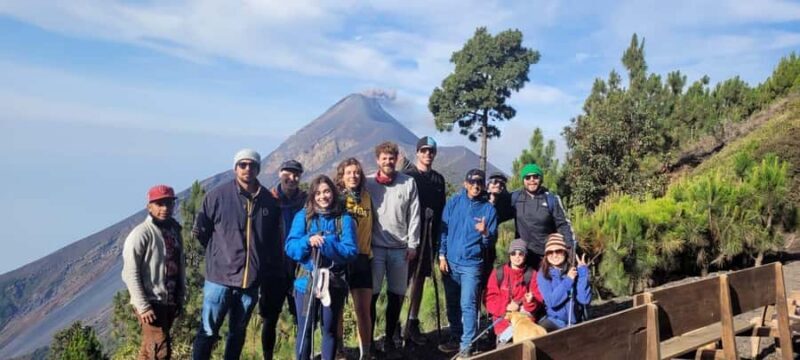
Dinner is included, along with lunch on the first day, breakfast on the second day and hot chocolate. Normal, vegetarian, vegan and gluten-free menus are available. The food is basic and opinions vary, so bring snacks that you know you’ll enjoy. Energy bars, nuts or other filling food are useful after hours of climbing, when a small meal may not feel like enough.
The optional Fuego hike adds another Q200. It brings you closer to the active volcano, but it also means more uphill and downhill walking, often in darkness. That extra effort may be a highlight if you have energy and the weather is suitable. If you’re already exhausted, the view from base camp can be plenty. Bring a working headlamp, not just a phone light, if you go.
Night temperatures at camp can drop close to freezing, and wind makes it feel colder. The included jacket is not waterproof, and some people find the supplied gloves too thin. Pack warm layers, spare socks and a simple raincoat. Sunglasses and sunscreen matter too: the high-altitude sun is strong, even when the air feels cold.
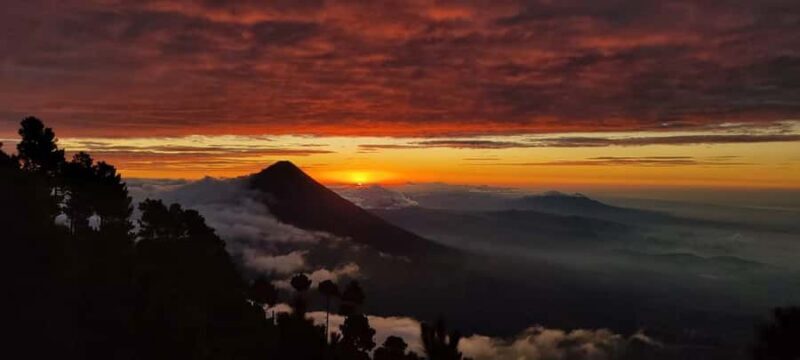
The next morning starts early for the optional hike toward Acatenango’s summit. The trail is steep, and the cold, wind and altitude can make this part harder than expected. If you don’t want to go, you can stay at camp. That’s a useful choice, not a lesser version of the tour: the sunrise view from base camp can also be impressive.
After sunrise, you return to camp for breakfast and prepare for the descent. The trip then follows the route back to the point where you began the previous day, where transport takes you to Antigua and drops you at your accommodation. Your legs may be tired, and the loose gravel can make going downhill surprisingly demanding. Leave some breathing room in your plans for the rest of the day.
A 45 to 55-liter backpack is recommended, though some hikers manage with a smaller pack. The right size depends on how compactly you pack and how much water and food you carry. Your load matters on a climb this steep, so don’t fill a large bag just because you have one.
Bring about 3 liters of water for the hike, plus snacks, hiking shoes, warm layers, spare socks, sunscreen, sunglasses, cash and toiletries. A flashlight, waterproof bag and pillow are also recommended. You can rent a backpack and flashlight at the provider’s station, but bringing your own usually costs less. Shops along the route may sell snacks and water, but don’t rely on them as your only supply.
You’ll be issued a jacket, gloves and a cold-weather hat, but add your own layers. A warm top, extra pants and dry socks can make the night much more comfortable. If you’re doing the Fuego hike, make sure your light is ready before you leave camp. And keep the daypack manageable: you need enough to stay fed, hydrated and warm, not your whole travel wardrobe.
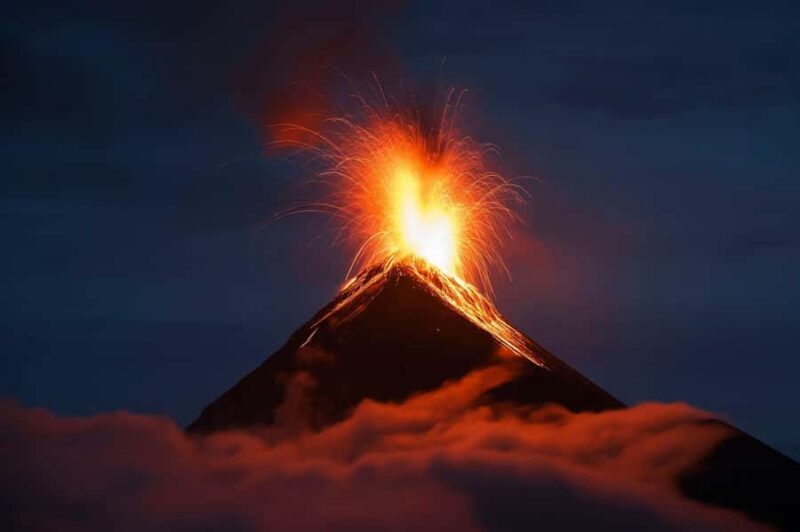
For $54, the core package covers a lot: transport from Antigua and back, a guide, meals, a sleeping bag and mat, basic accommodation, and some cold-weather gear. The logistics are useful on a route where you need to reach a trailhead, carry supplies and spend a night high on the mountain. The fee is especially appealing if you already own suitable shoes and outdoor layers.
The real cost is higher once you add the Q100 entrance fee, your water and any rentals. The Fuego add-on is another Q200, and snacks or extra gear can add more. Work out the total before setting off, and bring cash. The price buys a budget mountain trip, not a private guide, spacious lodging or elaborate meals.
The main value is access to a challenging overnight climb with transport and camp essentials arranged. If that is what you want, the price is compelling. If you expect comfort, plenty of English instruction or gourmet food, spend more time comparing options before booking.
Choose this trip if you’re reasonably fit, enjoy a hard climb and can accept simple shared camping. You don’t have to be an experienced mountaineer, but you should be honest with yourself about steep uphill walking, altitude, cold and a long descent. Training with hills or stairs beforehand can help you arrive with stronger legs and a better sense of your pace.
If you’re worried about the summit, remember that the sunrise hike is optional. You can also skip the extra Fuego climb and watch from camp. Those choices make the trip more flexible, but they don’t remove the demanding first-day hike to base camp.
The guide team can make a major difference to how supported you feel. Guides named by participants include Luis, Roberto, Esbin, Ronald, Saul and Osbar, though you won’t know who is assigned to your departure. Expect Spanish as the main language, and don’t assume every guide will speak English. If you need close support or have a health concern, raise it before the climb rather than hoping it will be sorted out on the trail.
Book it if you want a serious physical challenge, can carry your own water and snacks, and are happy with basic shared shelter. The combination of a high camp, possible Fuego eruptions and an optional sunrise climb is special, and the included transport and equipment make this a strong budget choice.
Skip it if steep, loose trails, cold nights or group-paced hiking sound miserable. If you do go, save your energy for the long climb, pack extra food and warm layers, and treat the Fuego add-on as optional. The views may be unforgettable, but the mountain asks for real effort in return.
“100% RECOMMEND!! So sick dude. I wish I could post videos to this review because pictures don’t do it justice”
The activity lasts two days. The first hike from La Soledad to base camp takes about 4.5 to 6 hours, depending on the group’s pace.
The price includes round-trip transport from your accommodation in Antigua, a guide, dome accommodation, a sleeping bag, a mat, lunch and dinner on day one, breakfast on day two, hot chocolate, a jacket, gloves, a cold-weather hat and luggage storage.
The volcano entrance fee is Q100, about $13. Water is not included, and the optional hike to Fuego costs Q200. Backpack, flashlight and climbing pole rentals may also cost extra.
No. The sunrise hike up Acatenango is optional. You can stay at base camp if you don’t want to climb higher.
The tour is listed as Spanish-language. Some guides may speak a little English, but English is not guaranteed.
Bring about 3 liters of water for the hike. Water is not included in the tour price.
Bring warm clothing, hiking shoes, water, snacks, sunglasses, sunscreen, spare socks, cash, toiletries, a flashlight and a waterproof bag. A pillow and trekking gear are also recommended.
It is not suitable for children under 11, pregnant people, people with mobility impairments or heart problems, people over 65, or people with a low level of fitness.
You can check availability for your dates here: