Physical Address
304 North Cardinal St.
Dorchester Center, MA 02124
Physical Address
304 North Cardinal St.
Dorchester Center, MA 02124

Taste Bologna’s tigella, fresh pasta, local wines, balsamic vinegar, and gelato on a three-hour guided walk through its old town.
Bologna’s food is not a side attraction: it is a way into the city’s daily life. This three-hour walk starts at Neptune’s Fountain and links bakeries, food stops, an old osteria, and a gelateria, with tastings that range from tigella and cured meats to tortellini, tagliatelle, local wine, and gelato.
I like two things about this plan: you get a guided introduction to local food traditions, and the stops are woven into a walk through the old center rather than set apart as a tasting session. The chance to eat the region’s pasta and sample balsamic vinegar makes the tour useful well beyond a quick snack.
One consideration: this is a substantial tasting tour, not a light stroll with a nibble or two. The advertised total is more than 15 food and wine tastings, and the tour is not suitable for vegans or people with gluten intolerance.
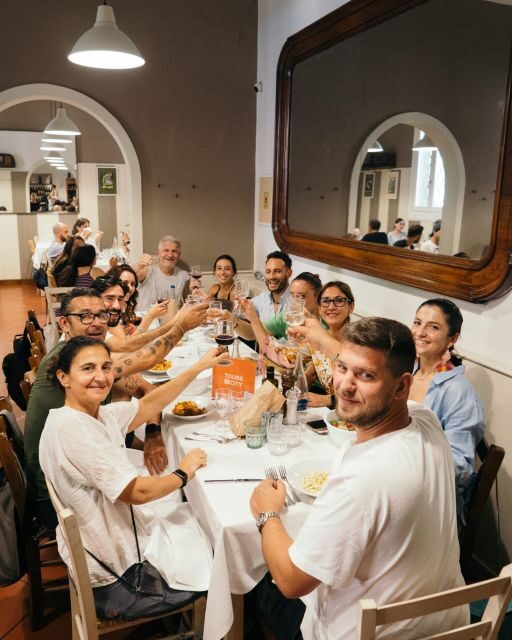
Bologna has a reputation as one of Italy’s great food cities, but it can be hard to know which specialties to seek out and how they fit into local life. This walk gives you a starting point: a guide explains what you are tasting, where it comes from, and why it matters to the region.
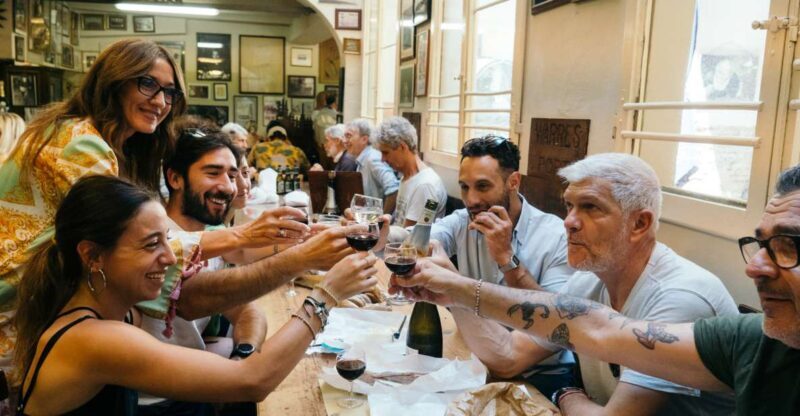
The format is social as well as culinary. Rather than sitting down for one long meal, you move between food businesses and share tastings with the group. At the oldest osteria, the tour brings together food gathered along the way with local wine, a convivial setup that gives you a taste of how informal eating can work in the city.
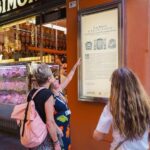
Guides named by participants include Roberta, Valentina, Stefania, Eugenio, Erica, Sonia, and Darren. The names vary, but the role is central: people particularly value guides who link the food to Bologna’s history and traditions, answer questions, and offer tips for later meals.
If you enjoy exploring Bologna on foot, these walking tours might also suit your style
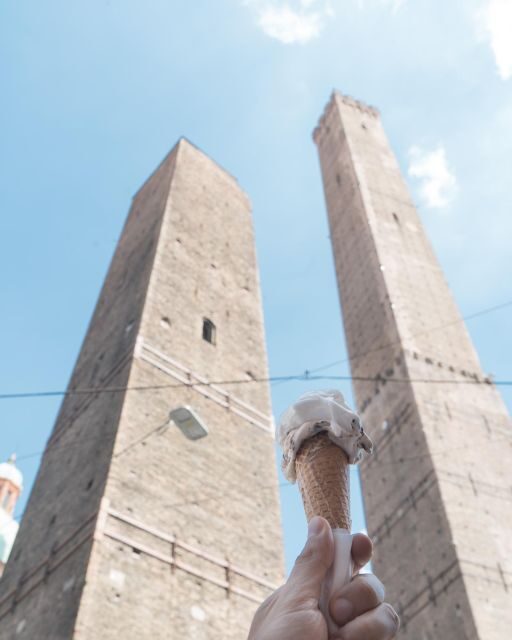
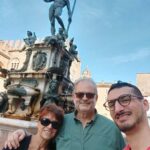
The meeting point is Fontana del Nettuno, a landmark in the old center. Look for your guide in front of the statue with an orange umbrella. Starting at a recognizable city landmark makes the first meeting straightforward, and the walk ends near the Two Towers, so you finish close to another major sight.
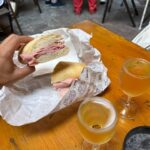
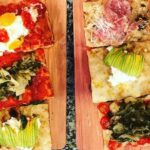
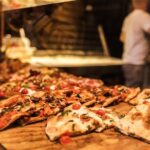
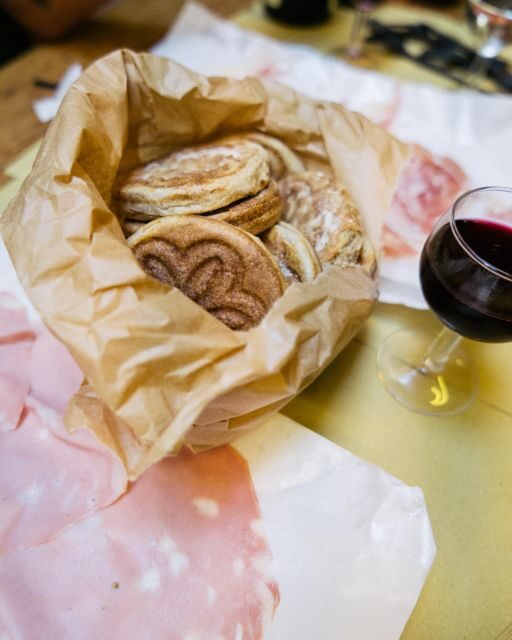
The opening stop is a local bakery, where the scheduled visit lasts about 40 minutes and includes a guided introduction and food tasting. The tour then makes a shorter, 20-minute stop for street food and regional specialties. Tigella, a small bread associated with Bologna, is presented as a pre-aperitivo, an early bite before the more substantial food and wine to come.
These first stops set the pattern: taste, learn a little about the product, then continue on foot. I like that the food is not treated as a list of famous dishes detached from place. The guide can explain what is regional and how locals eat, while the walk helps you connect individual stops to the old center around them.
The exact shops and tastings can change with the season and on public holidays. That flexibility is practical for a food tour, but it means you should not expect every stop to be identical each time.
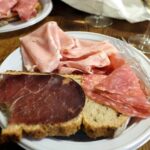
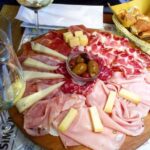
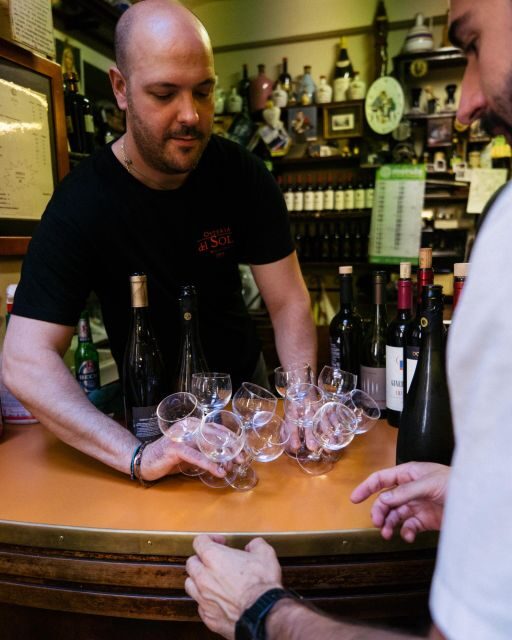
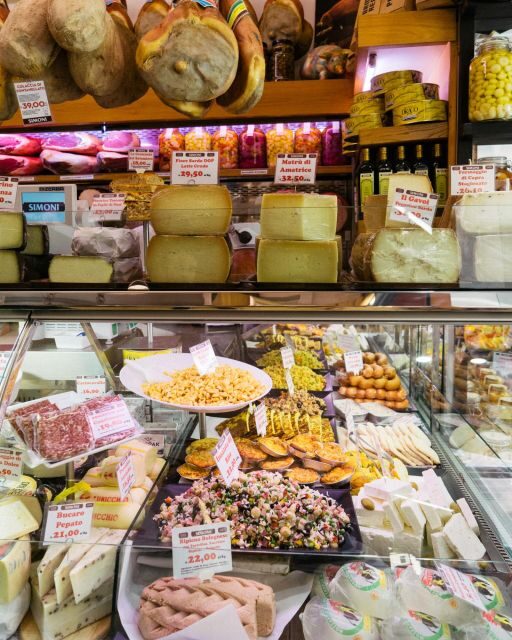
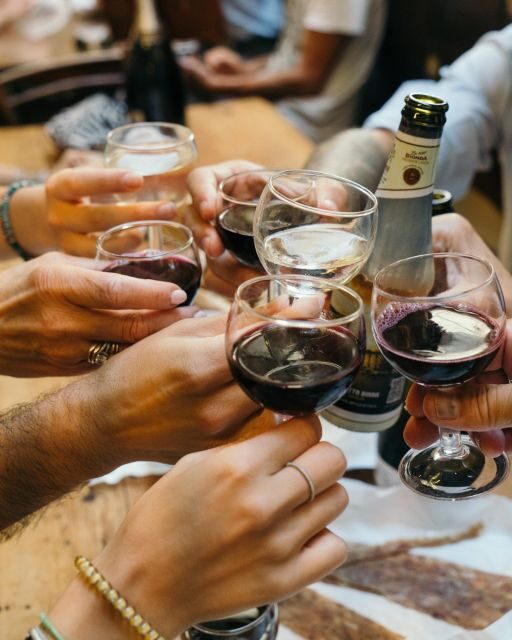
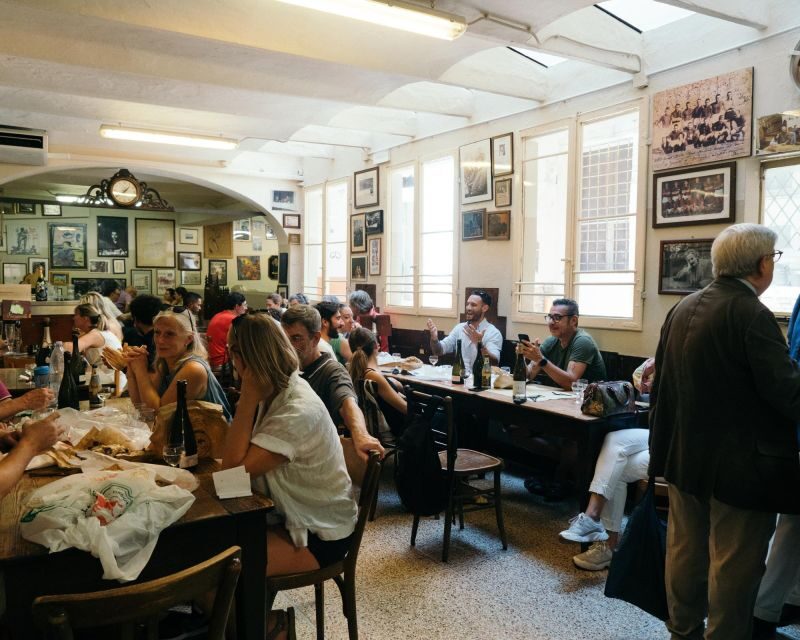
A 40-minute stop at Osteria del Sole is one of the tour’s distinctive pauses. It is described as the city’s oldest osteria, and the experience combines local wine with cold cuts, cheeses, and bread sourced from the Bologna area. Some groups collect food at earlier stops and bring it together here to eat, a simple arrangement that makes the tasting feel more like a shared meal than a succession of samples.
This is also where the regional variety becomes easier to appreciate. Cured meats and cheese are not merely something to eat between pasta courses; they are a practical way to compare local products and hear what makes them distinct. The guide may also discuss how balsamic vinegar is made and let you try a locally produced version. People have valued learning about the production and standards behind balsamic and Parmigiano Reggiano, rather than tasting them with no explanation.
The osteria stop comes with one useful expectation: it is a place to buy local wine and eat, not a conventional restaurant meal with a set menu. That informal approach is part of the appeal, but it may not suit someone hoping for a quiet, private dining experience. You will be sharing the stop and the food with your group.
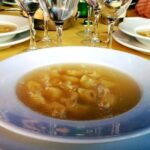
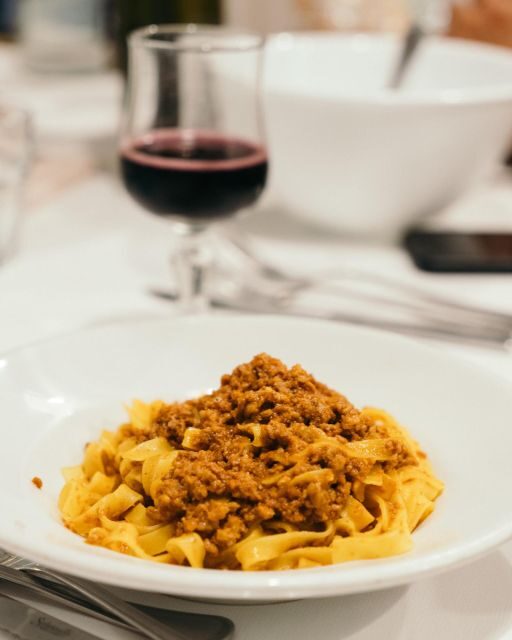
The longest scheduled food stop is a one-hour visit to a local restaurant. Here, you try two well-known pastas from the region: tortellini and tagliatelle, served at a traditional Bolognese osteria. The tour pairs these with more local wine, so this is the point when the experience feels most like a meal.
The pasta tasting is a strong reason to take the tour early in your stay. Bologna’s food culture can be confusing if you are new to the region, and a guide can help connect the dishes to local habits and ingredients. You also get a chance to ask what to order later, which can be more useful than simply collecting a list of restaurant names.
There is a practical tradeoff: after the earlier bread, meats, cheeses, and wine, a pasta course adds up. People often finish the walk very full, so do not plan a large lunch or dinner immediately before or after it. If you are keen to try every bite, arrive hungry.
More Great Tours Nearby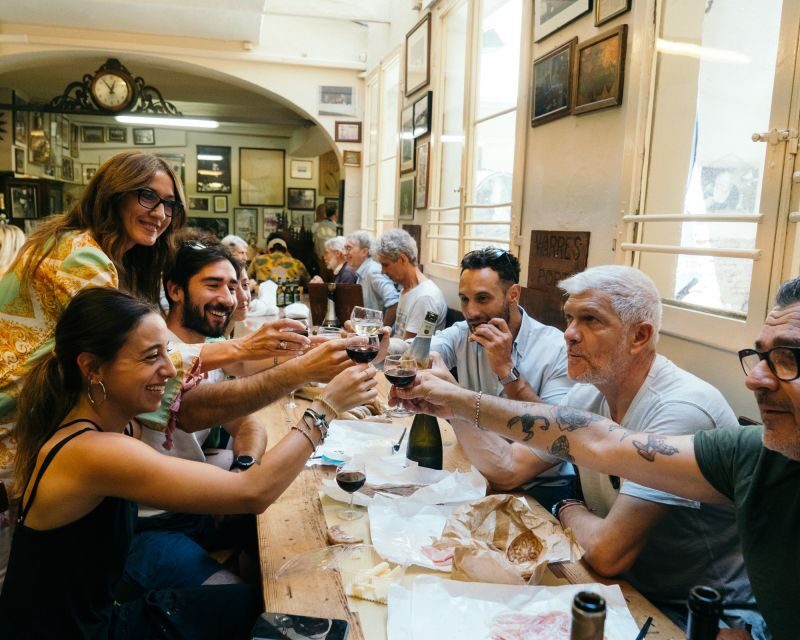
This is not only a tasting walk. The guide also shares anecdotes about Bologna, its history, and local traditions. The balance matters: food is the main draw, but the city context can turn a good meal into a better understanding of the place where it is made.
Balsamic vinegar is one example. You hear how it is made and get to try a locally produced version. The topic can involve a surprising amount of detail, from production methods to certification. A guide who explains those differences gives you a better basis for deciding what you like and what might be worth buying.
Wine appears at the osteria and alongside the pasta, so it is part of the meal rather than an isolated tasting. The tour is not presented as a specialist wine class, though. If you want detailed instruction on grape varieties or winemaking, that is not the focus. The emphasis is on enjoying local food and wine together while hearing about the region from an English-speaking guide.
For more Bologna culinary adventures, you might enjoy these food and drink experiences
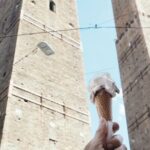
The last stop is a local café or gelateria, with about 20 minutes set aside for dessert and a food tasting. Gelato is a fitting finish after savory food and pasta, and the guide’s choice of gelateria gives you a useful recommendation for your own time in Bologna.
The walk ends at the Two Towers. That ending puts you in a central area where you can continue exploring on foot, or use the guide’s recommendations to plan the rest of your stay. Several guides are also praised for practical advice about restaurants, food shops, and places to find pastries. Ask your questions while you have the local guide beside you, rather than trying to remember them once the group has dispersed.
The tour’s pace includes several stops, but it is still a walking activity. Wear comfortable shoes and dress for the weather. The tour does not allow baby strollers and is not suitable for wheelchair users.
At $86 per person, this is a paid food experience rather than a bargain way to get a single meal. The value comes from the combination: a three-hour guided walk, tastings at five food businesses, more than 15 food and wine samples, pasta, local wine, gelato, and explanations that help you understand what you are eating.
I would judge the price by how much you value guided context and variety. If you already know Bologna’s food scene and would rather choose each shop and restaurant yourself, you may prefer to spend that money on a meal. If you have only a short stay, or want a confident introduction before choosing where to eat next, the tour offers a useful shortcut.
The portions matter to the calculation. This is not a small tasting menu, and you may not finish everything. That can make the tour feel generous, but it also means the value is best for someone who arrives hungry and enjoys trying many different foods. It is less suited to anyone looking for a light snack or a tightly controlled meal.
The strongest fit is for first-time visitors who want food and city context in one outing, curious eaters who like asking questions, and people who enjoy sharing a table with a small group. The walk can also be a good opening activity: you get your bearings, learn what to look for in local food, and leave with suggestions for the rest of your visit.
Tell the operator about dietary requirements before the tour, but note that the experience is specifically not suitable for vegans or people with gluten intolerance. The listed foods include bread, pasta, meat, cheese, and gelato, so this is not a tour built around substitutions. If you have another dietary need, ask in advance rather than assuming each stop can adapt.
The tour runs in English and lasts three hours. Starting times depend on availability. Tastings and stops may vary by season and public holidays, so the precise sequence or selection can change.
You can cancel up to 24 hours in advance for a full refund, and a reserve-now, pay-later option is offered. Those terms help if your plans are unsettled, but the more important decision is whether the food suits you. If you eat broadly and want a guided introduction to Bologna, the format makes sense. If you avoid gluten, eat vegan, or need step-free access, choose another activity.
Book it if you want to taste your way through Bologna with a guide who can connect local products to the city’s food traditions. The combination of tigella, regional cold cuts and cheese, local wine, tortellini, tagliatelle, balsamic vinegar, and gelato gives you a broad sample in three hours, with a particularly appealing pause at Osteria del Sole.
I would book early in a Bologna stay so you can use the guide’s food and restaurant tips afterward. Go hungry, wear comfortable shoes, and leave room in your schedule for a slow meal later. Skip it if you need a vegan or gluten-free menu, wheelchair access, or a light tasting rather than a substantial succession of bites.
“This food tour was great, and I would say a must do when visiting Bologna, the food capital of Bologna! Our guide was great, with a lot of fun fact…”
Meet at Neptune’s Fountain, in front of the statue. Your guide will be carrying an orange umbrella.
The guided walking tour lasts three hours. Starting times depend on availability.
Tastings include tigella, local cold cuts, cheeses, bread, tortellini, tagliatelle, local wine, balsamic vinegar, and gelato. The exact stops and samples may vary with the season and public holidays.
No. The tour is listed as unsuitable for vegans and people with gluten intolerance. You should share other dietary requirements with the operator in advance.
The tour is not suitable for wheelchair users, and baby strollers are not allowed.
You can cancel up to 24 hours in advance for a full refund. A reserve-now, pay-later option is also available.
You can check availability for your dates here: