Physical Address
304 North Cardinal St.
Dorchester Center, MA 02124
Physical Address
304 North Cardinal St.
Dorchester Center, MA 02124

Enter the Third Tunnel, look toward North Korea from Dora Observatory, and add a defector Q&A on this guided DMZ trip from Seoul.
A short drive from Seoul brings you to one of the world’s most heavily guarded borders. This tour takes you into the Third Infiltration Tunnel, built by North Korea beneath the Demilitarized Zone, and up to Dora Observatory, where you can look across the border into the North.
I like two things here: the route pairs historical sites with a direct view of the present-day division, and the optional North Korean defector session gives you a chance to hear personal experiences and ask questions. Guides including Lily, Grace, Yoon, Sadie and Katie are praised for clear explanations, warm energy and keeping the day organized.
The main consideration is that the DMZ is a controlled military area, so access and schedules can change. Bring your passport, expect a full day on a bus and check which option you are booking: bridge visits, hotel pickup and the Monday alternative are not part of every version.
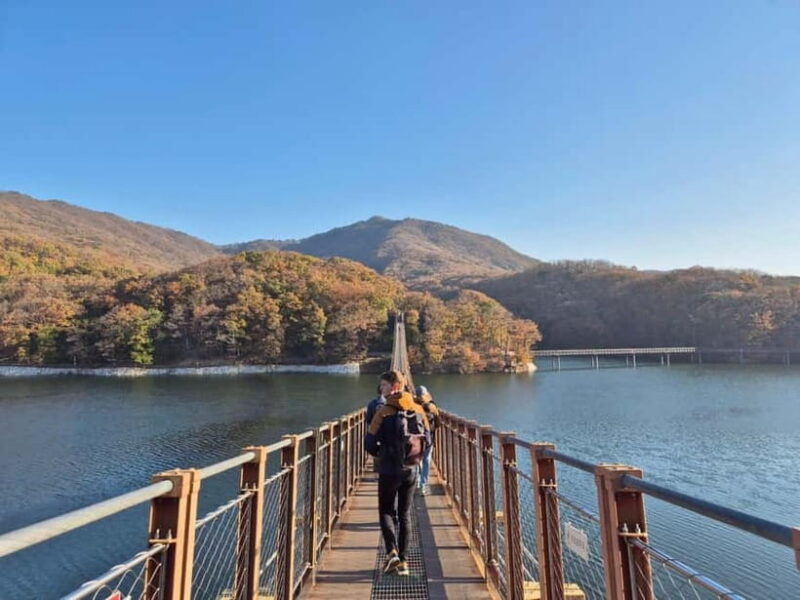
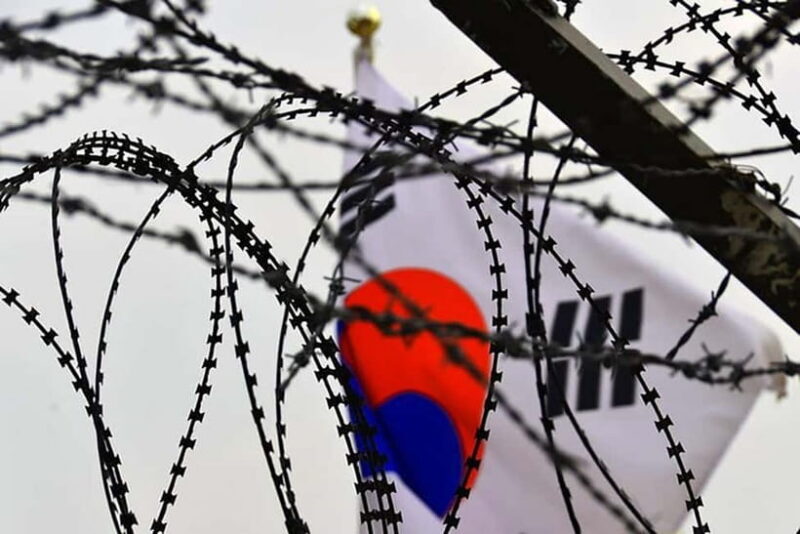
The DMZ can be hard to grasp from a Seoul museum or a news report. On this trip, you travel to Imjingak and pass through a checkpoint on the way to the tunnel and observatory. That sequence connects the Korean War’s legacy to a border that remains guarded and politically sensitive today.
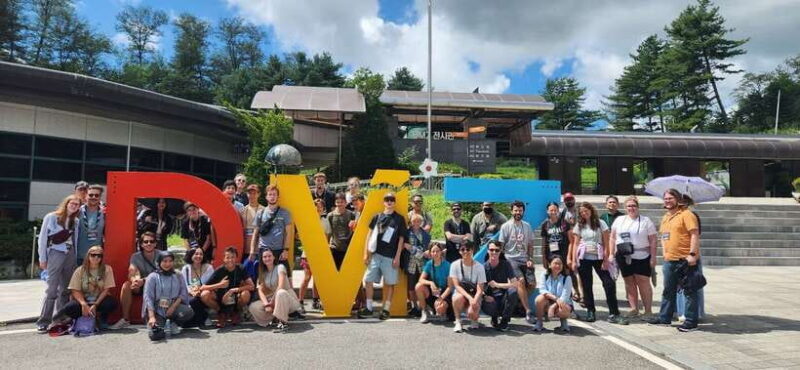
The tour is led by a licensed guide, with English, Chinese and Japanese options. The guide’s role matters: a good explanation helps you understand what you are seeing without turning the day into a list of dates. Guides such as Lily, Grace, Yoon, Sadie and Katie are repeatedly singled out for lively, clear storytelling, answering questions and looking after the group. Several are also noted for helping with photos.
The advertised price is $45 per person, a useful starting point for a day that includes round-trip transport from Seoul, a guide and DMZ admission. The final cost can depend on the option you select, especially if you add the defector session or a suspension bridge. Check the booking details for the price of your chosen version rather than assuming every extra is included.
Looking for more options in Seoul? Here are some other experiences worth considering.
The day begins at a meeting point that varies by tour option. Standard group departures meet at designated places, while the private DMZ-only version offers hotel pickup and drop-off. The information for the standard tour lists transport from Seoul as included but also says hotel pickup and drop-off are not included, so don’t read the general pickup wording as a promise of door-to-door service. Confirm your exact meeting point and transport arrangement before setting out.
Allow roughly an hour for the coach ride each way. That travel time is not dead space: your guide can introduce the division of Korea and explain the sites ahead. The tour information gives a duration of seven hours in one place and up to 510 minutes in another. Treat this as a substantial half-day or longer outing, with the exact length depending on the option and schedule.
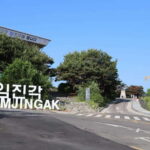
At Imjingak Park, the tour visits Mangbaedan and the Freedom Bridge area. These stops provide a setting for remembering the division and the people separated by it. There is time to look around, take photographs and absorb the place, though the schedule is guided and not an open-ended wander.
The route then passes the Unification Bridge checkpoint. This is an important practical distinction from an ordinary countryside excursion: military restrictions shape where the coach can go and what the day can include. Keep your passport with you. It is required for every participant, and a military ID or ARC is also accepted.
The Third Infiltration Tunnel is the most physical part of the standard visit. North Korea dug it beneath the DMZ toward the South, and the tour takes you inside. The underground passage puts the history of infiltration in close, concrete terms: this is not just a border you view from a platform, but a tunnel built under it.
The listed stop is about an hour, allowing time for the guided visit. One detail that gives the tunnel its unsettling scale is the reported distance from its end point to North Korea, roughly 70 metres. The tunnel is a memorable stop, but it may not suit everyone equally. If you are unsure about going underground, consider that this is a central part of the tour rather than a brief optional photo stop.
A guide helps explain what the tunnel means and how it fits into the broader story of the DMZ. The tunnel itself is striking, but context is what makes the visit useful. Guides are often praised for making complex history understandable and keeping commentary engaging rather than overwhelming.
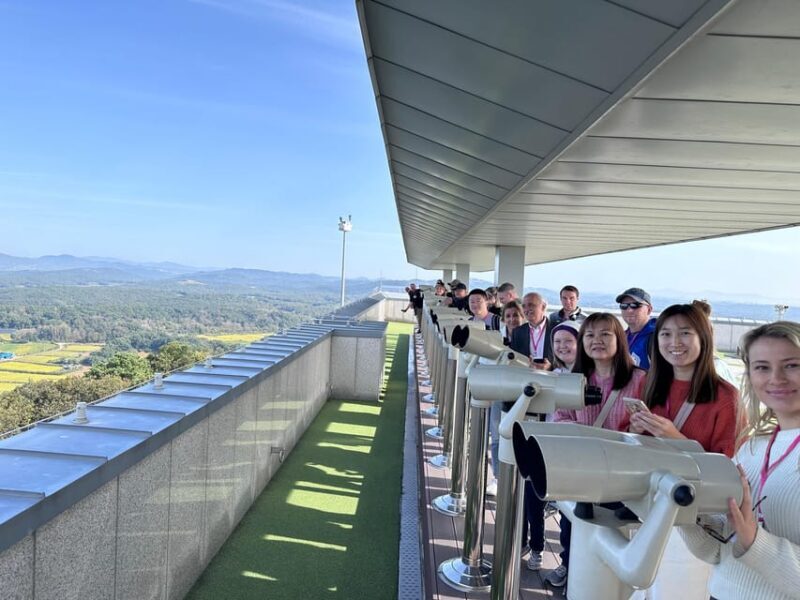
At Dora Observatory, you can look toward North Korea through binoculars. On a clear day, the view offers a rare chance to see beyond the border into the North. It is an unusual and sobering contrast: the place can look calm from a distance, even as the division remains very real.
The stop is listed at about an hour, giving you time to hear the explanation and look for yourself. Bring realistic expectations. The view depends on visibility, and binoculars do not turn the observatory into a close-up window on everyday life. Still, this is one of the tour’s most memorable moments because it makes the map feel like a place rather than a line.
Unification Village is passed on the route, with a brief stop listed in the schedule. It is a short look, not a long village visit, so think of it as part of the larger route rather than a major attraction in its own right.
More Great Tours Nearby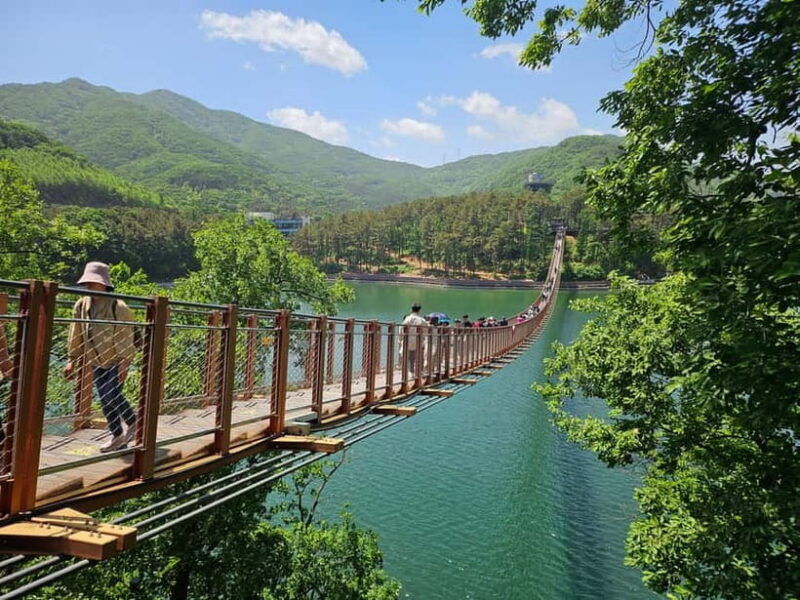
The optional North Korean Defector Meet-up and North Korea Experience Hall is worth considering if you want more than a military and political overview. The hall at Imjingak opened on April 22, 2025, and the add-on includes a chance to meet a North Korean defector, hear about life in North Korea and ask questions.
For many people, this is the most human part of the day. The tunnel and observatory show the physical realities of division; a personal conversation can help you understand how those realities affect an individual. It is also a chance to move beyond broad headlines and listen to one person’s account. The session is presented as an exclusive experience offered with Seoul City Tour, so select it when booking if it is important to you. Do not assume it is included in the $45 base price.
The Q&A is not a substitute for a full history lesson, and one person cannot represent every North Korean experience. But that is part of its value: it is a personal perspective, not a claim to explain an entire country. If you have limited time in Seoul and want the most distinctive add-on, I would prioritize this before a bridge stop.
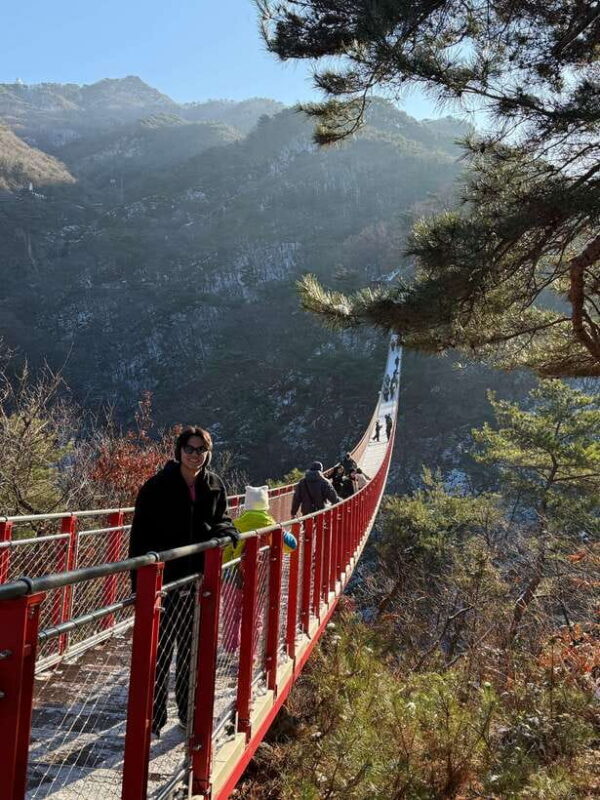
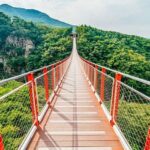
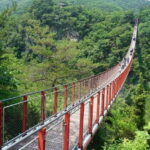
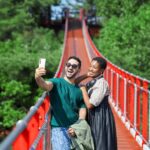
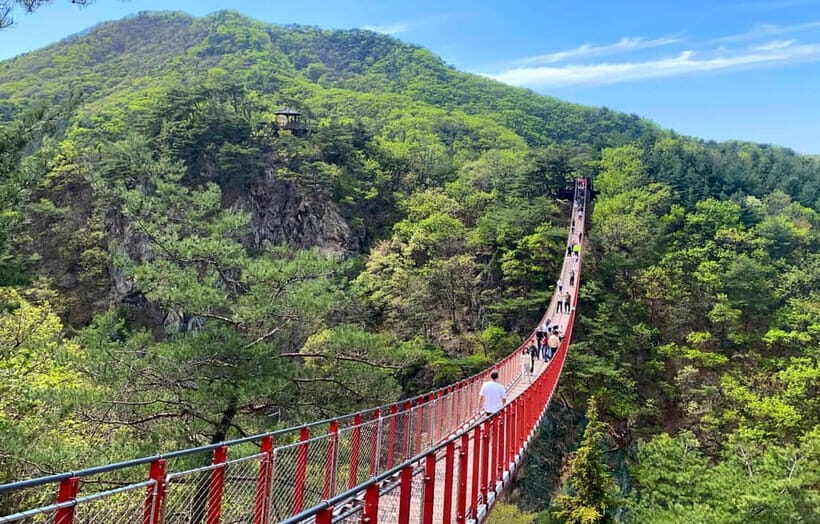
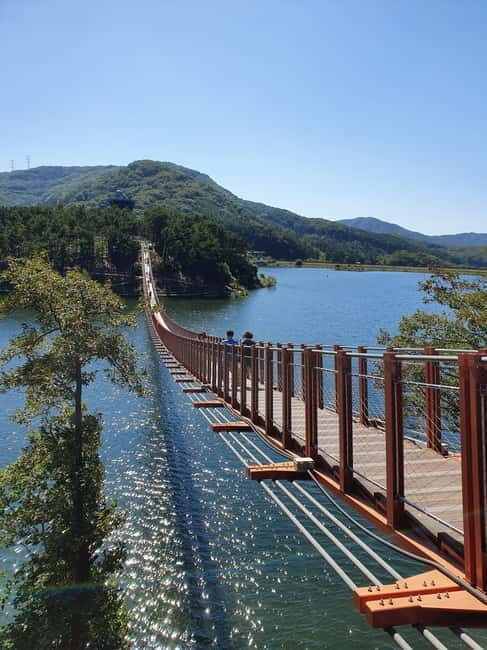
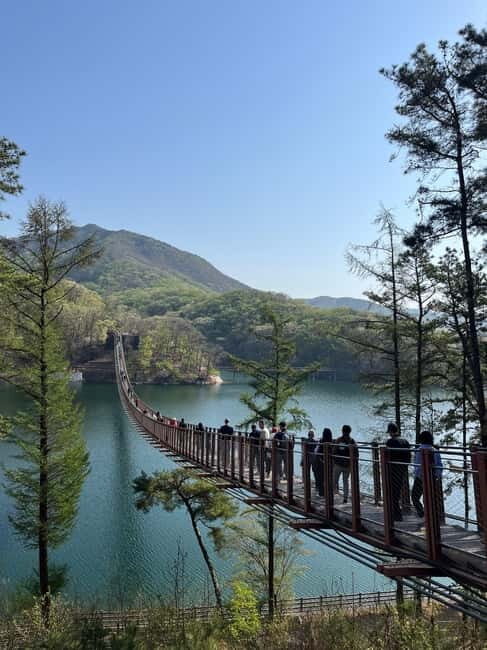
Two tour versions add a suspension bridge before the DMZ route. The Mt. Gamaksan Red Suspension Bridge option pairs the border visit with a bridge stop at the mountain. The Majang Lake Suspension Bridge option begins at the lake bridge instead. Each adds a scenic outing, but they are alternatives, not two stops included in every standard tour.
These bridge visits are listed at about an hour each. They make sense if you want a day with both historical sites and an outdoor viewpoint. The trade-off is a longer, fuller schedule, so choose one because it appeals to you, not because you assume more stops automatically make a better day.
If the DMZ is your main reason for booking, the DMZ-only option keeps the focus on Imjingak, the tunnel and Dora Observatory. If you have already seen plenty of historical sites or want more variety, a bridge version can balance the day. Check the selected option carefully: meeting place and route change with the bridge choice.
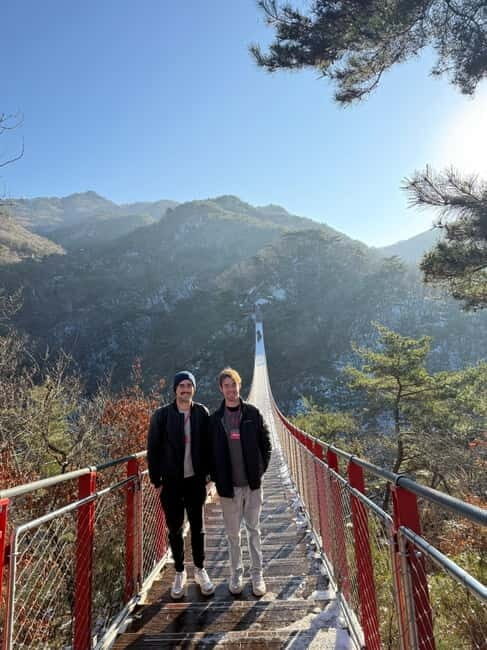
The original DMZ course is officially closed on Mondays. On that day, the operator offers a different route called the Starbucks DMZ Tour, running from 7:30 a.m. to 1 p.m. It starts at Myeongdong Station Exit 9 and visits Aegibong Peace Park, Aegibong Suspension Bridge and Jogang Observatory, also called Starbucks Observatory, before dropping off at City Hall.
This is an alternative course, not a Monday version of the Third Tunnel and Dora Observatory visit. If entering the tunnel or seeing Dora Observatory is essential to your plans, do not book Monday expecting those stops. The alternate outing still focuses on the border area, but it follows a different route.
Military issues or other unexpected events can also affect access. The operator says it may provide an alternative course related to the DMZ if the tour is cancelled for such a reason, with no refund in that circumstance. That uncertainty comes with visiting a restricted military zone, so keep your schedule flexible.
The total duration is described as seven hours and also as 510 minutes, or eight and a half hours. That difference is worth noting when planning dinner, another tour or a train departure. Check the start time for your chosen option and leave room after the scheduled return.
The tour is available in English, Chinese and Japanese. Chinese and Japanese departures require at least three participants; if the minimum is not met, the tour runs in English. If you need a particular language, confirm the arrangement rather than relying on the language option alone.
Bring your passport. The stated rule applies to all participants, with military ID or ARC accepted instead. Food and drinks are not included, and travel insurance is not included. Since the day involves coach travel and several stops, plan your meals around the schedule and carry what you need.
Free cancellation is available up to 24 hours in advance for a full refund, and the booking option allows you to reserve now and pay later. Those terms offer some flexibility, but they do not remove the separate risk of military-related course changes.
This is a strong choice if you want a guided introduction to the DMZ without arranging transport and admission yourself. It suits first-time visitors to Seoul, history-minded families and anyone curious about the ongoing division of Korea. The guides’ energetic, interactive style is a plus if you prefer explanations and questions to a silent coach ride.
I would choose the defector session if personal testimony matters most to you. Choose the red or lake bridge if you want a broader day with an outdoor stop, and choose the standard DMZ-only route if the tunnel and observatory are your priorities. The private option is the one to consider if hotel pickup is important.
Book it if you are comfortable with a structured day, a long coach ride and the possibility that military conditions may alter the plan. Skip it if you need a guaranteed itinerary or want to explore each stop at your own pace. For most visitors with a day to spare, the combination of Imjingak, the tunnel and Dora Observatory offers a clear, grounded way to understand the border.
“Grace was the best! The tour was informative and very well organized, we would definitely do this tour again with her!”
Hotel pickup and drop-off are offered with the private DMZ-only option. Standard group tours meet at designated locations, so check the meeting point for the option you choose.
Yes. Every participant must bring a passport. Military ID or ARC is also accepted.
The duration is listed as seven hours in one place and 510 minutes in another. Check the start time and details for your selected option, and leave flexibility in your schedule.
Tours are offered in English, Chinese and Japanese. Chinese and Japanese tours require at least three participants; if the minimum is not met, the tour is conducted in English.
It is an optional add-on. Select it during booking if you want to visit the North Korea Experience Hall and meet a defector.
The original DMZ course is officially closed on Mondays. A different Monday tour visits Aegibong Peace Park, Aegibong Suspension Bridge and Jogang Observatory.
If military issues or another unexpected issue affect the tour, an alternative course related to the DMZ may be provided. The stated terms say there is no refund in that case.
You can check availability for your dates here: