Physical Address
304 North Cardinal St.
Dorchester Center, MA 02124
Physical Address
304 North Cardinal St.
Dorchester Center, MA 02124

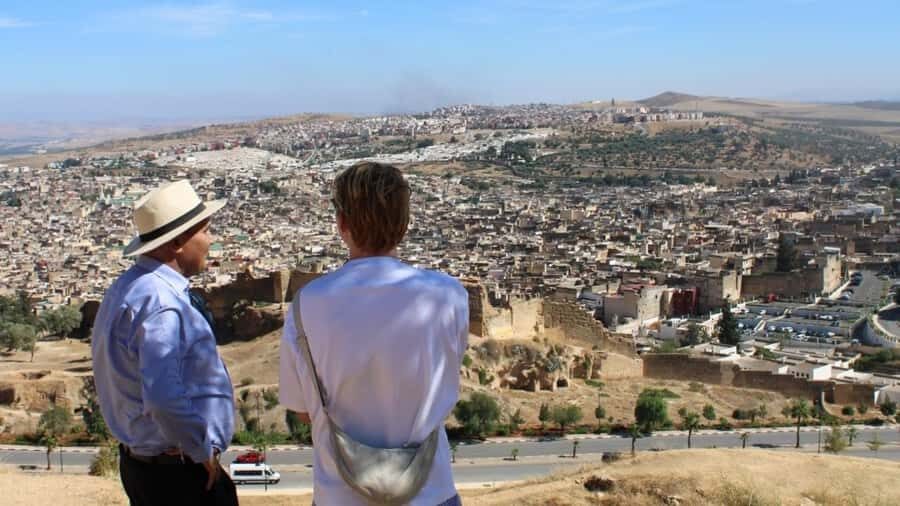
Find out whether Fez’s maze-like medina tour is worth $9, with details on landmarks, craft stops, extra costs, guides, and how to choose a tour length.
Fez’s medina is a place where a good guide can turn a maze into a story. On this tour, you’ll pass food and spice stalls, traditional workshops, the tanneries, and landmarks such as Bouaanania Medersa and the Nejjarine Museum, with a local guide to explain what you’re seeing.
I like two things in particular: you get a practical route through streets that are easy to lose your bearings in, and the craft stops show how local work is made, not just what it looks like in a shop window. A possible drawback is that cooperative visits take time, and some visitors may find repeated sales pitches tiring, even though you’re free to decline.
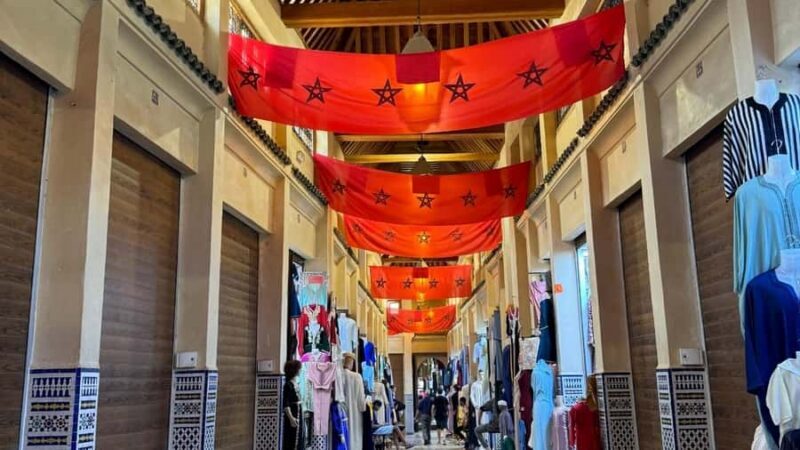
Fez’s medina is one of the world’s largest walled cities, and its tightly packed lanes can make independent exploring a challenge. You may be following a market street one moment and trying to remember which turn brought you there the next. A guide gives you a route, but also the context that makes the streets feel like more than a succession of stalls.
The value here is not just reaching famous sights. A local guide can point out the different trades clustered along the lanes, explain the uses of a building, and help you understand how the medina functions as a place where people live and work. Past tours have been led by guides including Kamel, Jamal, Moustapha, and Houda. The exact guide depends on your booking, but the strongest accounts describe guides who bring history and local life into the walk with stories, humor, and room for questions.
I’d consider this a particularly useful first activity in Fez. You’ll get a broad introduction to the old city, and you can use what you learn to explore more confidently afterward. If you already know the medina well, or prefer to wander without a planned route, the structured walk may feel less essential.
Looking for more options in Fes? Here are some other experiences worth considering.
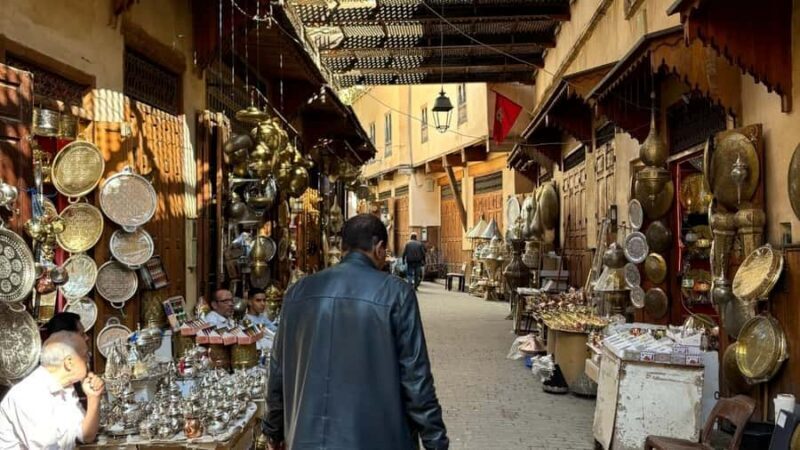
The tour begins with the medina itself: a close-up look at a working city, not a polished open-air museum. Shops sell fresh fruit, spices, woven Berber carpets, and other Moroccan crafts. You’ll also pass market areas associated with different trades, including food, fabrics, and copperwork.
That variety is part of the appeal. The route can show you how the character of the street changes from one kind of work to another, and a guide can help make those details easier to read. Past tours have also included seasonal fruit, purchased by a guide for the group to try. It’s a small gesture, but it suits the tone of a walk that connects the city’s everyday routines with its historic sights.
The lanes are narrow, and the atmosphere can be busy. Don’t expect every corner to look tidy or arranged for visitors. The medina’s appeal lies partly in its ordinary life, so you may see working spaces and crowded passages as well as carefully maintained monuments.
Bouaanania Medersa, also known as Bou Inania, is one of the tour’s main architectural stops. Dating from the 13th century, it offers a chance to look closely at the design and decoration of a historic religious school. A guide can help you notice features you might otherwise pass by while taking in the overall building.
Entrance fees are not included. One past visit involved a separate 20 dirham charge for a madrasa, but fees can change, so carry some small cash and check the current amount. That expense is modest compared with the value of an informative visit, but it matters when comparing the tour’s low starting price with what you’ll actually spend.
Other stops may include the Nejjarine Fountain and the Nejjarine Museum of Wooden Arts and Crafts. The museum focuses on traditional woodwork, making it a useful counterpoint to the busy trade streets outside. The itinerary also names Batha Palace, now a museum of arts and traditions, though the precise sequence of visits can vary with the tour option.
The Quaraouiyine Mosque and the Andalusian Mosque are also part of the route. The Quaraouiyine was founded in 859 by Fatima el Fihri, and the Andalusian Mosque dates to 860. Non-Muslims are not permitted to enter these mosques, so expect to see them from outside rather than go inside. That distinction is worth knowing before you set out, particularly if you are hoping for an interior visit.
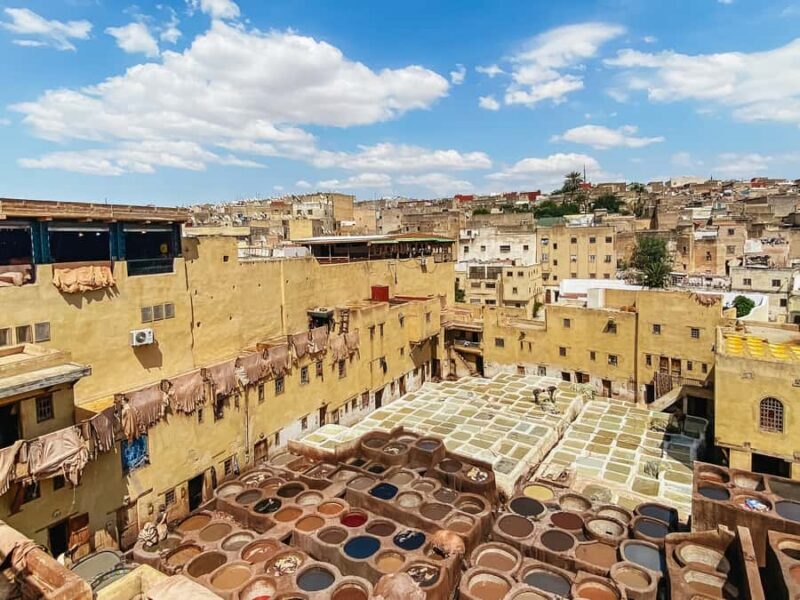
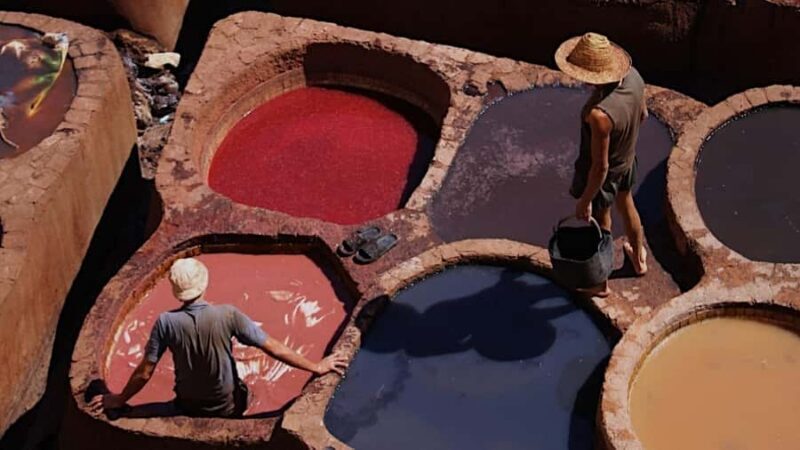
A visit to the tanneries brings you face to face with one of Fez’s best-known crafts. You’ll see leather work in progress and learn about the role of leather-making in the city’s artisan culture. It is a memorable stop because it connects finished goods in the shops with the labor and skill behind them.
This is not a hands-off museum visit. The tanneries are part of the medina’s working life, and the experience may be more intense and less polished than a gallery. The tour description does not promise a particular viewing point or detailed process demonstration, so treat the visit as an introduction rather than a full technical lesson.
The leather stop is also one reason to wear comfortable walking shoes and bring water. The experience involves moving through the old city on foot, and the full-day version can last up to six hours. If you want a focused introduction rather than a long day of walking and stops, the shorter option may suit you better.
More Great Tours Nearby
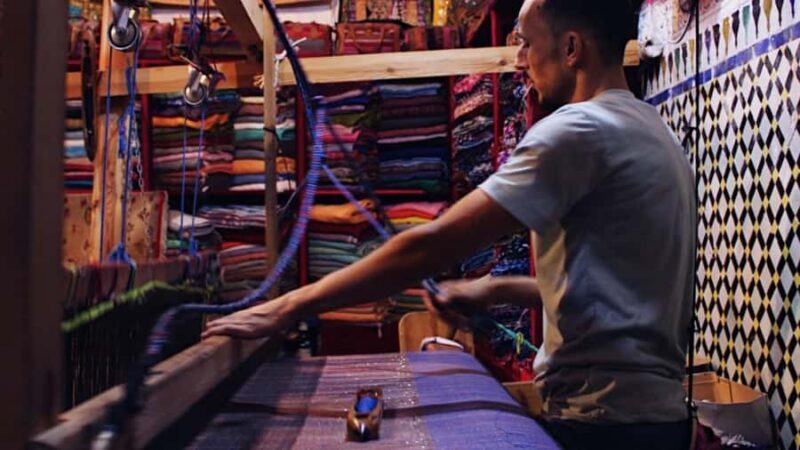
The tour includes visits to artisan cooperatives, which may showcase carpets, leather, pottery, and other traditional crafts. These are intended as opportunities to observe how items are made and learn about work that remains an important part of Fassi and Moroccan culture.
You are not required to buy anything. Some tours have found the cooperative visits relaxed, with staff accepting a polite no. Still, the balance can vary. A full-day visitor described going to seven cooperatives and found the repeated visits tiring, especially when the items on offer were expensive. If you are not shopping, say so clearly and kindly, and remember that you can decline without making a purchase.
There is a useful distinction between seeing a craft and choosing where to buy it. If you do want a carpet, leather item, or piece of pottery, take time to compare prices elsewhere in the medina. Bargaining is expected in markets and shops, but a friendly tone goes a long way. You can enjoy the demonstration without treating it as a shopping obligation.
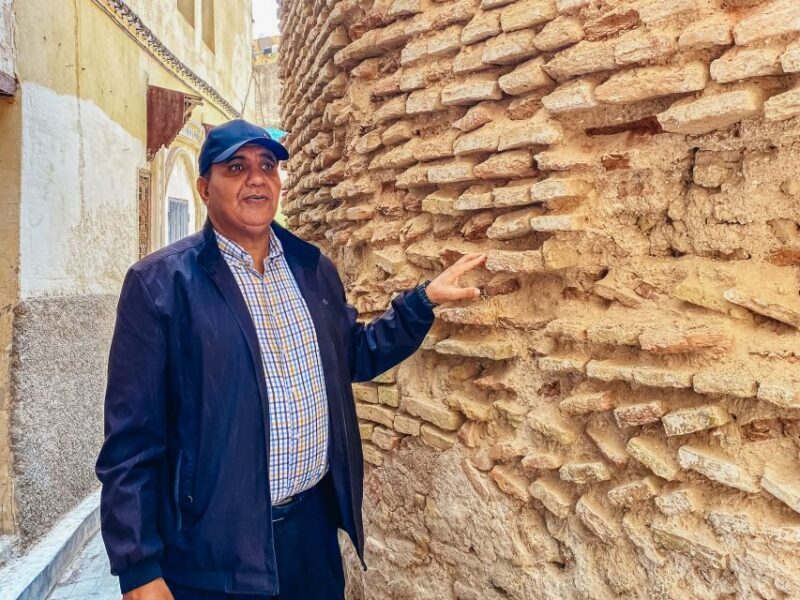
The advertised duration ranges from about 210 minutes to six hours, so check which option you are booking. The shorter tour is a substantial walk through the medina, not a quick stroll. It can cover major sights and provide a strong orientation, especially if you have limited time in Fez.
The full-day option gives you more time and may include a car and driver. One full-day account included a minivan ride around the old city, a view over Fez, and the Jewish area, as well as the royal palace viewed from outside. Those additions are not guaranteed for every departure, so confirm what your selected option covers rather than assuming every group follows the same route.
Longer does not automatically mean better. A full day can be rewarding if you want a broad introduction and have the energy for many stops. It can also mean more craft visits, more walking, and a lunch break. Food and drinks are not included, and a past lunch stop was described as more expensive than other medina options. If you want more control over where and what you eat, bring that up with your guide or plan to eat separately.
Tours usually start around 9:00 a.m., with later morning and afternoon starts possible. Languages include Spanish, English, French, Italian, and Arabic. Private or small-group options are available, and pickup from your hotel or riad can be selected. The meeting point depends on the option you book, so check the details before the day.
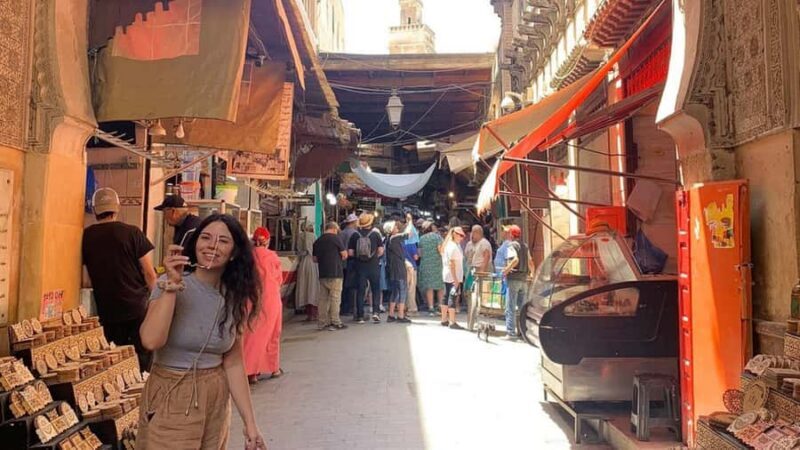
At $9 per person, the starting price offers a low-cost way to get a guide through a complicated historic center. That can be good value if you want orientation, local context, and access to craft demonstrations without paying for a private vehicle or a full-day outing.
But the price is not the whole budget. Entrance fees, food, and drinks are excluded. If you select the full-day option, a car and driver are available, but do not assume they are part of every shorter walking tour. You may also choose to spend money at a cooperative or market, though purchases are entirely your choice.
For value, focus on what the guide helps you do: cover key parts of the medina in a limited time, understand what you are looking at, and avoid spending half the day trying to retrace your steps. A self-guided walk costs less, but the medina’s maze-like layout makes this a case where local help can make a real difference.
Carry small change for attraction fees, public toilets, and local snacks. Tissues or hand sanitizer can be useful because restrooms may be understocked. Bring a reusable water bottle, and pack sunscreen for unexpected sun exposure.
Wear shoes suited to walking on narrow streets, and keep some flexibility in your schedule. Tours may run at different lengths, and a full day can stretch beyond the main medina walk. If you need to leave early, make that clear to your guide. One shorter-tour visitor was escorted to a street that was easier to navigate independently, so it is worth asking for help finding your way onward.
The medina is a real neighborhood as well as a historic attraction. Keep an eye on your belongings, stay with your guide, and be polite in shops and busy streets. You do not need to accept every offer or buy from every workshop. A calm, respectful no is enough.
Bookings can be cancelled up to 24 hours in advance for a full refund, and a reserve-now, pay-later option is available. Those terms are handy if your plans are still taking shape, but the bigger decision is whether you want a short guided orientation or a longer day with extra stops.
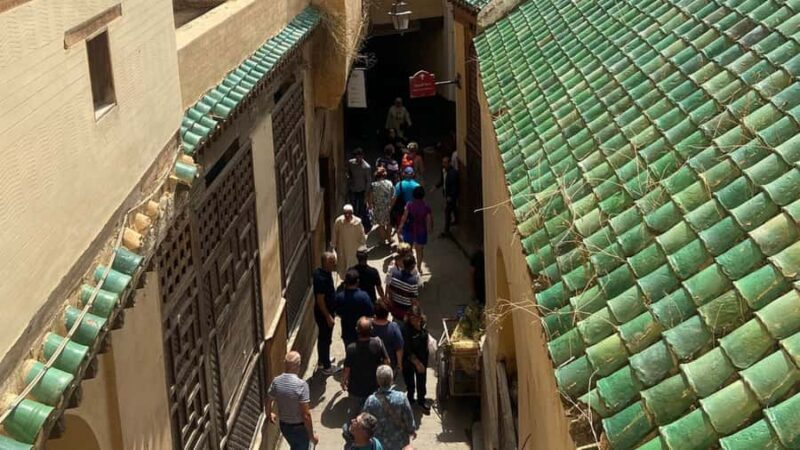
Book this tour if you want to see the medina’s major sights and understand its trades without relying on a map in a maze of narrow lanes. It is especially useful on your first day in Fez, or if you have only a few hours and want a guide to connect the landmarks with local life.
Choose the shorter walk if you want an introduction without committing most of your day. Choose the full-day option if you want a broader outing and are comfortable with extra stops, possible cooperative visits, and a longer stretch on your feet. If shopping visits wear you down, say early that you are mainly there to observe.
The $9 starting price is appealing, but remember that entrances, meals, and drinks are extra. Go for the guide and the orientation, not the promise of a perfectly controlled schedule. With a good guide, Fez becomes easier to understand, and you leave with a better sense of how to explore it on your own.
“Very interesting. Houda is an expert on Moroccan history and culture. I learned a lot.”
The duration ranges from about 210 minutes to six hours, depending on the option you book. Check the selected option to see which tour length is offered.
The tour is offered in Spanish, English, French, Italian, and Arabic.
Pickup from your hotel or riad is available as an option. Check your booked option for the meeting point or pickup details.
No. Entrance fees are not included in the tour price.
No. Non-Muslims are not permitted to enter these mosques.
No. You can observe and learn without buying. You can decline politely if you do not want to purchase anything.
No. Food and drinks are not included in the tour price.
You can check availability for your dates here: