Physical Address
304 North Cardinal St.
Dorchester Center, MA 02124
Physical Address
304 North Cardinal St.
Dorchester Center, MA 02124

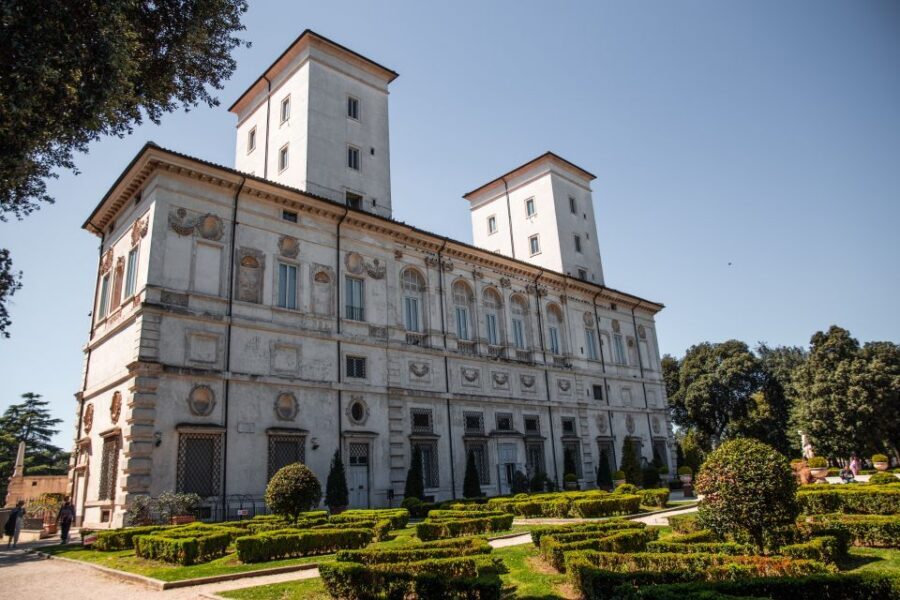
See Bernini, Caravaggio, and Canova at Rome’s Borghese Gallery with a small-group guide, priority entry, and time among the villa’s frescoed rooms.
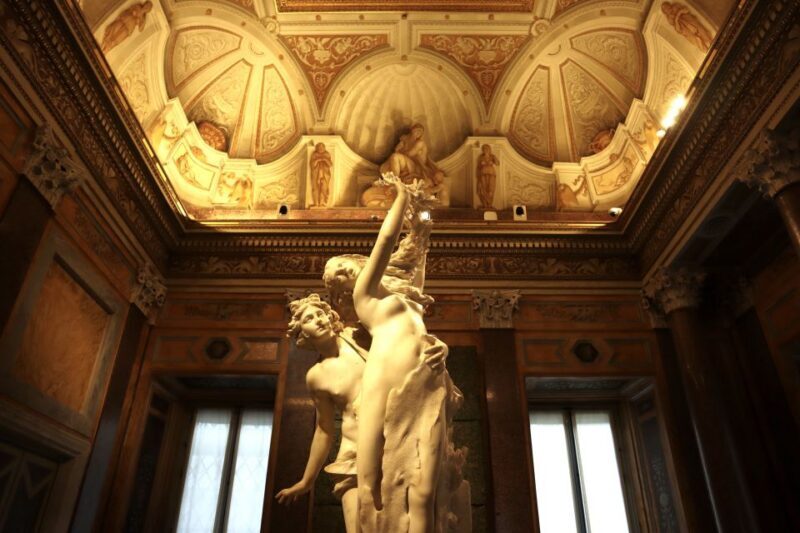
Bernini’s Apollo and Daphne is the kind of sculpture that rewards a closer look: the figures seem to move, and a guide can point out details you could easily miss while wandering on your own. This two-hour visit brings that kind of focused attention to the Borghese Gallery’s sculptures and paintings, including works by Caravaggio, Canova, and Raphael.
I like two things here: a small group capped at 15 makes it easier to follow the guide, and priority admission is valuable at a museum where tickets can sell out. The guide also gives the art context, explaining its stories, techniques, and significance rather than leaving you to read labels alone.
One consideration: two hours is a concentrated visit, not a leisurely tour of every work. The gallery also does not allow bags, so you may need to leave yours in the cloakroom before joining the group.
The Borghese Gallery is more than a set of famous names. Its sculptures and paintings can be striking at first glance, but the finer details are what make a visit stick: the way a sculpted figure appears to move, the play of light and shadow, or the story behind a painting’s subject. A guide helps you notice those things while you are standing in front of the work.
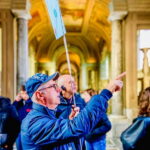
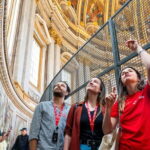
That context matters most if you are not already confident reading art. You do not need to arrive knowing the difference between Bernini and Canova. A good guide can explain what you are looking at, why a particular work matters, and how the artist’s choices shape its effect. Guides on this tour have been praised for clear explanations, lively storytelling, and keeping the visit engaging even for people who would not usually choose a museum tour.
It is still a guided visit, so you will move at the group’s pace and spend time on selected works. If your ideal museum day means lingering alone wherever you please, this format may feel restrictive. If you would rather understand a handful of major works than pass dozens of rooms without context, the structure is a real benefit.
If you prefer having a local expert, these guided Rome experiences could work well
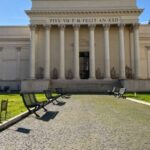
Meet in front of the Borghese Gallery’s main entrance 15 minutes before the scheduled start. Look for staff holding a Loving Rome flag. The meeting point can be busy, with several tour groups gathering nearby, so give yourself time to identify the right team rather than arriving at the last moment.
There have been reports of confusion over the flag color and where to collect tickets. The supplied instructions say to look for the Loving Rome flag at the main entrance, and that you cannot be accommodated if you arrive after departure. I would keep the meeting details handy and ask staff to confirm your group before leaving the area. The tour does not refund missed departures.
Once together, the group gets a brief introduction before entering. The maximum group size is 15, a useful limit in a museum where a large crowd can make it hard to hear or get a clear view. Some tours have used audio equipment, though it is not specified as a guaranteed inclusion, so do not count on a particular headset setup.
The tour includes an entrance ticket and guaranteed skip-the-ticket-line access. That saves you from joining the long ticket queue, but it does not mean you should arrive late or expect to bypass every step of entering the museum. The practical win is that your admission is arranged as part of the tour, and you do not have to rely on finding a separate ticket at the last minute.
Advance planning matters at the Borghese Gallery because tickets often sell out. A guided tour can be a way to secure a place when standard admission is no longer available, though booking early is still the sensible plan. The activity offers reserve-now, pay-later booking and free cancellation up to 24 hours in advance, which can help if your Rome plans are still taking shape.
Keep your belongings simple. Bags, including small and large bags, are not permitted inside the gallery and must be checked at the cloakroom, then collected afterward. That is a small extra step, but it is worth planning for: bring only what you can comfortably carry without a bag, and allow time for the cloakroom process before the tour begins.
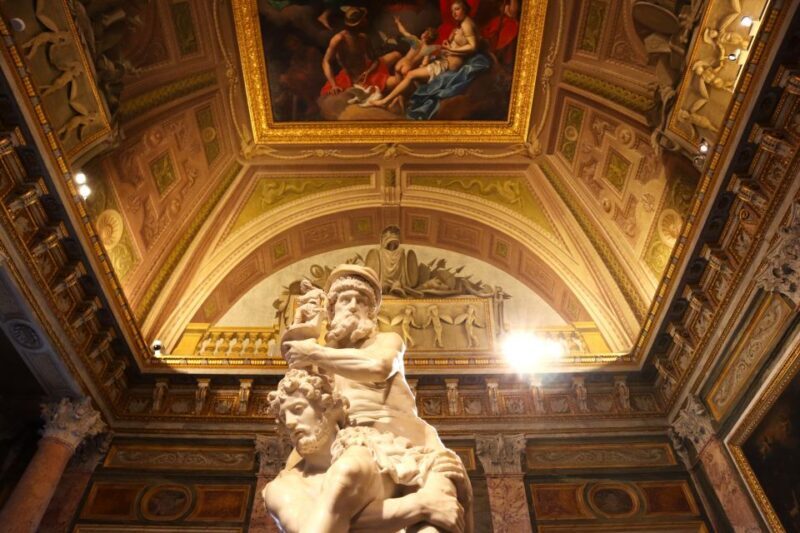
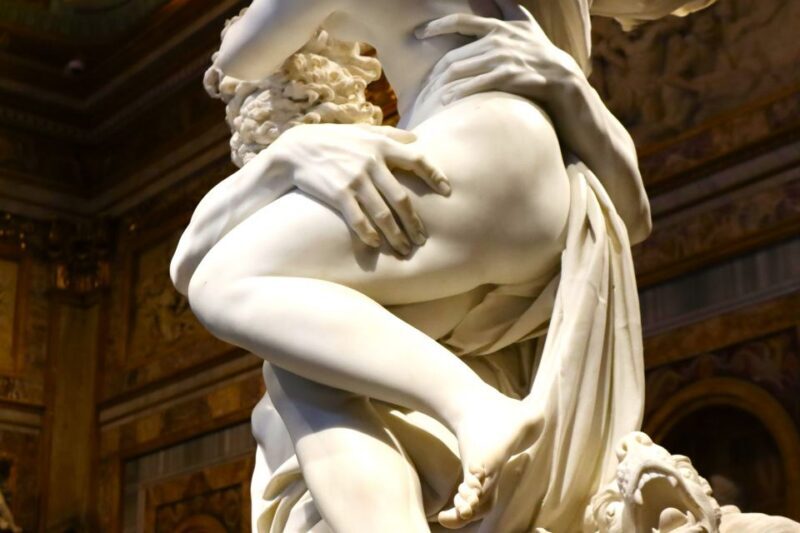
Bernini is one of the main reasons to choose this visit. The gallery’s Apollo and Daphne is among the tour’s featured works, and the guide can help you look beyond the overall shape to the fine carving and the sense of movement in the sculpture. Rather than treating it as a beautiful object to photograph and move past, you get a chance to consider how its details create that effect.
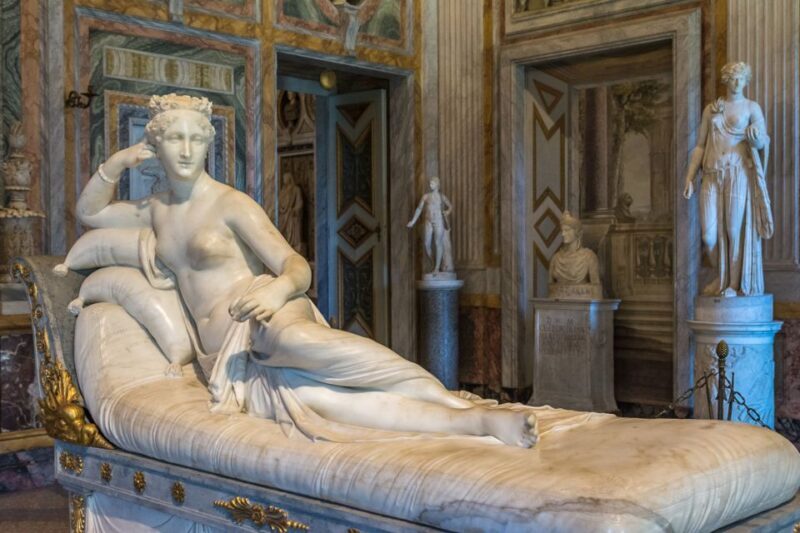
The tour also includes Canova’s Paolina Bonaparte. Seeing works by both sculptors in one visit gives you a useful point of comparison, especially when the guide explains their techniques and the stories attached to the pieces. The aim is not to turn the visit into a lecture, but to give you enough context to notice more than you would on your own.
Guide quality is central to the experience. Names praised over time include Federico, Mattia, Agnese, Serena, and Alicia, but the guide assigned to your departure is not guaranteed to be one of them. What you can reasonably expect is an English-speaking guide leading a visit designed around the gallery’s key works.
More Great Tours Nearby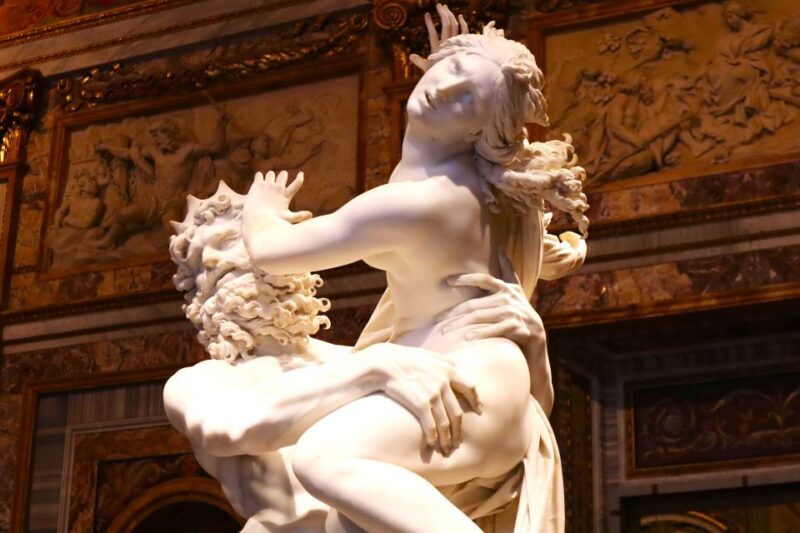
The tour also includes two Caravaggio paintings: Young Sick Bacchus and Boy with a Basket of Fruit. The guide can help you see how the artist’s subjects and choices contribute to the work’s effect, and can place the paintings within the wider story of the gallery’s collection.
Caravaggio’s section has been particularly memorable for some people, including one visitor who described it as moving. That is a useful clue if you are deciding whether the tour is only for sculpture fans. The visit covers both paintings and sculptures, and the guide’s explanations connect the art to its makers and the people who commissioned or owned it.
Do not expect to see every major painting in Rome during this tour. The route lasts two hours and focuses on selected highlights. That focus helps keep the visit manageable, but if you have a particular work you want to spend time with, ask the guide whether it is on the route and how much time the group will have there.
Culture seekers can explore more Rome museums and galleries
Raphael’s Entombment of Christ is another named work to look out for. A guide can help you place it among the gallery’s other pieces and draw attention to details that might otherwise be easy to overlook. The value here is not simply ticking off a famous painting, but seeing how it fits into a visit that moves between different artists and forms.
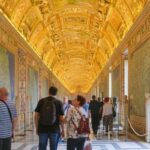
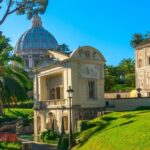
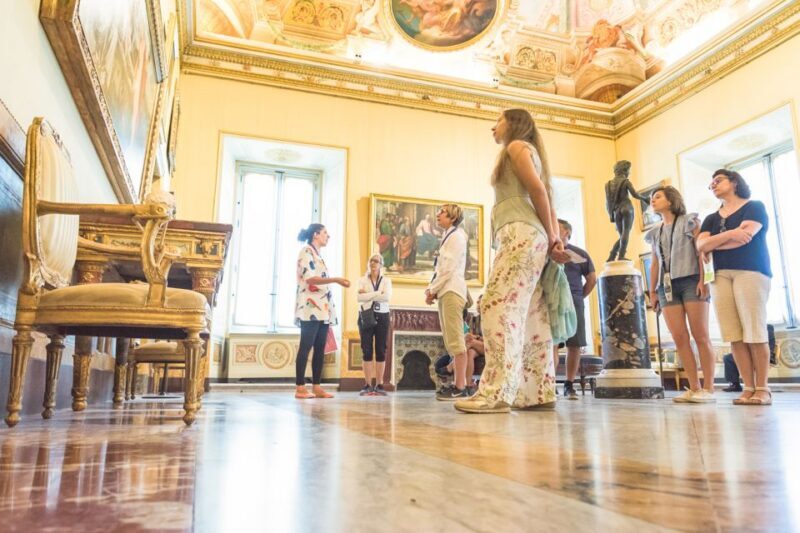
The art is housed in the beautiful rooms of Casina Borghese, whose interiors are decorated with frescoes. The rooms themselves are part of the experience: you are not just moving between artworks in plain exhibition spaces. The guide can help you appreciate the setting as well as the paintings and sculptures it contains.
There is a trade-off. A guided route gives you a clearer path through the museum, but you may not have as much freedom to pause in each room as you would on a self-guided visit. If you have extra time and want to return to a favorite work, check what the museum’s arrangements allow rather than assuming you can re-enter after the tour.

A group limit of 15 is a practical strength. It is easier to hear one guide than it would be in a much larger party, and the guide can choose viewing points that help the group see the art. A well-paced explanation also gives you time to take in a work before the group moves on.
The difference can be substantial if you have ever walked through a major gallery and later realized you remember the room more than the art. Here, the guide’s storytelling can make the works easier to understand and recall. Guides have been praised for balancing detail with humor, remembering names, and adapting their pace to people who need more time or assistance.
That said, a small group is not a private tour. You will still share the guide’s attention, and the experience depends partly on how the group moves together. If you want complete control over your route and schedule, consider visiting independently. If you want a focused introduction with a real person explaining what you see, the group format offers a sensible middle ground.
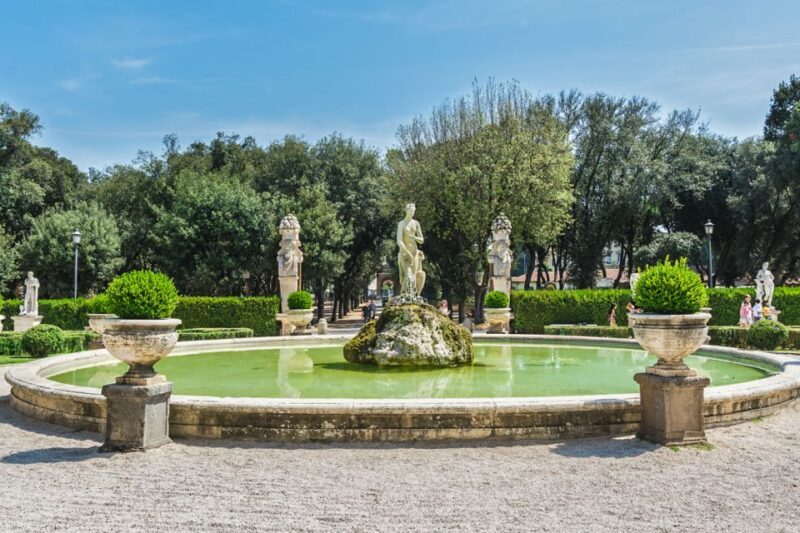
The activity includes a walking tour of Villa Borghese Gardens, but that portion is without a guide. Treat it as time to walk through the gardens independently rather than an extension of the gallery commentary. The package pairs the museum visit with time in the surrounding grounds, but the guided attention is focused on the gallery.
This distinction matters when you compare the price with other tours. If you are hoping for a guide to explain the gardens, this is not the right expectation. If you want a guided museum visit followed by the option to enjoy the gardens at your own pace, the arrangement works well.
The two-hour duration applies to the activity as described. Check the starting times available for your date, and plan the rest of your day with some breathing room around the visit, particularly if you will use the cloakroom or want to spend more time in the gardens afterward.

At $84 per person, this is not a budget museum visit. The price buys an entrance ticket, skip-the-ticket-line access, and a two-hour guided gallery visit in a group limited to 15. You are paying for access and interpretation, not just for admission.
The guided element is where the value rises or falls. If you enjoy art but would rather have someone explain the stories, techniques, and details, the guide can make the gallery feel far more legible. If you are already comfortable exploring museums on your own and prefer to set your own pace, you may find the extra cost harder to justify.
There is also a practical value in securing a place at a museum where tickets can sell out. That is especially useful if your Rome dates are fixed or you are booking late. Still, do not wait until the final days if you can avoid it: the tour itself can also fill, and the guide is not a substitute for planning ahead.
I would put this tour high on the list for first-time visitors to the Borghese Gallery, people who want to understand Bernini and Caravaggio better, and anyone who has struggled to get museum tickets separately. It also suits a mixed-interest group: the guide can make the art approachable for someone who is not an art specialist, while still offering enough detail for a serious museum fan.
It is less suited to you if you want a quiet, self-directed visit, need to carry a bag into the gallery, or expect a guided walk through the Villa Borghese Gardens. The two-hour format is focused, and the group sets the pace. For most people who want a clear introduction to the gallery’s major works, that is a fair exchange.
Book it if you value explanation as much as entry. The combination of priority admission, a small group, and a guide who can make the art easier to read is the strongest reason to choose it. Arrive early, travel light, and go in ready to give a few masterpieces your attention.
“Our guide was amazing! She really brought the art to life. She knew back stories behind the pieces, the artists, and the people who originally comm…”
The activity lasts two hours.
The listed price is $84 per person.
Yes. The live guide speaks English.
The group is limited to a maximum of 15 people.
Yes. The entrance ticket is included.
Yes. It includes guaranteed skip-the-ticket-line access.
Named works include Bernini’s Apollo and Daphne, Canova’s Paolina Bonaparte, Caravaggio’s Young Sick Bacchus and Boy with a Basket of Fruit, and Raphael’s Entombment of Christ.
No. The walking tour of Villa Borghese Gardens is included without a guide.
No. Small and large bags are not permitted inside. They must be checked at the cloakroom and collected afterward.
Meet in front of the Borghese Gallery’s main entrance 15 minutes before the activity starts. Staff will be holding a Loving Rome flag.
You can check availability for your dates here: