Physical Address
304 North Cardinal St.
Dorchester Center, MA 02124
Physical Address
304 North Cardinal St.
Dorchester Center, MA 02124

Compare Tokyo’s 24, 48, and 72-hour subway pass, learn which lines it covers, how to collect it, and when unlimited rides are worth the price.
Tokyo’s subway can carry you between major areas such as Ueno, Asakusa, Shibuya, Shinjuku, and Ginza without buying a fare for every ride. This pass covers both Tokyo Metro and Toei Subway, the two networks that make it useful for sightseeing across much of the city.
I like two things in particular: you can choose a 24-, 48-, or 72-hour pass to fit your stay, and the QR voucher can be exchanged for a paper ticket at a station machine. The main catch is that this is not an all-trains Tokyo pass. JR lines and other rail services cost extra, and finding the right ticket machine can take a little patience.
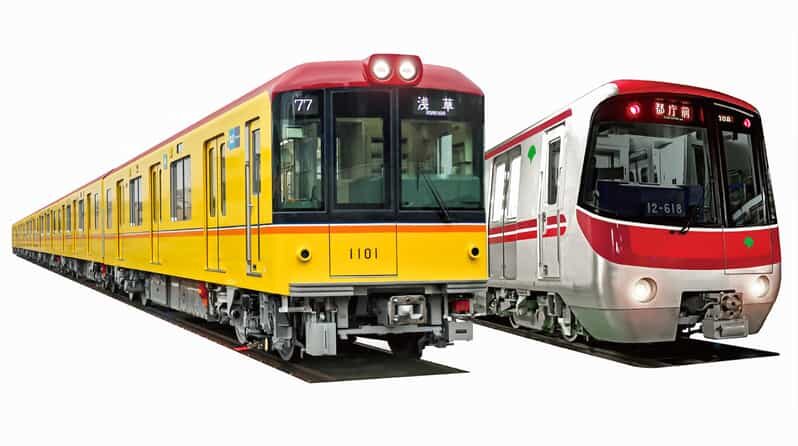
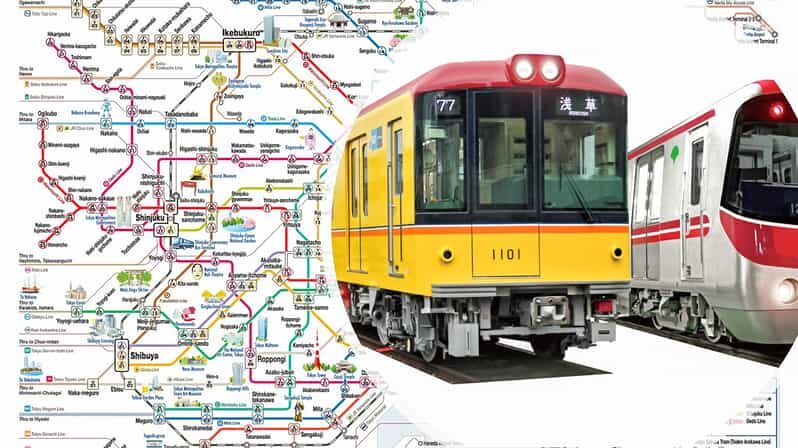
Tokyo’s rail map can look like a plate of noodles at first. This ticket simplifies one important part of it: it covers all Tokyo Metro lines and all Toei Subway lines, so you can use either network without paying a separate fare for each ride.
That broad coverage is handy for a city break built around several neighborhoods. Ueno, Asakusa, Tokyo, Shibuya, Shinjuku, and Ginza are among the popular areas it serves. You can make short hops for a meal or a longer cross-city journey, then use the same pass again later in the day.
The pass is for the subway, not every train that runs through Tokyo. The JR network, including routes that may appear alongside subway lines in a map or navigation app, is excluded. Other train services and buses are excluded too. If your route uses one of those services, you’ll need to pay its fare separately.
I’d treat the pass as a way to simplify frequent subway journeys, not as permission to board any train you see. Google Maps can help you check which operator runs a route before you set off. One practical tip: look at the line name and operator in your directions, not just the station names.
You might also be interested in these Tokyo experiences
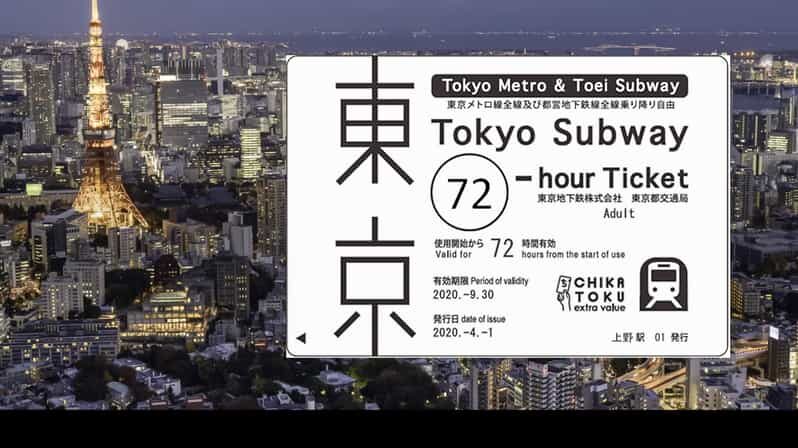
The three durations let you choose how much of your Tokyo stay to cover. A 24-hour option may suit a concentrated day of sightseeing. The 48-hour pass covers a longer visit, while the 72-hour option can make sense if you expect to move around the city by subway over three days.
The key question is how often you’ll ride covered lines. If your plans involve several subway trips each day, unlimited rides can offer both convenience and value. You won’t need to stop at a fare machine to price each journey, and you can change plans without weighing the cost of one more ride.
If you’ll only take a few trips, buying individual fares may cost less. Tokyo fares can be inexpensive, so the pass is not automatically the cheapest choice for every itinerary. Think through your likely number of subway journeys, and remember that rides on JR or other excluded services do not count toward making this pass worthwhile.
The price is listed from $6 per person, but the amount you pay can depend on the duration and selected option. Check the price shown for your chosen pass before booking. A Skyliner one-way ticket appears only as part of the separate Subway and Skyliner combo, so don’t assume it comes with the standard subway ticket.
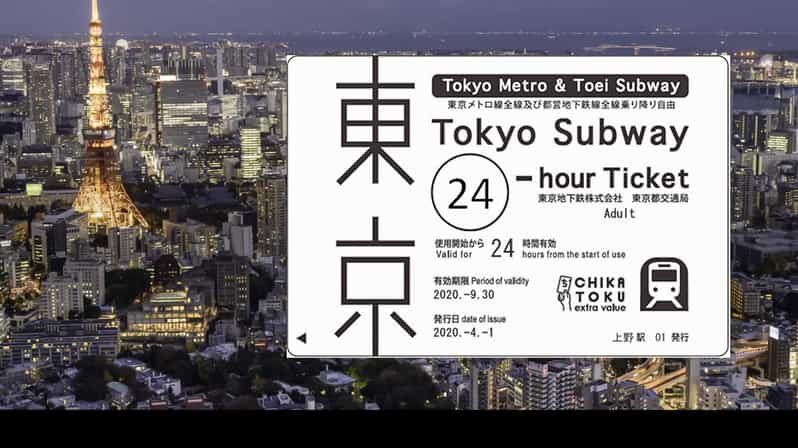
There is no guided itinerary or set sequence of stops. You decide where to go and when. The pass is simply your transport ticket for the covered subway networks, which makes it flexible for a day that changes as you go.
You might use the network to travel between areas such as Asakusa and Ueno, then cross town toward Shibuya or Shinjuku. Ginza and Tokyo are also among the central destinations the pass helps you reach. These are neighborhood examples, not a promise that every attraction has a subway station at its door. Check your specific destination and the best station for it before leaving.
That freedom is part of the appeal. You can spend longer in one area, make an extra stop, or head back across town without calculating a new fare each time. For a short stay, that can remove a small but repeated chore from the day.
The trade-off is that the pass won’t make every route a direct ride. You may need to change lines, and some journeys may be better served by a rail service outside the pass. Check the operator and fare in your navigation app before boarding. A little route checking is easier than arriving at a gate and discovering that your ticket does not cover the train.
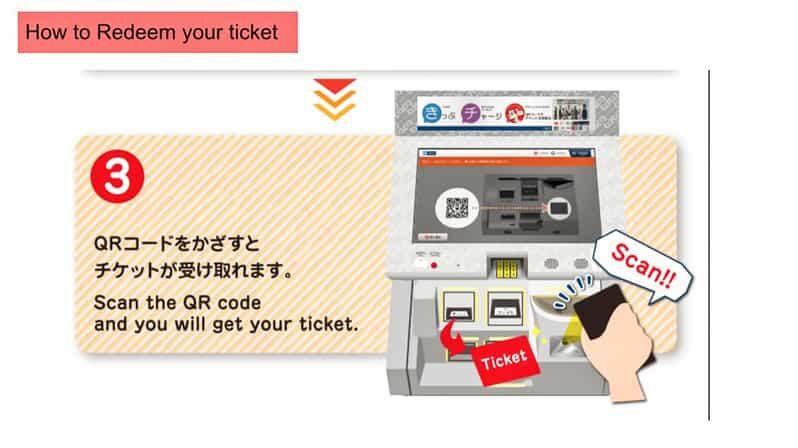
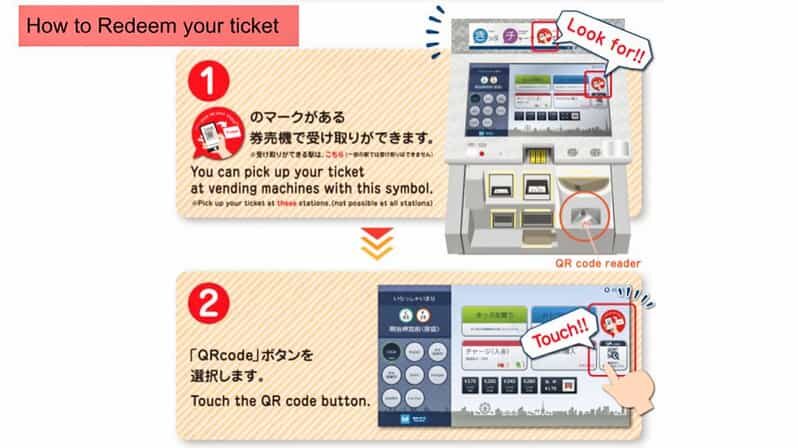
After booking, you receive a QR code to exchange for the paper ticket you use at the subway gates. The voucher can be redeemed at ticketing machines in Tokyo Metro or Toei Subway stations, and most stations have machines. You need a machine equipped with a QR reader.
This is the part most likely to slow you down. The machines that accept the voucher may not be obvious among the station’s other machines. Some people find the right one quickly; others have to look around or ask station staff. At Tokyo Station, for example, clear instructions may be posted nearby, so check the signs and pillars before assuming you’ve found the wrong place.
Scan the code and collect the paper ticket. Then use that ticket at the gates. If you cannot find a QR-capable machine, ask station staff for help. The purchase itself may be quick, but the station can be large, so allow a little extra time for redemption rather than leaving it until you are in a rush.
Once you have the ticket, the process is straightforward: use it to enter and exit the gates on eligible subway lines. Keep track of the paper ticket and use it properly at the barriers. The point is to collect the ticket before beginning your ride, not to treat the voucher QR code as the ticket itself.
More Great Tours Nearby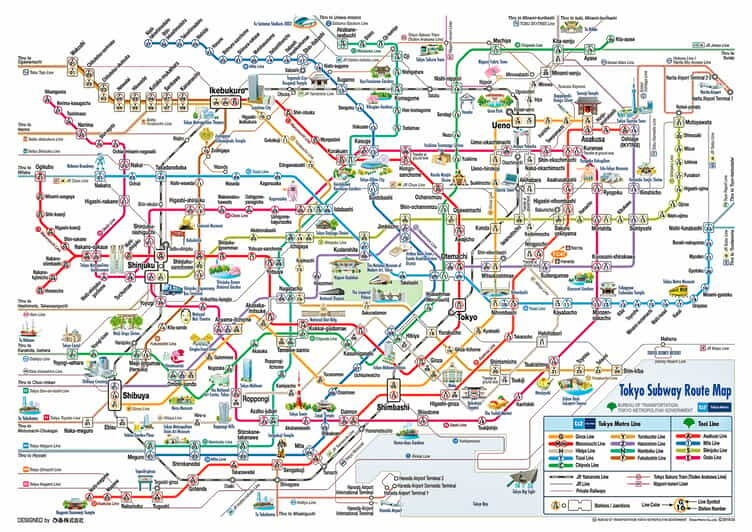
Tokyo’s subway system is extensive, and it may take a few trips to feel comfortable with it. The pass removes the need to buy a fare for every covered ride, but it does not remove the need to choose the right line, direction, or operator.
A maps app can be a useful companion. Check the suggested line, platform, transfer, and station exit before setting off. The station exit matters: a correct train can still leave you with a longer walk if you emerge on the wrong side of a large station.
I’d also check whether a suggested route uses Tokyo Metro or Toei Subway, both included, or JR and another operator, which are not. If the app offers several routes, compare the operators as well as the travel time. A route that looks simple may require a separate fare if it uses an excluded line.
This pass is best for someone willing to use the subway as the main way to get around. If you prefer to tap or pay separately across different transport systems, or your planned journeys rely heavily on JR, this ticket may feel restrictive. Its convenience comes from knowing which networks it covers and using those networks often.
The standard pass covers Tokyo Metro and Toei Subway only. A one-way Keisei Skyliner ticket is included only if you choose the Tokyo Subway and Skyliner One-way Ticket Combo. If you book the ordinary subway pass, the Skyliner is not part of the deal.
That distinction matters if you’re comparing options for an airport journey. Check the exact combo name and included items before paying, and don’t assume the subway pass covers an airport train. The information provided does not list a general airport transfer as part of the standard ticket.
The combo may be convenient if a one-way Skyliner ride fits your plans, but it is a separate choice from the basic subway pass. Consider the subway coverage and airport journey separately, then select the option that matches what you actually need.
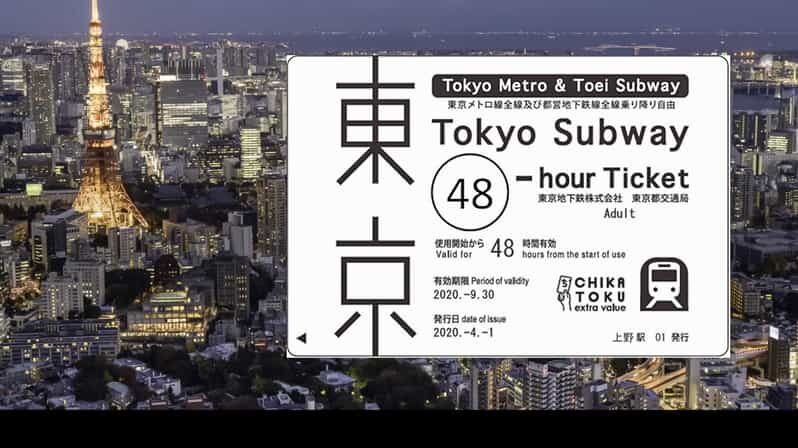
I’d consider it a good fit if you’re staying in Tokyo for one to three days, expect to make frequent journeys, and can use Tokyo Metro and Toei Subway for most of them. It’s especially useful if you like the ease of one ticket for repeated rides and don’t want to stop to buy separate subway fares throughout the day.
It may be less useful if you plan only a few journeys, or if your accommodation and sightseeing route make JR and other rail lines more convenient. In that case, compare individual fares and check the transport operators on your planned routes before committing.
There are two booking details to keep in mind. First, the pass is available only to non-Japanese passport holders. Enter your name in English when booking; a booking made by someone with a Japanese passport will be cancelled. Second, the activity is marked non-refundable. The information also says that refund requests may have a 220-yen cancellation fee per booking, so contact the relevant customer support centre if you need clarification about your case.
Book it if you’ll ride Tokyo Metro and Toei Subway often and want a simple ticket for 24, 48, or 72 hours. It is a practical way to cover many well-known parts of the city, with the added comfort of not paying separately for each eligible ride.
Skip it, or compare carefully, if you expect only a handful of trips or will depend on JR and other excluded lines. Before booking, check your planned routes, choose the pass length that matches your stay, and make sure you’ve selected the Skyliner combo if you need that one-way ticket. The pass is most valuable when you understand its limits and make those two subway networks your main way around town.
“Albert was the best! We enjoyed the experience. Thank you”
It covers all Tokyo Metro lines and all Toei Subway lines. It does not cover JR lines or other train fares.
You can choose a 24-hour, 48-hour, or 72-hour option.
No. The ticket is available only to non-Japanese passport holders. A booking made by a Japanese passport holder will be cancelled.
Exchange the QR voucher for a paper ticket at a QR-capable ticketing machine at a Tokyo Metro or Toei Subway station. Ask station staff if you cannot find the right machine.
No. You need a machine with a QR reader. Most stations are equipped with ticketing machines, but the QR-capable machine may take some searching.
No. JR lines, other train fares, and buses are not included.
Only if you select the Tokyo Subway and Skyliner One-way Ticket Combo. It is not included with the standard subway pass.
The activity is marked non-refundable. The information also says that a 220-yen cancellation fee per booking applies to refund requests; contact the relevant customer support centre for details.
Enter your name in English.
You can check availability for your dates here: