Physical Address
304 North Cardinal St.
Dorchester Center, MA 02124
Physical Address
304 North Cardinal St.
Dorchester Center, MA 02124

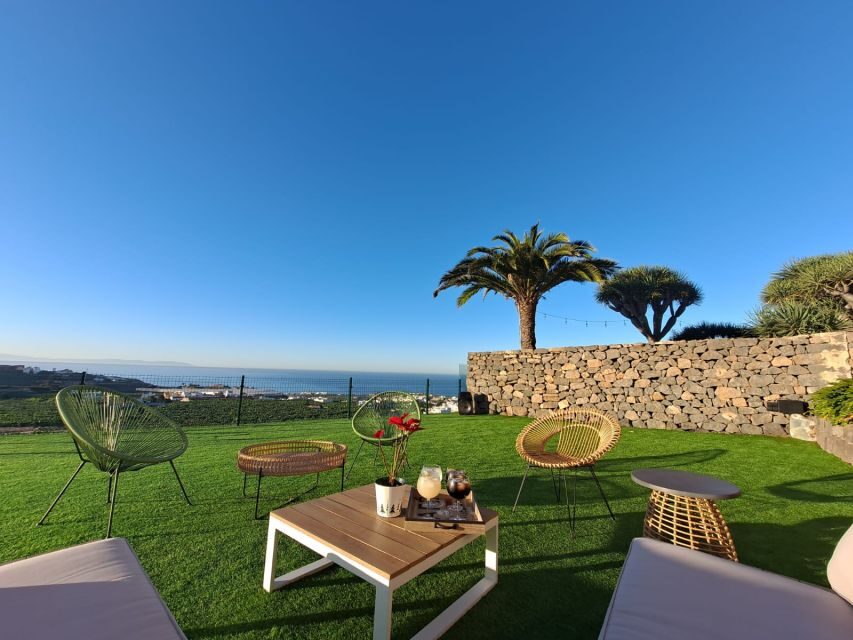
Tour Gran Canaria’s banana farm, learn how thirteen varieties are grown, admire Atlantic views, then taste banana jams, wine, and other local products.
Gran Canaria’s bananas are more than a snack: at Hacienda La ReKompensa, you’ll see the plants up close, hear how the island’s crop is grown, and learn about thirteen banana varieties. I like the mix of a short farm walk and a tasting, and the Atlantic views give the visit a lovely sense of place.
The main consideration is the brisk pace. The guided visit is advertised as 40 minutes, while the museum portion is listed at 45 minutes, so allow a little extra time if you’re planning your day tightly. It also involves walking on the grounds, and the tour is not suitable for people with mobility impairments.
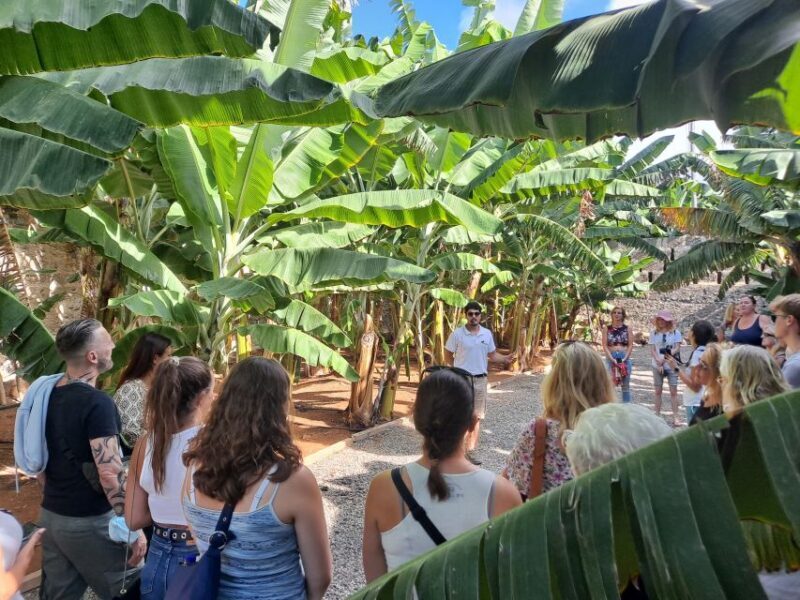
Banana World gives you a compact introduction to one of the Canary Islands’ familiar crops, but the visit is not just a row of plants and a few facts. The guide connects the crop to its history in the Canaries and explains how bananas are cultivated and harvested. You also see other fruit trees growing on the estate, which makes the farm feel like a small working patch of subtropical agriculture rather than a single-crop display.
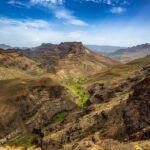
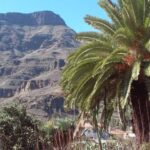
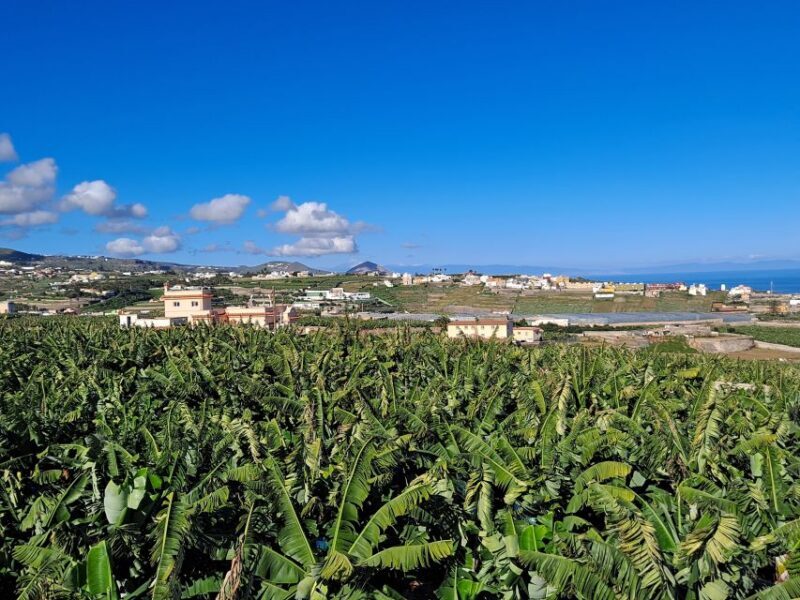
The setting adds something the subject alone might not. From the grounds and museum, you can take in the Atlantic and the green farmland below. I’d treat the views as part of the visit, not a bonus to rush past on the way to the tasting.
The estate covers more than 56,000 square meters and includes over 7,000 banana plants, 150 avocado trees, and other fruit trees. That scale helps explain why a guided walk is useful: you get a sense of the farm’s variety without needing to wander around trying to work out what you’re looking at.
You can check availability for your dates here:
The experience depends a good deal on the guide, and the format gives them room to make the subject lively. Daniela is often named for her friendly, clear explanations and humor; Jon, Steve, Shaira, and Ismael are also among the guides who have led tours. The tour is offered in English and Spanish, so check that your preferred language is available at your chosen time.
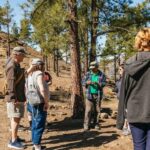
Expect a guide who explains the banana’s growing cycle, the differences among varieties, and the history of banana cultivation in the Canary Islands. You can ask questions along the way. Some guides also make the visit interactive, asking the group questions and drawing people into the discussion.
That friendly, conversational approach helps make the short tour work for different ages. Children can see the plants and follow the growing story, while adults get more context on cultivation, harvesting, and the crop’s place in local life. You do not need to arrive with an interest in agriculture; curiosity about how an everyday fruit is grown is enough.
For more Gran Canaria culinary adventures, you might enjoy these food and drink experiences
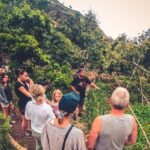
The guided portion takes you through part of the farmland, where the plants make the subject tangible. Instead of hearing only general facts about bananas, you can look closely at the varieties and see how the crop fits alongside avocado and other fruit trees.
The guide covers cultivation techniques used in the Canarian harvest, as well as banana production history. This is the most informative part of the visit, and it is also where the group’s questions can make a difference. If you’re curious about harvesting, exports, or the different types of banana, ask while you’re with the guide. Visitors have found that guides are willing to answer questions, but the tour is short, so a focused question is more likely to get a full answer than a long list.
The pace is deliberately compact. That is a plus if you have a packed holiday schedule or want a short activity between other plans. It does mean this is an introduction, not an in-depth agricultural course. You’ll get enough to look at bananas differently, but not a long technical account of every stage of production.
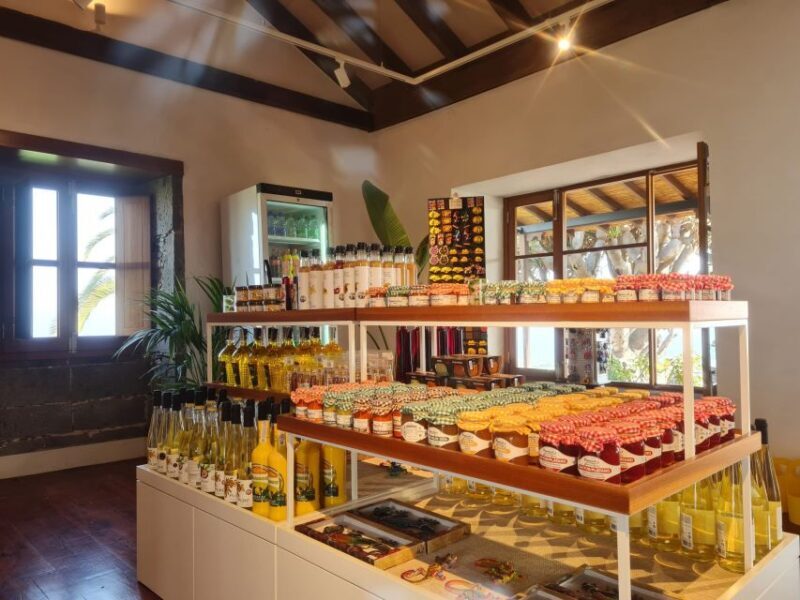
The Banana Museum adds context to the outdoor walk, with information about the island’s banana crop and the farm’s past. The museum and interpretation center are housed in a restored Canarian house dating to 1804. That historic setting gives the visit a local anchor, rather than making the farm feel like a tasting room with plants outside.
The museum also provides a chance to take in the ocean and farmland views. It is a small stop within a short tour, so keep your expectations in proportion: this is not a large museum visit. Its value is in adding a little background to the farm walk and giving you a place to see the story presented indoors.
The estate also has a shop where you can browse local and artisanal products, including food items and cosmetics. If you like taking home something made locally, this is a practical end to the visit. You can look without feeling obliged to buy; the tasting is included with the tour.
For many people, the tasting is the most memorable part of the tour. You sample products made with Canarian bananas, which can include jams, banana quince, juices, and wines. Depending on what is offered, you may also try other local items such as mojos. The selection gives you a sense of how the crop can be used beyond eating a fresh banana.
Go with an open mind about the flavors. Banana is not always the loudest note in a product, particularly in a drink or a preserve blended with other ingredients. One particularly liked combination has been passionfruit and banana. The wines and liqueurs make the tasting more varied, but they are not a promise that every item will taste strongly of banana.
One useful expectation to set: the tasting is of banana products, not necessarily a sampling of every banana variety growing on the farm. If you’re hoping to taste unusual fresh varieties, ask what is included when you visit. The tasting itself is a pleasant way to close the guided portion, and it turns the farm’s explanations into something you can actually try.
More Great Tours Nearby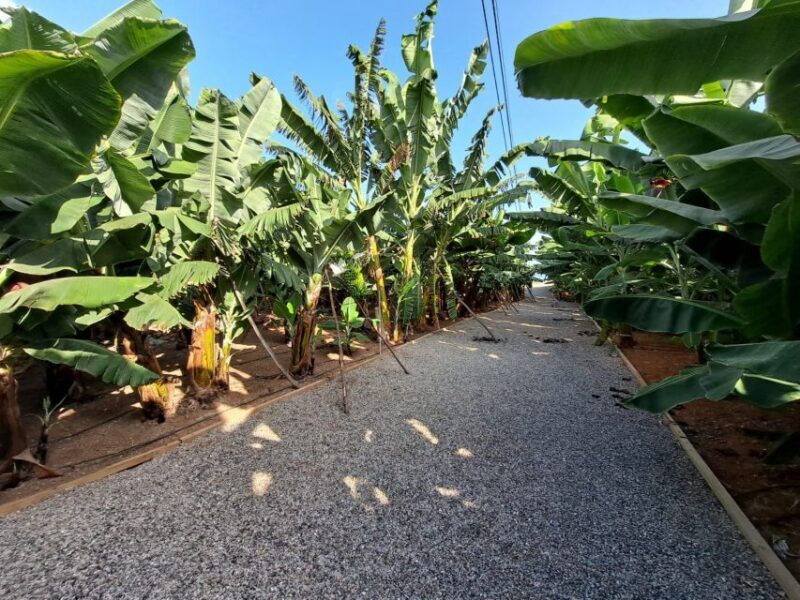
The activity is described as about 40 minutes, though the museum visit is also given as 45 minutes. In practice, set aside a little more than the shortest advertised duration if you want time to browse the shop or linger on the grounds. After the guided tour, you can explore the property at your own pace.
Wear comfortable shoes. You’ll be walking around farmland, and the tour operates rain or shine, so dress for the conditions on the day. The tour is not suitable for people with mobility impairments, an important point to consider before booking.
The meeting point is inside the museum. At the estate, follow the signs for Banana Museum from the large parking area. You can reach the farm by car, and it is also possible to get there by bus, though you’ll need to plan your own transport. If you are staying in Las Palmas, one visitor managed the trip by bus, but available routes and timing depend on your plans.
If you prefer having a local expert, these guided Gran Canaria experiences could work well
At $17 per person, this is a reasonably priced, short guided activity. The price includes entry to Hacienda La ReKompensa, the guide, and banana tastings. You’re paying for more than a sample plate: the guided walk, farm history, cultivation explanations, museum, and views make up the rest of the visit.
Value depends on what you want from the outing. If you’re after a half-day tour or a deep technical look at farming, 40 minutes will feel brief. If you want a low-cost, easy-to-fit-in activity that gives you a local story, a taste of regional products, and a pleasant view, the price makes sense. The option to stay on the grounds after the tour adds flexibility, though the guided explanation remains short.
The farm can also suit families. The tour is described as child-friendly, and a playground has been noted on the grounds. Still, children who need constant activity may find the explanations less gripping than the plants and tasting. It is a good choice for curious kids, especially if they like fruit, gardens, or trying new foods.
I’d book it if you enjoy food and farming, want to learn about a familiar crop in its local setting, or need a short outing that pairs well with other plans. It offers a clear sense of how banana growing fits into Gran Canaria, without asking for a full day or a specialized interest.
The tour also works well if you value a personable guide. The format is simple, but a lively explanation can turn a short walk into an engaging hour. And if you enjoy scenic stops, the combination of cultivated land and Atlantic views makes the farm a pleasant change from a town or beach visit.
I’d skip it if walking is difficult for you, if you want a long museum experience, or if your main goal is to taste many fresh banana varieties. The farm’s strongest points are the guide, the growing story, the setting, and the product tasting, not an extensive exhibit or a guaranteed flight of unusual fruit.
For most visitors, this is an easy, worthwhile addition to a Gran Canaria itinerary. Book it for a friendly introduction to Canarian bananas, then leave time to look around the grounds and shop at your own pace. Free cancellation is available up to 24 hours ahead, and you can reserve without paying immediately.
“Amazing tour. Our guide, Daniela, told us all the interesting facts about bananas and the plantation on the farm. Plenty of interaction and time fo…”
The tour is advertised as 40 minutes. The museum visit is also described as 45 minutes, so allow a little extra time if you want to browse afterward.
Entry to Hacienda La ReKompensa, a guided tour, and banana tastings are included.
Tours are available in English and Spanish. Check the available starting times for the language you want.
The tasting features local products made with Canarian bananas. These can include jams, banana quince, juices, and wines.
The farm tour introduces thirteen types of banana, but the tasting is described as a selection of banana products. It does not promise a sample of every variety.
Go to the large parking area by the estate, follow the signs for Banana Museum, and meet the guide inside the museum.
Wear comfortable shoes for walking around the farm. The tour runs rain or shine.
No. The tour is listed as not suitable for people with mobility impairments.
Yes. You can explore the grounds at your own pace after the guided portion.
You can check availability for your dates here: