Physical Address
304 North Cardinal St.
Dorchester Center, MA 02124
Physical Address
304 North Cardinal St.
Dorchester Center, MA 02124

See Angkor Wat at sunrise, explore 11 temples over two days, and finish with sunset, guided history, cool transport, and practical advice.
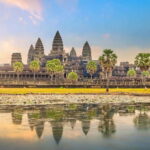
Angkor Wat at sunrise is the opening act, but this two-day tour is really about understanding a vast temple complex rather than ticking off one famous facade. You’ll see 11 temples with an English-speaking guide, from the smiling stone faces at Bayon to tree-wrapped Ta Prohm and the less crowded sites on the second day.
I like two things about the plan: the guide puts stories and religious context around the stones, and the second day reaches temples many people skip. I also like the air-conditioned minibus, cold water, and refreshing towels, practical comforts after hours on foot in Cambodia’s heat.
The trade-off is stamina. Day one starts around 4:30 a.m.; day two runs from about 10:30 a.m. to 7 p.m. The temple pass and meals cost extra, and the tour information conflicts on wheelchair access, so confirm that before booking if it matters to you.
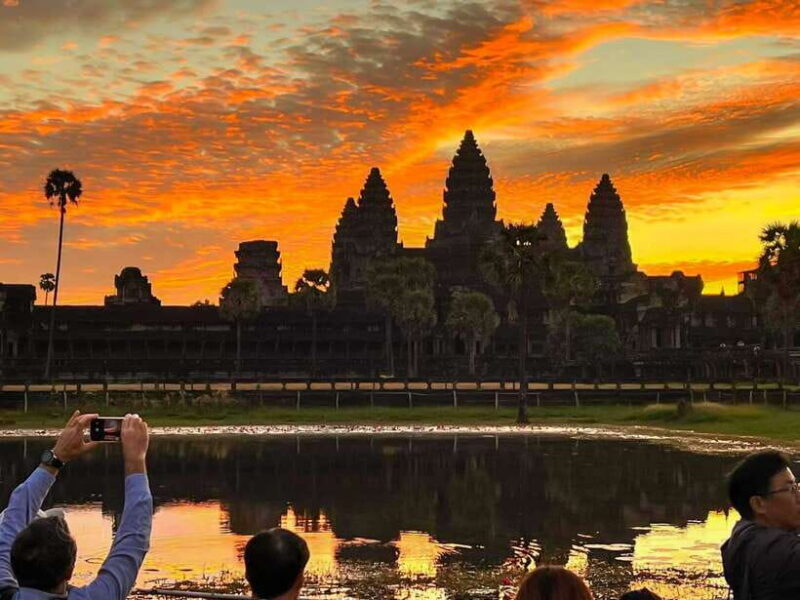
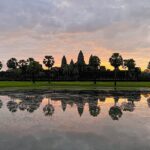
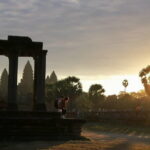
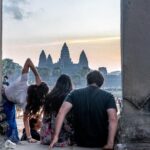
Day one begins at about 4:30 a.m., with hotel pickup and a ride to Angkor Wat. The early start is not a small detail: it gives you the chance to see the temple at sunrise and to begin exploring before midday heat makes every stretch of stone feel longer.
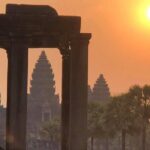
The sunrise itself depends on nature. A bright sky is never guaranteed, so treat the moment as a chance to see the temple in changing dawn light rather than a promised postcard. One useful part of having a guide is help finding a suitable viewpoint and making sense of the site once the sun is up. Pheap, for example, has been praised for knowing where to position a group for sunrise views and photos.
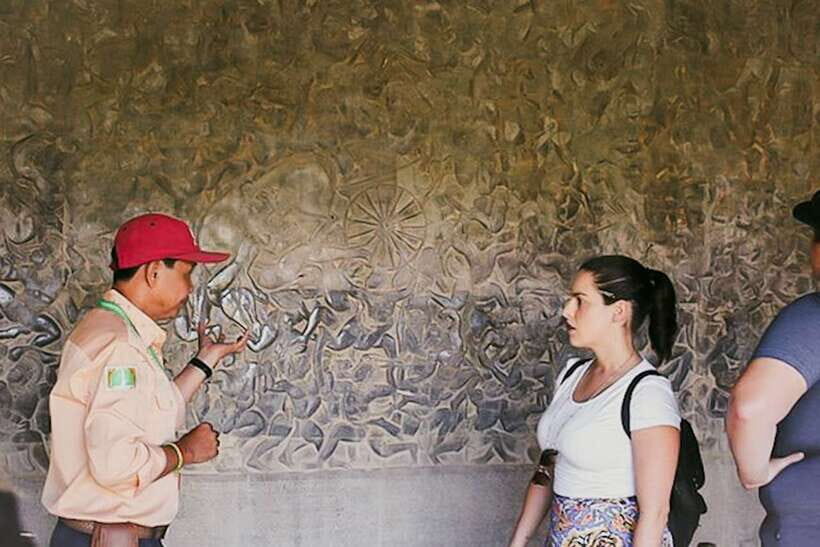
Angkor Wat deserves more than a quick look from the water’s edge. The guide can help you read its carvings and architecture, and explain how the temple fits into the history and beliefs of the Khmer empire. That context can turn a beautiful but bewildering mass of stone into a place with meaning.
After sunrise, the route continues through nearby temples. The morning is cooler than the afternoon, but you’ll still be on your feet for much of the day. Bring water, sunscreen, and comfortable clothes, and make sure your phone is charged if you want photos.
Evening activities in Siem Reap include these interesting options
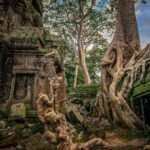
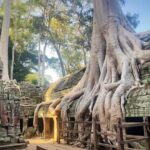
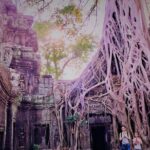
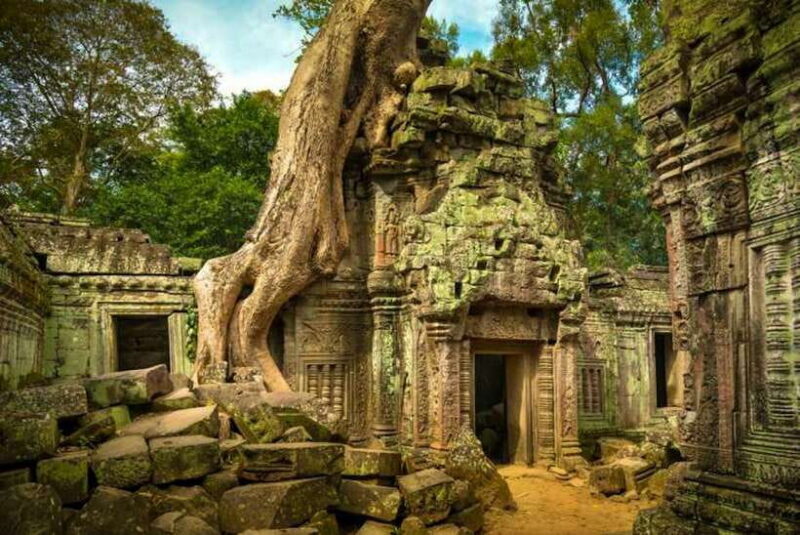
Ta Prohm is the jungle temple most people know from Tomb Raider. Its stone structures and large trees make it feel different from the more formal, open spaces at Angkor Wat. It is also a popular stop, so arriving early can help your group see it before the day’s crowds build.
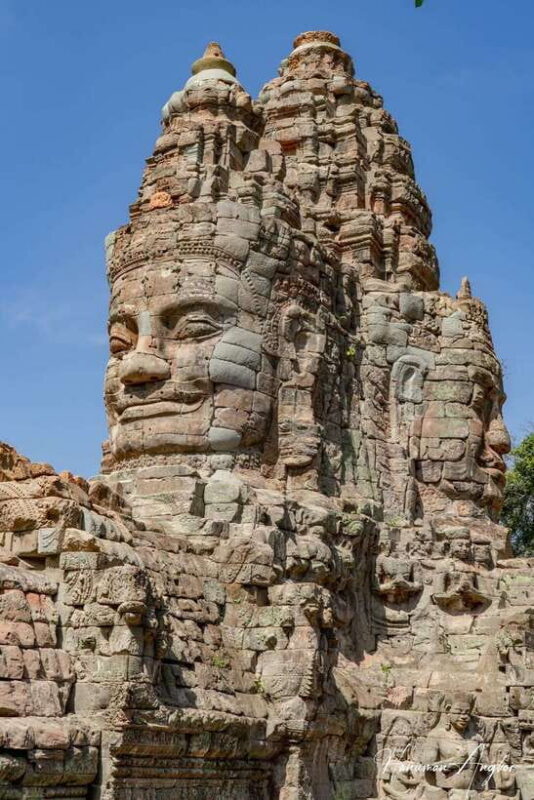
Bayon, within Angkor Thom, is known for its large smiling faces carved into towers. The faces give the temple a distinct character, but the site is more than a photo stop: the guide can explain its links to the reign of Jayavarman VII and the religious and political ideas behind its construction. Bayon was the empire’s Buddhist state temple, a detail that helps place it alongside Angkor’s Hindu monuments.
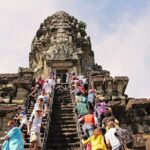
Ta Keo offers a different sort of visit. Built in the 10th century, this mountain temple rises in steep levels, and you walk up its steps to reach the higher structure. The climb may be demanding, particularly in the heat, but it gives you a direct sense of the temple’s scale and design. Take it at your own pace.
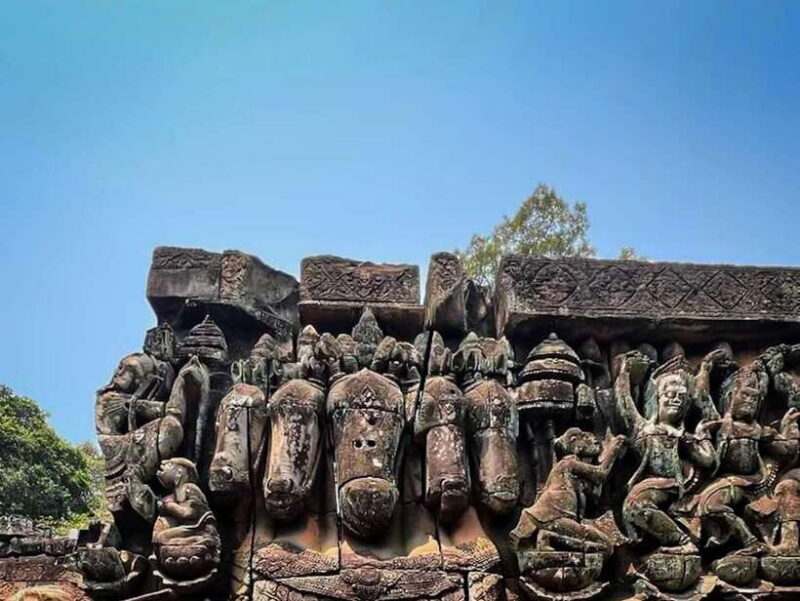
The day’s route also includes Angkor Thom’s South Gate, where rows of statues representing gods and demons line the bridge, holding the body of a seven-headed naga. It is an especially useful place to pause and notice how the approach to a temple could carry its own symbolic meaning.
Day one is scheduled to finish at about 1 p.m. That gives you some afternoon to rest before the next tour, an important buffer after a pre-dawn start and several hours of walking. The pace may still feel brisk if you like to linger at every carving, so keep your expectations realistic: this is a broad introduction, not a slow study of each temple.
Day two begins around 10:30 a.m. and runs until roughly 7 p.m. It is called the big tour, but its value is not simply the number of stops. These temples add variety and help show that Angkor is a network of sites with different purposes, layouts, and moods.
Preah Khan is described as the largest temple on this loop. It was built by King Jayavarman VII for his father. Its size makes it a substantial visit, and a guide can help you follow the site’s history without reducing it to a maze of corridors and stones.
Neak Pean is set on an island surrounded by water. The water was used for bathing and health in the Angkor period, giving the stop a different feel from the grand temple complexes. The setting and its former purpose are part of the story here, so it pays to listen before rushing on for photographs.
At Ta Som, look for the large tree growing over the east gate and the many sculpted dancers with long hair. The temple was built for the king’s sister. Details like these help make the smaller sites memorable: you are not only comparing towers, but also noticing who commissioned them and what features set them apart.
East Mebon was built for ancestors and once stood in the middle of a reservoir. It dates to the 10th century. The reservoir is no longer part of the scene as it was when the temple was built, but knowing that earlier setting changes how you picture the site.
Pre Rup was built for the king himself. Its stone structure, sometimes mistaken for a crematorium, was used by Hindus to meditate during the full moon. This is a good example of why a guide matters: a structure can invite the wrong assumption if you see it without context.
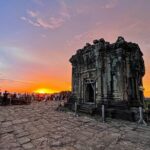
The tour also visits Phnom Bakheng, a hilltop temple whose 33 towers represent the heavens. The climb to a hilltop site can be a harder finish after a day among temples, so consider your energy and footing. The tour description places the sunset on the big tour, but the exact sunset arrangement can depend on the day’s timing and route. Confirm the plan with the operator if this moment is central to your booking.
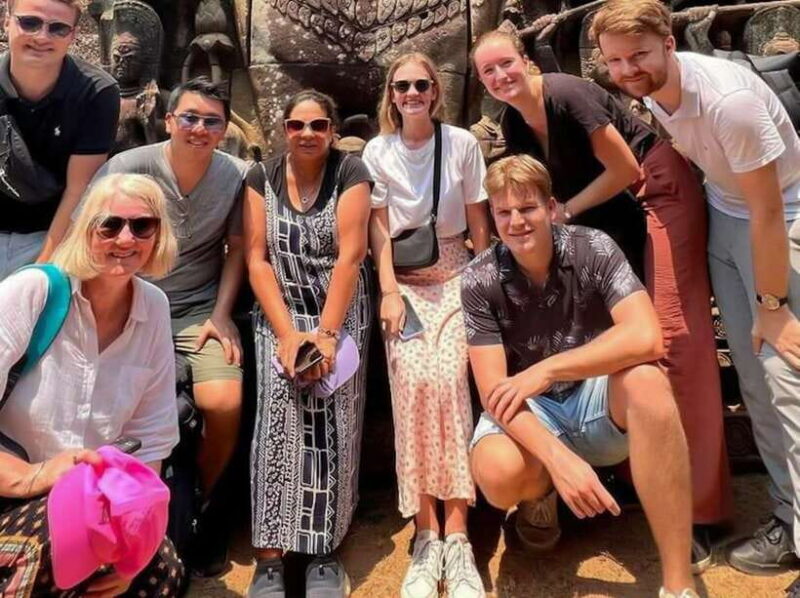
At Angkor, the stones do much of the talking, but a good guide helps you understand what you are looking at. The best guiding here is not a rapid list of dates. It connects the architecture with Khmer rulers, Buddhist and Hindu beliefs, daily life, and the stories attached to each site.
Guides named in recent accounts include Sok, Sam, Pheap, Vone, Sary, and John. Some have been praised for explaining complex religious ideas in plain language; others are noted for keeping the mood lively, finding photo spots, or helping the group stay on schedule. The tour assigns guides, so don’t book expecting a particular person.
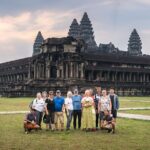
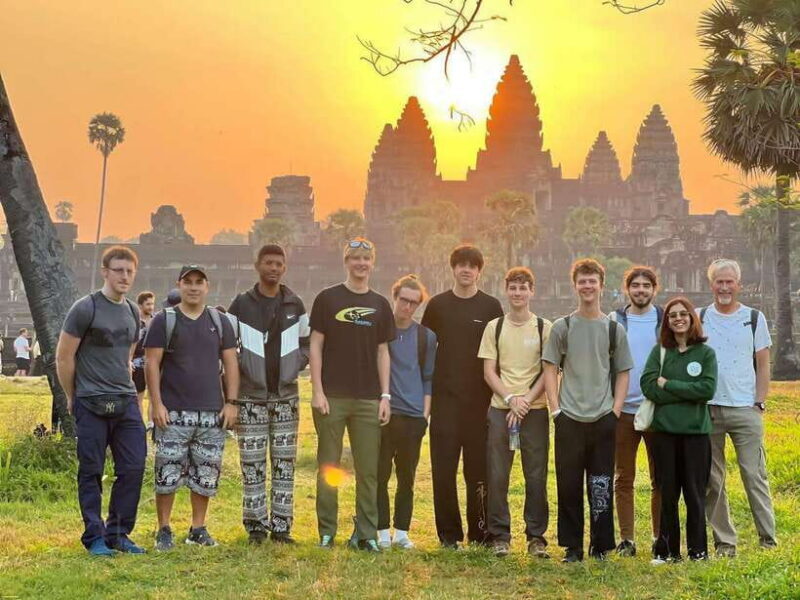
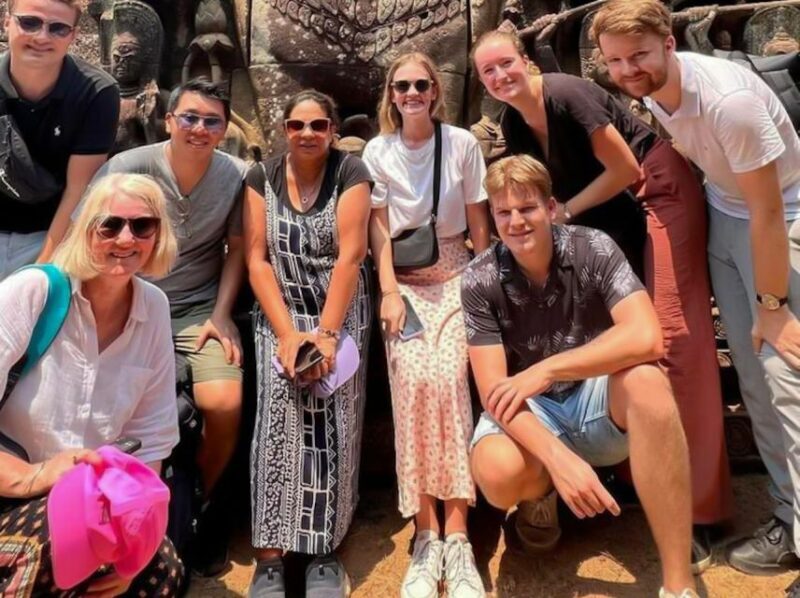
Photography is another useful part of the guiding style described on this tour. Some guides help take group pictures and point out viewpoints you might otherwise pass. That can be welcome when you’re travelling solo or want a group photo without asking another visitor, though your own time for photos will depend on the group’s pace.
The guide can also help set a comfortable pace. One family, for example, appreciated a guide who slowed down when a child struggled in the heat, while another visitor with knee and foot concerns valued time to manage the steps. You can ask for a pause, but this is still a group itinerary with several planned stops.
More Great Tours Nearby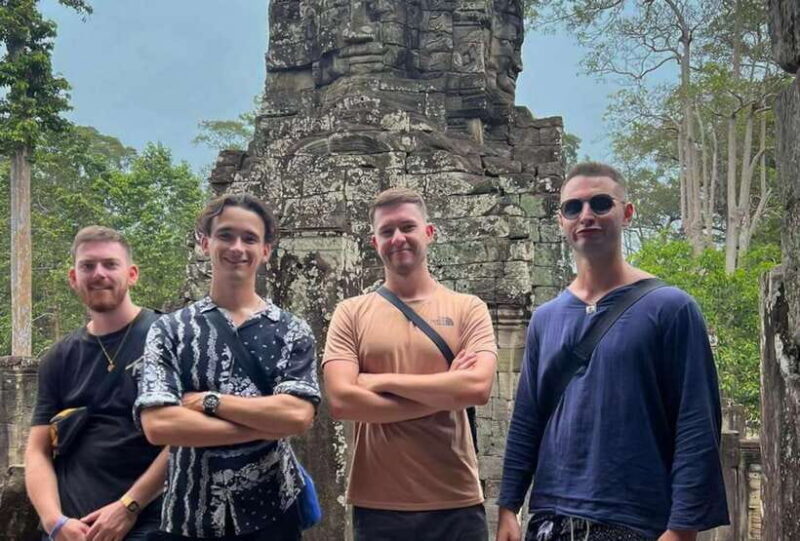
At $34 per person, the tour covers two days of guided visits, hotel pickup and drop-off, air-conditioned minibus transport, chilled bottled water, refreshing towels, and local tax. That is useful value if you want transport and interpretation arranged together instead of organizing each temple trip yourself.
The main additional expense is the Angkor Archaeological Park pass, which is not included. You must buy it separately, either online through the government website or at the ticket office after pickup. The tour description says the two-day itinerary helps you make use of a three-day pass, leaving a possible third day to rest, revisit a favourite temple, or hire a private tuk-tuk for more exploration. That extra tuk-tuk day is not part of the $34 price.
Meals are also not included. There are occasional rest and food breaks, and the route includes opportunities to stop for food, but plan to pay for your own meals. Bringing some cash for meals and any other personal spending is sensible.
The minibus matters more than it might on paper. After walking in the sun, a cool ride between sites gives you a chance to recover before the next stop. Bottled water and towels are small comforts, but on long, hot days they make the tour more manageable.
You might also be interested in these Siem Reap experiences
The two days are long and warm, and the first one begins before dawn. Pack sunglasses, sunscreen, comfortable clothes, and a charged smartphone. Take the water provided and use rest breaks; being ready to walk is more useful than trying to squeeze in an extra stop while exhausted.
Temple clothing rules exclude shorts, short skirts, and sleeveless shirts. Dress to meet those rules from the start, rather than relying on a spare cover-up when you arrive. Comfortable clothing still matters, but it needs to be appropriate for temple visits.
There is a conflicting accessibility note: the tour is marked wheelchair accessible in one place, but wheelchair users are also listed as not suitable. The route includes walking among ruins and climbing steps at Ta Keo and Phnom Bakheng. If you use a wheelchair or have limited mobility, contact the operator before booking and ask exactly which parts can be adapted.
The tour also says it is not suitable for people over 70. That is a broad restriction, and the physical demands can vary from person to person, but it is worth checking directly if you are in that age group. Anyone with knee, foot, or heat-related concerns should ask about walking distances and the pace before committing.
I’d choose this tour if you have two days in Siem Reap and want both the headline temples and a guided introduction to the wider Angkor complex. The sunrise, an expert explanation of the sites, and the second day’s quieter temples make a stronger combination than a single quick visit to Angkor Wat.
It suits early risers who can handle long, hot days and travellers who value context as much as photos. It is less appealing if you want an unhurried visit at every site, need to avoid early starts, or cannot manage uneven temple grounds and steps.
Before you book, check the temple pass cost, confirm the sunset plan, and ask the operator about accessibility if needed. If you’re ready for the pace, the $34 price buys a practical framework for seeing 11 temples and making sense of what you’ve come to see.
“Our guide Sary was great. He provided lots of information and he was amazing at pointing out things we never would have noticed! He speaks very goo…”
No. You need to buy the Angkor Archaeological Park pass separately, either online through the government website or at the ticket office after pickup.
Day one runs approximately from 4:30 a.m. to 1 p.m. Day two runs approximately from 10:30 a.m. to 7 p.m.
No. Meals are not included, though the tour allows occasional rest and food breaks.
Hotel pickup and drop-off are included, with travel between sites in an air-conditioned minibus.
Bring sunglasses, sunscreen, comfortable clothes, and a charged smartphone. The tour provides chilled bottled water and refreshing towels.
Shorts, short skirts, and sleeveless shirts are not allowed at the temples.
The tour information is contradictory: it is marked wheelchair accessible, but also lists wheelchair users as not suitable. Contact the operator before booking to confirm which parts of the route can be accessed.
You can check availability for your dates here: