Physical Address
304 North Cardinal St.
Dorchester Center, MA 02124
Physical Address
304 North Cardinal St.
Dorchester Center, MA 02124

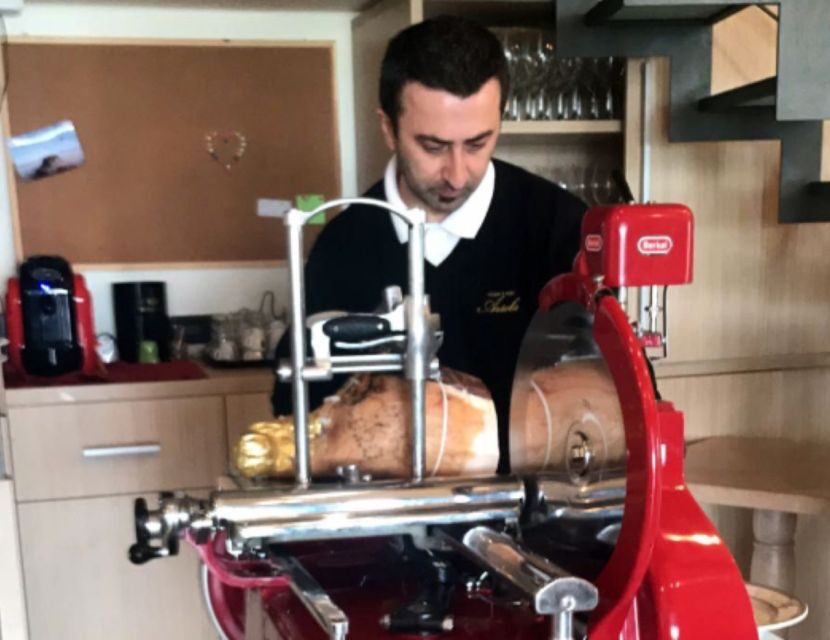
Visit Parmigiano Reggiano and Parma ham makers, see how they work, then taste aged cheese and ham with local wine on a four-hour tour.
Parmigiano Reggiano is made in enormous wheels, then left to age in rooms lined with them. On this four-hour tour, you see that final stretch of cheese production, then visit the Parma hills to follow ham from fresh meat through its long seasoning stage. The day ends with tastings of both specialties and a glass of local wine.
I like two things in particular: you meet people at the production sites, not just a guide talking from the van, and you can compare different ages of Parmigiano Reggiano for yourself. The ham visit adds a very different view of the craft, from salting equipment to the spillatura check before a ham earns the Crown of Parma.
One point to plan around: pickup is at NH Parma, beside the train station, and the van leaves shortly after the scheduled time. A train delay can mean a missed, non-refundable departure, so build in a buffer. You also need closed-toe shoes, and the tour is not suitable for wheelchair users or people with mobility impairments.
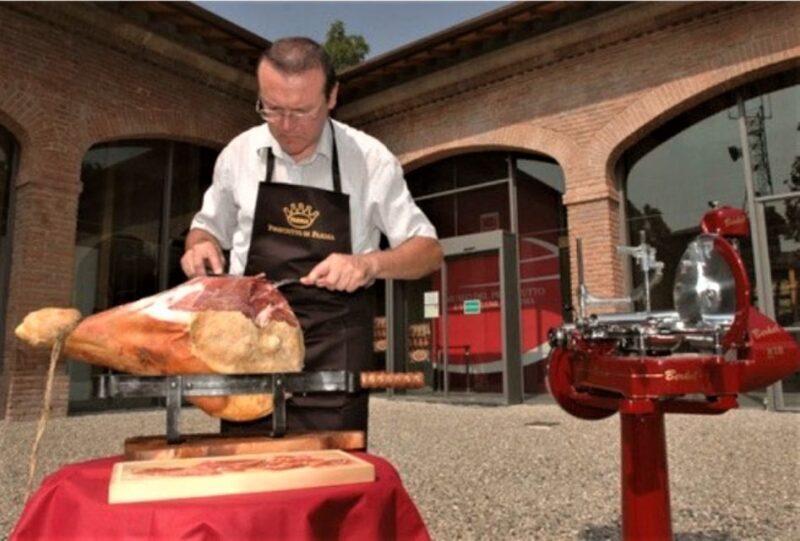
Parma’s best-known foods are not made in the city center. This tour takes you out to the producers, where you can see how two regional specialties are made and learn why their processes take patience and close attention. It is a useful way to get beyond the finished product on a restaurant plate.
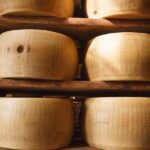
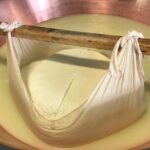
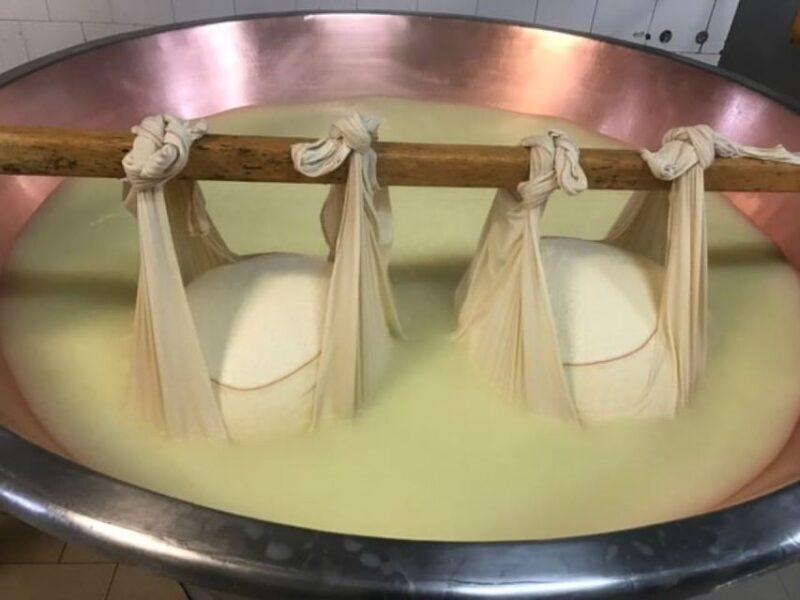
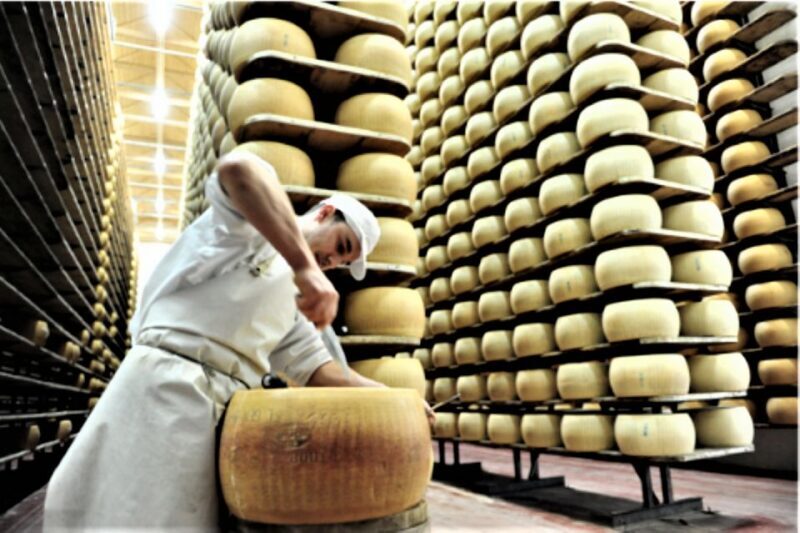
The first stop is a Parmigiano Reggiano factory. You watch the makers at work and hear an introduction to the cheese’s history from your guide. The tour then moves to the storage and seasoning rooms, where the wheels mature before they are ready to eat. Afterward, you taste several ages and can browse the shop for local products.
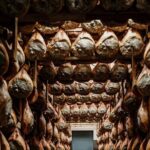
The second visit turns to Prosciutto di Parma. You start with a short history of production, then see the cold stage, the selection of meat, salting machinery, refrigeration and resting cells, and the seasoning chambers. The visit also explains spillatura, the check that determines which hams pass and receive the Crown of Parma brand. The experience ends with Parma ham and a glass of local wine.
At both stops, the making matters as much as the tasting. You see the spaces and equipment that are part of the work, while your guide links the details to the food you will try. The tasting gives that information a practical payoff: you are not just hearing about aging and production, you are tasting the result.
You can check availability for your dates here: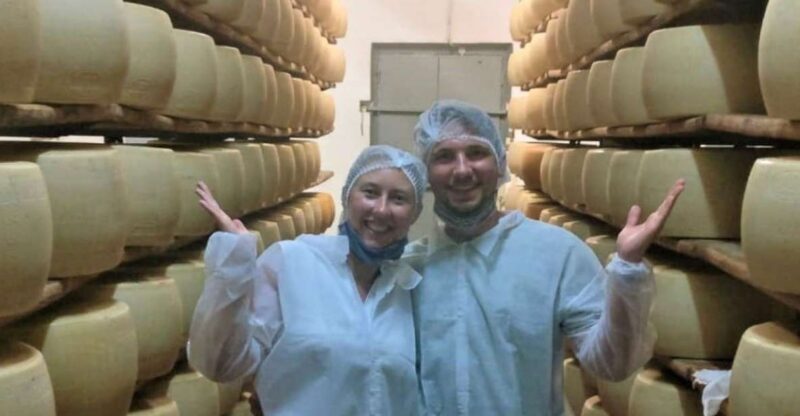
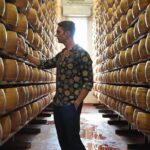
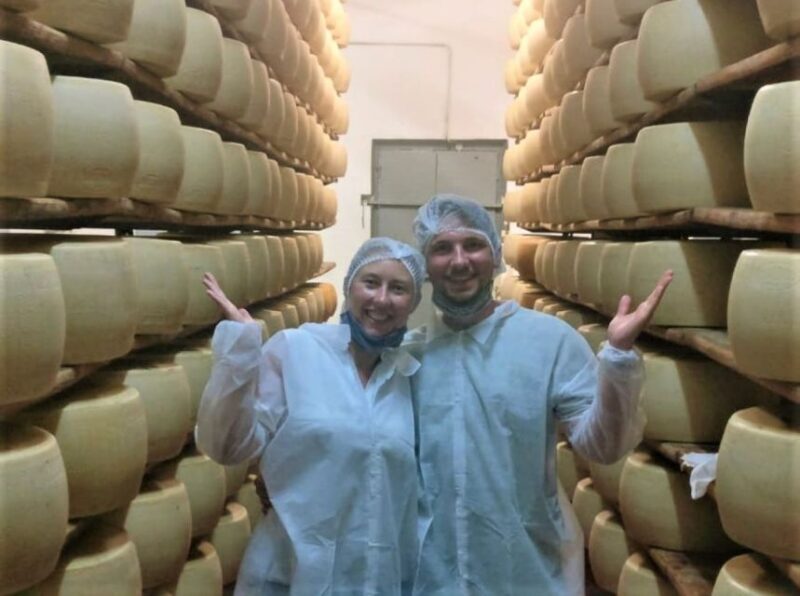
The cheese stop gives you a look at production and aging, rather than a full technical course in every step of cheesemaking. You watch the masters at work, hear about the cheese’s history, and then visit the rooms where it is stored for its last stage of production. The aging rooms are the visual centerpiece: row after row of wheels makes the time and space involved hard to miss.
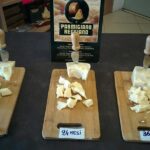
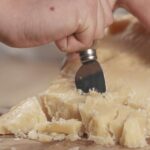
The tasting lets you compare Parmigiano Reggiano at different ages. That is more useful than sampling one piece and moving on, since you can notice how the cheese changes as it matures. The tour does not specify the exact ages served, so do not expect a fixed tasting menu, but the comparison is part of the experience.
There is also time to browse the dairy’s shop. That can be handy if you want to buy local products after seeing where they come from. If you plan to purchase something, remember you will be returning by van, and large bags or luggage are not allowed. The tour information does not specify how purchases are packed or carried, so keep your shopping modest unless you can confirm details with the operator.
For more Parma culinary adventures, you might enjoy these food and drink experiences
The drive from the cheese dairy to the ham producer takes about 40 minutes. The second stop is in the Province of Parma, in the picturesque hills associated with Prosciutto di Parma. This is where the tour shifts from the broad scale of cheese aging to the careful handling and seasoning of ham.
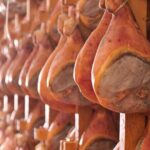
You begin with an overview of how the ham is produced, then visit the cold stage, where fresh meat is processed. The tour covers how the best meat is chosen and shows the salting machinery and refrigeration and resting cells. These steps help explain why the visit is about controlled conditions and careful selection, not simply hanging meat in a room and waiting.
The seasoning chambers bring you close to the aromas of the traditional process. Your guide also explains spillatura and how only the hams that pass the check are branded with the Crown of Parma. The tour does not spell out the mechanics of the test in advance, so the guide’s explanation on site is where you will get the detail.
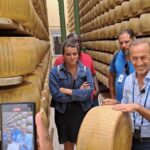
A family-run producer is part of the appeal here. Reviews of the experience particularly value meeting the people who make the products, including Claudio, the owner of a ham business, whose hospitality and pride in his work made a strong impression. The people at each site help turn the visit from a factory walk-through into a glimpse of the work and care behind local food.
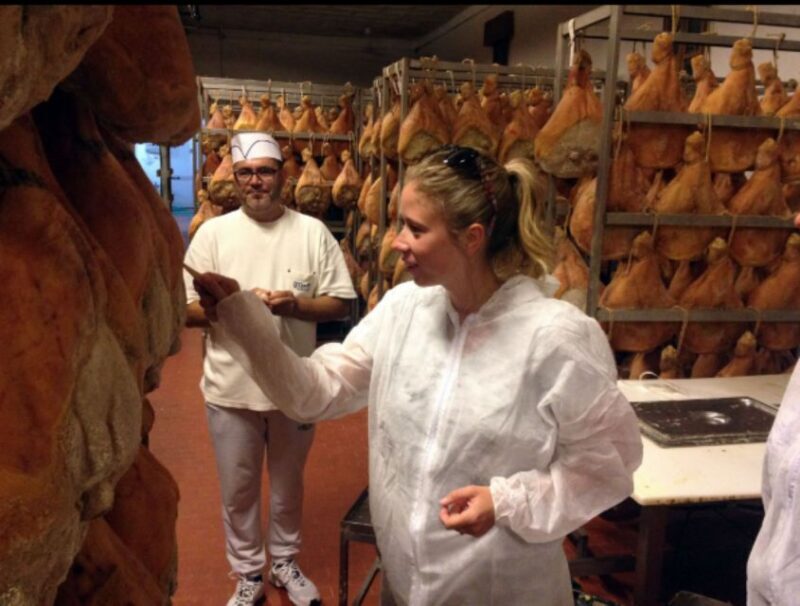
At the dairy, the tasting includes several ages of Parmigiano Reggiano. At the ham producer, you sample Parma ham and have a glass of local wine. These are not incidental extras: tasting is the point where the explanations become more than production vocabulary.
The portions are described as generous, though the exact amount can vary. The tastings are a meal-sized bonus for some people, but you should not count on them replacing lunch. The tour is only four hours, and the schedule is built around visits, transfers, and tastings rather than a long sit-down meal.
If you enjoy food but are not an expert, the tour still works well. You do not need to know anything about cheese or cured ham beforehand. The guide explains the process as you go, and you can focus on what you see, smell, and taste. If you already know the products, the aging rooms and the conversation with the makers add useful context.
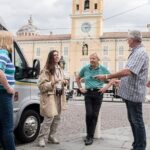
The guide is a major part of the experience. Guides named in accounts of the tour include Sergio, Loris, Mattia, George, Roberto, and Pietro. Their styles differ, but the qualities most often praised are clear explanations, warmth, humor, and a willingness to help the group through the day.
Some guides have personal ties to Parma and its food traditions. Sergio, for example, was described as making prosciutto himself. That kind of connection can add texture to the explanations, though the specific guide on your departure is not guaranteed. You should not book expecting one named person unless the operator confirms it.
A small group is available, and groups of around eight have been described. A smaller van group makes it easier to hear the guide and ask questions at the producers. Group size may vary, so treat that as a possibility rather than a promise. The tour is led in English or Italian, and some guides have been praised for strong English.
More Great Tours NearbyThe tour starts at NH Parma, at Viale Paolo Borsellino, 31, and returns there at the end. If you arrive by train, use the north exit marked Falcone/Borsellino. The NH Hotel is on the right, and the van waits in the parking area in front.
The planned visits are about an hour and a half at the cheese factory and one hour at the ham producer, with van transfers between stops. The route lists a 15-minute ride to the dairy, about 40 minutes to the ham producer, and 40 minutes back to Parma. Taken together, those segments make a compact schedule. Actual timing can vary: the tour is advertised as four hours, while some accounts describe a shorter or longer day. Leave a little flexibility in your plans afterward.
Be punctual. The vehicle leaves after a short waiting period, and arriving late because of a delayed train or other transport is treated as a no-show. The booking cannot then be refunded or rescheduled. If you are coming from another city, allow a generous connection rather than aiming to arrive just before pickup.
Pickup and drop-off are included, which is a real advantage for visits outside town. You do not have to work out rural transport or drive after a wine tasting. Some guides have also been able to drop people in Parma city center, but that is not a guaranteed part of the tour, so plan on returning to the stated meeting point.
At $126.88 per person, the tour costs more than a self-guided visit to a shop or a tasting in town. The value comes from combining two producers, a guide, transport, entry, and tastings in one half-day. If you would otherwise arrange separate rides to the dairy and ham producer, the included van is especially useful.
It is a good fit if food production interests you, you want to taste local specialties at their source, or you have limited time in Parma and want to see both cheese and ham operations. It also suits people who like meeting producers and asking questions. Families can take part, and children have enjoyed tasting and seeing the production sites, though the experience is not designed around child-specific activities.
There are a few firm limits. The tour is not suitable for wheelchair users or people with mobility impairments. Sandals, flip-flops, slippers, and other open-toed shoes are not allowed, so wear closed-toe footwear. Pets, baby strollers, baby carriages, luggage, and large bags are also not allowed in the van, and you cannot bring food or drinks into it. The tour runs rain or shine.
You can cancel up to 24 hours in advance for a full refund, and reserve now with payment later. Those terms offer flexibility before the deadline, but they do not soften the strict rule about arriving late at the meeting point.
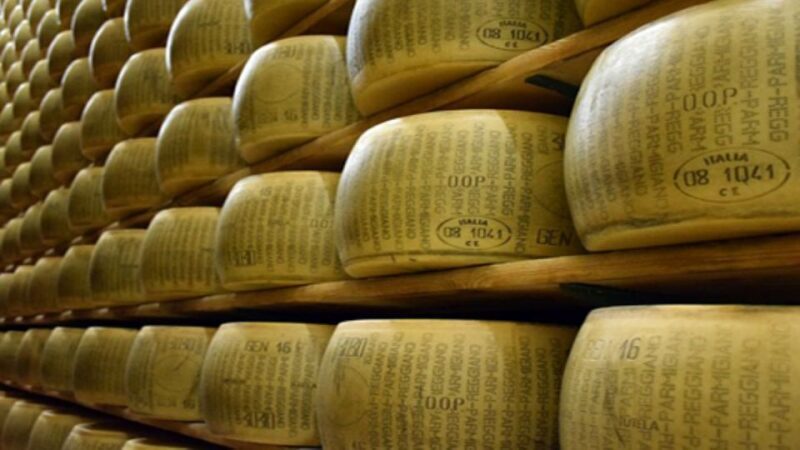
I would choose this tour if you want to understand what goes into Parmigiano Reggiano and Prosciutto di Parma, not just taste them at a restaurant. The best parts are seeing the aging spaces, hearing directly about the work, and meeting the producers. The two stops also balance each other well: cheese aging rooms feel very different from the cool processing and seasoning spaces for ham.
Skip it if you need a fully accessible outing, cannot manage the early meeting point reliably, or mainly want a long meal. For most food-minded visitors with a half-day to spare, though, it is a practical way to reach two producers without arranging transport yourself. Book it, arrive early, wear closed shoes, and leave room in your schedule for the tour to run a little longer than planned.
“The tour was excellent!! Our tour guide, George, was fantastic. Aside from being extremely pleasant and informative, he introduced us to the people…”
It starts and ends at NH Parma, Viale Paolo Borsellino, 31, near Parma train station.
The advertised duration is four hours. The exact starting time depends on availability.
You taste different ages of Parmigiano Reggiano and Parma ham. The ham tasting is accompanied by a glass of local wine.
Yes. Pickup and drop-off at the stated meeting point are included, with van transfers between Parma and the producers.
The live guide speaks English or Italian.
Wear closed-toe shoes. Sandals, flip-flops, slippers, and other open-toed shoes are not allowed.
No. Luggage, large bags, baby strollers, and baby carriages are not allowed in the van.
No. The tour is not suitable for wheelchair users or people with mobility impairments.
You can check availability for your dates here: