Physical Address
304 North Cardinal St.
Dorchester Center, MA 02124
Physical Address
304 North Cardinal St.
Dorchester Center, MA 02124

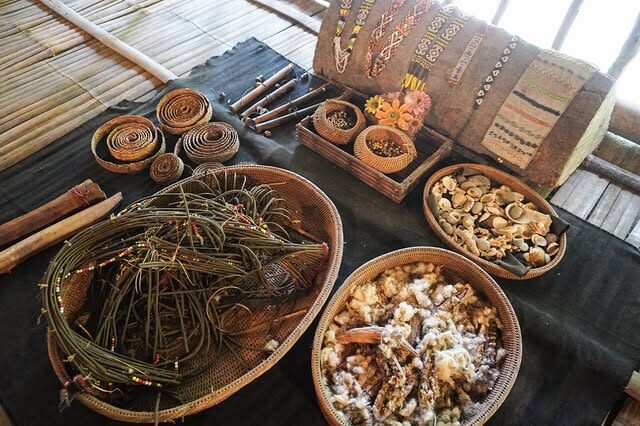
Visit Mari Mari Cultural Village near Kota Kinabalu for guided house visits, traditional demonstrations, local tastings and a lively cultural show.
Mari Mari Cultural Village brings Sabah’s five main ethnic groups into one forest setting outside Kota Kinabalu. You move between traditional-style houses with a guide, see demonstrations such as fire starting and blow-pipe making, sample local snacks, and finish with a cultural performance.
I like two things in particular: the hands-on demonstrations make customs easier to grasp than a row of display cases, and the guided route gives you a useful introduction to five communities in a half-day visit. The setting in Kionsom also feels a welcome change from the city.
One point to keep in mind: this is a staged cultural village, not a visit to five separate communities going about daily life. The tour has a set pace, and the walking route is not wheelchair- or stroller-accessible.

Mari Mari Cultural Village sits in Kionsom, away from Kota Kinabalu’s city center, in a forest setting. Its central idea is simple: give you a guided introduction to the Dusun, Rungus, Lundayeh, Bajau and Murut communities without asking you to travel across Sabah to meet them separately.
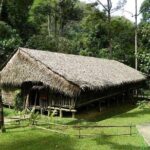
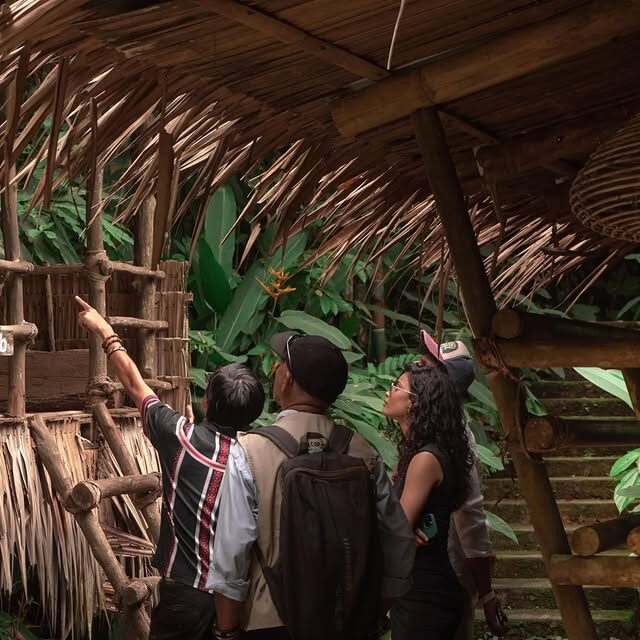
The village presents each group through a traditional-style house and explanations of customary life. Your English-speaking guide leads you from area to area, describing features of the houses and the practices shown there. It is a useful format if you have limited time or want context before exploring other parts of Sabah.
I would approach the visit as a cultural interpretation experience, not as a field visit to living villages. The houses and demonstrations are prepared for visitors, and the route is designed to make a wide range of traditions manageable in a few hours. That can make the experience accessible, especially for families and first-time visitors, but it also means you are seeing selected practices in a presentation setting.
The value lies in having someone explain what you are seeing. Guides such as Shafiq, Tom, Nana and Lei have been praised for clear explanations, warmth and humor. Your assigned guide may be someone else, but the quality of the guide matters: good explanations turn a quick house visit into a more meaningful look at how people lived and what the demonstrations represent.
Looking for more options in Kota Kinabalu? Here are some other experiences worth considering.
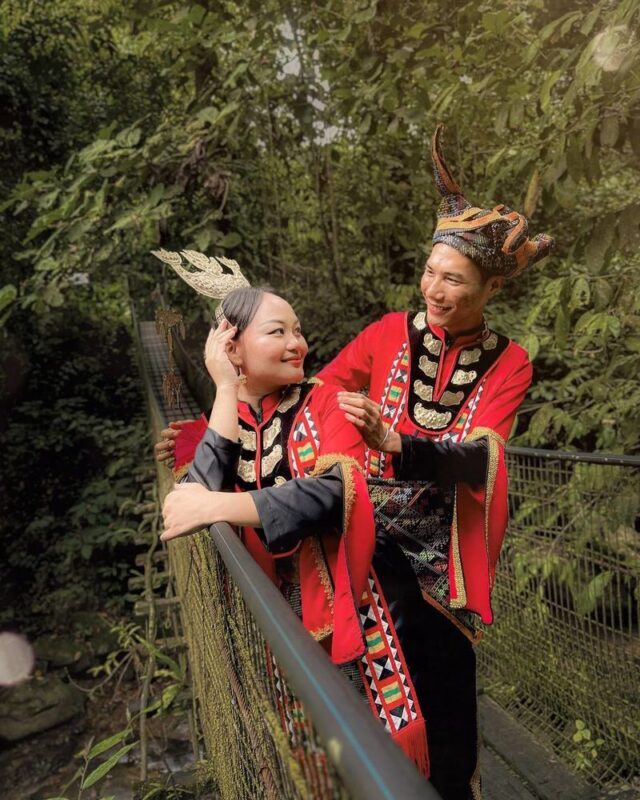
The tour moves through a series of house visits, each linked to one of the five peoples. Rather than simply walking through empty rooms, you get explanations and demonstrations that bring the setting to life. Expect the guide to keep the group moving, with stops for activities and food along the route.
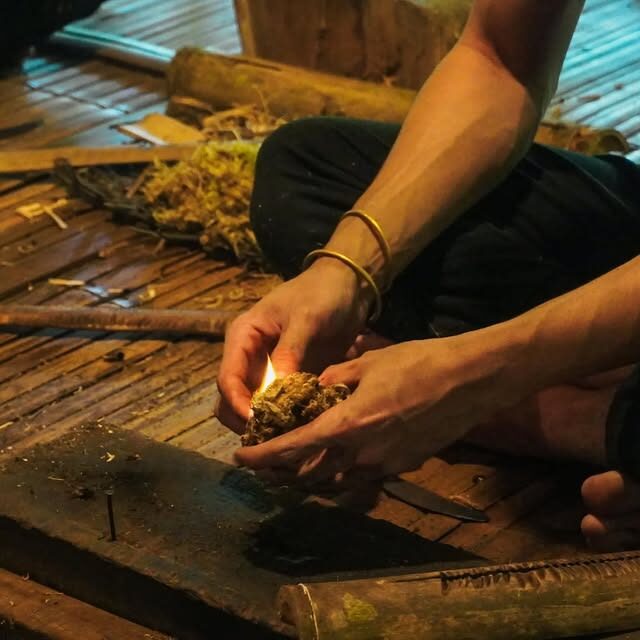
Some demonstrations show practical skills, including starting a fire the old-fashioned way and making a blow-pipe. These moments are a strong part of the visit because they connect an object or skill to the work behind it. Depending on the activity, you may have a chance to try something yourself. Blow-pipe shooting is one example that has proved popular with families and groups.
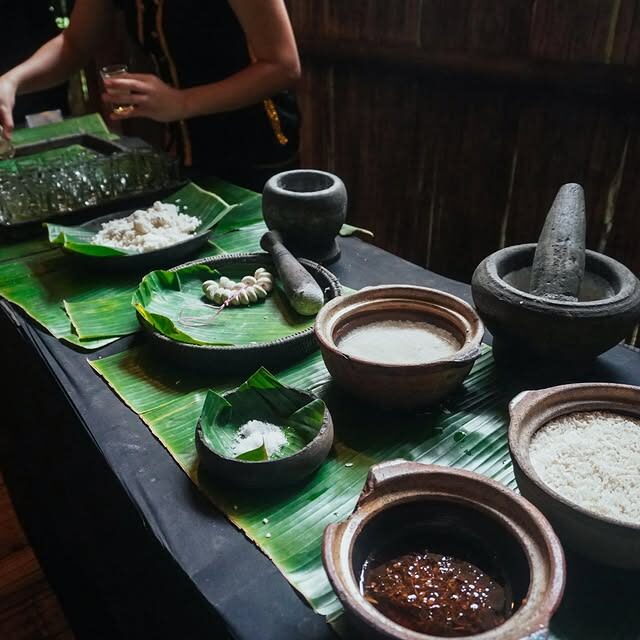
There are also cultural and food stops. You may sample local snacks and drinks while hearing about how they fit into traditional life. Some people have enjoyed tasting rice wine or other local alcoholic beverages, so keep that in mind if you are travelling with children or prefer not to drink. The meal package adds food at the end of the tour; the basic ticket does not.
The activities make the visit more engaging than a lecture, but the schedule is structured. You will be part of a guided group, not free to linger in each house for as long as you like. If photography is important to you, take pictures when there is a natural pause and be ready to move along when the guide calls the group forward.
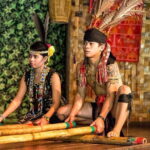
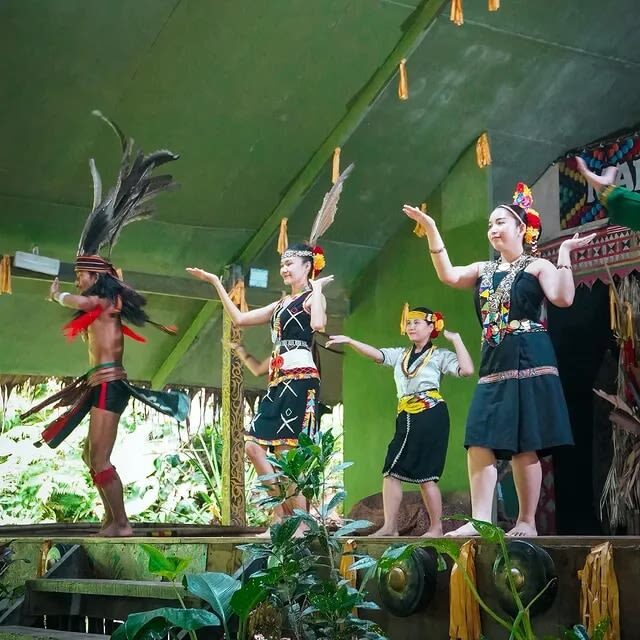
The cultural show is a highlight of the route and gives the visit a lively finish. Performers present traditional dance and music, with bamboo dancing among the acts mentioned by visitors. The show includes audience appeal and, at times, a touch of humor, so it is not simply a formal display to watch in silence.
The performance adds another dimension to the demonstrations in the houses. You have seen practical skills and heard about customs; now you see movement and group performance on a stage. It is a compact introduction rather than a full account of each tradition, but it helps make the afternoon feel complete.
If you have children, this is often the part that holds their attention best. The houses and explanations provide the learning, while the performance offers a lively shared moment at the end. Keep expectations grounded: this is a visitor-focused show, not a private ceremony or an invitation to observe an everyday community event.
The no-meal ticket is the lowest-cost option and includes the guided house visits, demonstrations and cultural performance. Prices in the supplied package options begin at US$30.60 for this choice, while the overall advertised starting price is around US$33.69. Prices can vary, so check the amount shown for your date before booking.
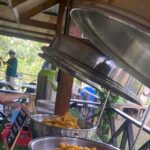
A ticket with a meal starts from US$35.19 and adds lunch or high tea, depending on the selected package and schedule. The meal is described as a buffet, with local dishes and snacks. If you want to make a fuller outing of the visit, adding the meal may be good value; it also saves you from having to arrange food immediately afterward. If you have dietary needs, confirm what is available before you book, since specific menu details are not provided.
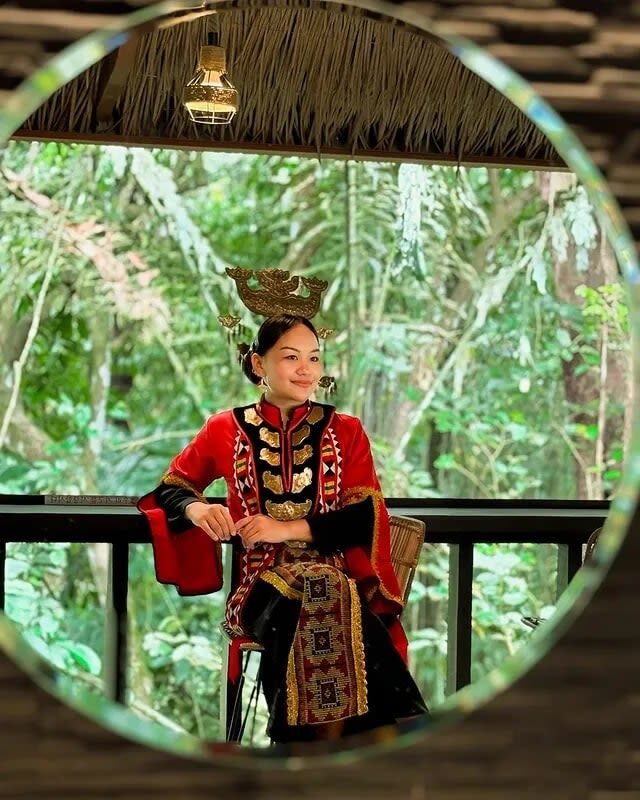
The meal-and-hotel-transfer option starts from US$44.39. This costs more than arranging your own ride, but it reduces the need to coordinate transport to a village outside the city. There is also a package with a meal and traditional costume photoshoot, listed from US$68.85. Choose that one if the photos are part of the appeal, rather than assuming costume photos are included with the basic entry.
The basic tour does not include round-trip transfers, so you will need to arrange your own ride. The village is about a 30-minute drive from central Kota Kinabalu, or around 15 minutes from the Inanam area. Some visitors have used Grab for the journey and arranged a return ride in advance. Leave enough time for the drive and aim to arrive at least 15 minutes before your tour.
This is a half-day outing, and accounts of the visit describe a program lasting around three hours. The village runs guided sessions, and times can vary. Tour operation is listed for weekends and public holidays, so confirm that your preferred date and departure time are available before making other plans.
Do not schedule a flight on the same day if you can avoid it. The advice is sensible: a late start, heavy rain or a slower return ride could make a tight airport connection stressful. Give yourself room to enjoy the visit instead of checking the clock between houses.
Weather can change quickly in the hills around Kionsom. Bring an umbrella or other simple rain protection, along with sunscreen and insect repellent. Comfortable walking shoes or sandals are more useful than dress shoes, and a hat helps in exposed areas. Pack water if you prefer to carry your own, and bring extra cash for purchases or incidental expenses.
The walking is continuous, and the route is not stroller- or wheelchair-accessible. If you are travelling with a baby or young children, a carrier is likely more practical than a stroller, though you should decide based on your family’s needs. The tour is also not advised for people with heart disease, epilepsy or other serious illnesses. If mobility is a concern, contact the operator before booking rather than hoping the route will be manageable on arrival.
Rain does not necessarily mean the visit is over. One group experienced a delayed start after heavy rain but continued safely. Still, wet weather can slow the schedule, so do not plan a close connection afterward.
This tour suits first-time visitors to Sabah who want a broad cultural introduction without a long drive across the region. It also works well for families with school-age children, since the demonstrations and performance give the learning a physical, memorable shape. Adults who enjoy food tastings and hands-on activities will find more to do than simply listen to a guide.
It may be less satisfying if you are looking for an unmediated encounter with daily life in a village, or if you prefer to explore independently. The route is guided, and the houses form part of a visitor attraction. Some people may also find that the pace leaves little time for photographs or an unhurried look around.
For a first visit to Kota Kinabalu, I see the strongest case in the combination of five cultural areas, practical demonstrations and a meal option. You get a lot of introductory material in a short span. The trade-off is that each tradition gets a brief presentation rather than an extended, detailed visit.
Book Mari Mari Cultural Village if you want an accessible introduction to Sabah’s Indigenous cultures, enjoy guided demonstrations and appreciate having transport or a meal as optional add-ons. The English-speaking guide, tastings and final performance give the visit a clear structure, and the no-meal ticket keeps the entry price relatively low.
Skip it, or set modest expectations, if you want to visit communities in their everyday setting or need step-free access. For the best fit, choose the meal package if you want an easy end to the outing, arrange transport before you go, and bring rain protection. With those details sorted, the tour offers a useful cultural counterpoint to time spent in Kota Kinabalu.
“A must-visit in Kota Kinabalu! Mari Mari Cultural Village offers a fascinating and immersive glimpse into Sabah's rich cultural heritage. We loved …”
It is about a 30-minute drive from Kota Kinabalu city center and around 15 minutes by car from the Inanam area.
No. Round-trip transfers are not included with the basic ticket. A separate package includes hotel transfer.
Not with the no-meal ticket. Meal packages are available, including options with a meal and options with both a meal and hotel transfer.
Wear casual clothes and comfortable walking shoes, sandals or slippers. Bring sunscreen, a hat, insect repellent, an umbrella, a camera and some cash.
No. The activity involves continuous walking and is not wheelchair- or stroller-accessible.
Yes. Children aged 0 to 11 must be accompanied by a paying adult, and children aged 0 to 4 can join free of charge.