Physical Address
304 North Cardinal St.
Dorchester Center, MA 02124
Physical Address
304 North Cardinal St.
Dorchester Center, MA 02124

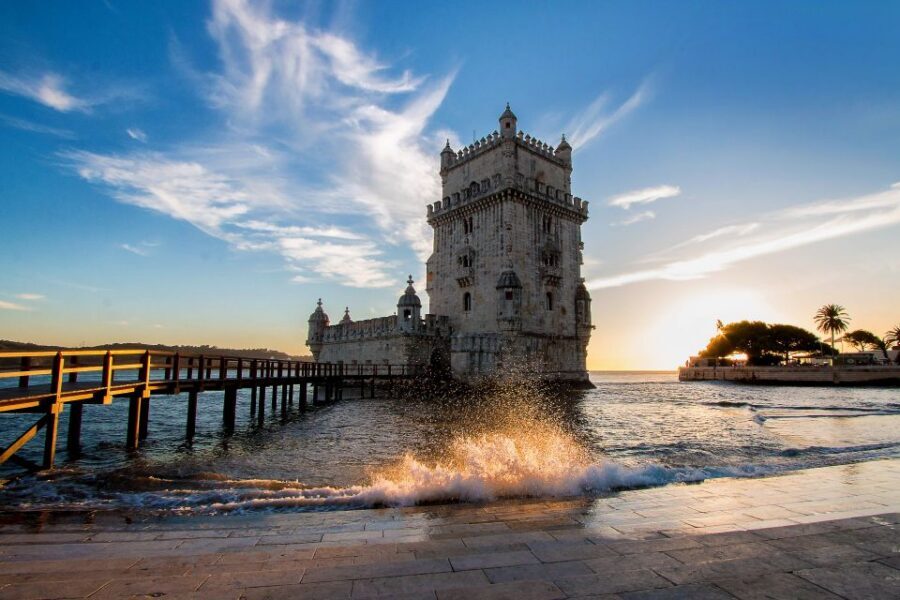
Belém Tower pairs Manueline stonework, Tagus views, and a steep stair climb. See what the $17 entry ticket covers and how to plan around queues.
Belém Tower is a small fortress with a big presence. Built in 1515 at the mouth of the Tagus, it was once part of Lisbon’s defenses and a gateway for ships heading out on voyages of exploration. I like the carved Manueline details as much as the chance to climb through the tower itself and look out over the river.
I also like that this ticket gets you inside one of Belém’s signature monuments, close to other landmarks linked to Portugal’s Age of Discoveries. The main caveat is the wait to enter: buying ahead may save a stop at the ticket counter, but it does not always mean walking straight in.
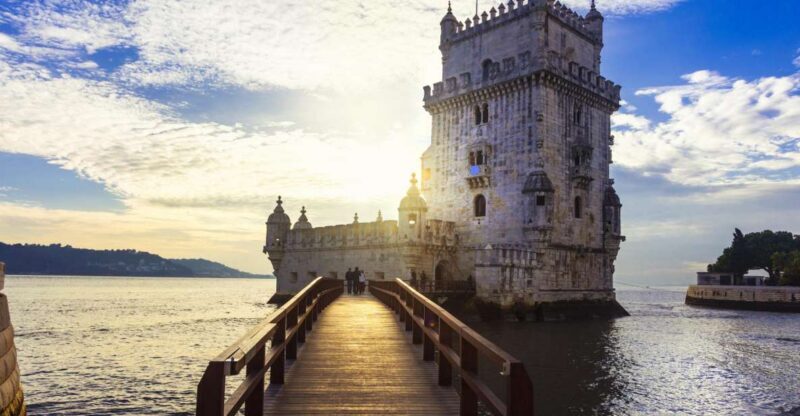
The tower’s setting explains much of its appeal. It stands by the Tagus estuary, where ships once approached Lisbon, and its original purpose was defensive. Today, you can look at the water from the same strategic position and imagine why this stretch mattered to the city.
The monument dates to 1515, during the reign of Manuel I. Its decorative stonework makes it more than a plain military outpost: carved details soften the look of a defensive building and mark it as a product of Portugal’s era of overseas expansion. The tower is UNESCO-recognized as a Cultural Heritage of Humanity, a distinction that reflects its place in the country’s history and architecture.
I find the mix of beauty and purpose especially satisfying. Belém Tower is not a large fortress complex, and it is not a museum with a long sequence of exhibits. Its story is told through its position, structure, rooms, and views.
You can check availability for your dates here: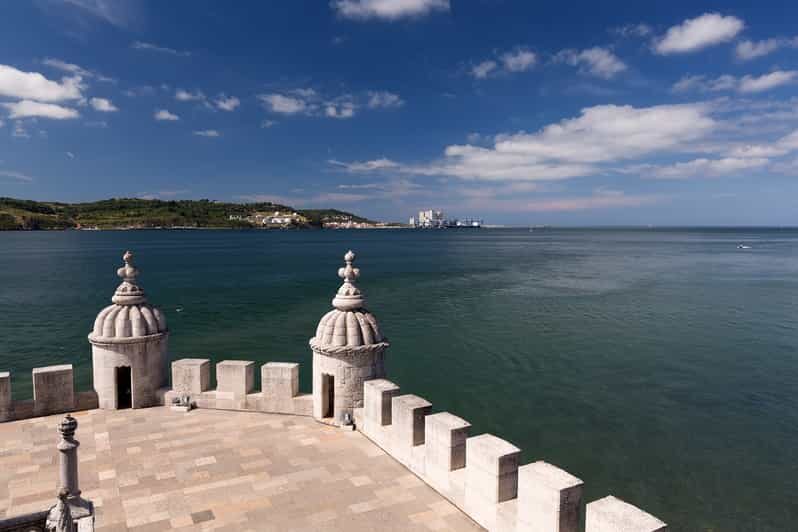
Belém Tower is in one of Lisbon’s most historic districts, with other monuments from the Age of Discoveries nearby. That makes it easy to pair the visit with time in Belém rather than treating the tower as a stand-alone trip. The ticket is valid for one day, and you should check the available starting times when booking.
The entry process can be the most frustrating part. Only one entrance serves the tower, and people are let inside in limited numbers. That helps keep the interior from becoming too crowded, but it can also create a slow-moving queue outside. Some visits have been quick; others have involved waits of an hour or more, and occasionally much longer.
A pre-purchased ticket can spare you the separate task of buying admission onsite, but do not assume it gives you a queue-free entrance. Accounts of the process vary: some people have entered smoothly, while others have waited despite having tickets. Arrive early if you can, and leave room in your schedule for the line.
Your booking confirmation includes a PDF voucher that you need to show at the entrance. Keep it accessible on your phone or print it before you arrive. The tower’s entry arrangements may include scheduled times, but availability and crowd flow can affect how quickly you get inside.
You might also be interested in these Lisbon experiences
Once admitted, you move through the tower’s interior room by room and level by level. This is a compact visit, not a sprawling one, but the small spaces give you a close look at the building’s construction and carved details. Take time to notice the stonework rather than racing straight for the view.
The staircase is the physical challenge. It is steep, narrow, and winding, with about 93 steps divided among four levels, according to one detailed account. The breaks between floors make the climb more manageable than one continuous ascent, but the tight passage can feel awkward when people are moving in both directions.
The tower’s capacity limits are part of the experience. They help prevent the rooms and stairs from becoming packed, yet they also slow entry. If you are claustrophobic, have trouble with steep stairs, or simply dislike waiting in confined spaces, weigh that against how much you want to see the interior. The ticket information does not promise a step-free route.
Access to the highest level is not always guaranteed. The visit is described as a climb to the top, but some people have found upper areas closed or unavailable. Treat the precise access as something that can vary, rather than booking solely for a particular floor.
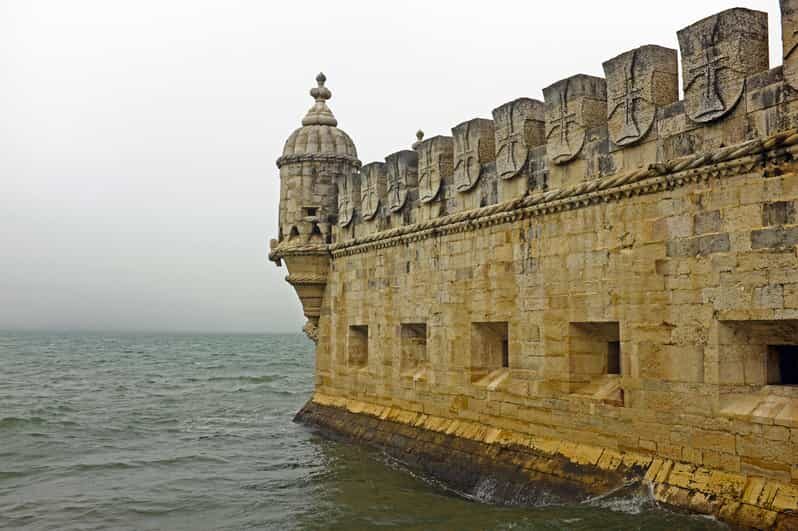
The payoff for the climb is the view across the Tagus and Belém. From above, you get a sense of the tower’s position at the water’s edge and can take in the district’s historic setting. The panorama is a highlight, especially if you enjoy seeing a monument in relation to the river and the city around it.
The views are also a good reason to pause between rooms. You are not just looking at Lisbon from a high point; you are looking out from a building designed to watch over an important approach to the city. On a clear day, the water and nearby monuments give the visit its strongest sense of place.
Conditions can affect the experience. Bad weather has closed the tower on occasion, and wind or cold can make the riverside setting feel exposed. Bring a layer if the day looks cool, and check that the tower is open before setting out if weather is unsettled.
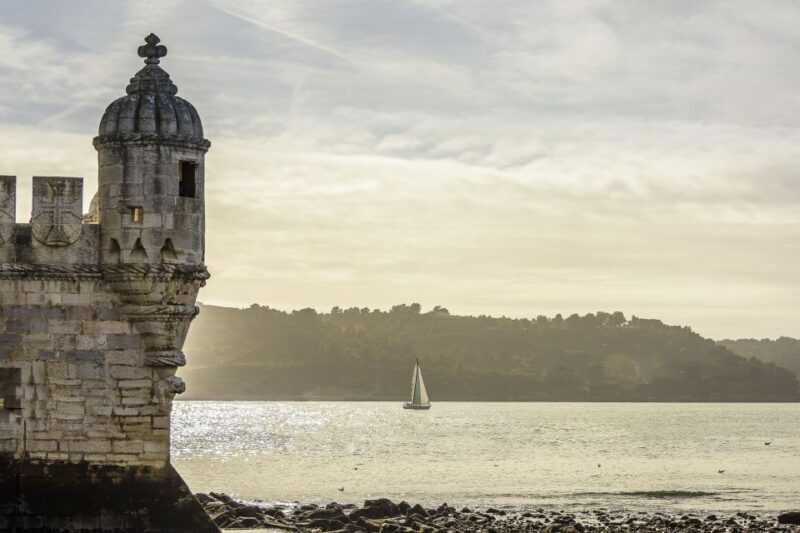
At $17 per person, the ticket buys entry to a landmark, a close look at its architecture, and access to the views from the tower. It does not include a guide or an audio tour. If you want a detailed explanation of Portugal’s maritime history, read up beforehand or bring your own guidebook notes.
Value depends on what you want from the visit. If you care about architecture, fortifications, and historic settings, the chance to walk through the tower is more rewarding than viewing it from the outside alone. If your main goal is a long, activity-packed tour, the visit may feel short for the price. The interior is compact, and time inside can be limited by how the entry flow is managed.
The price is also worth comparing with your plans for the rest of Belém. The district has several places of historic interest, so you can make the trip more worthwhile by building a broader day around the neighborhood. The tower itself is best seen as one focused stop rather than a full day’s activity.
Admission is free at National Museums and Monuments on Sundays and holidays for residents of Portugal. That rule applies to Portuguese residents, not all visitors, so it should not be treated as a general free-entry day.
More Great Tours NearbyThe stated opening hours are Tuesday through Friday, 9:30 a.m. to 6 p.m., with last admission at 5:30 p.m. The tower is closed Mondays and on January 1, Easter Sunday, May 1, June 13, and December 25. Check current availability before you go, since opening schedules and access can change.
Early arrival is a useful strategy. It can improve your odds of a shorter wait, though it cannot guarantee one. The tower gets busier when tour groups arrive, and the limited number of people allowed inside at a time can keep the queue moving slowly.
Bring your voucher and a little patience. Comfortable shoes are sensible for the stairs, and a light jacket can help on a cool or windy day by the river. If you are traveling with children, the tower can be an engaging stop, but keep in mind that the stairs are steep and the upper spaces are tight.
I would recommend Belém Tower to anyone who likes historic buildings and wants to see one of Lisbon’s defining landmarks from inside. It suits visitors who enjoy architecture, do not mind a climb, and are willing to wait for a small-group entry. Families may find the fortress setting appealing, though parents should judge whether their children are comfortable on narrow stairs.
It is a weaker fit if you have little time, dislike queues, or want a guided history lesson included in the price. You can still appreciate the outside and the river setting without going in, but the ticket is for people who want to explore the interior as well.
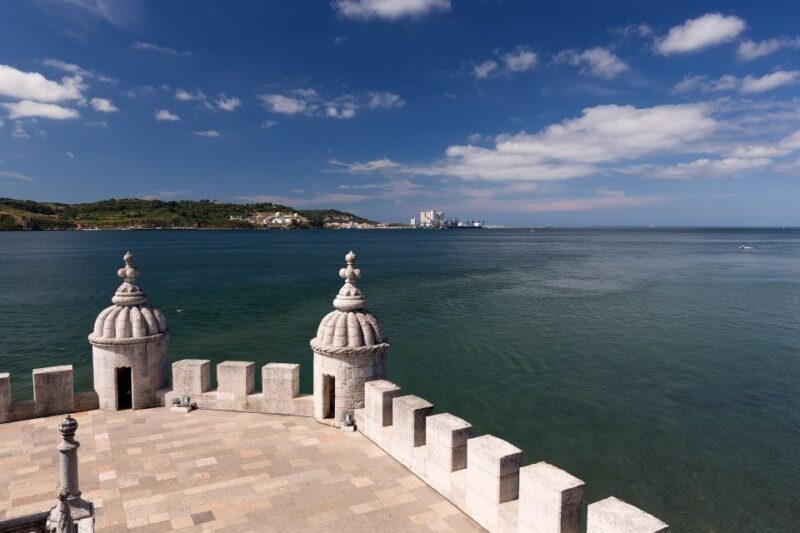
Book if you want to step inside a distinctive 16th-century fortress and see Belém from above. The stonework, compact rooms, and river views make the visit worthwhile for many history and architecture fans, but the experience is short and the line can be unpredictable.
Go early, keep your plans flexible, and do not count on the ticket alone to bypass the queue. If the price feels steep for a brief visit, consider enjoying the tower from outside and spending your time at other nearby sights instead. If walking the tower’s narrow stairs and seeing its setting from within matter to you, the ticket is a sound way to make that visit.
“Tickets purchased easily with a scheduled time”
The listed price is $17 per person. Prices can change, so check the current amount when you book.
The ticket is valid for one day. Check availability for starting times when booking.
It includes entrance to Belém Tower. A guide or audio tour is not included in the stated ticket details.
The stated hours are Tuesday to Friday, 9:30 a.m. to 6 p.m. Last admission is at 5:30 p.m.
It is closed on Mondays, January 1, Easter Sunday, May 1, June 13, and December 25.
Not necessarily. A ticket may save you from buying admission onsite, but entry is limited and queues can still form.
The stairs are narrow, steep, and winding. One detailed account describes about 93 steps across four levels.
Access to the highest floor may vary. Some people have found it closed, so do not assume every level will be open.
Admission is free at National Museums and Monuments on Sundays and holidays for residents of Portugal.
You need to present the PDF voucher sent with your booking confirmation.
You can check availability for your dates here: