Physical Address
304 North Cardinal St.
Dorchester Center, MA 02124
Physical Address
304 North Cardinal St.
Dorchester Center, MA 02124

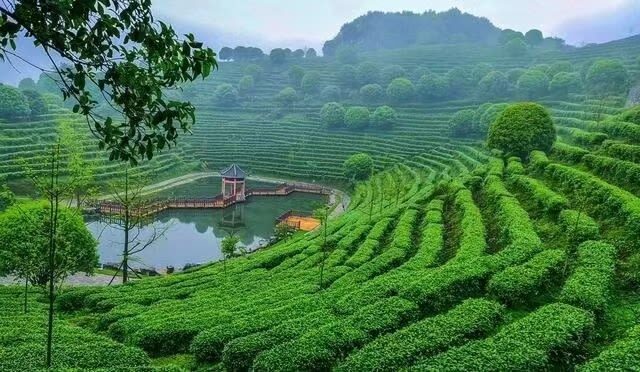
Pick tea among Yangshuo’s karst hills, learn to process fresh leaves, and taste your own tea at Qixianfeng Tea Garden.
Picking tea by hand, then turning those same leaves into a drink you can take home, makes Qixianfeng more than a scenic stop. The garden sits among Yangshuo’s karst hills, with terraced rows and broad views as part of the outing.
I like two things in particular: you learn by doing, from choosing tender buds to helping process them, and the experience includes a tea tasting that puts your work in context. The bamboo hat, basket, staff tips, and suggestions for good photo spots make the hands-on parts easier to enjoy.
One consideration: Qixianfeng is about 9 miles from Yangshuo town, so you’ll need to plan your ride. The listed return is at 18:00, but the departure time is confirmed after booking, and the schedule can shift with traffic and weather.
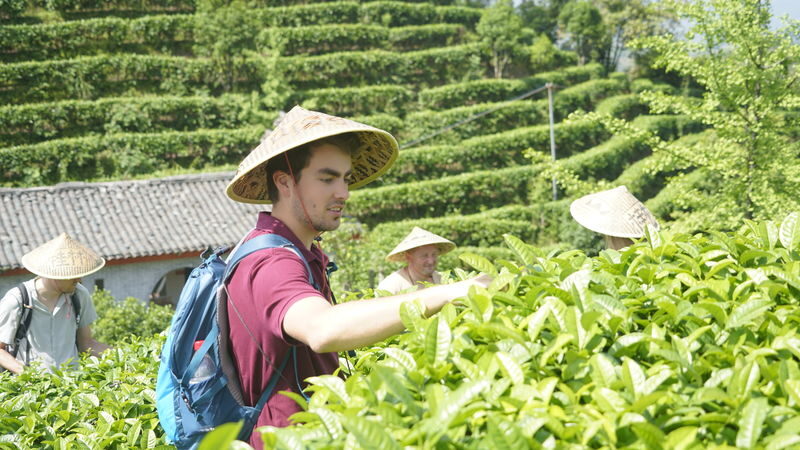
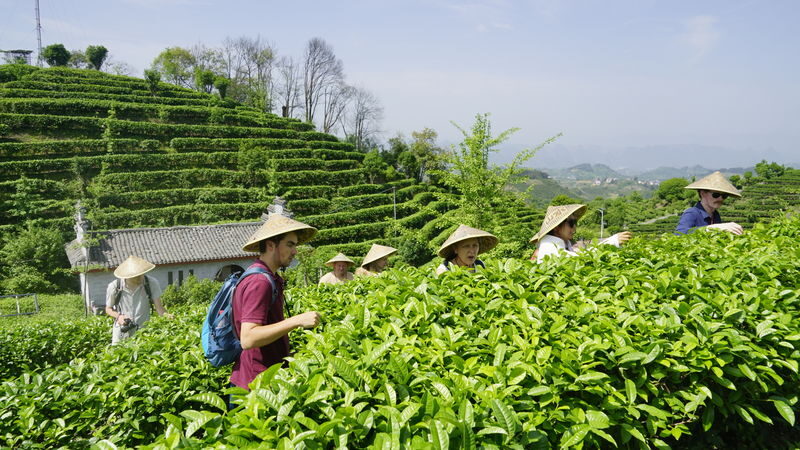
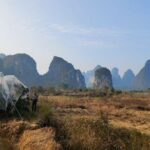
Qixianfeng’s name refers to seven high hills said to resemble the Big Dipper. The tea garden is set among these karst formations, at an average elevation of more than 600 meters. That setting is not just a pretty backdrop: the farm links its tea growing to mineral-rich soil, mist, and a marked difference between daytime and nighttime temperatures.
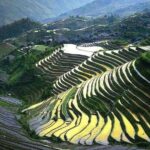
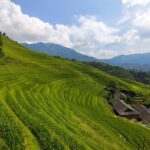
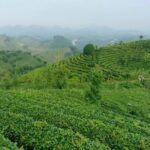
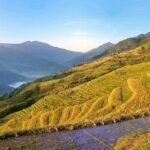
The garden’s tea rows follow the slopes in terraces. From a higher point, you can look across green bands of tea and toward the peaks around Yangshuo. The farm also describes the area as a natural lookout, with views east toward the distinctive hills near the Li River.
Expect a working tea garden rather than a polished city attraction. The appeal is the combination of outdoor scenery and a clear task: learn what to pick, gather the buds, and see what happens to them next. If you want a day built around dramatic scenery alone, this may not be enough; the hands-on tea activities are the main event.
The garden is also surrounded by extensive kumquat groves and natural vegetation. That ecological setting is part of the farm’s explanation for its tea quality. Its Cuiyu green tea is described as organically produced, but no certification details are provided, so treat that as the farm’s description rather than a claim you can independently assess during a visit.
Looking for more options in Yangshuo? Here are some other experiences worth considering.
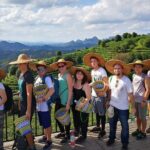
At the garden, staff provide a bamboo hat and basket, then explain how to select leaves and which rows are open for picking. This instruction matters. Tea picking is selective work, not simply stripping leaves from a bush, and a short demonstration helps you understand what counts as a tender bud.
You’ll get time among the tea rows to pick by hand. The activity is most appealing if you enjoy doing something practical outdoors and are curious about the small choices behind a familiar drink. It also gives you a reason to slow down and notice the plants, the slope of the rows, and the surrounding hills.
There are useful photo opportunities along the way. Staff can point out spots with good views, which saves you from stopping at random and hoping for the best. Still, the garden is an agricultural site, so expect the experience to follow the needs of the activity rather than operate like a set of staged photo stops.
Tea can be picked throughout the year, but the seasons affect what you’ll find. April through October is given as the best period for visiting, while May is the peak season for spring picking. Spring and autumn are identified as the best seasons for tea picking overall. If the harvest itself is your priority, ask about conditions for your chosen date rather than assuming every visit offers the same leaves or picking experience.
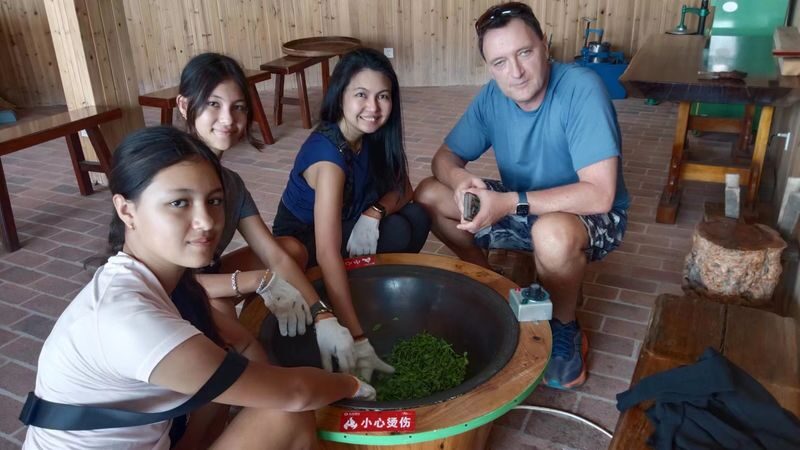
Once you’ve picked, you return to the starting point for the production part. A technician helps you process the leaves, with the traditional stages including heating to stop oxidation, rolling, and drying. The experience gives you a basic view of how fresh leaves become finished tea, without requiring you to arrive with any prior knowledge.
You can help stir-fry the buds you collected and take part in other steps with guidance. The precise amount you do at each stage is not specified, so think of this as a supervised introduction rather than a full tea-making course. Even so, handling the leaves makes the tasting more interesting: you’ve seen the work behind the cup and had a hand in the result.
After processing, the leaves are baked, and the activity includes a tasting and lesson on the farm’s teas and other varieties. The tea produced at Qixianfeng includes Cuiyu Mao Feng, Longjing, and Biluochun-style green teas. The farm describes its Cuiyu tea as fragrant, mellow, and marked by a roasted chestnut aroma.
At the end, your own finished tea is placed in sealed bags bearing the farm’s brand. That small take-home keepsake is a practical part of the value: you leave with something you made, rather than only a memory or a purchase. It is ready to steep, though the amount you take home is not specified.
Tea is the focus, but the garden’s setting gives you more to do between activities. Terraced fields create layered views across the hills, while the elevated position offers a broad outlook over Yangshuo. If the weather is clear, the views toward the Li River’s surrounding peaks add a scenic counterpoint to the workbench and tea rows.
The site has dining facilities, and the food has a clear connection to the tea theme. The farm suggests dishes such as beef flavored with its green tea and chicken soup with a mellow tea taste. A meal is an appealing addition if you have time, especially since the schedule is built around a return at 18:00. The exact meal options and costs are not provided, so check before you count lunch as part of the package.
There is also a large retail area selling the farm’s tea and other products. You can sample teas before deciding whether to buy, which is a better way to shop than choosing a packet based on its label alone. Buying tea is optional; the included package described here covers admission, tea picking, tea making, and the leaves you make, not personal purchases.
The garden lists accommodation with 40 beds and a multi-purpose conference room for up to 50 people. Those facilities may matter for groups or anyone planning a longer stay, but they are not necessary to the core tea activity. The experience also sometimes includes cultural programming, such as tea ceremony performances, gong striking for tea picking, a tea horse road activity, and short stories about tea. These events are described as activities the site may hold, so don’t assume each one will be running on your date.
The outing begins at the ticket gate near Jiaobalin Primary School in Baisha Town, Yangshuo County. The departure time is confirmed after booking, and the stated return is at 18:00 to your hotel or personal address. Since the schedule may change with traffic and weather, leave some flexibility in your plans rather than arranging a tight connection afterward.
The garden is about 9 miles from Yangshuo town, and one practical way to reach it is by Didi. Confirm your exact pickup and drop-off arrangements before setting out, since the information provided does not clearly spell out whether transport is included in every package. The meeting point and return details are worth checking directly when you book.
The basic package price is shown from US$18.75 for admission, tea picking, tea making, and your self-picked leaves, while the experience summary gives a starting price of US$19.69. Prices can vary, so check the total for your date and selected option. At either starting figure, the value rests on the full sequence: garden access, guided picking, hands-on processing, tasting, and a sealed packet of the tea you made.
That is a stronger proposition than paying only to walk through tea fields, especially if you enjoy food and craft experiences. It is less compelling if you simply want a short scenic stop or do not care about taking part in the production steps. The package excludes personal expenses and tips, and the listed price should not be mistaken for the cost of meals or any tea you choose to buy.
I’d put this outing high on the list for anyone curious about how tea is grown and made, or for couples and families who like an activity with a tangible result. Children aged 0 to 3 are free, though the information does not give details about activities designed specifically for young children. The picking and processing should appeal most to people who enjoy learning through their hands, not just listening to an explanation.
It also suits a Yangshuo itinerary that needs a change of pace from river scenery and town visits. The garden gives you a look at a local agricultural product and a chance to meet the people who work with it. The cultural activities, when offered, add another layer, from tea ceremony demonstrations to short stories about tea.
If your schedule is tight, weigh the distance and the return time against your other plans. This is not a quick tea tasting in the town center. You’ll need to travel out to Baisha, spend time picking and making tea, and allow for a day that may change with conditions.
Book Qixianfeng if you want more than a photo stop: the strongest part is following the tea from plant to finished leaves, with staff guidance at each stage and a tasting at the end. The views and optional meal make the outing more rounded, and the tea you make gives you a useful souvenir.
Skip it if your main goal is a short, effortless visit or if you have no interest in tea production. For the best balance of garden scenery and picking conditions, aim for spring or autumn, with May the stated peak for spring tea. Confirm transport, departure time, and the exact package price before you go.
“This is an absolute must-do experience if you find yourself in Yangshuo. We started the activities as soon as we arrived with the Didi (it's about …”
It is at the ticket gate near Jiaobalin Primary School in Baisha Town, Yangshuo County, in the Guilin region of Mainland China.
It is about 9 miles from the city. A Didi ride was used to reach it, but confirm transport arrangements for your booking.
Tea picking is available year-round. Spring and autumn are the best seasons, April through October is given as the best period to visit, and May is the spring picking peak.
The described package includes admission, tea picking, tea making, and the tea leaves you make. Personal expenses and tips are not included.
With help from a technician, you process the leaves using traditional steps that include heating, rolling, and drying. You can help stir-fry the buds, then taste tea and take home your finished leaves in sealed bags.
A full refund is available if you cancel at least 24 hours before the activity date, based on destination local time.